Artwork
The Heroic Death of General Heinrich Hentzy von Arthurm
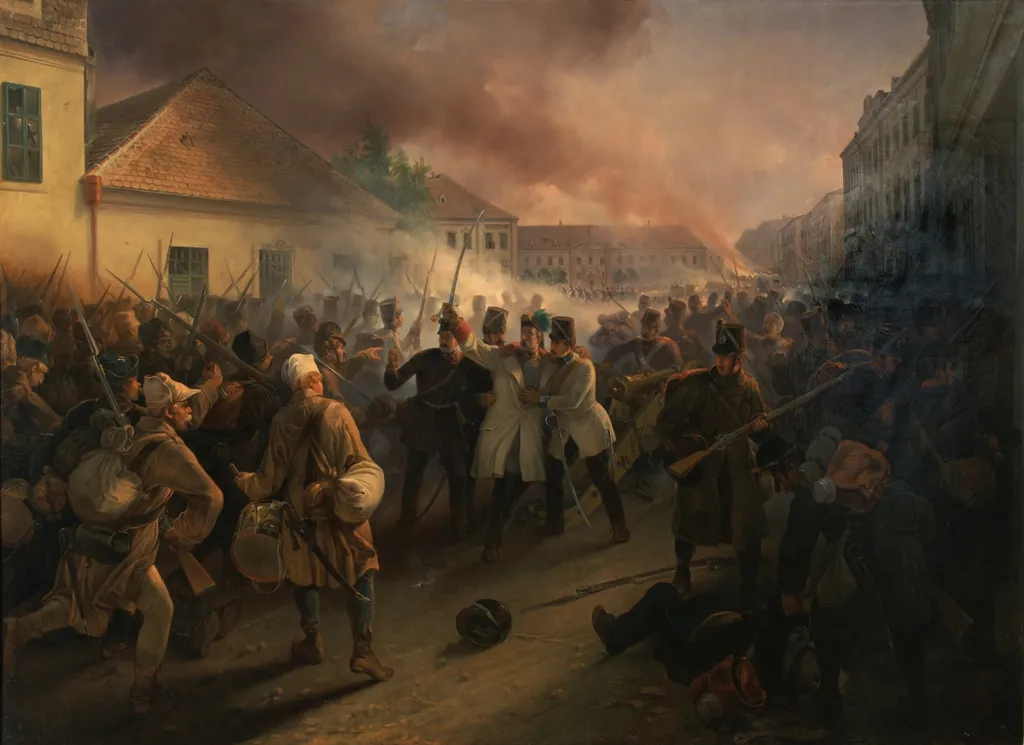
The Heroic Death of General Heinrich Hentzy von Arthurm is an oil painting by the Biedermeier artist Fritz Allemand. It dates from 1850 and is held in the collection of the Kunsthistorisches Museum.
About this work
Overview
Painted around 1850 by Austrian artist Fritz Allemand, this oil-on-canvas work portrays a moment of military collapse during a historical conflict.
Painted around 1850 by Austrian artist Fritz Allemand, this oil-on-canvas work portrays a moment of military collapse during a historical conflict. Executed in the Biedermeier tradition, the painting prioritizes clear storytelling over romantic exaggeration. It is part of the permanent collection at the Kunsthistorisches Museum in Vienna, where it remains a representative example of mid-19th-century Austrian historical painting.
Subject & Meaning
The scene centers on General Heinrich Hentzy von Arthurm, identified by his white coat, as he falls amid the confusion of battle. Surrounding figures—soldiers and civilians—react with varied urgency, suggesting the collapse of command and order. A fallen man in the lower right may represent a civilian casualty, reinforcing the human cost of conflict. The composition avoids glorification, instead emphasizing the disarray and tragedy of death in war.
Technique & Style
Allemand employs chiaroscuro to model forms and direct attention toward the general’s figure, creating spatial depth amid the chaos. Brushwork is controlled, with attention to costume details and facial expressions to convey individual reactions. The background, with smoke and distant architecture, recedes into muted tones, contrasting with the brighter foreground figures. The style reflects Biedermeier values: emotional restraint, narrative clarity, and careful composition over theatricality.
History & Provenance
The painting was completed in the early 1850s, during a period when Austrian artists were commissioned to depict national military history. It entered the Kunsthistorisches Museum’s collection shortly after its completion, likely through state acquisition or donation. No significant alterations or reattributions are recorded, and its provenance remains consistent within Austrian institutional holdings since the mid-19th century.
Context
Created during the Biedermeier era, the work aligns with a broader cultural shift toward domestic and historical realism in Austrian art. While Romanticism emphasized heroism, Biedermeier artists favored grounded narratives and psychological nuance. This painting reflects state interest in commemorating military figures without overt nationalism, serving both commemorative and educational functions within the Habsburg cultural sphere.
Legacy
Though not widely exhibited outside Austria, the painting remains a documented example of Biedermeier historical painting. It contributes to scholarly understanding of how 19th-century Austrian institutions shaped public memory through visual culture. Allemand’s restrained approach distinguishes his work from more flamboyant contemporaries, offering a quieter, more introspective vision of military loss.
Own this work as a print
Artist & collection
Artist
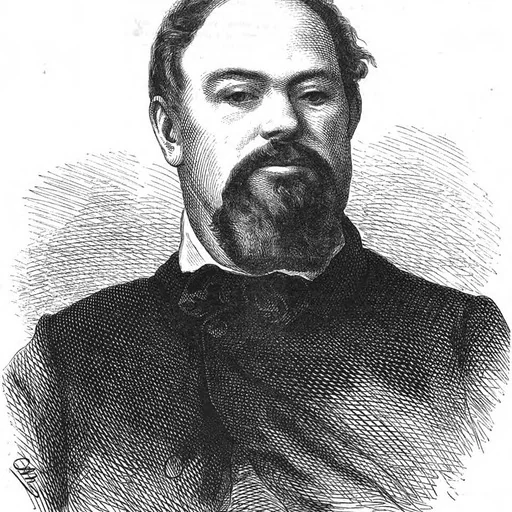
Friedrich Wilhelm L'Allemand, known as Fritz (24 May 1812, Hanau - 20 September 1866, Vienna) was an Austrian history painter.

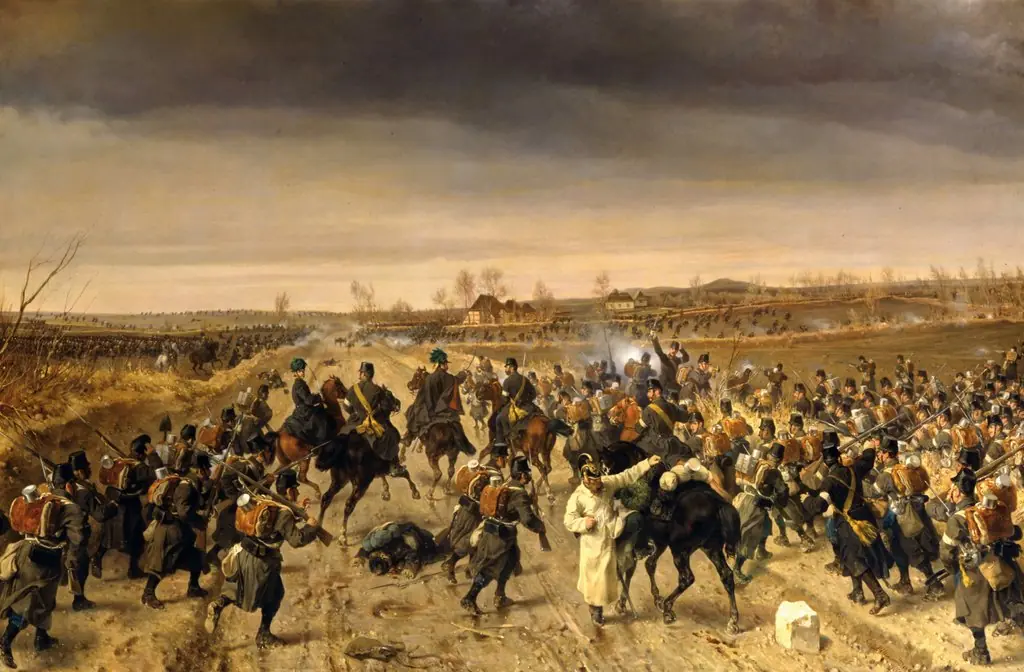
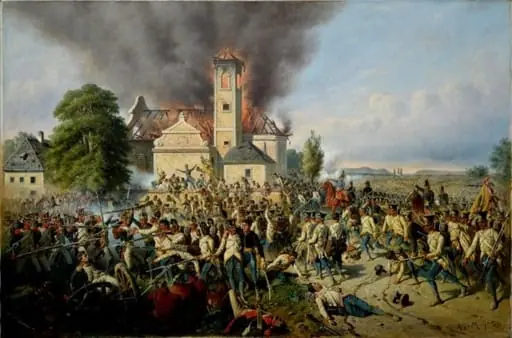 Bătălia de la Aspern
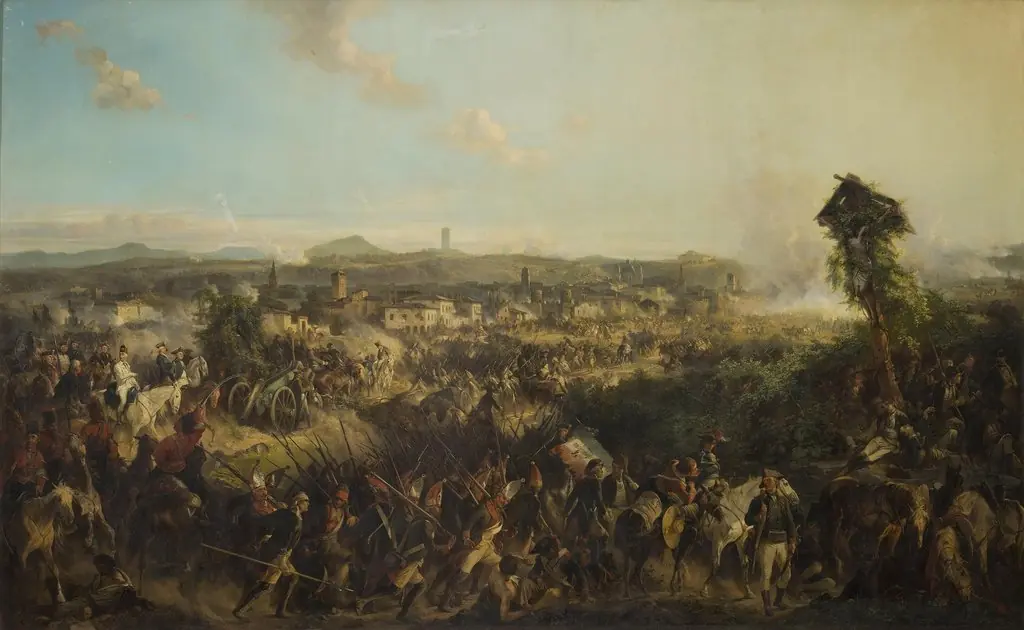 Battle of Novi on 4 August 1799
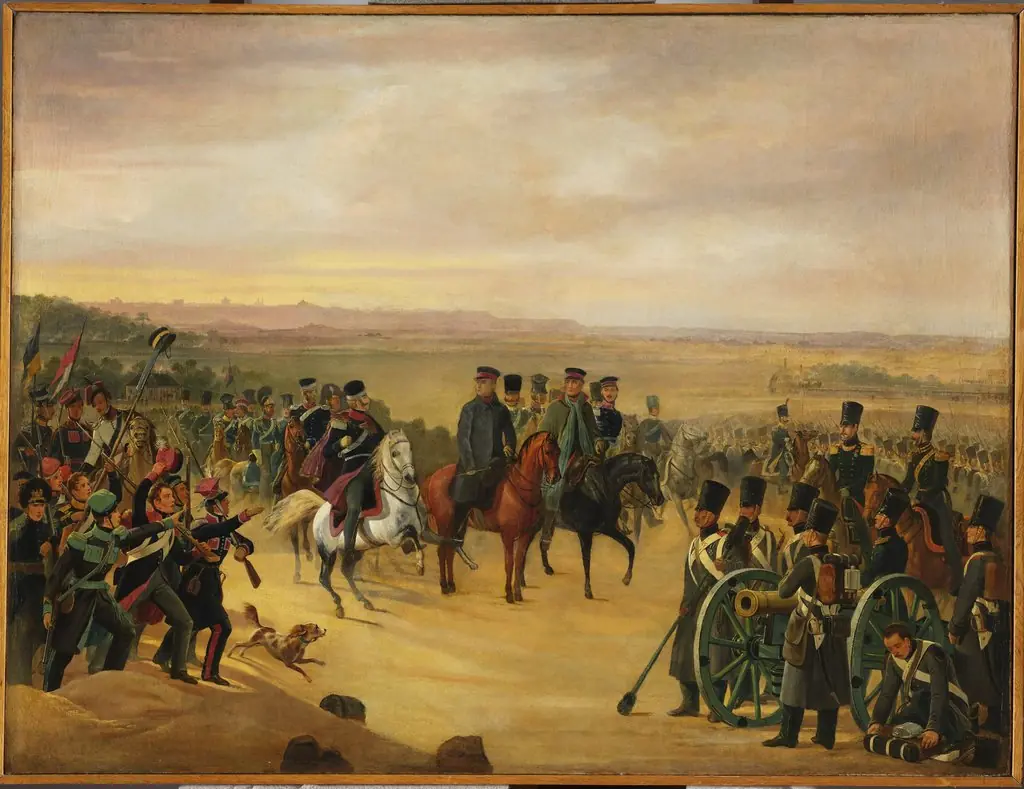 General Józef Chłopicki and Skrzynecki among soldiers
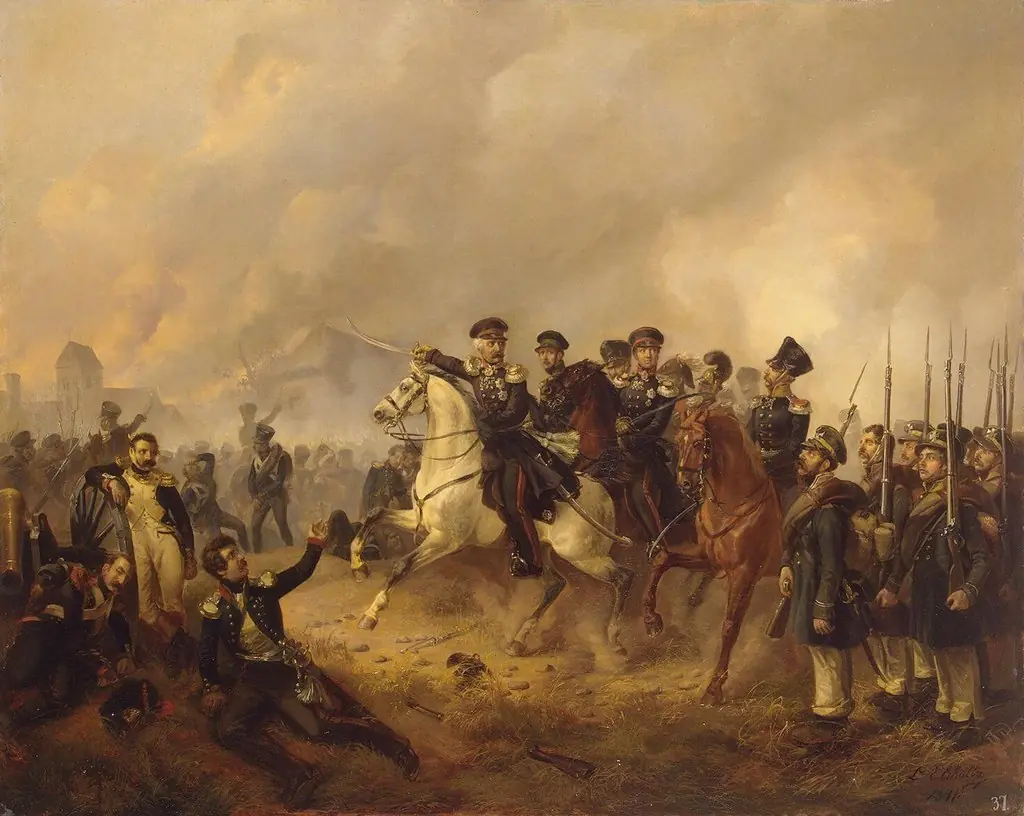 Marshal Blucher on the Battlefield
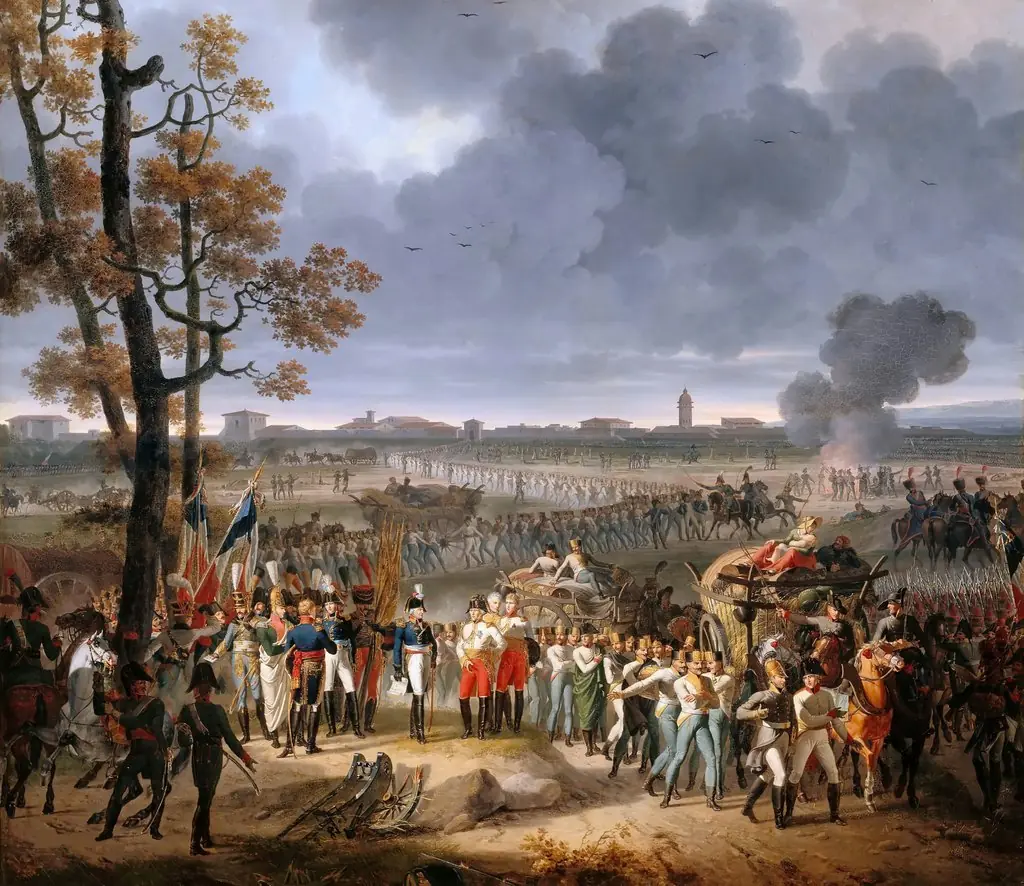 Surrender of Mantua, February 2, 1797
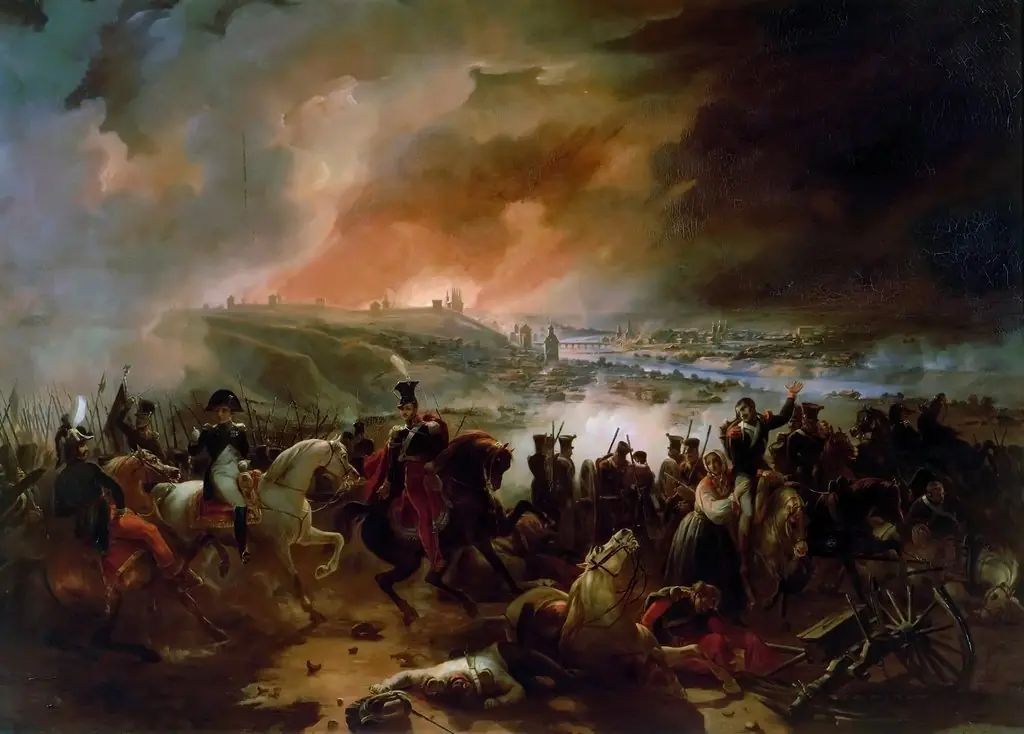 The Battle of Smolensk, 17th August 1812
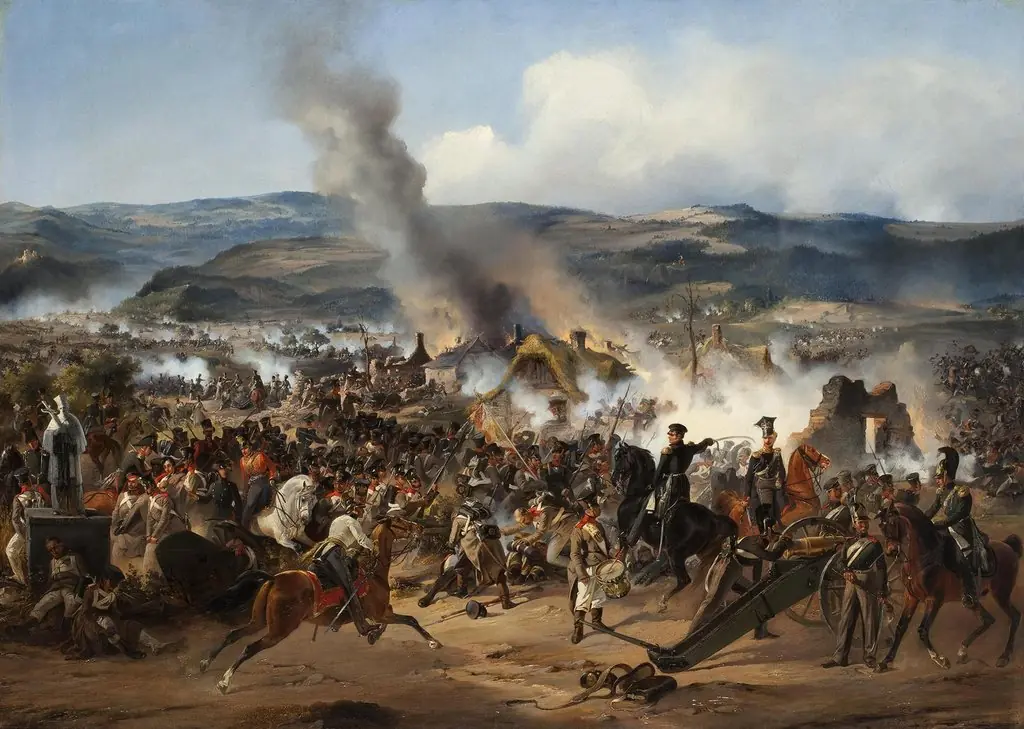 The Battle of Kulm, the 17th of August, 1813
 Oberst Boncke Bönnichsens fald den 6. december 1813 under en fægtning mellem jyske dragoner og kosakker
 Battle Scene
 Review of the French Guards in the Presence of Charles X
 Oberst Boncke Bönnichsens fald den 6. december 1813 under en fægtning mellem jyske dragoner og kosakker