Artwork
Ivy Lane
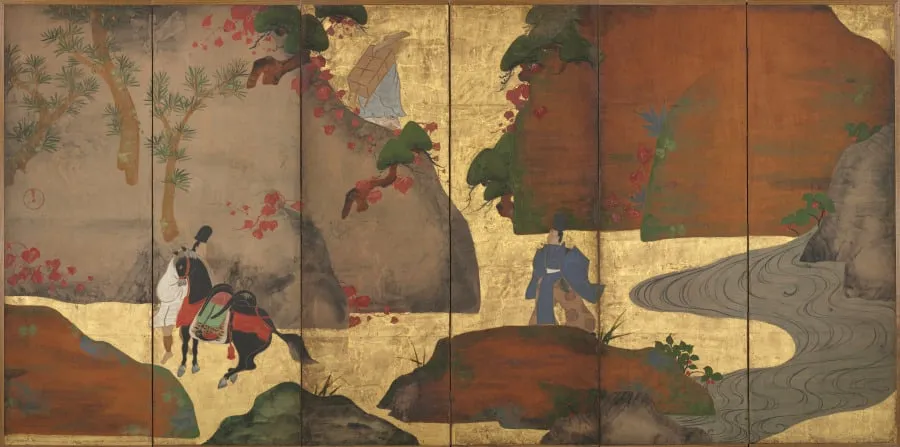
Ivy Lane is an unspecified painting by the Baroque artist Fukae Roshū. It dates from 1704 and is held in the collection of the Cleveland Museum of Art. The painting depicts a scene from the tenth‑century Japanese narrative The Tales of Ise.
About this work
Overview
The painting depicts a scene from the tenth‑century Japanese narrative The Tales of Ise. A courtier encounters a Buddhist monk on a narrow, ivy‑clad ascent of Mount Utsu, a place whose name evokes melancholy. He hands the monk a letter intended for a former lover in the capital, a figure he can no longer meet even in dreams.
Subject & Meaning
The encounter underscores themes of longing and separation that run through the tale. By entrusting the letter to the monk, the courtier seeks a conduit for his unspoken emotions, while the ivy‑covered pass, linguistically linked to sadness, reinforces the atmosphere of wistful yearning.
Technique & Style
The artist renders the winding path with delicate, precise lines and a muted palette of soft greens and earth tones. The thick ivy is portrayed in layered washes that convey both texture and the quiet stillness of the hillside, creating a restrained, contemplative mood.
Context
Mount Utsu, known in the story as “Melancholy Mountain,” functions as a symbolic landscape within The Tales of Ise, where journeys of exile and poetic reflection intersect. The painting visualizes this literary setting, translating the narrative’s emotional geography into a visual form.
Legacy
By illustrating a specific episode from a classic work, the painting contributes to the visual tradition of Japanese literary illustration, offering viewers a tangible entry point into the poetic world of courtly exile and unrequited love.
Artist & collection


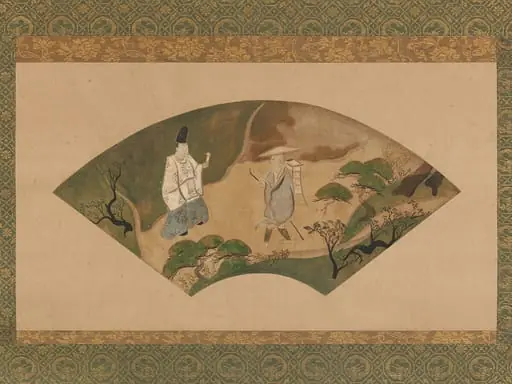
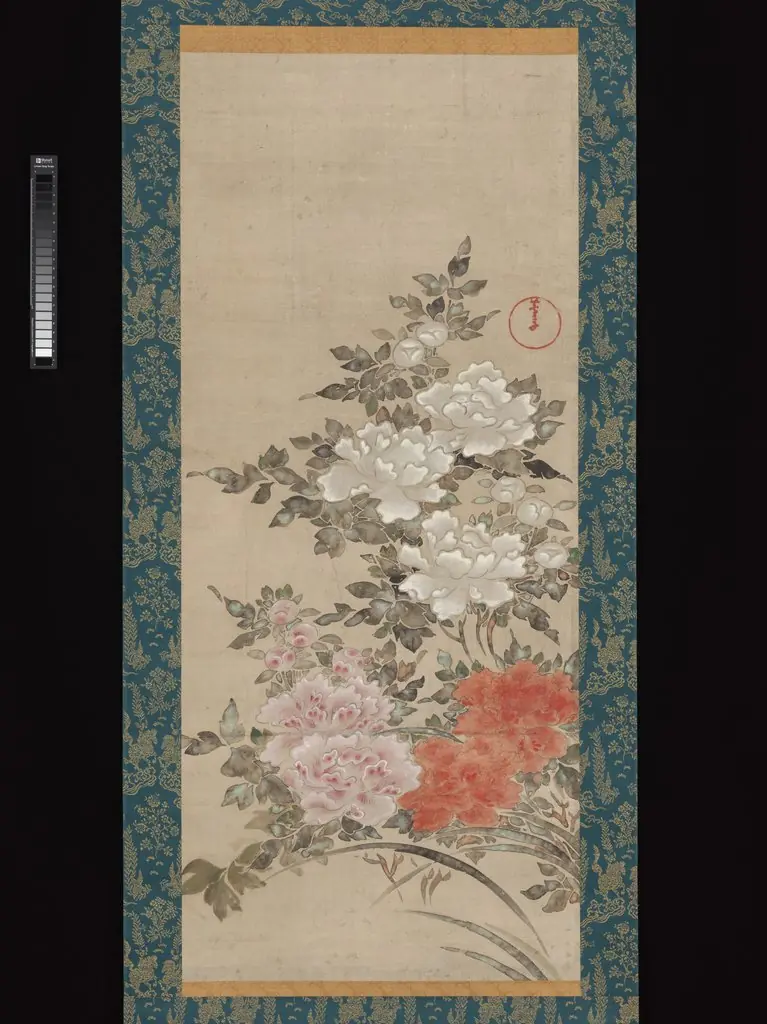
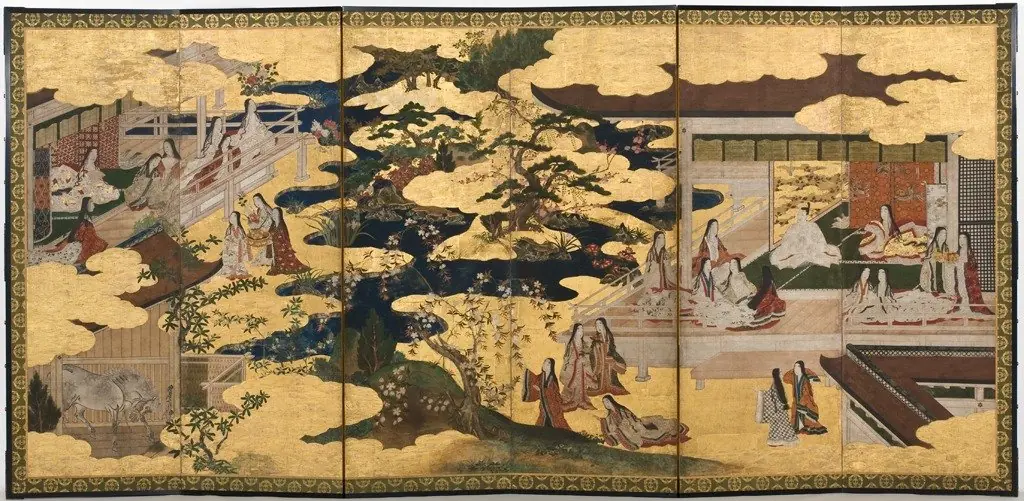 Scene from "The Tale of Genji": from the chapter "The Maiden"
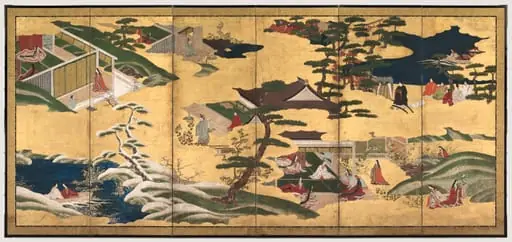 Scenes from the Tale of Genji
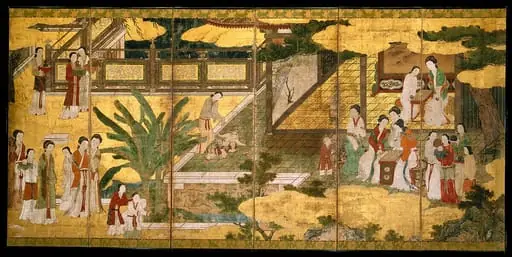 伝狩野永徳筆 唐美人唐子図屏風|Chinese Women and Children in a Palace Garden
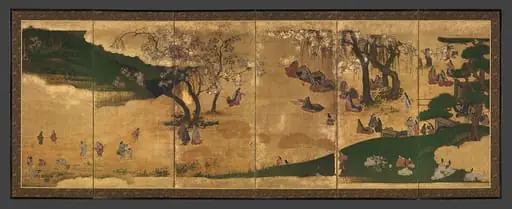 花見・紅葉狩図屏風|Cherry-Blossom and Maple-Leaf Viewing
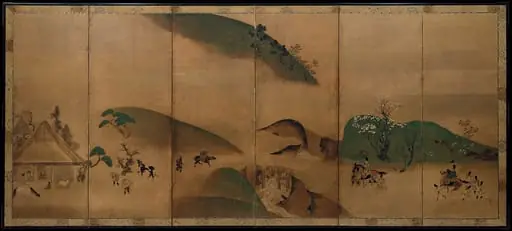 俵屋宗達工房 大原御幸図屏風|Royal Visit to Ōhara, from The Tale of the Heike
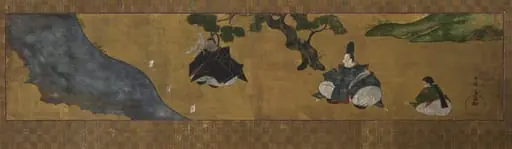 Ablution Scene (Misogi)
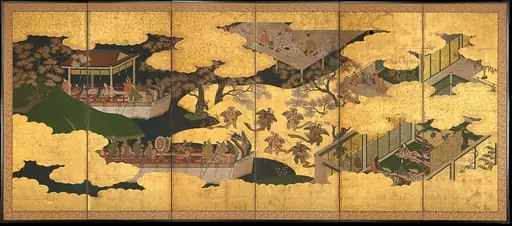 源氏物語図屏風 (胡蝶)|“Butterflies”