Artwork
Red Square in Moscow
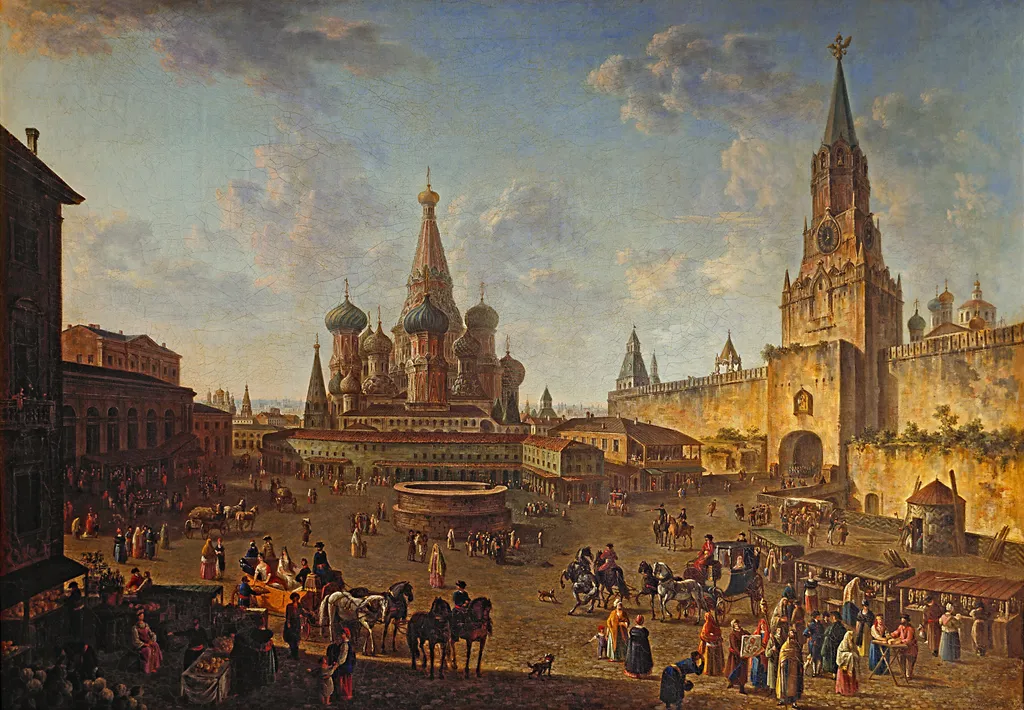
Red Square in Moscow is an oil painting by Fyodor Alekseyev. It dates from 1801 and is held in the collection of the Tretyakov Gallery.
About this work
Overview
It is part of the permanent collection at the Tretyakov Gallery in Moscow, where it remains a key example of Russian topographical painting from the period.
Fyodor Alekseyev painted Red Square in Moscow in 1801 using oil on canvas, capturing the urban life of the Russian capital during the early 19th century. The work belongs to the veduta tradition, a genre focused on precise architectural depictions of cityscapes. It is part of the permanent collection at the Tretyakov Gallery in Moscow, where it remains a key example of Russian topographical painting from the period.
Subject & Meaning
The painting portrays Red Square as a dynamic public space teeming with movement: pedestrians, horse-drawn vehicles, and vendors fill the foreground, while the ornate facades of St. Basil’s Cathedral and the GUM department store frame the scene. Alekseyev presents the square not as a static monument but as a living center of civic activity, reflecting Moscow’s role as both political and commercial heart of the empire.
Technique & Style
Alekseyev employed oil paint to achieve fine detail and atmospheric depth, rendering architectural elements with careful precision and naturalistic lighting. His brushwork balances clarity of structure with subtle texture in clothing and pavement, avoiding idealization in favor of observed reality. The composition guides the eye from foreground activity toward the cathedral’s colorful domes, reinforcing spatial depth and urban hierarchy.
History & Provenance
Created in 1801, the painting was likely commissioned or acquired by patrons interested in documenting Moscow’s urban identity during the reign of Alexander I. It entered the Tretyakov Gallery’s collection in the late 19th century, alongside other works by Russian realist and topographical artists. Its preservation reflects its value as a historical record of pre-revolutionary Moscow.
Context
Alekseyev’s work emerged during a period when Russian artists sought to establish a national visual identity distinct from Western European models. His detailed cityscapes responded to growing civic pride and state interest in documenting imperial cities. Red Square, as a site of coronations, markets, and public gatherings, offered a potent symbol of Russian continuity and order.
Legacy
Known as the "Russian Canaletto," Alekseyev helped define a tradition of Russian urban painting that emphasized accuracy and civic atmosphere. His Red Square painting remains a reference for historians studying Moscow’s physical and social landscape before modernization. While not widely exhibited abroad, it holds enduring significance within Russian art historiography.
Own this work as a print
Artist & collection
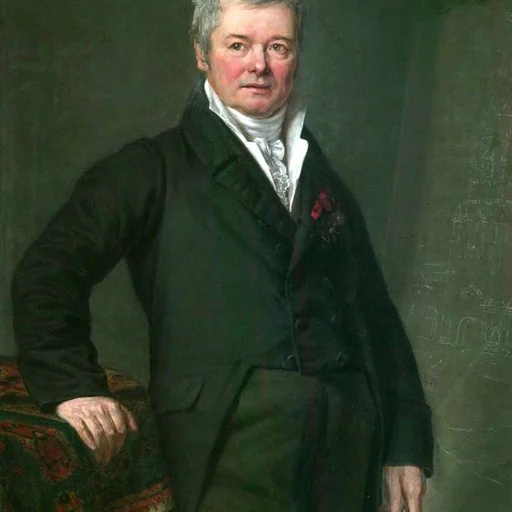
Artist
Fyodor Yakovlevich Alekseyev (Russian: Фёдор Яковлевич Алексеев; c.1753–1755 – 23 November 1824) was a Russian painter. His contemporaries often called him the Russian Canaletto, in recognition of his masterful vedute.

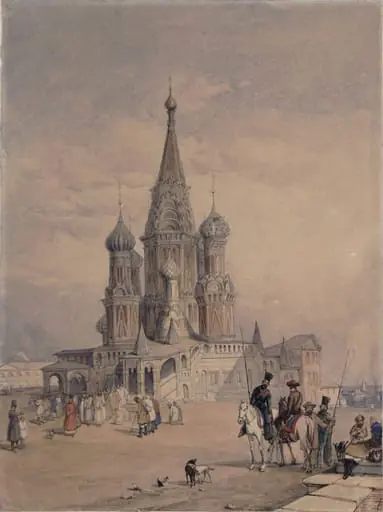 The Cathedral of Vassili Blaggenoi, Moscow
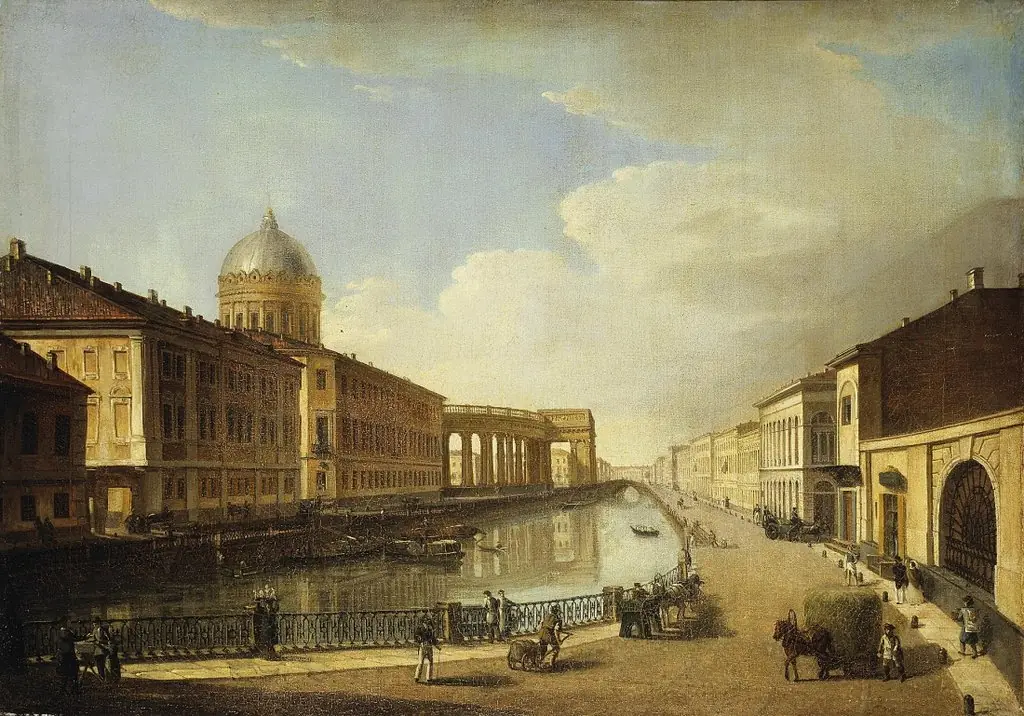 The View of the Cathedral of Our Lady of Kazan from the Rear Facade near Ekaterininsky Canal
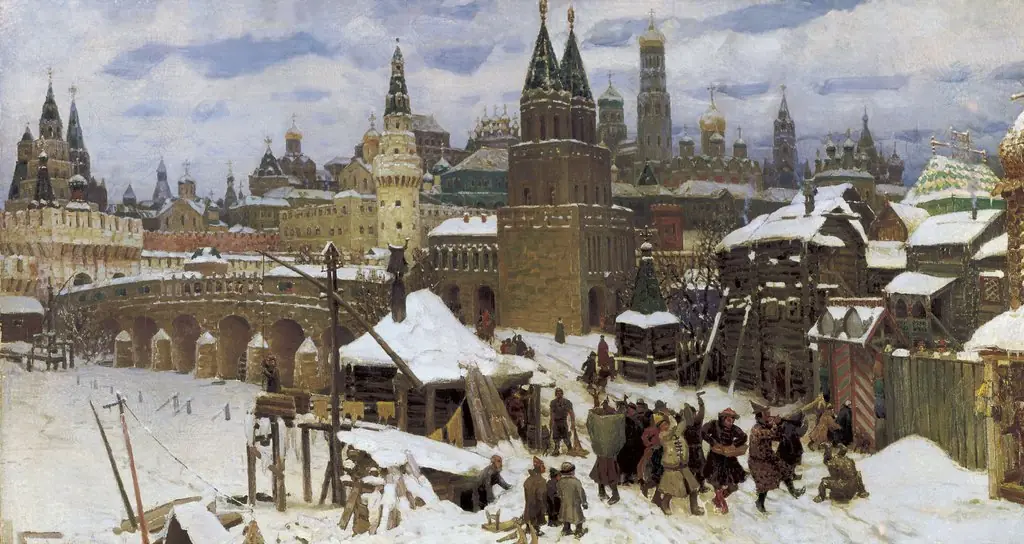 Vsehsvyatsky Kamenny bridge. Moscow at the end of 17th century
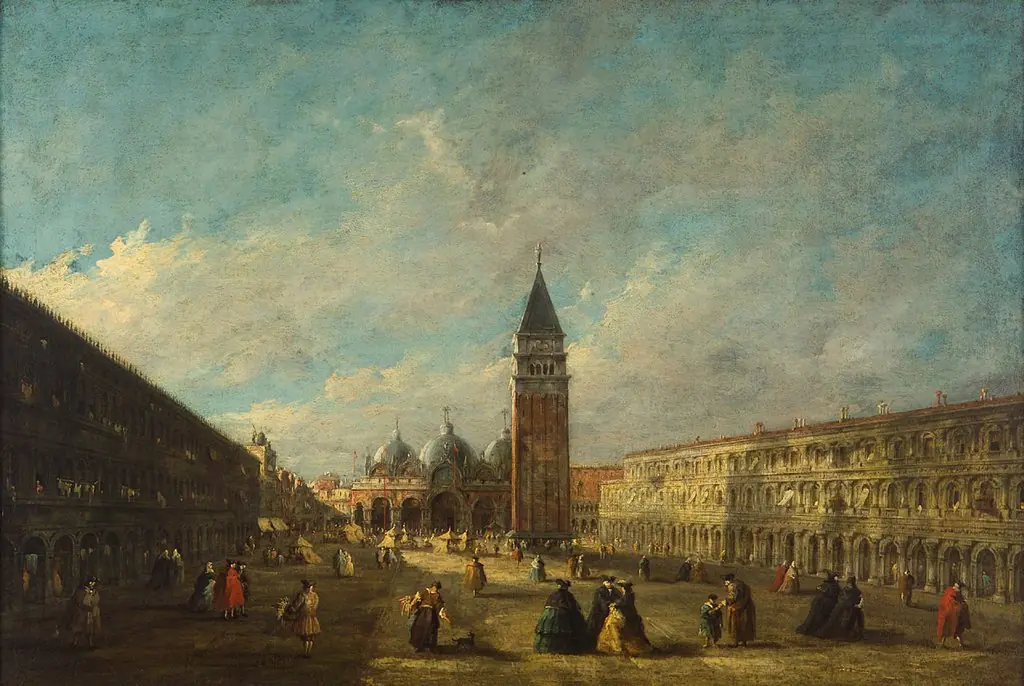 Markusplatz in Venedig
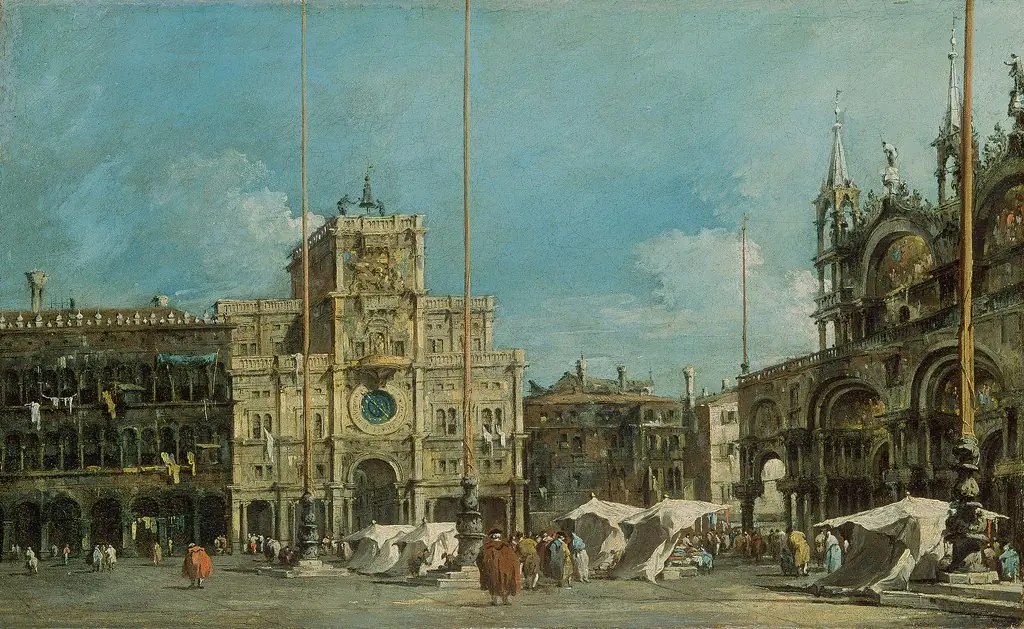 The Torre dell’Orologio in Piazza San Marco
 The Square of Saint Mark's, Venice
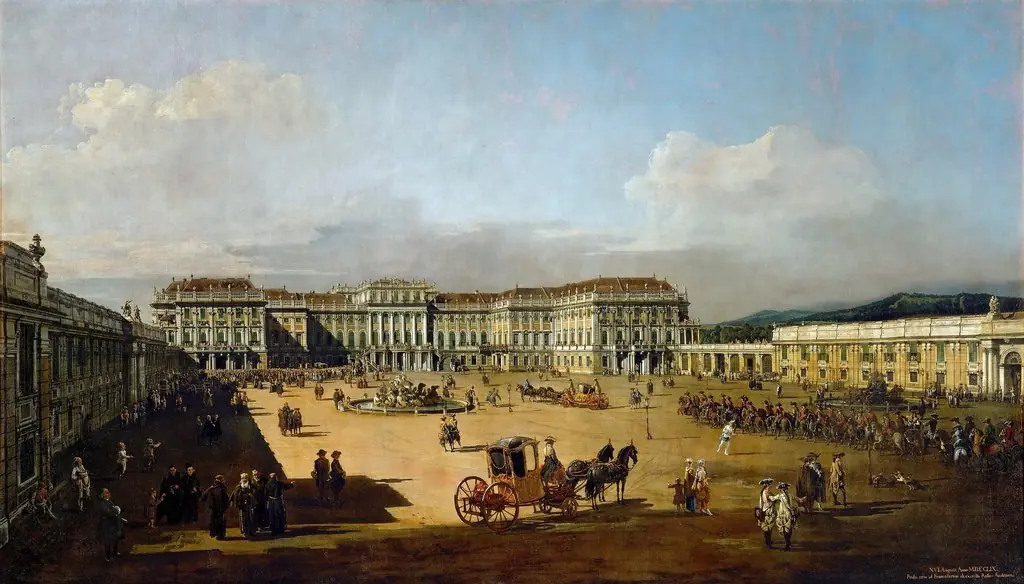 Das kaiserliche Lustschloß Schönbrunn, Ehrenhofseite
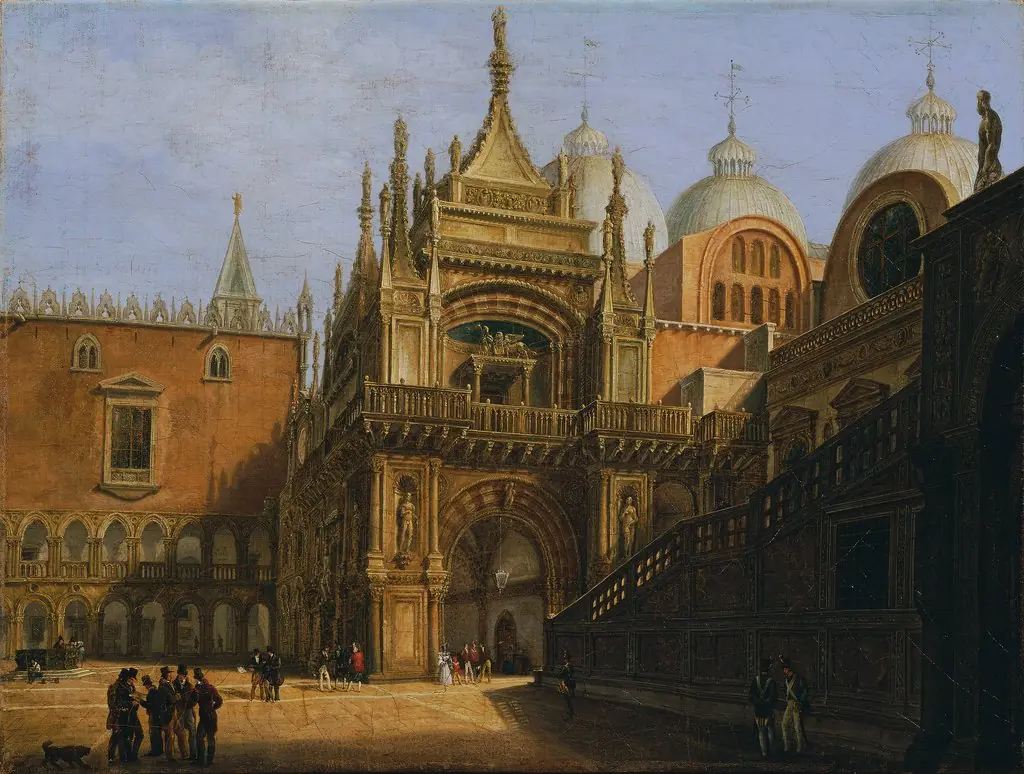 Der Hof des Dogenpalastes
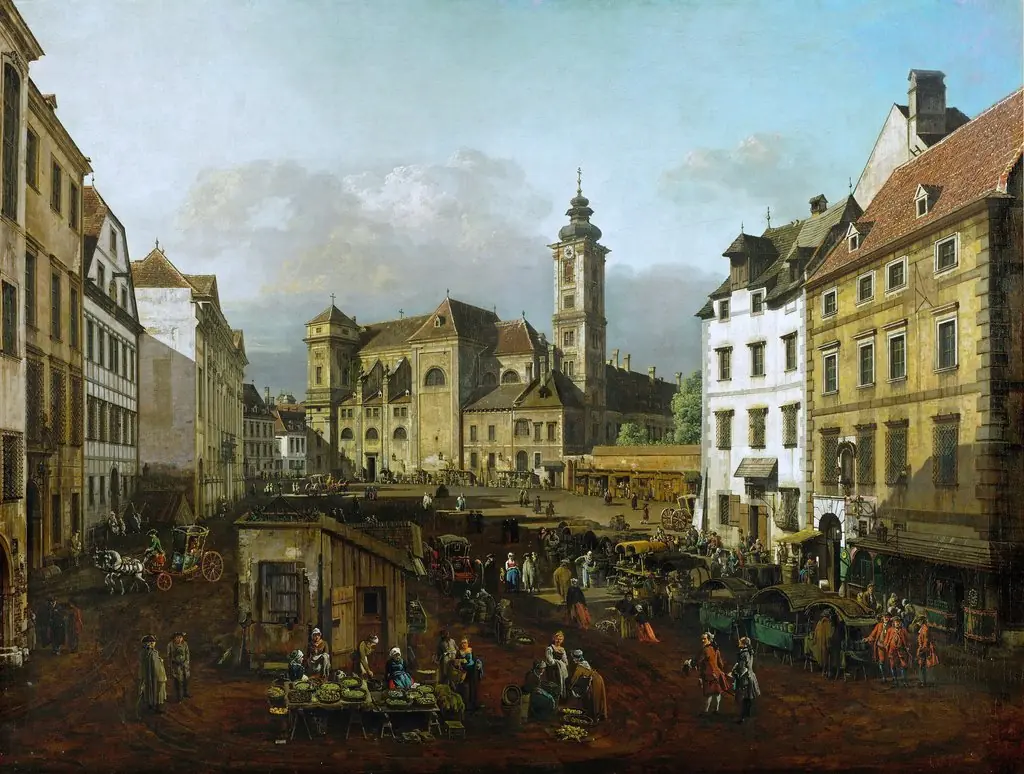 The Freyung in Vienne, from the South-East