Artwork
Luminiș la Celic
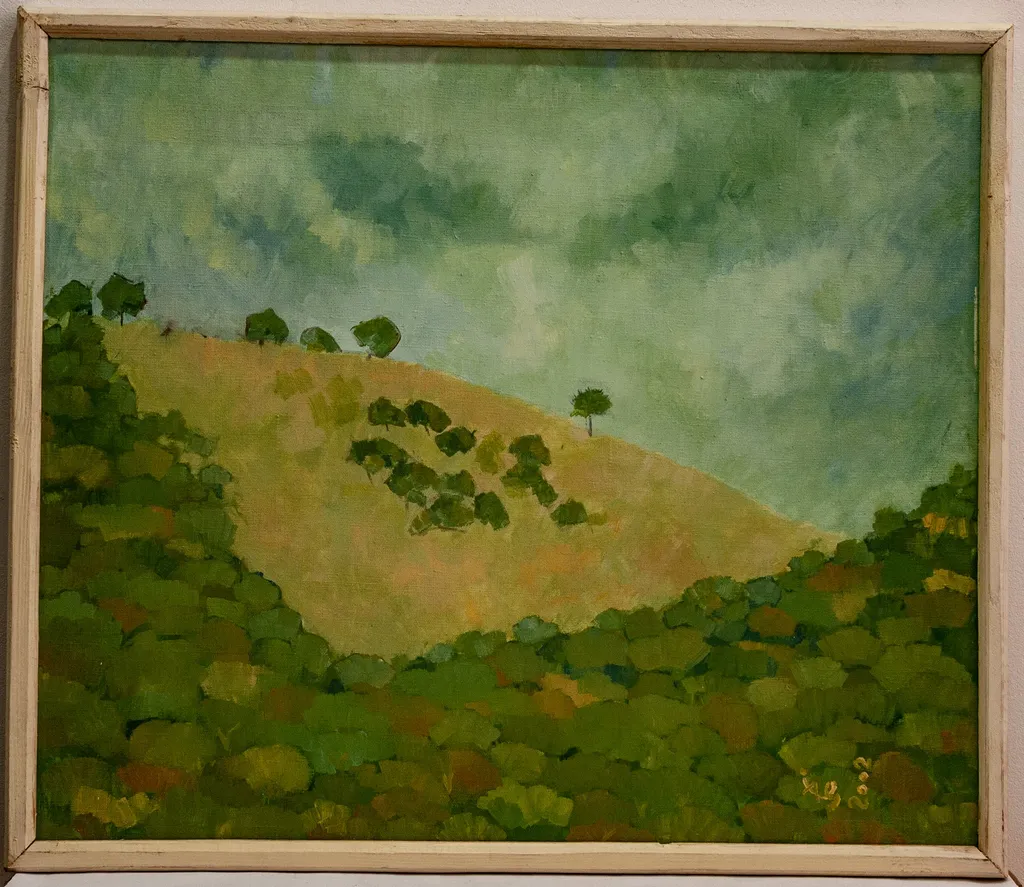
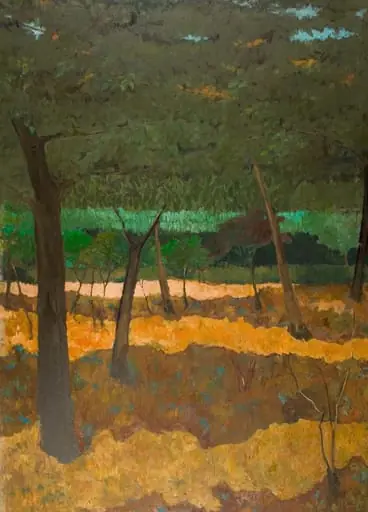
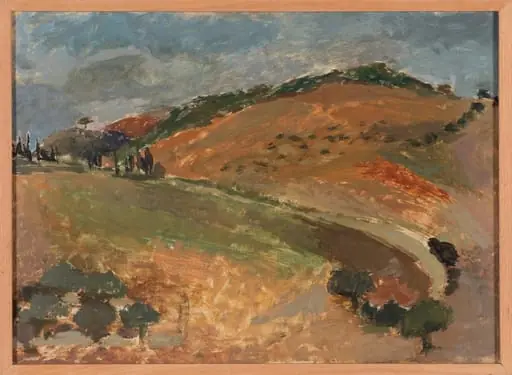
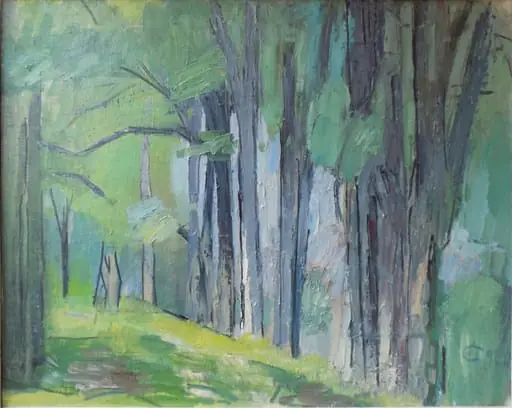
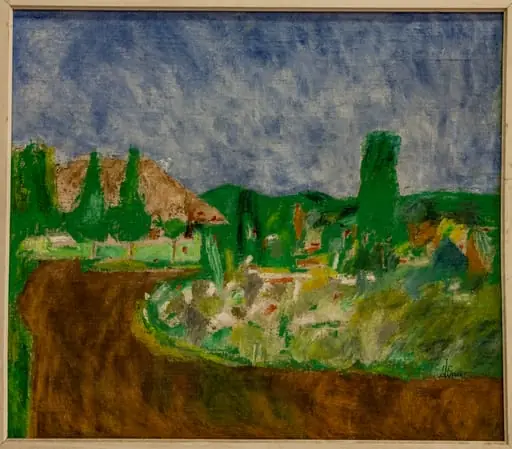
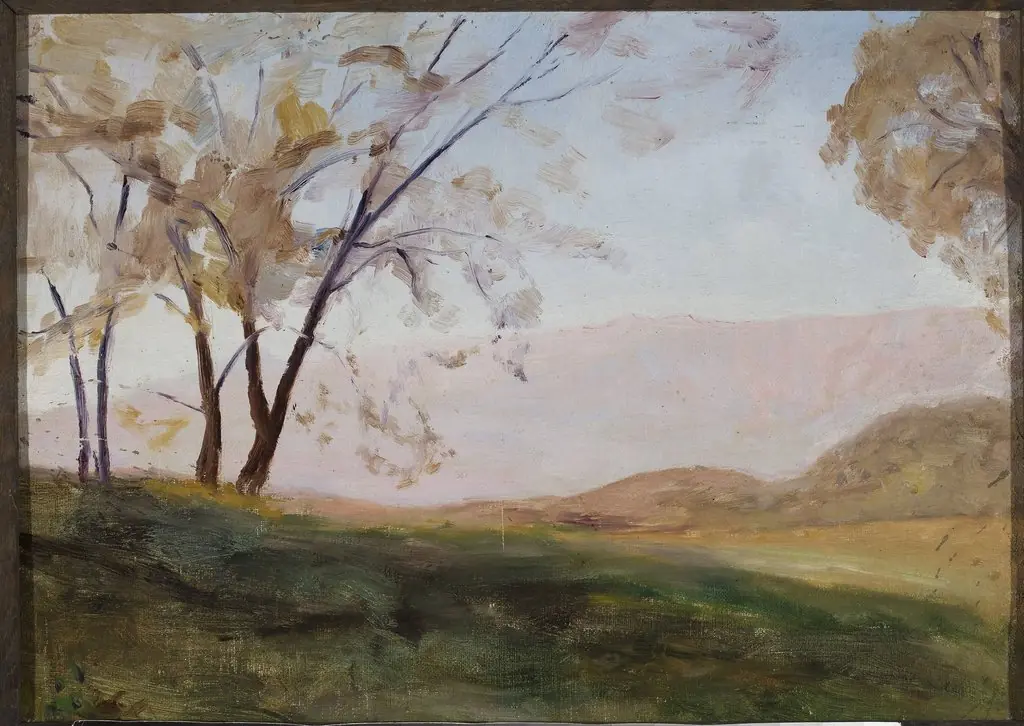
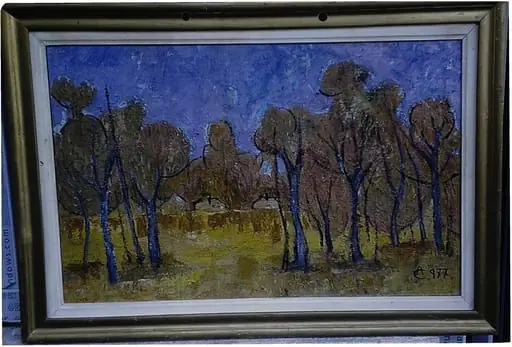
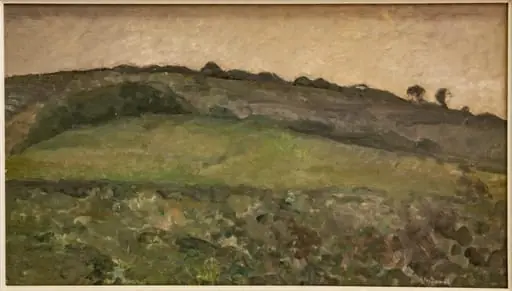
Luminiș la Celic is a print by Aurel Ion Gârjoabă. It is held in the collection of the Gavrila Simion Eco-Museum Research Institute Tulcea. This landscape painting depicts a quiet rural scene with a gently sloping hill, scattered trees, and a cloudy sky.
About this work
Overview
This landscape painting depicts a quiet rural scene with a gently sloping hill, scattered trees, and a cloudy sky. The composition emphasizes natural forms through layered greens and earth tones, creating a subdued, atmospheric mood. Visible brushwork contributes to a tactile surface, suggesting the artist’s direct engagement with the motif rather than idealized rendering.
Subject & Meaning
The subject is an unadorned stretch of countryside, devoid of human figures or architectural elements. The focus on vegetation and sky implies an interest in the quiet rhythms of nature. The absence of dramatic action or symbolic elements suggests a contemplative observation rather than narrative intent.
Technique & Style
The painting employs visible, textured brushstrokes to model forms and suggest depth. A restrained palette dominated by green hues unifies the scene, while variations in tone distinguish foreground from background. The sky’s greenish-blue tint and soft cloud forms indicate a departure from conventional atmospheric rendering, favoring tonal harmony over realism.
History & Provenance
No documented history or ownership record is available for this work. Its classification as an image without a known artist or date limits tracing its origin. It may be a study, a lesser-known piece, or a work from a regional tradition not widely recorded in art historical archives.
Context
The use of visible brushwork and naturalistic color aligns with late 19th- to early 20th-century tendencies in landscape painting that valued direct observation over academic polish. Similar approaches appear in regional European traditions where artists sought to capture local terrain with sensitivity to light and texture, often outside major artistic centers.
Legacy
While not attributed to a major figure, the painting reflects broader trends in modern landscape practice that prioritized sensory experience over idealization. Its emphasis on texture and tonal nuance resonates with artists who valued the materiality of paint and the quiet dignity of ordinary scenery.
Artist & collection
Artist
Aurel Ion Gârjoabă carved quiet woods into prints that glow like sunlight through leaves.
Museum
Gavrila Simion Eco-Museum Research Institute Tulcea
Continue through works from the same source collection.