Artwork
Florero
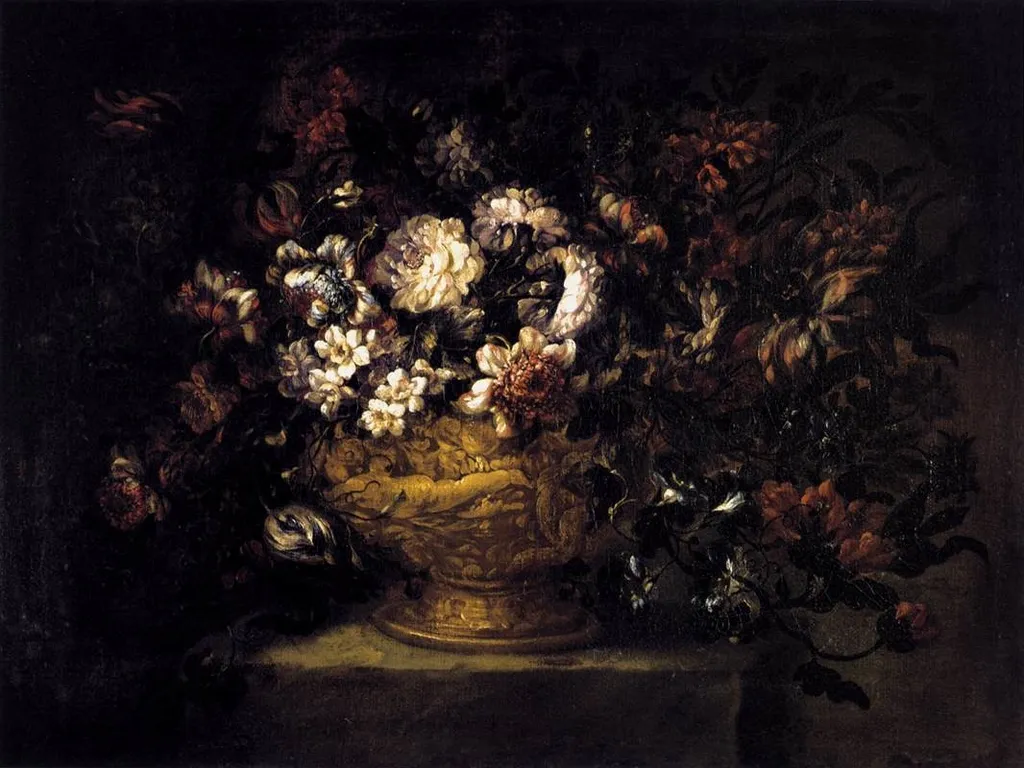
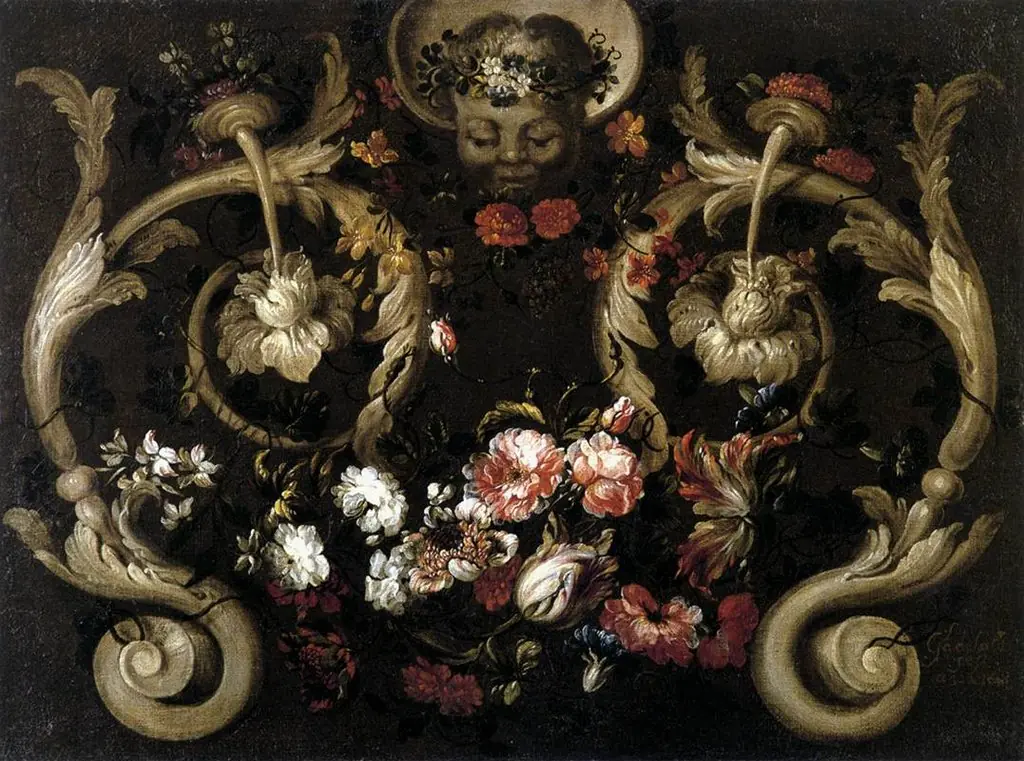
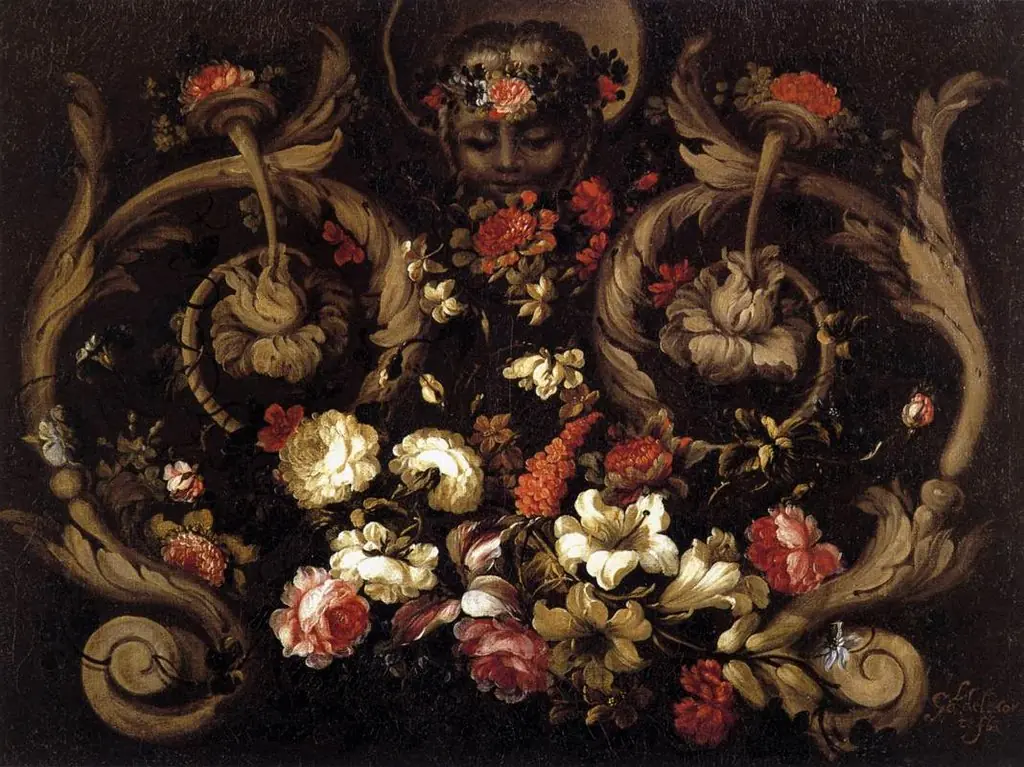
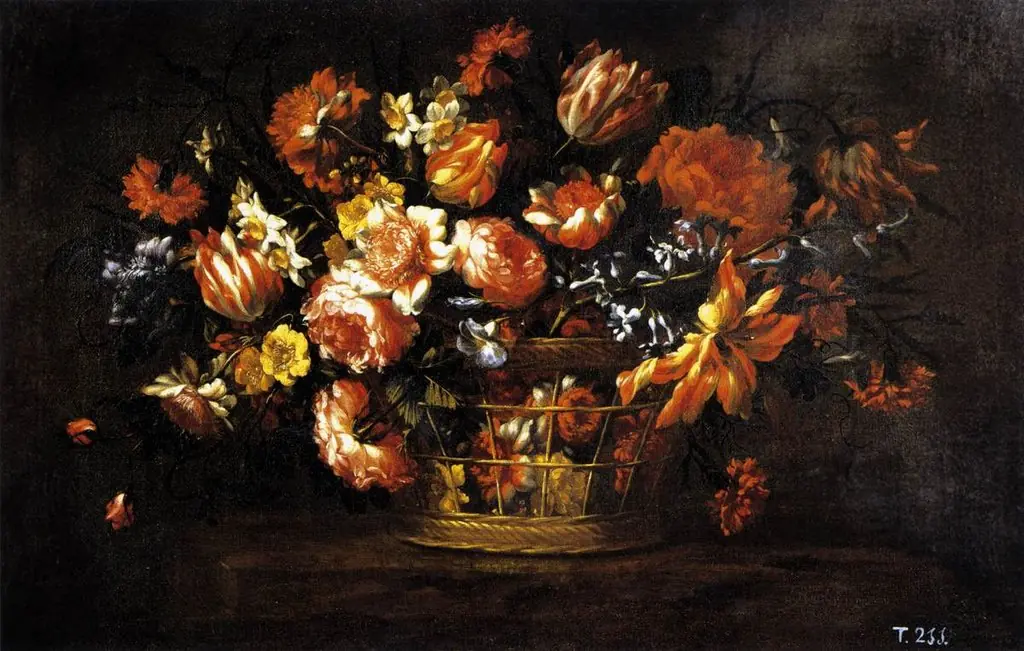
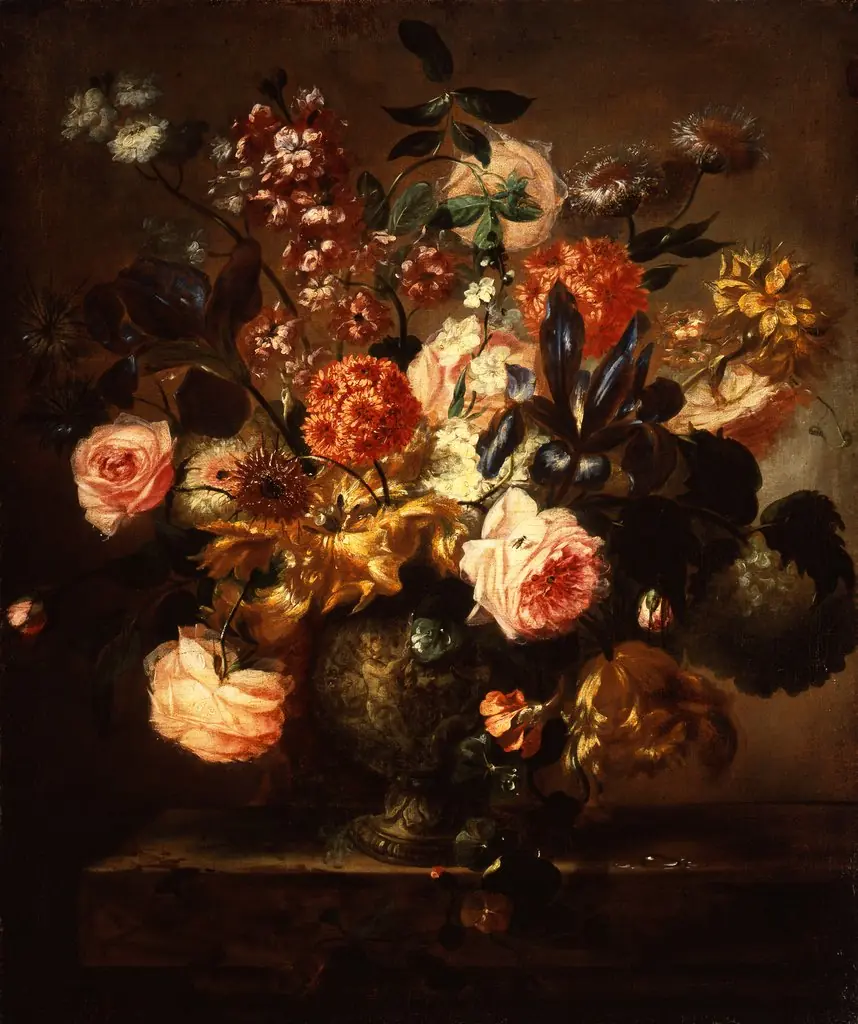
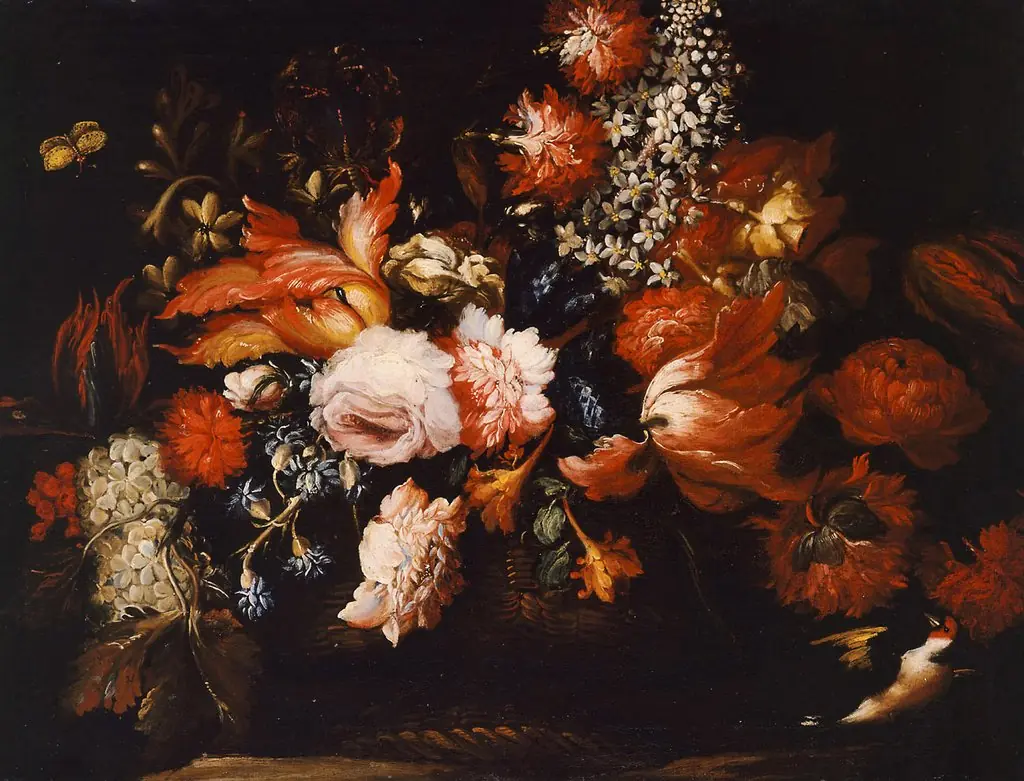
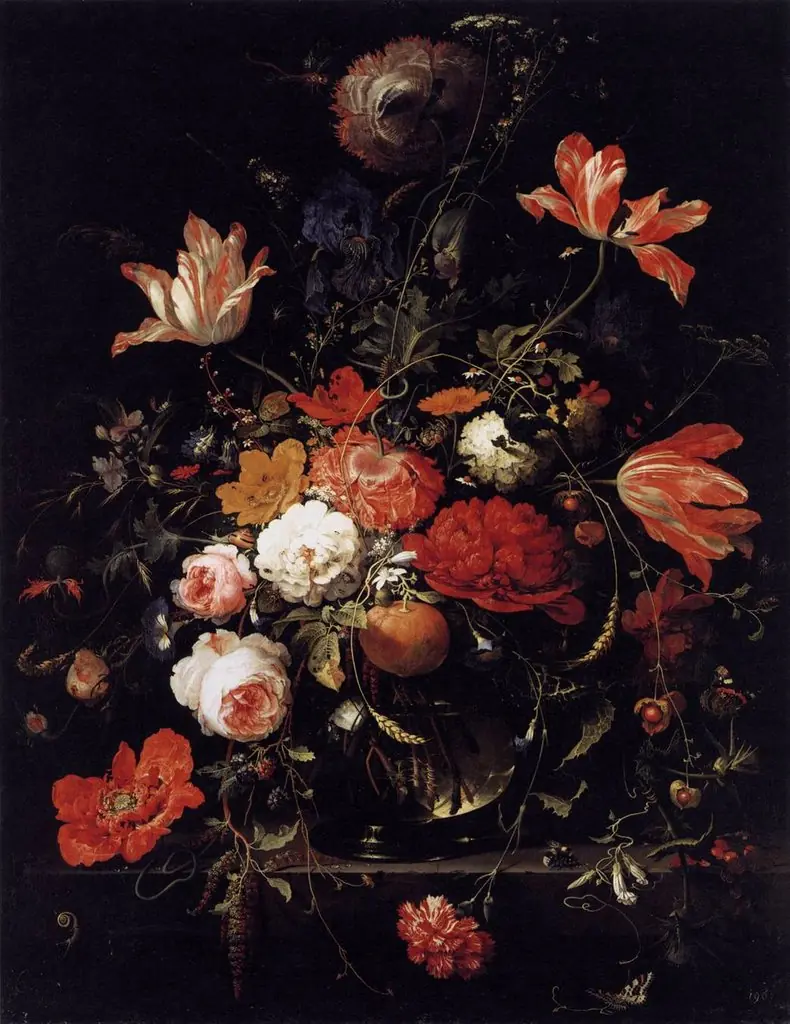
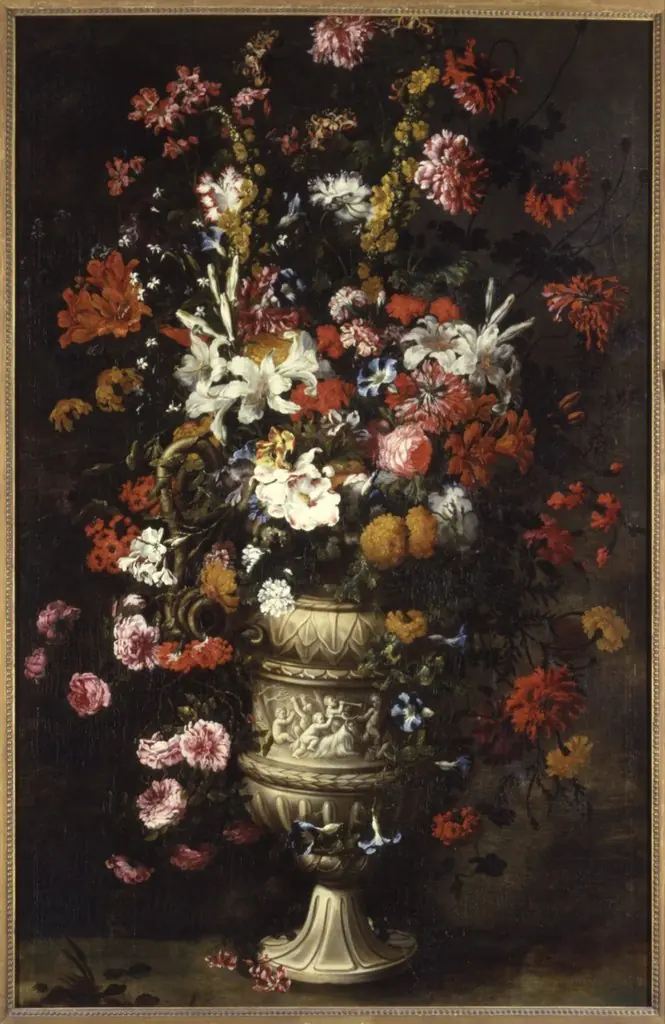
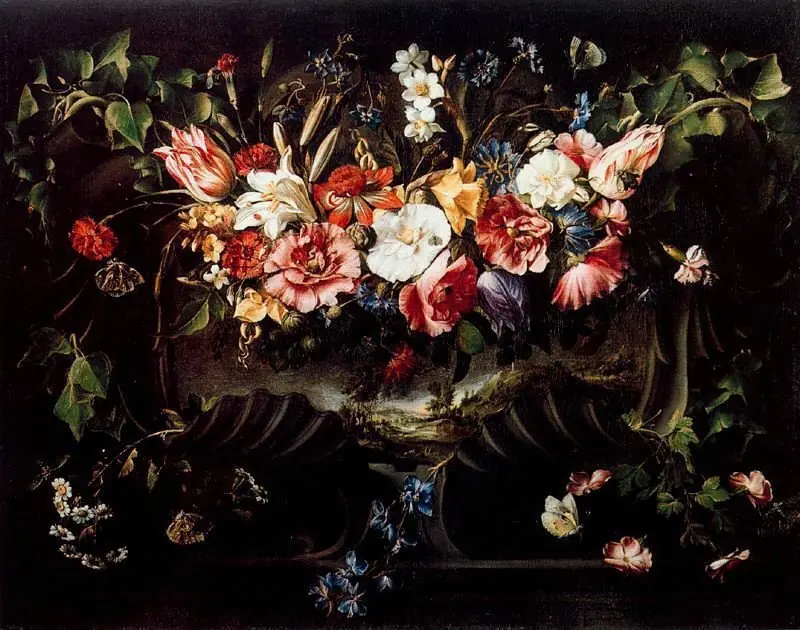
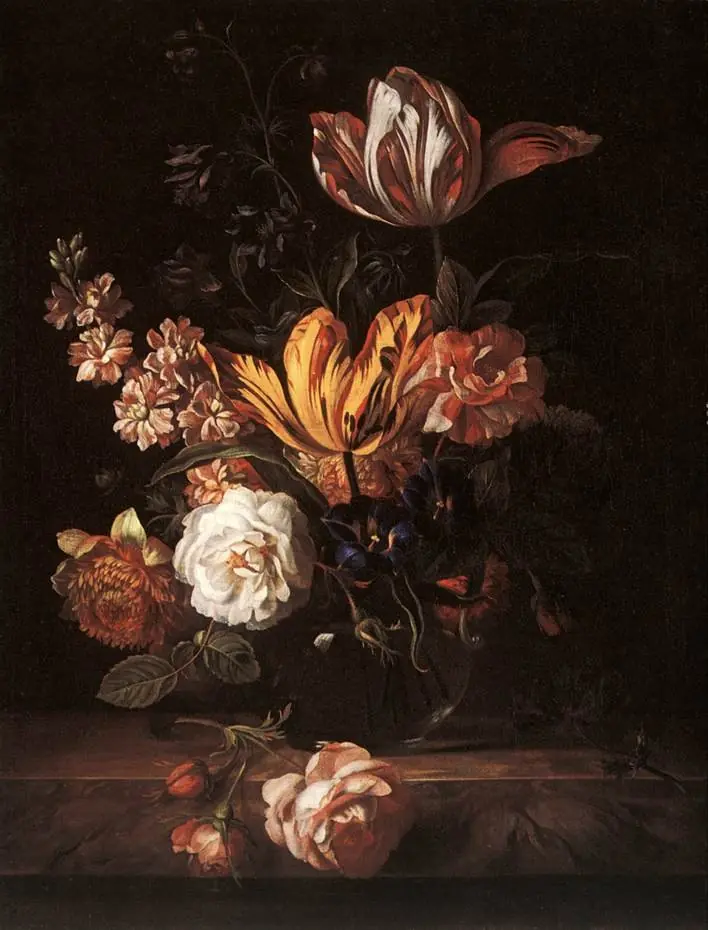
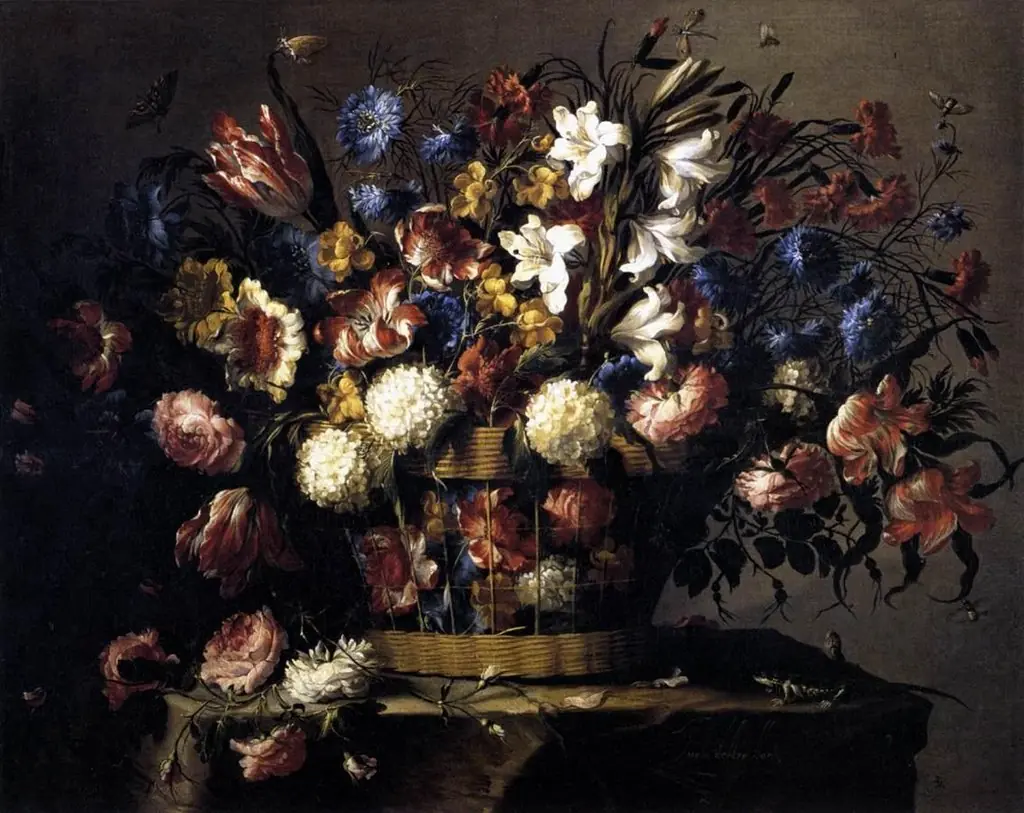
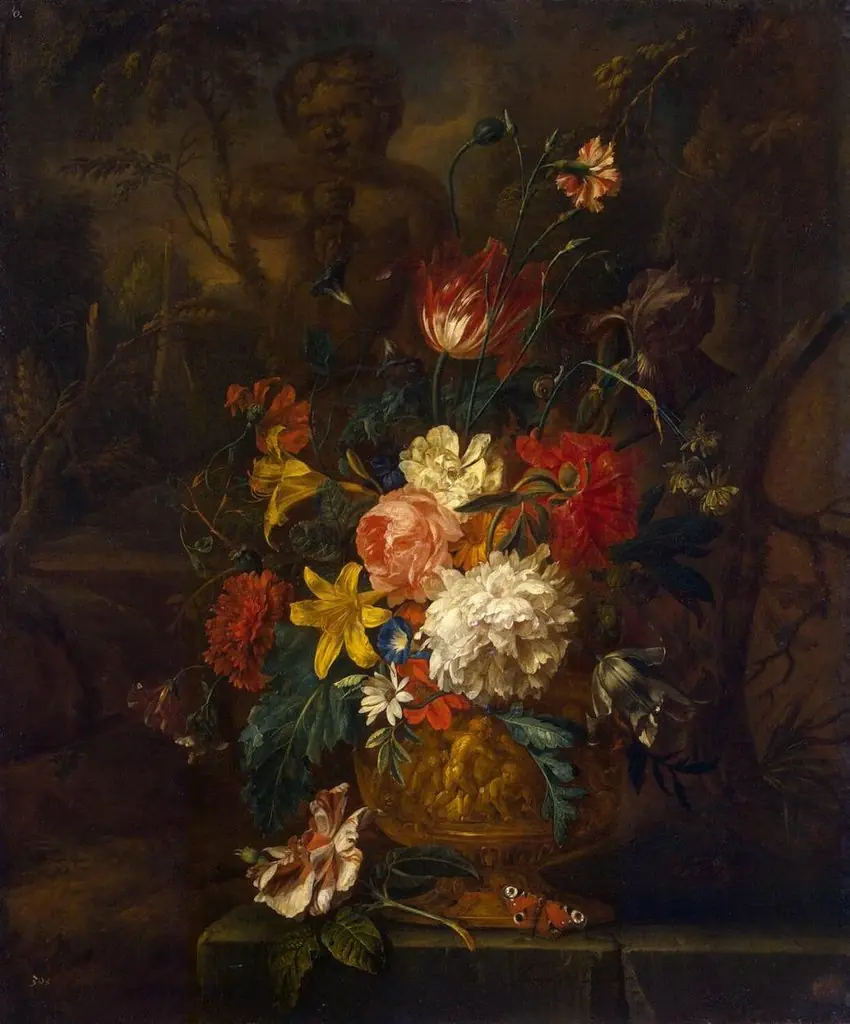
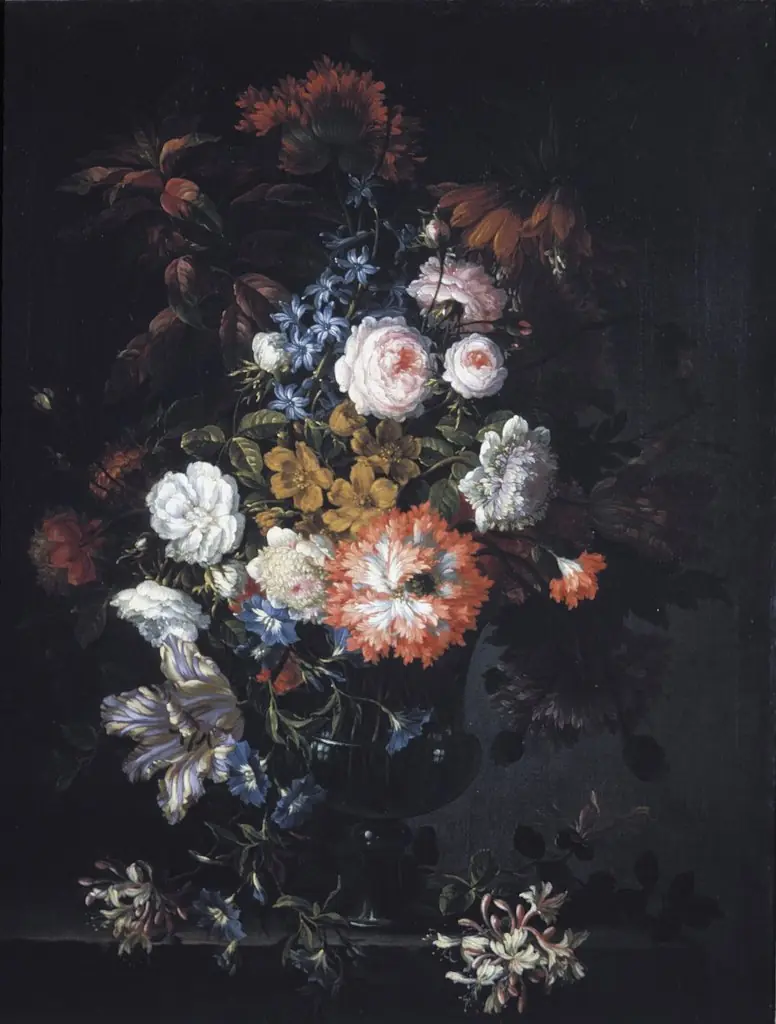
Florero is an oil painting by the Early Baroque Italian artist Gabriel de la Corte. It dates from 1670 and is held in the collection of the Museo del Prado.
About this work
Overview
The work is now part of the Museo del Prado’s collection, where it stands as a quiet example of 17th-century Spanish still life painting.
Painted around 1670 by the Spanish artist Gabriel de la Corte, *Florero* is an oil-on-canvas still life that reflects the influence of Italian Baroque traditions. Though lacking formal artistic training, de la Corte produced numerous floral compositions to support himself financially. The work is now part of the Museo del Prado’s collection, where it stands as a quiet example of 17th-century Spanish still life painting.
Subject & Meaning
The painting presents a single ceramic vase resting on a ledge, filled with a mix of fresh and decaying blooms. White and brown petals, some curled and limp, contrast with a few lingering green leaves. The arrangement suggests the passage of time, evoking themes of transience without overt symbolism. The vase, gilded and ornate, anchors the composition as both object and metaphor.
Technique & Style
De la Corte employed subtle chiaroscuro to model the vase’s curved surface, enhancing its metallic sheen and intricate patterns. Petals are rendered with soft, delicate brushwork, capturing their fragility through nuanced gradations of tone. The dark, unbroken background isolates the still life, directing focus to texture and light. The technique is precise but unshowy, prioritizing observation over theatricality.
History & Provenance
Created during a period of economic strain, *Florero* was likely made for modest markets, sold at low prices to sustain the artist. Its survival and eventual acquisition by the Museo del Prado reflect later recognition of its quiet craftsmanship. No early documentation of its ownership exists, but its inclusion in the museum’s collection dates to the 19th century, following broader efforts to preserve Spanish Baroque works.
Context
While Italian still lifes of the era often emphasized abundance and luxury, de la Corte’s approach was more restrained, reflecting Spanish sensibilities toward austerity and contemplation. His work emerged outside academic circles, placing him among self-taught painters who adapted foreign styles to local tastes. *Florero* aligns with a broader trend of domestic, intimate still lifes in 17th-century Spain.
Legacy
Though little documented in contemporary records, *Florero* endures as a representative example of untrained Spanish Baroque still life painting. Its preservation in a major national museum underscores its value as a witness to the everyday artistic practices of lesser-known creators. The work contributes to understanding how regional traditions absorbed and reinterpreted broader European trends.
Artist & collection
Artist
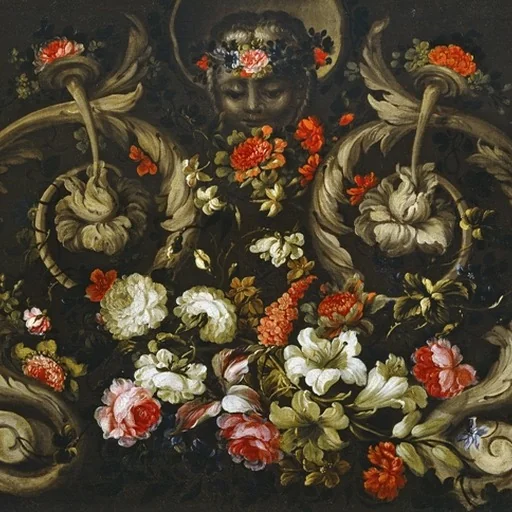
Gabriel de la Corte (1648 – 6 August 1694) was a Spanish painter specializing in the painting of vases, baskets, garlands and signboards, that he had learned to paint without help of any teacher.