Artwork
The Hunter and a Woman
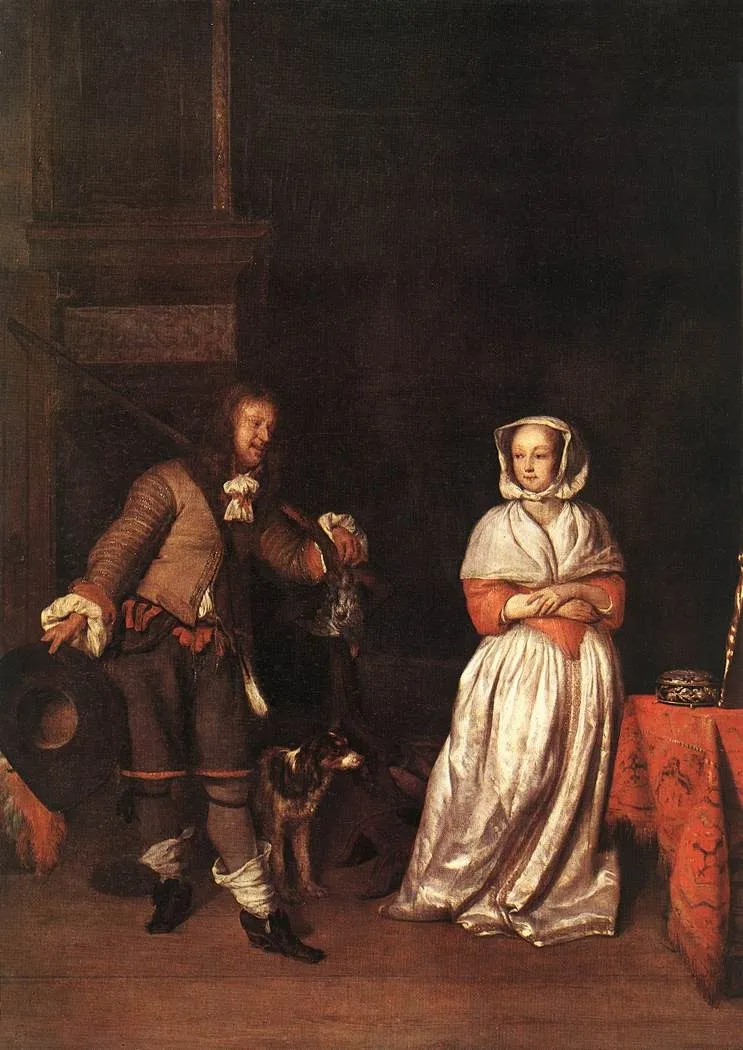
The Hunter and a Woman is an oil painting by the Dutch Golden Age artist Gabriel Metsu. It dates from 1659 and is held in the collection of the Uffizi Gallery.
About this work
Overview
Painted in 1659 by Dutch artist Gabriel Metsu, this oil-on-canvas work captures a quiet moment between two figures in a domestic interior. It belongs to the broader tradition of Dutch Golden Age genre painting, which favored intimate, unidealized scenes of daily life. The composition balances naturalism with subtle narrative tension, avoiding theatricality in favor of restrained interaction.
Subject & Meaning
A man in dark attire, hat in hand, stands beside a woman in a white dress, their proximity suggesting a private exchange.
A man in dark attire, hat in hand, stands beside a woman in a white dress, their proximity suggesting a private exchange. A dog rests at his feet, while a red cloth drapes a nearby table, hinting at domestic order. The scene resists clear storytelling, instead inviting contemplation of unspoken relationships—perhaps a farewell, a pause in routine, or a moment of mutual understanding amid ordinary life.
Technique & Style
Metsu employs soft chiaroscuro to model forms gently, enhancing the tactile presence of fabrics and surfaces. Warm, muted tones unify the interior, while precise brushwork renders textures: the weave of the woman’s dress, the grain of the chair, the fur of the dog. Light filters through a window, casting subtle shadows that deepen spatial depth without disrupting the scene’s calm.
History & Provenance
The painting entered the Uffizi Gallery’s collection in the 19th century, likely through acquisition or donation. While its early ownership is undocumented, its presence in Florence reflects broader European interest in Dutch genre works during the Enlightenment. It has remained in the museum’s permanent holdings since, rarely exhibited outside Italy.
Context
In mid-17th-century Holland, artists like Metsu responded to a growing middle-class audience seeking art that mirrored their lives. Unlike religious or mythological subjects, these scenes celebrated quiet dignity in domestic spaces. Metsu’s versatility—shifting between genre, portraiture, and still life—mirrored the era’s artistic pluralism and market-driven creativity.
Legacy
Though less widely known than Rembrandt or Vermeer, Metsu’s nuanced depictions of interior life influenced later genre painters. His ability to convey emotional subtlety through gesture and light contributed to the enduring appeal of Dutch domestic scenes. This work exemplifies a quiet, enduring strand of 17th-century painting that valued observation over spectacle.
Artist & collection
Artist
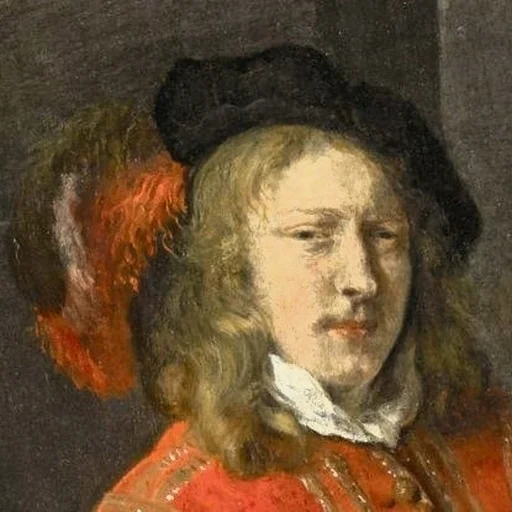
Gabriël Metsu (1629–1667) was a Dutch painter of history paintings, still lifes, portraits, and genre works.

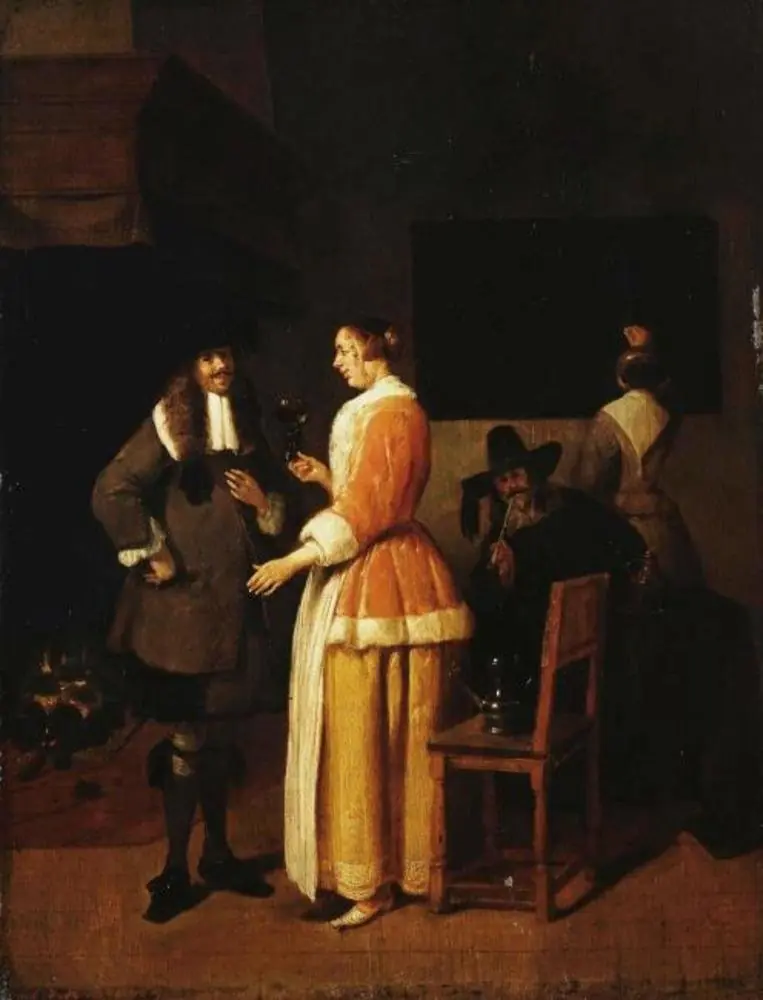 Young Woman Serving Wine to Cavalier
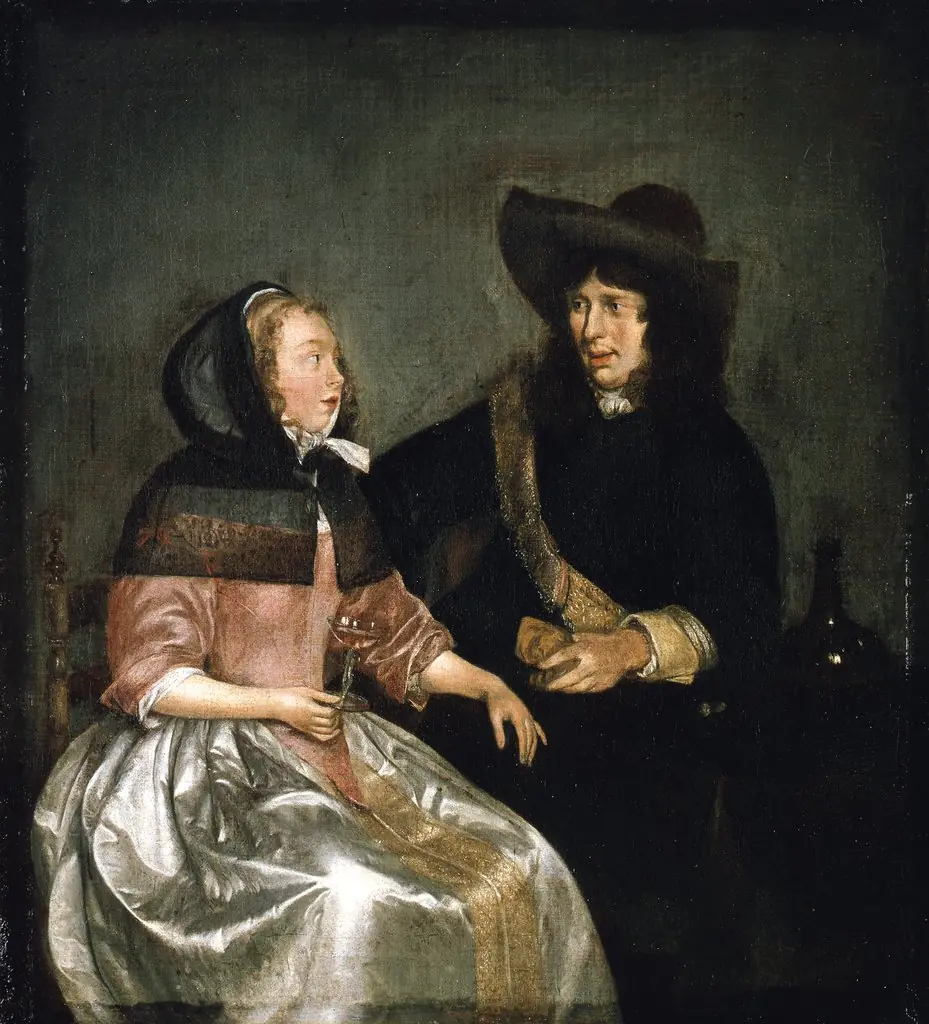 A Couple Drinking
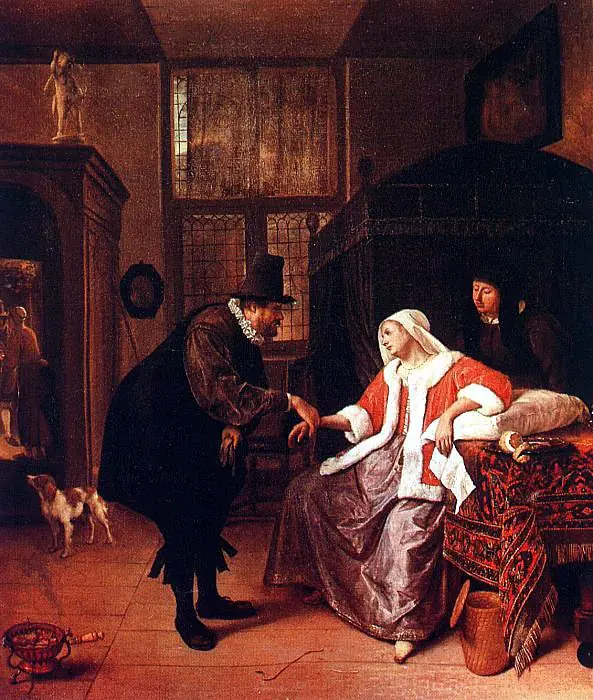 The Doctor's Visit (Alte Pinakothek)
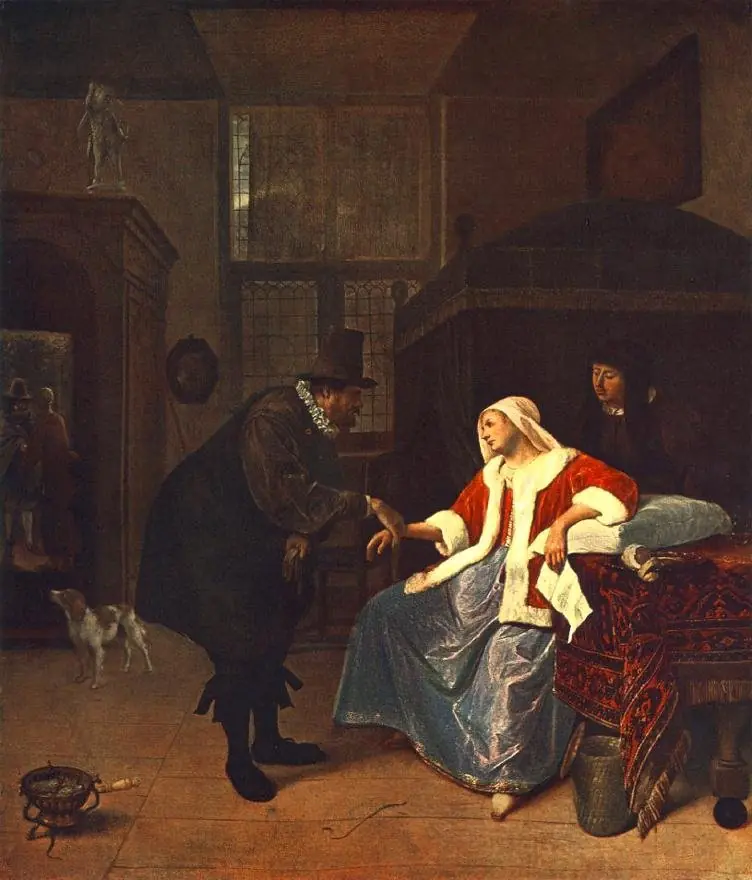 Love Sickness
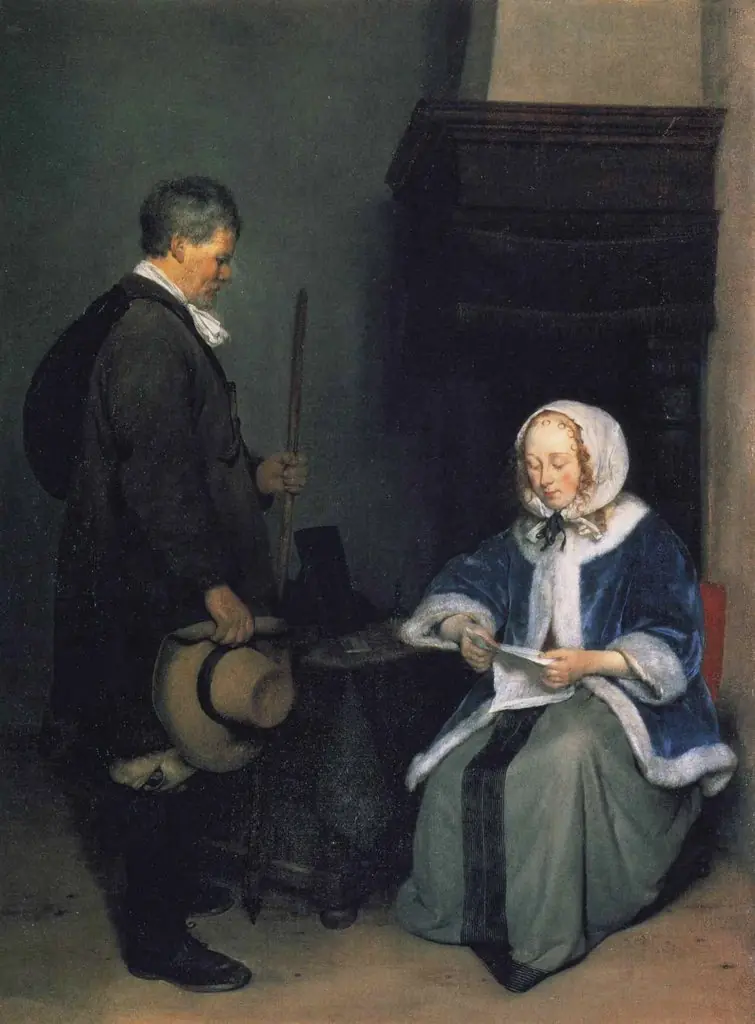 Sitting Lady Reading a Letter with a man
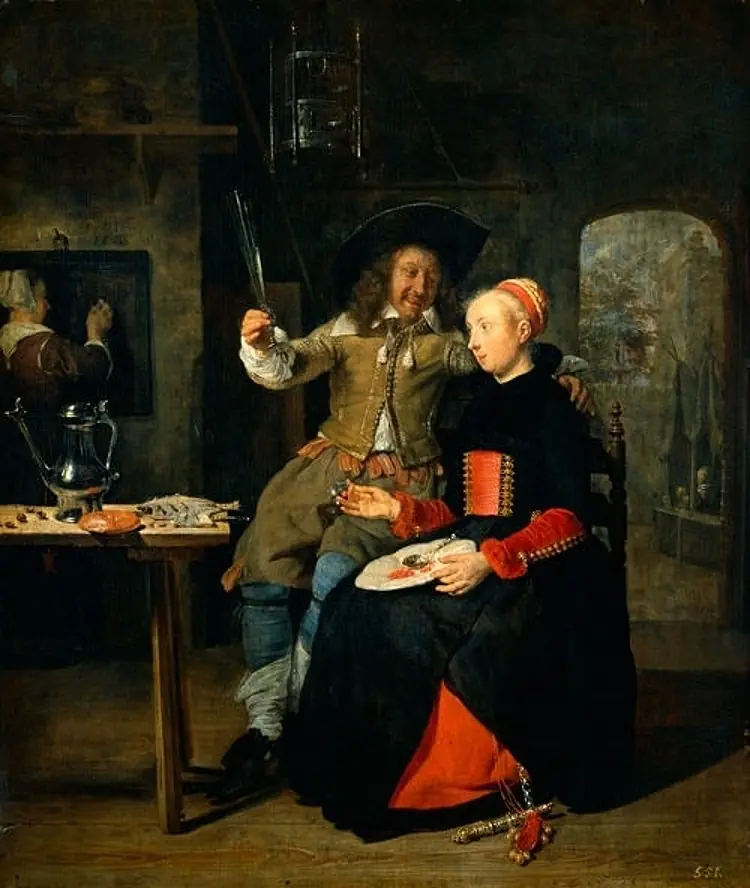 Self-portrait of the artist with his wife Isabella de Wolff in the inn
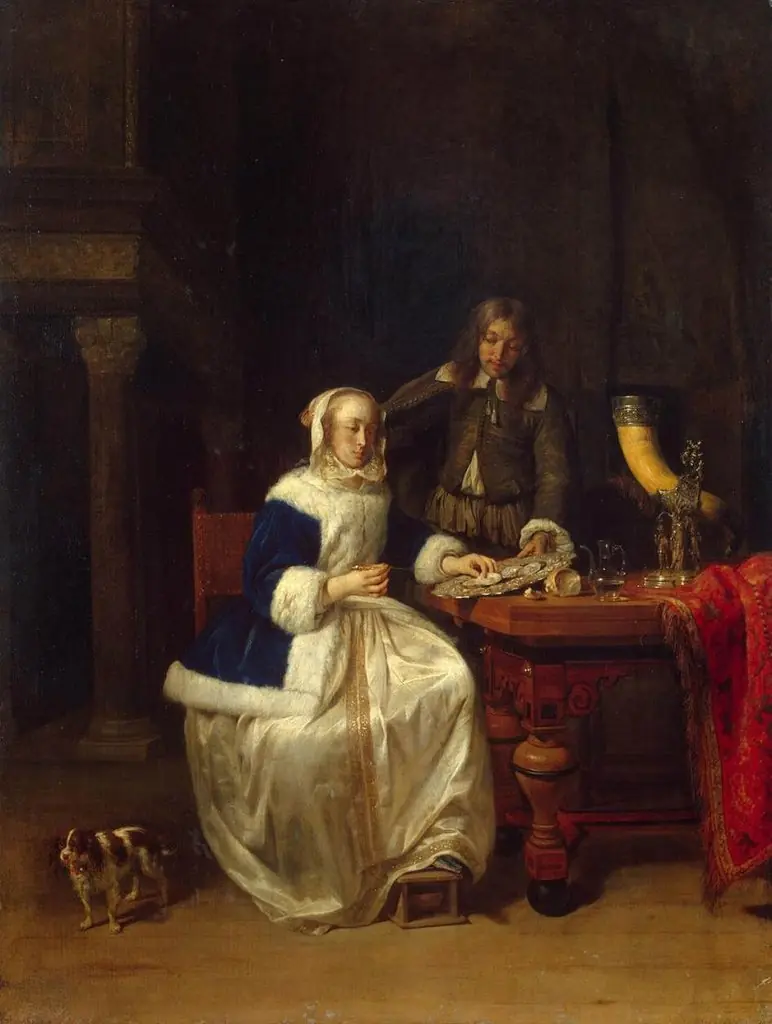 Breakfast
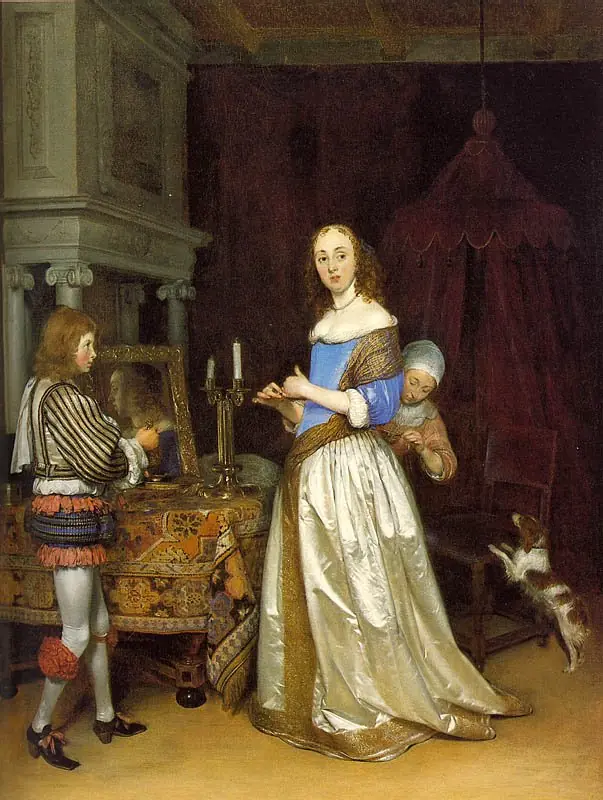 A Lady at Her Toilet
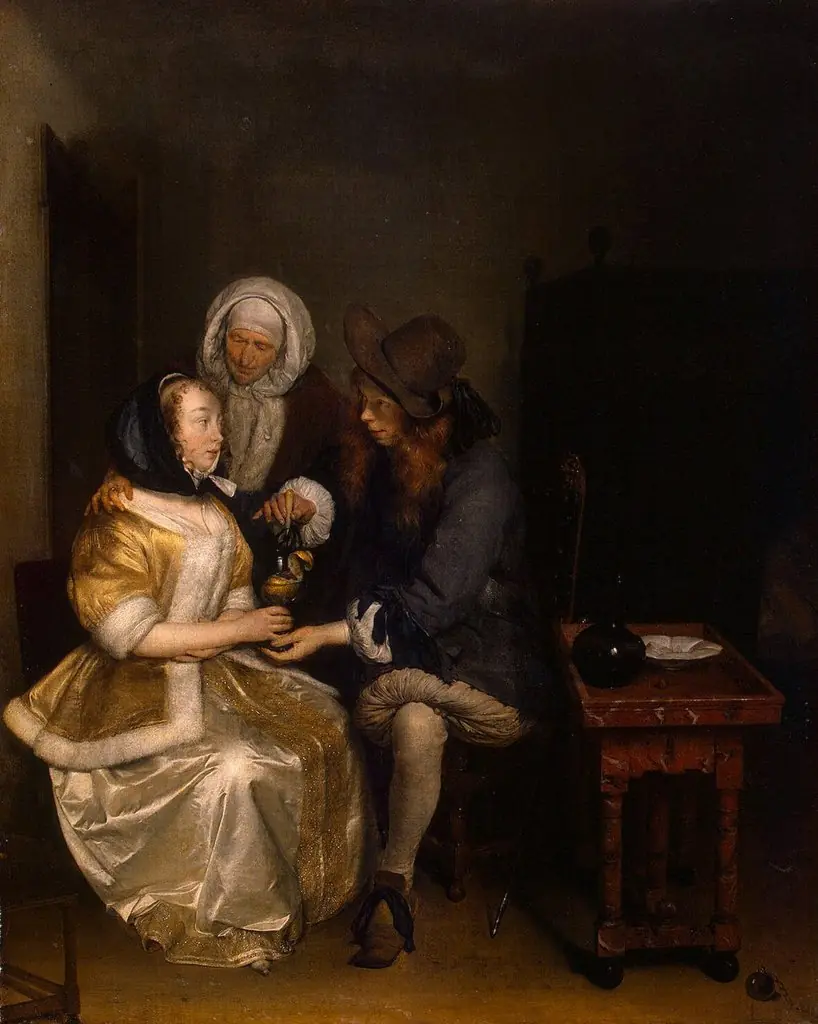 Glass of Lemonade
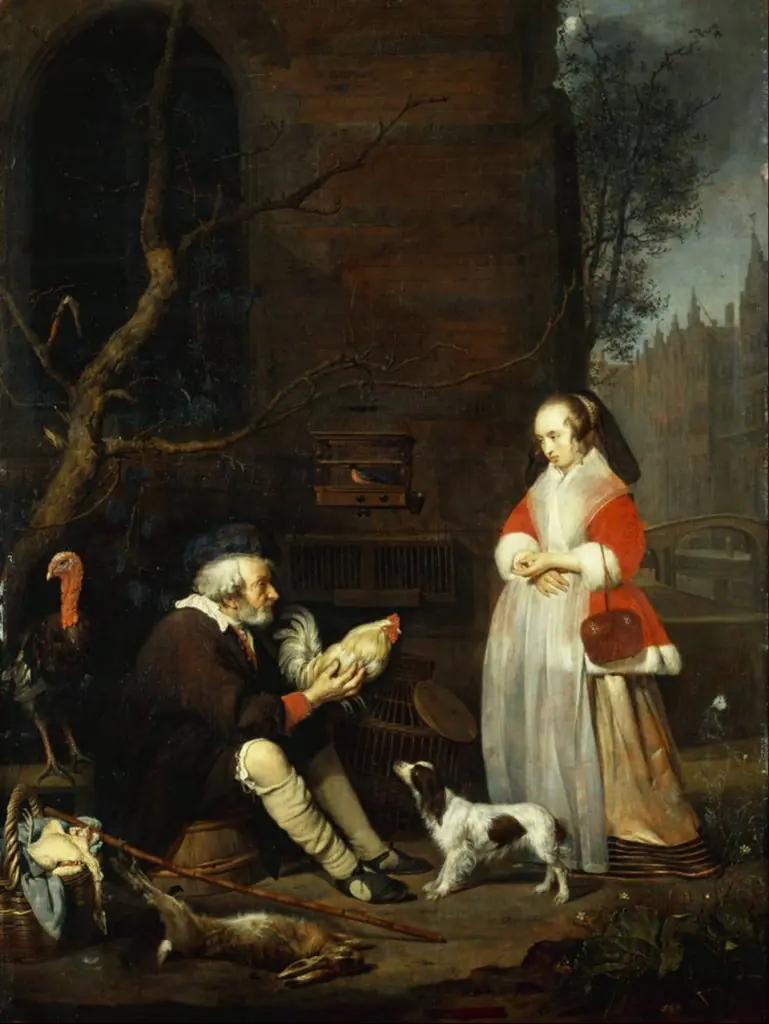 The Poultry Seller
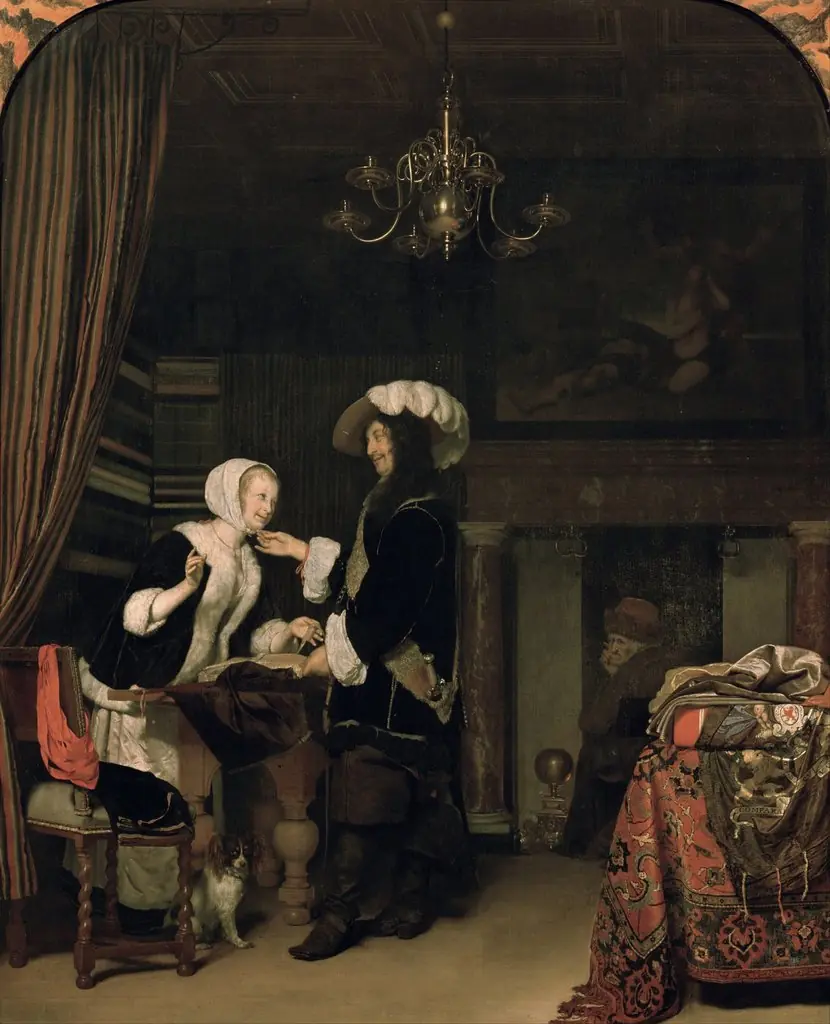 Officer in a Cloth Shop
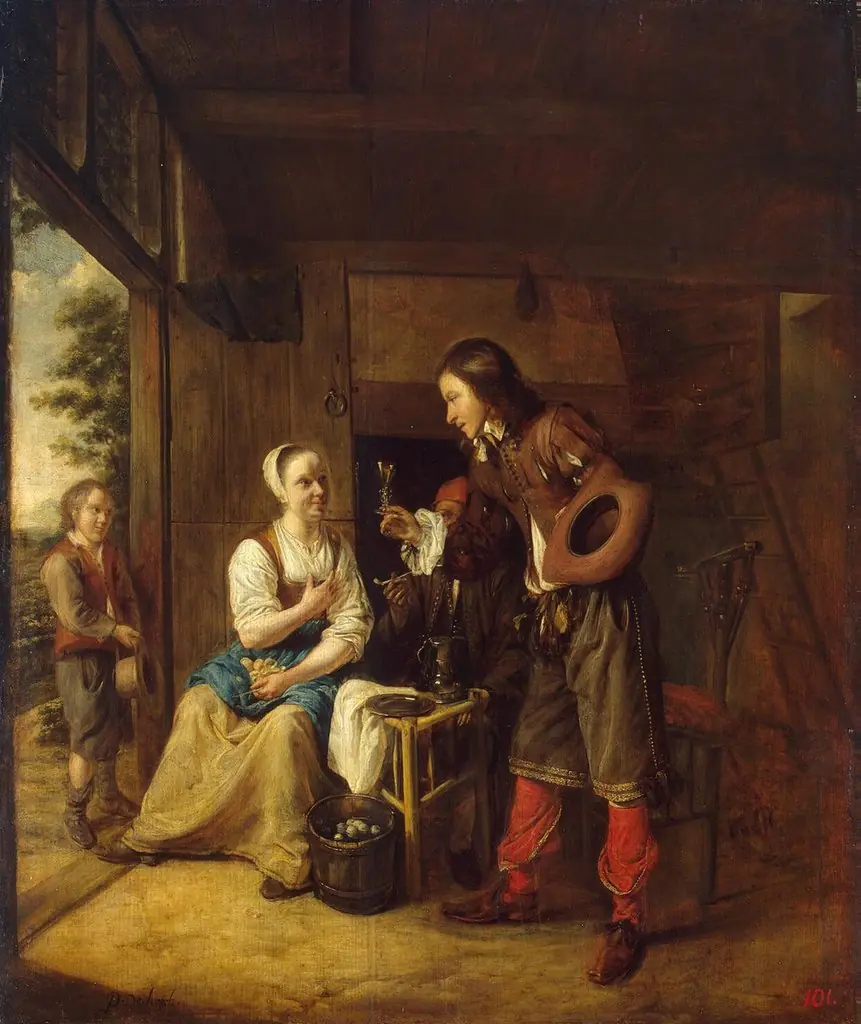 Soldier Offering a Woman a Glass of Wine