Artwork
Narcissus
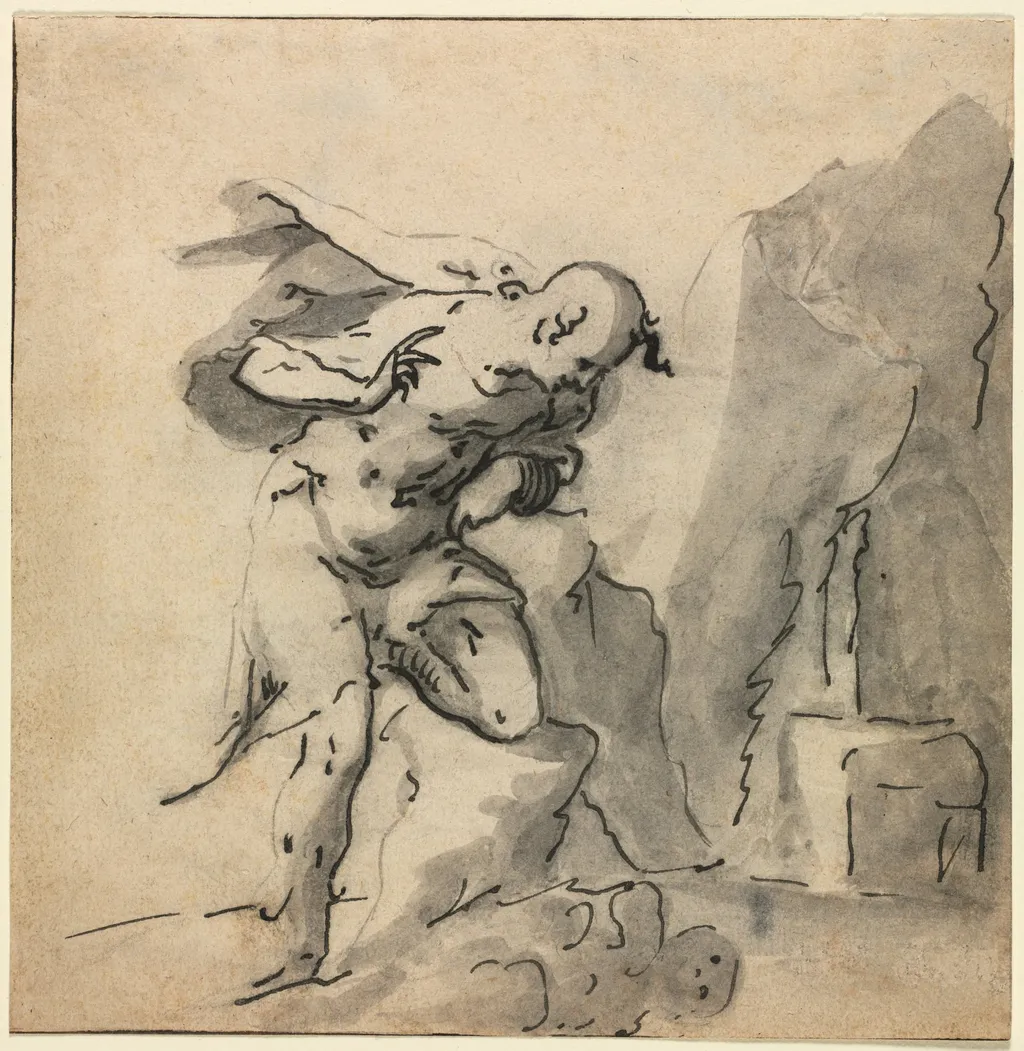
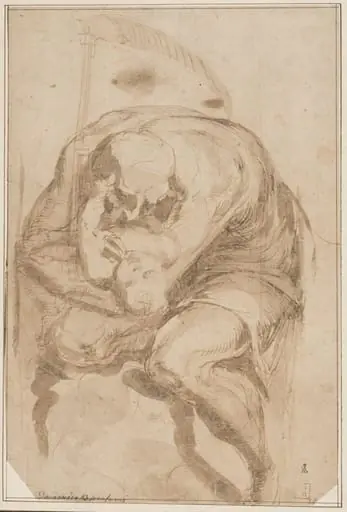
Narcissus is a drawing by the Renaissance artist Gabriel Weyer. It dates from 1604 and is held in the collection of the Cleveland Museum of Art.
About this work
Overview
Narcissus is a drawing by Gabriel Weyer, dated circa 1604, currently in the collection of The Cleveland Museum of Art.
Subject & Meaning
The work depicts a solitary figure leaning over a water pool, entranced by its own reflection, illustrating the mythological theme of self-absorption associated with Narcissus.
Technique & Style
Executed in dark ink on a light background, the sketch features loose, rapid lines, with expressive, rough strokes for the figure's hair and clothing, and a minimally defined water surface.
History & Provenance
Created around 1604 by Gabriel Weyer, the drawing's ownership history prior to its acquisition by The Cleveland Museum of Art is not detailed here.
Context
The piece aligns with artistic explorations of mythological subjects during the early 17th century, focusing on conveying emotional states through simplified yet expressive forms.
Legacy
As a relatively understated work in terms of detail, Narcissus demonstrates an early emphasis on capturing psychological depth over meticulous realism, influencing subsequent artistic approaches to figure studies.
Artist & collection

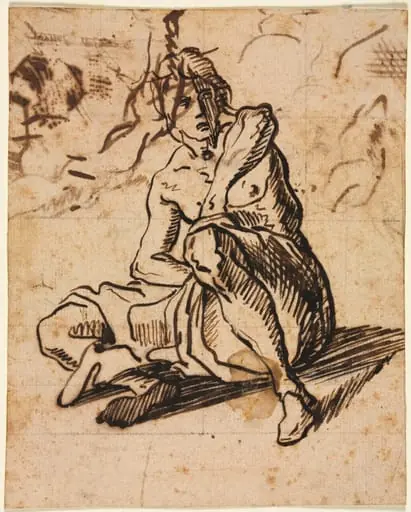 Seated Figure
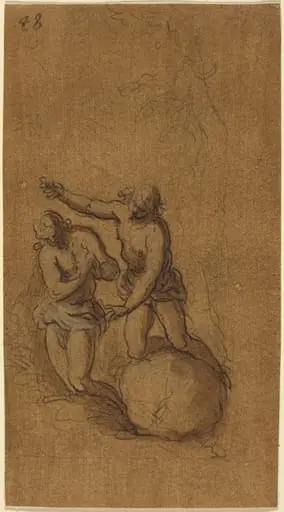 The Baptism of Christ
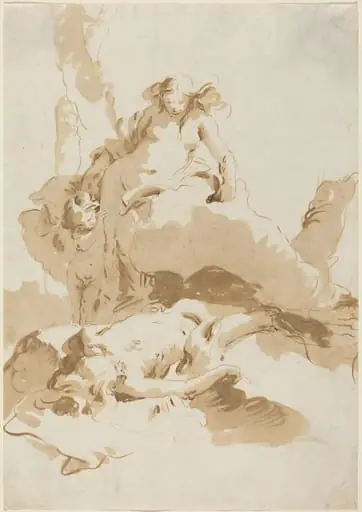 Venus and Cupid Discovering the Body of Adonis
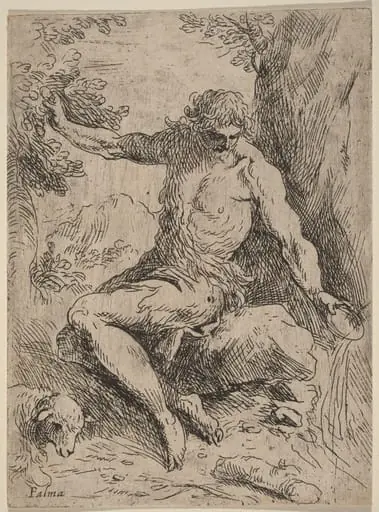 Saint John the Baptist
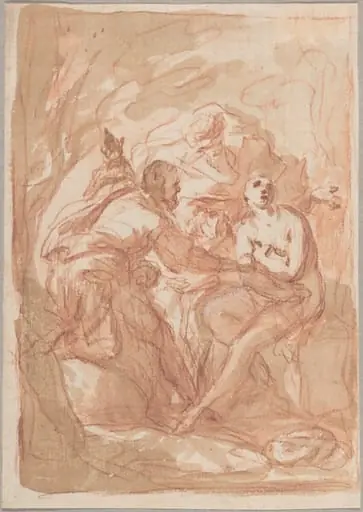 Susanna and the Elders
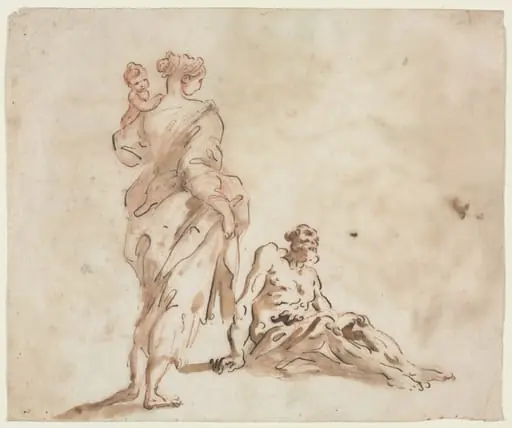 A Standing Woman Holding a Child, a Seated Male at her Feet
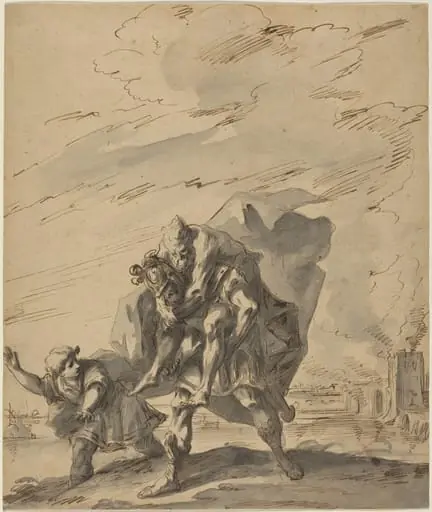 Aeneas Carrying Anchises from Burning Troy
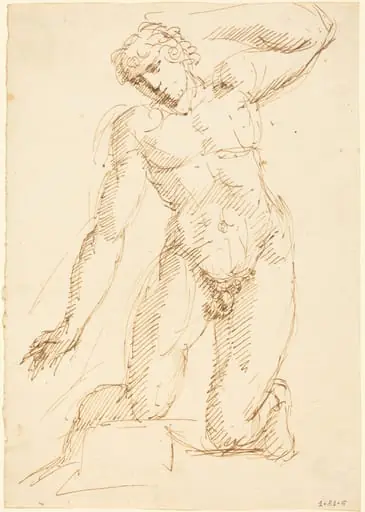 A Male Nude Kneeling
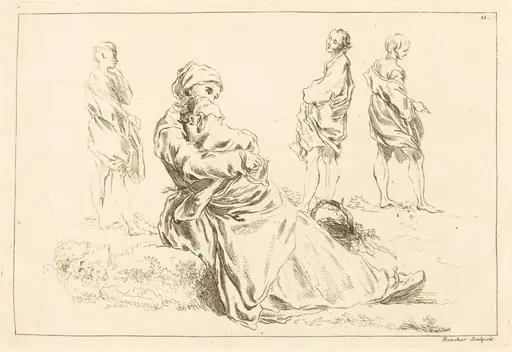 Figure Studies including Seated Mother and Child
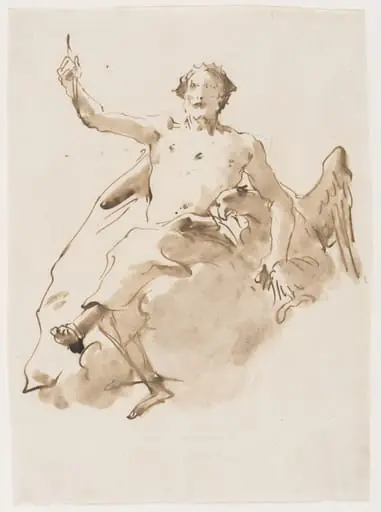 Jupiter
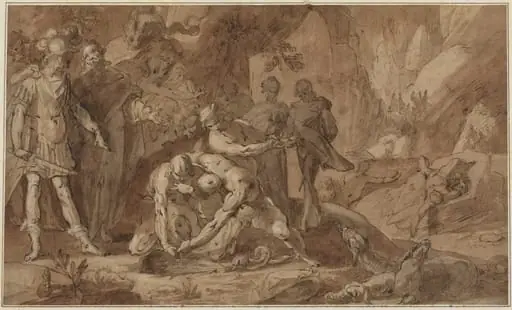 Odysseus and Teiresias
 Saturn Devouring his Child