Artwork
Maitotyttö, Taos
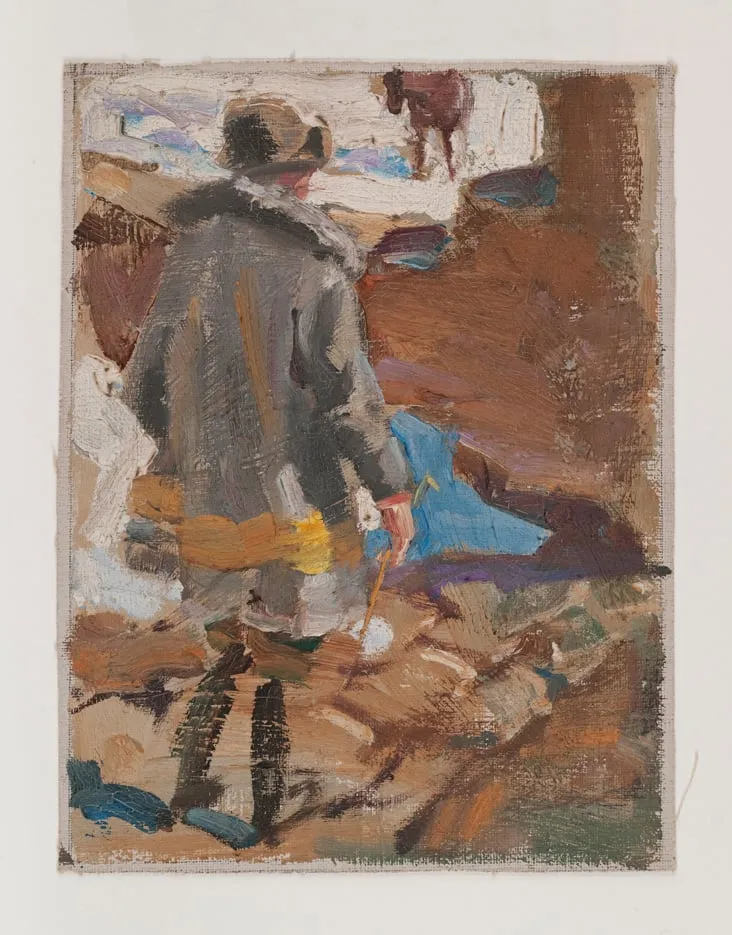
Maitotyttö, Taos is an unspecified painting by Akseli Gallen-Kallela. It is held in the collection of the Gallen-Kallela Museum.
About this work
Overview
The work depicts a solitary figure moving away from the viewer along a dusty track, wrapped in a heavy coat and hat, with a bundle of sticks or tools slung over the shoulder. A second, less defined presence on horseback appears in the background, its form softened by atmospheric haze. The composition is dominated by muted earth tones, punctuated by a brief flash of blue sky.
Subject & Meaning
The central wanderer suggests themes of travel or labor in a rugged landscape, while the distant rider adds a narrative of movement and perhaps companionship or contrast between isolation and communal passage. The dust raised by the boots emphasizes the harsh, arid environment, hinting at the hardships of frontier life.
Technique & Style
The painter employs a pronounced impasto technique, laying on thick, uneven brushstrokes that convey immediacy and tactile surface. Color is applied in a limited palette of browns, grays, and a touch of blue, without smooth gradations, creating a raw, almost sketch‑like quality that reinforces the painting’s rugged atmosphere.
Context
The piece reflects a broader interest in depicting everyday scenes of the American West, where artists often emphasized the starkness of the terrain and the resilience of its inhabitants. By focusing on ordinary figures rather than grand vistas, the work aligns with a realist tendency to document the lived experience of frontier communities.
Artist & collection
Artist
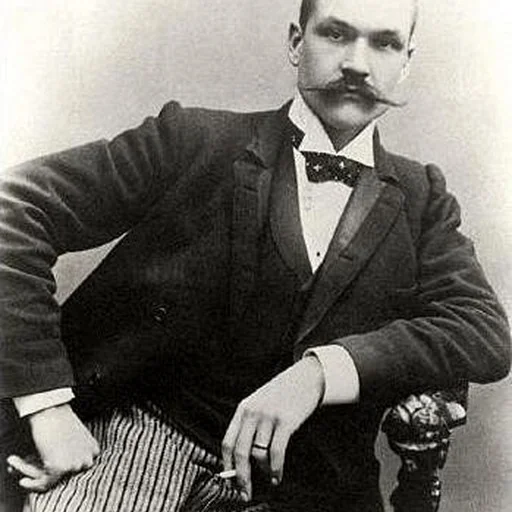
Akseli Gallen-Kallela (born Axel Waldemar Gallén; 26 April 1865 – 7 March 1931) was a Finnish painter and a leading figure of Finnish romantic nationalism around the turn of the 20th century.

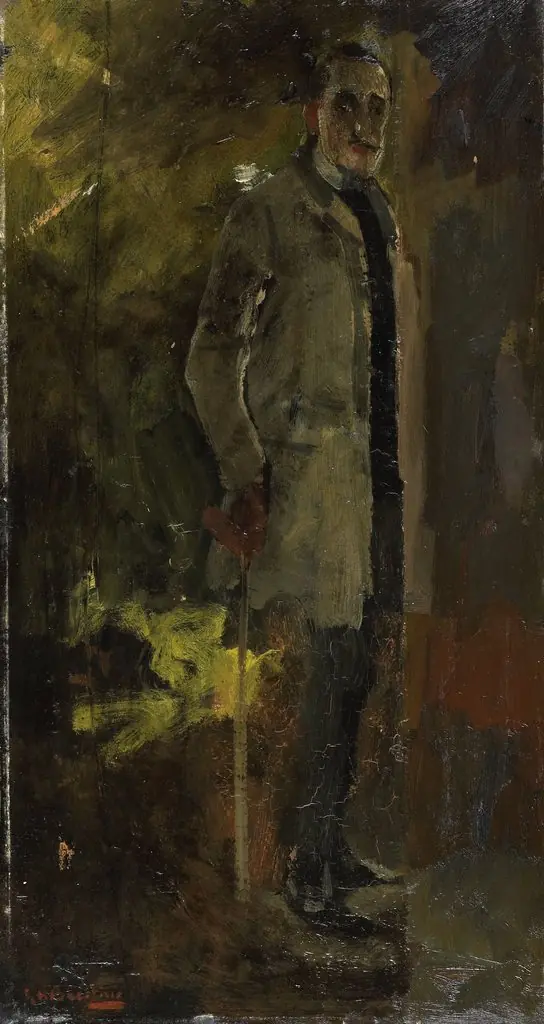 Dr van Hoorn
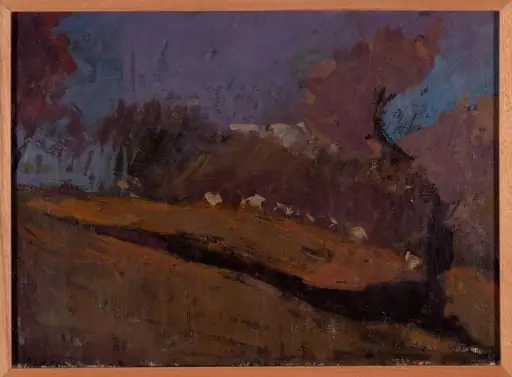 Outdoor study
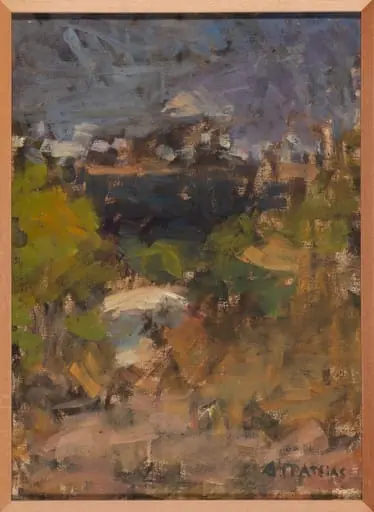 Outdoor study
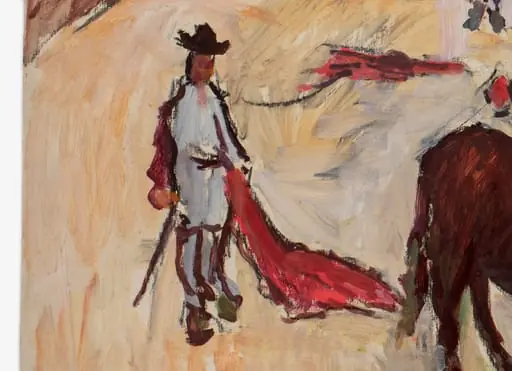 Studiu cu o arenă. În prim-plan, un taur se îndreaptă spre un toreador cu pălărie și haine albe. În spatele taurului, un alt personaj îmbrăcat la fel, care ține în mână o pelerină roșie. În fundal, schițat un cal cu călăreț și zidul împrejmuitor al arenei. Semnat și datat cu negru, stânga jos: V. Mihăilescu Craiu (19)70 ?.
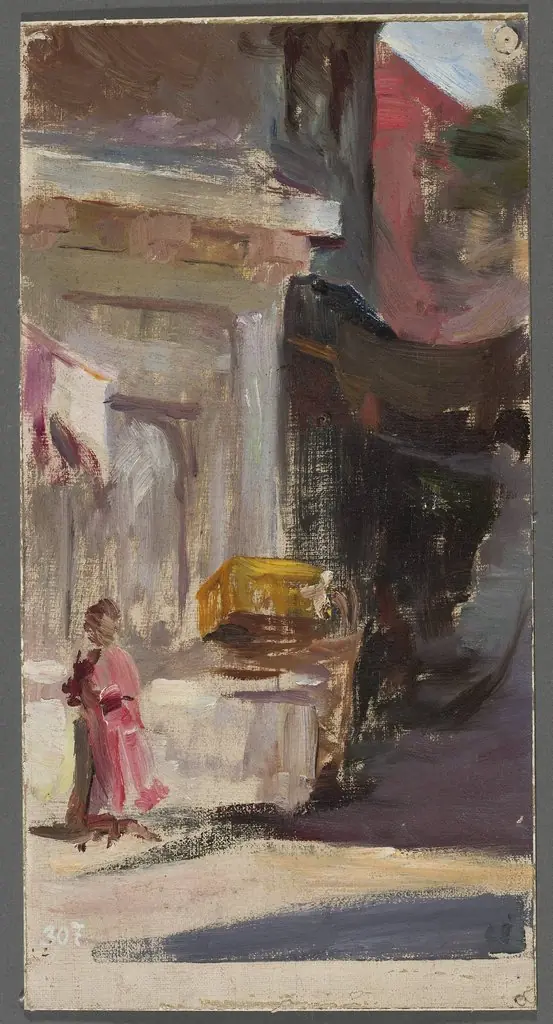 Street fragment. From the journey to Constantinople
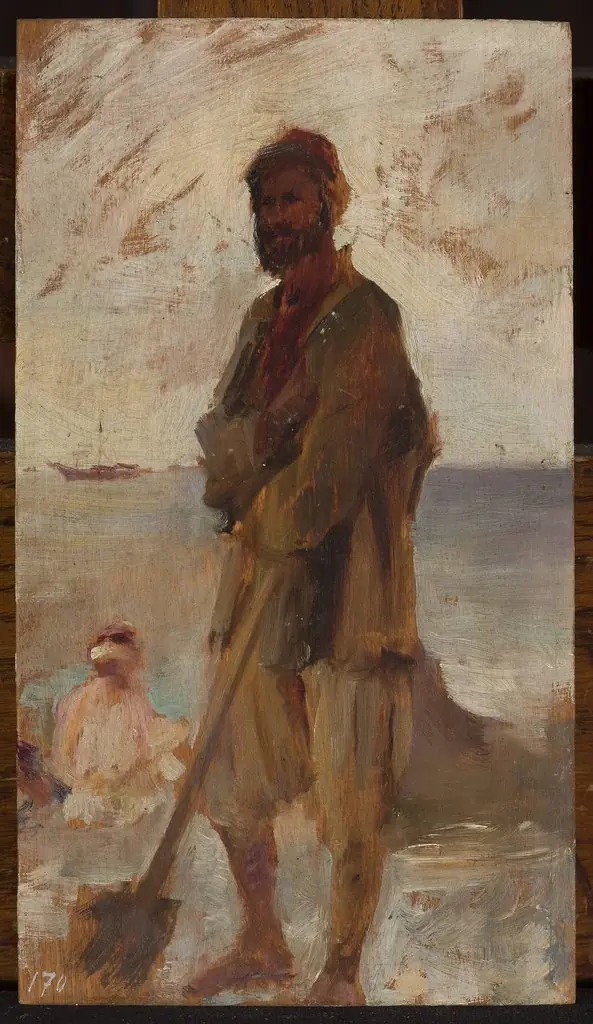 Young Tartar in Gurzuf. From the journey to Crimea
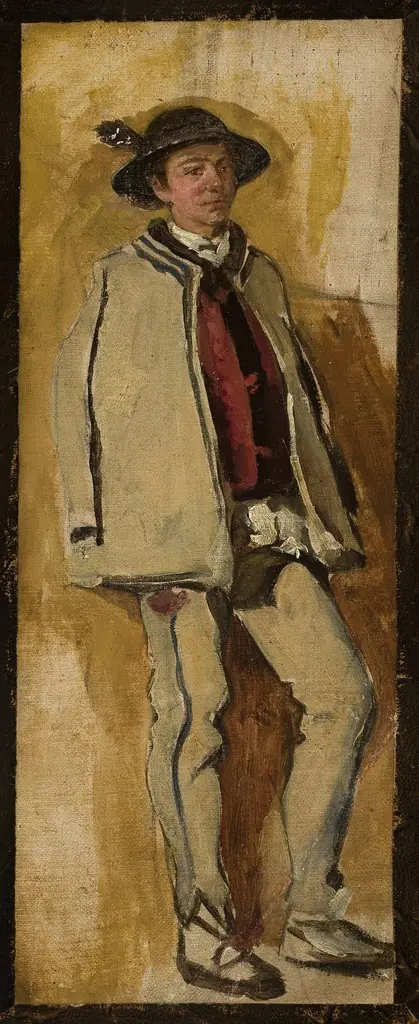 Portrait of a young Highlander
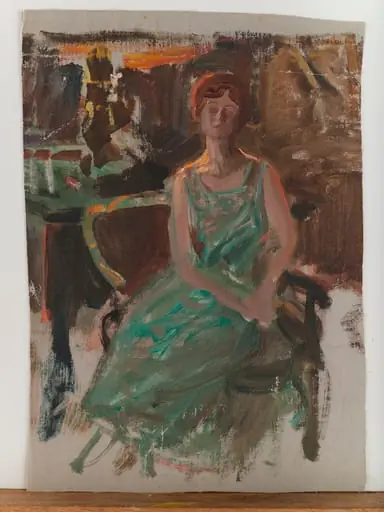 Mrs. Hecht, muotokuvaluonnos
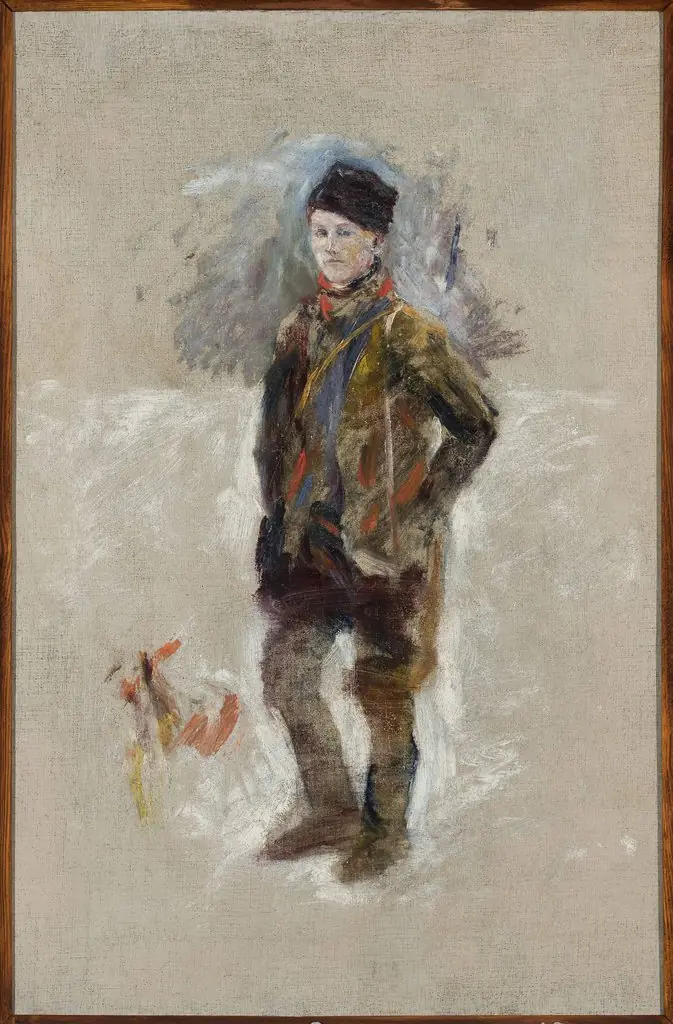 Portrait of Gościmiński, sketch
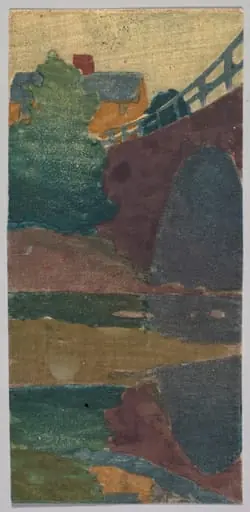 The Old Bridge or Ipswich Bridge
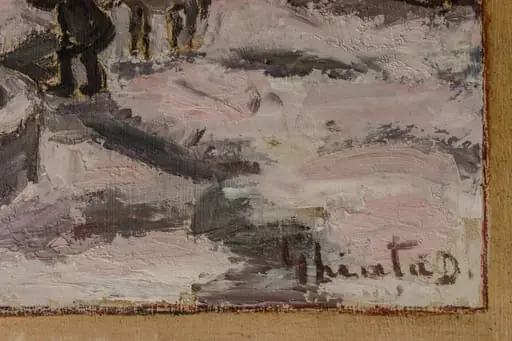 Peisaj de iarnă cu fântână
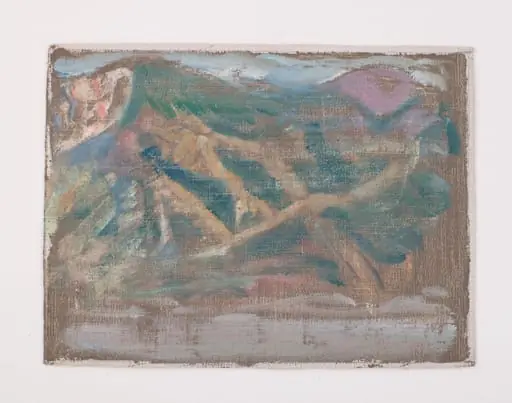 Luonnos Taos-vuorilta