Artwork
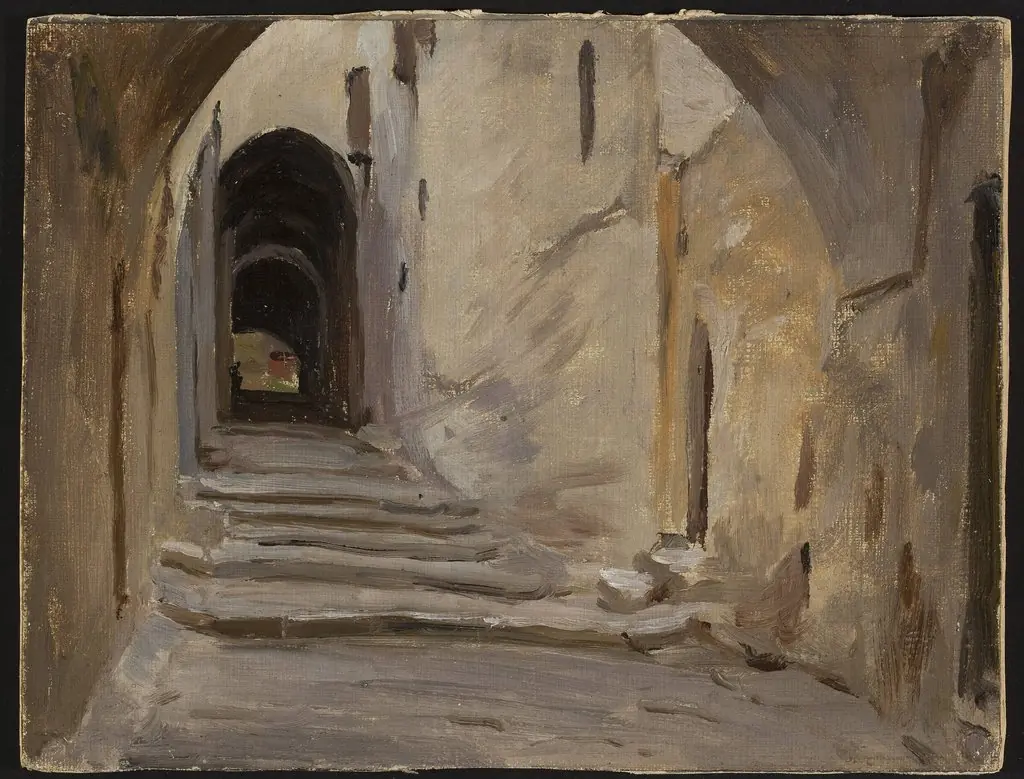
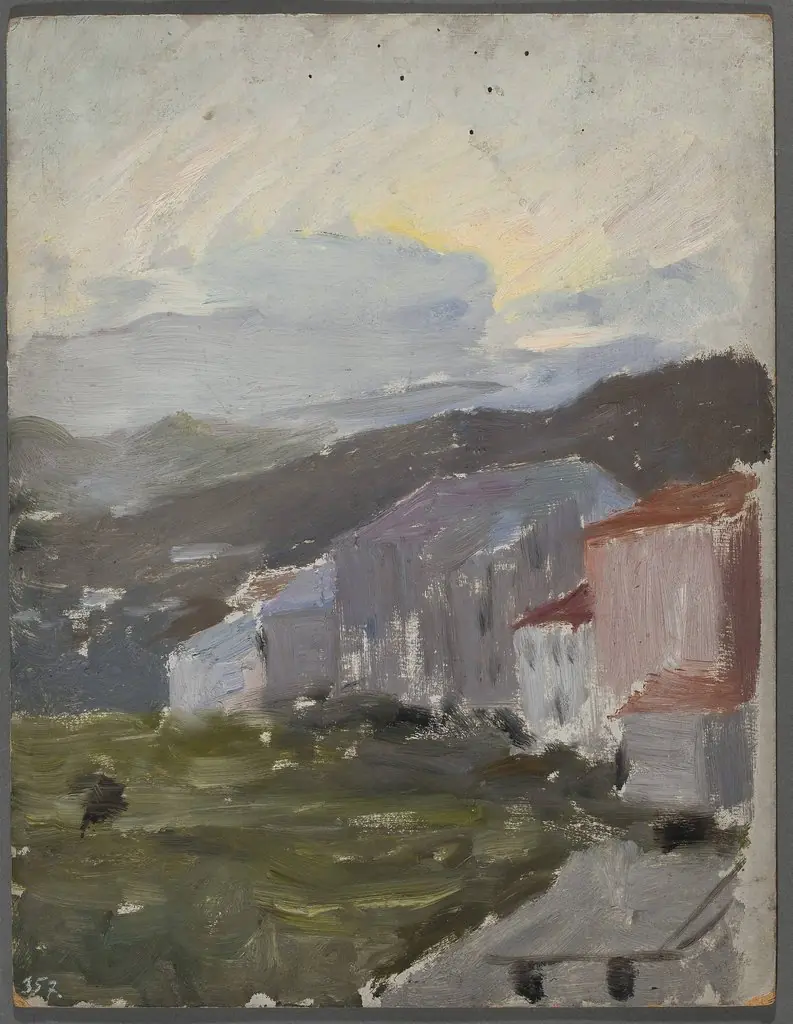
Street fragment. From the journey to Constantinople
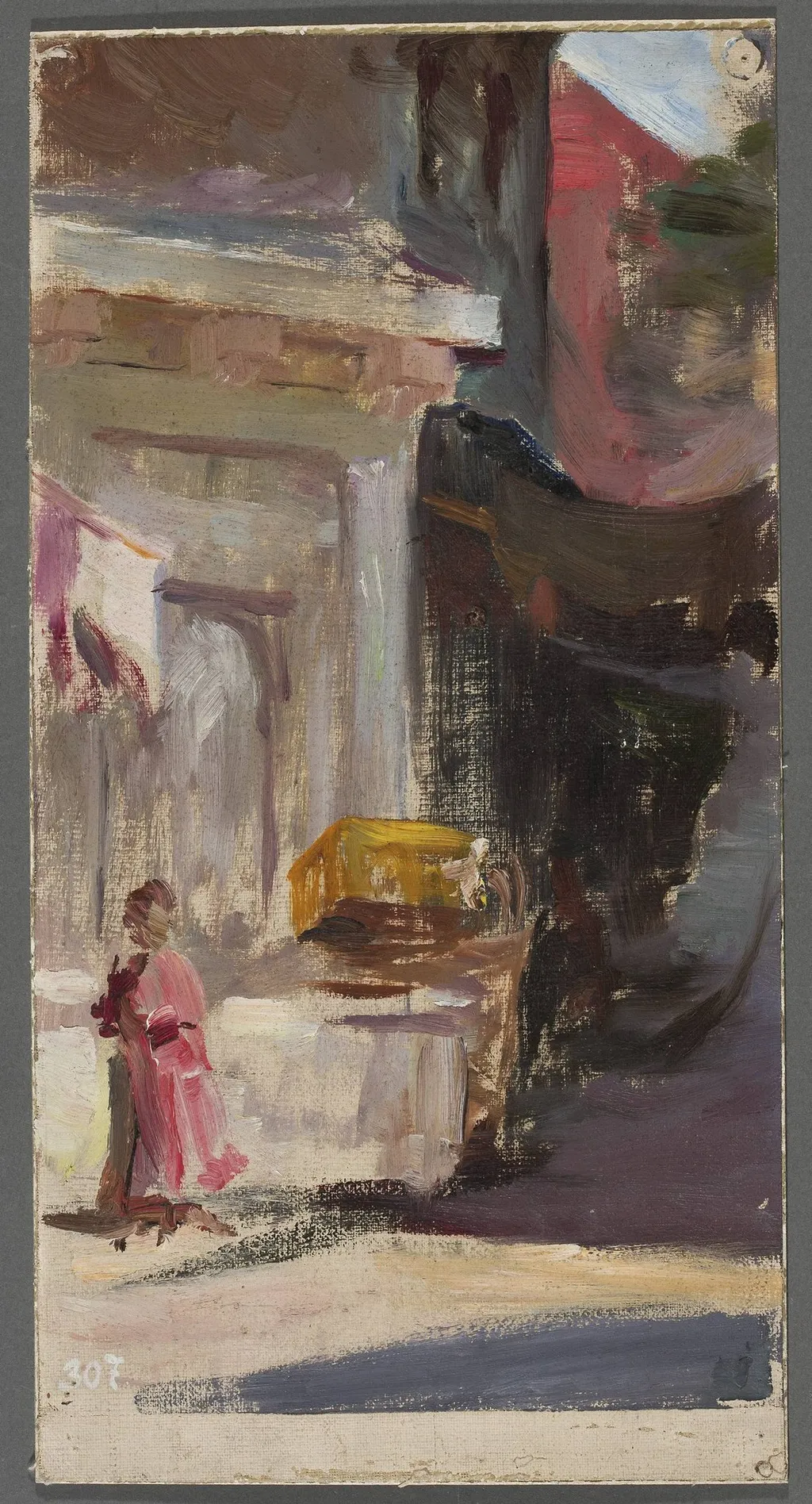
Street fragment. From the journey to Constantinople is an unspecified painting by the Post-Impressionist artist Jan Ciągliński. It dates from 1897 and is held in the collection of the National Museum in Warsaw.
About this work
Overview
Painted in 1897 by Polish artist Jan Ciągliński, this work captures a fleeting moment from his travels toward Constantinople.
Painted in 1897 by Polish artist Jan Ciągliński, this work captures a fleeting moment from his travels toward Constantinople. Executed during his time in St. Petersburg under the Russian imperial court, the painting reflects his engagement with contemporary European trends. It is part of the National Museum in Warsaw’s collection and exemplifies his interest in urban life observed abroad, rendered with a sensitivity to atmosphere and casual gesture.
Subject & Meaning
The scene centers on a woman in a pink dress standing beside a street-facing building, her posture relaxed yet deliberate. A yellow object—possibly a vendor’s cart or architectural detail—anchors the foreground. No narrative is imposed; instead, the painting invites contemplation of ordinary urban existence. The figure’s isolation amid architectural forms suggests the quiet anonymity of travel, emphasizing observation over drama.
Technique & Style
Ciągliński employs loose, energetic brushwork characteristic of post-impressionism, avoiding rigid outlines in favor of textured strokes that suggest light and movement. Colors are muted yet deliberate: earthy browns and grays contrast with the woman’s pink dress and the building’s yellow accent. The palette conveys warmth without sentimentality, and the composition’s asymmetry enhances the sense of a spontaneous, unposed moment.
History & Provenance
Created during Ciągliński’s travels in the Ottoman Empire, the painting entered the National Museum in Warsaw’s collection in the early 20th century. Its preservation reflects the museum’s interest in Polish artists who engaged with international scenes. The work remained relatively obscure until later scholarly attention highlighted its significance as an example of Polish post-impressionist travel painting.
Context
In the late 19th century, Polish artists often traveled beyond partitioned Poland to study abroad, absorbing French and Russian influences. Ciągliński, active in St. Petersburg, aligned with artists exploring everyday life through color and light. His journey to Constantinople coincided with broader European fascination with the East, though his approach remained intimate rather than exoticizing, focusing on quiet observation over spectacle.
Legacy
Though not widely exhibited, this painting contributes to understanding how Polish artists interpreted foreign urban environments with personal, non-narrative sensitivity. It stands as a quiet counterpoint to grand historical or orientalist themes of the era. Contemporary scholarship values it for its restrained technique and its role in expanding the scope of Polish art beyond national borders.
Artist & collection
Artist
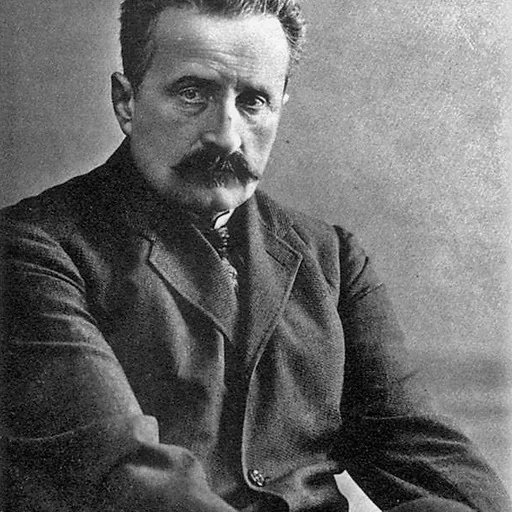
Jan Ciągliński (Polish: ; Russian: Ян/Иван Францевич Ционглинский, romanized: Yan/Ivan Frantsevich Tsionglinskiy; 20 February 1858 – 6 January 1913) was a Polish painter, active in St.

 Jerusalem. From the journey to Palestine
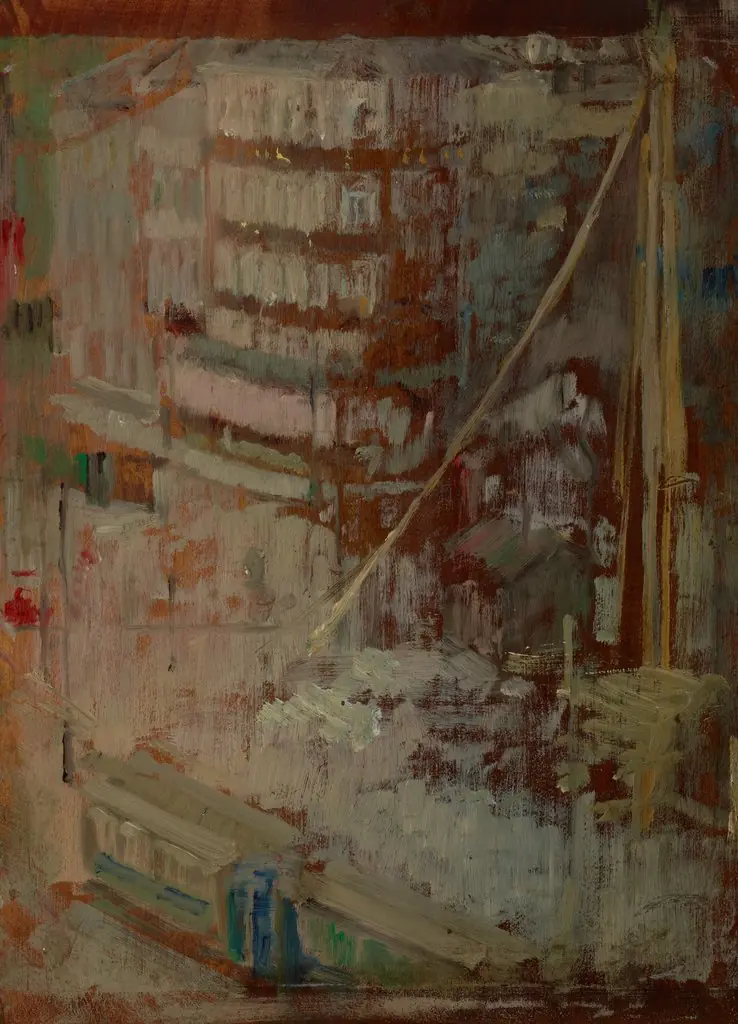 Motif from Paris
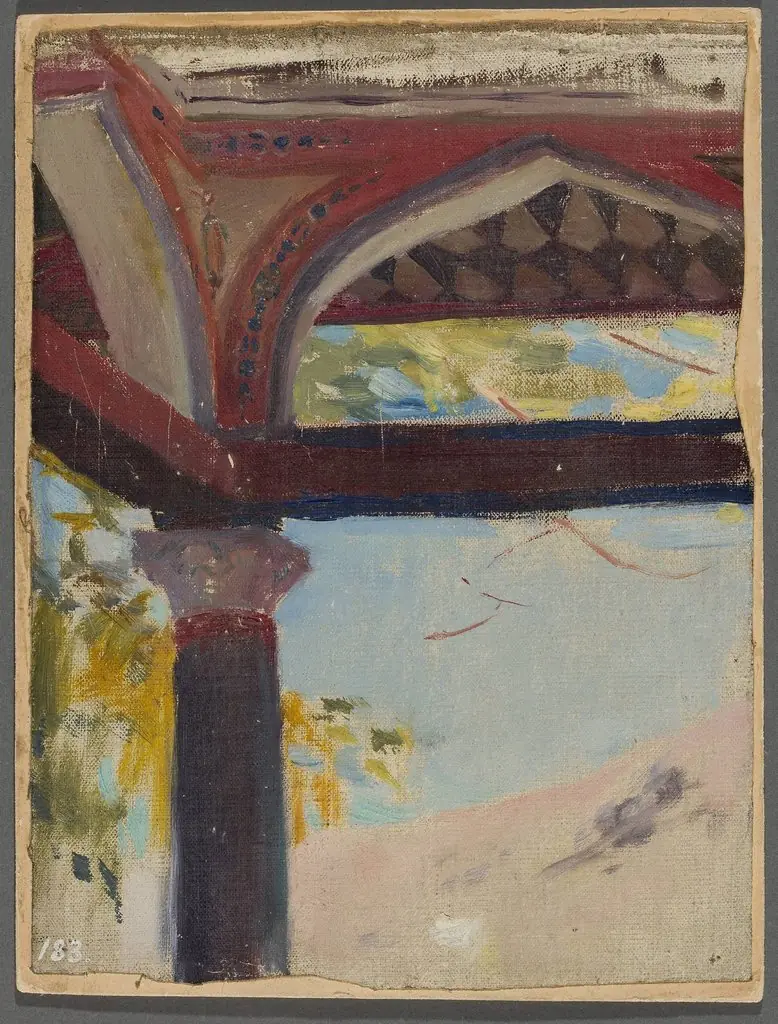 Fragment of summer house of Maria Potocka in Bakhchisaray. From the journey to Crimea
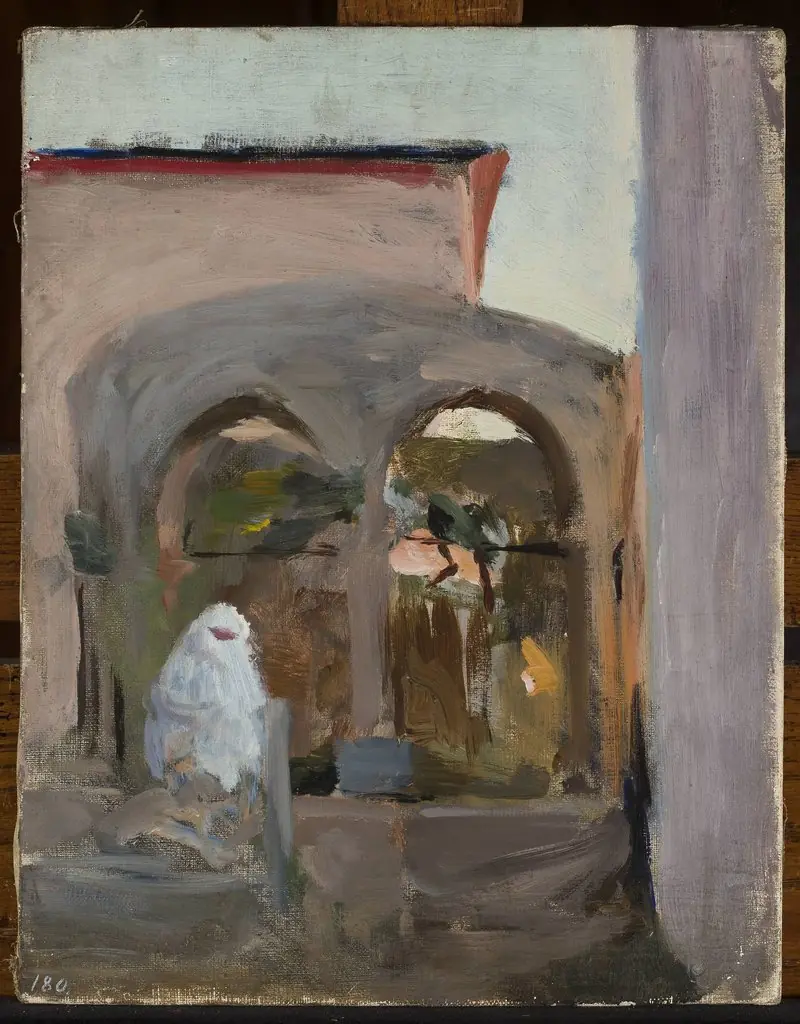 Bakhchisaray. From the journey to Crimea
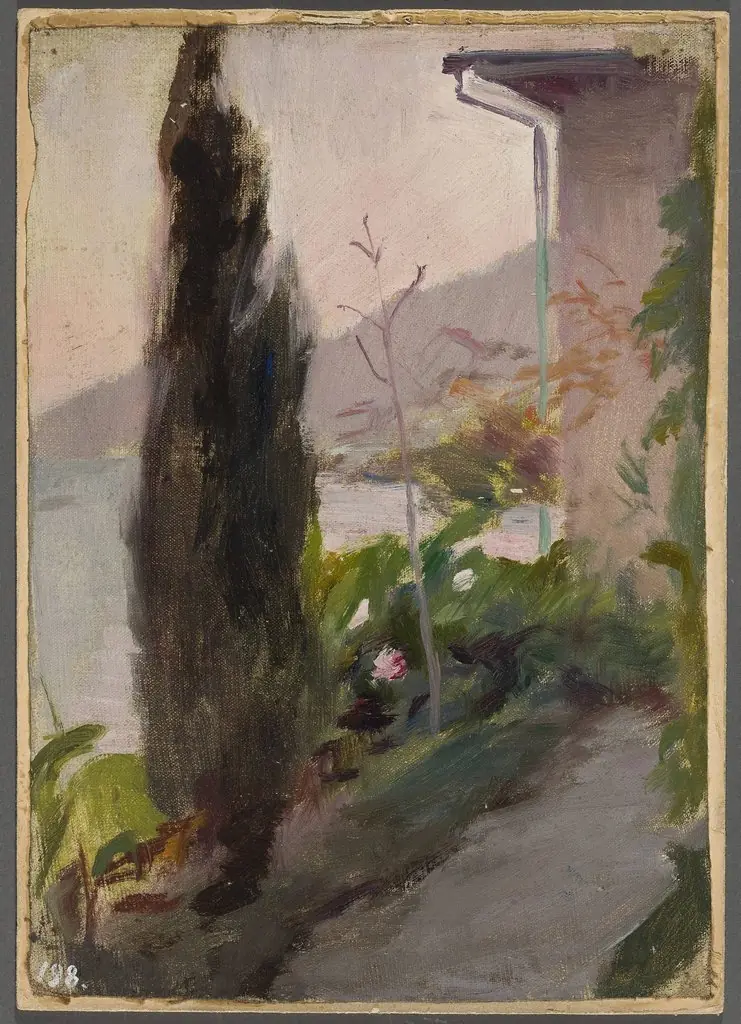 Garden of the Bakhchi-Dere villa in Yalta. From the journey to Crimea
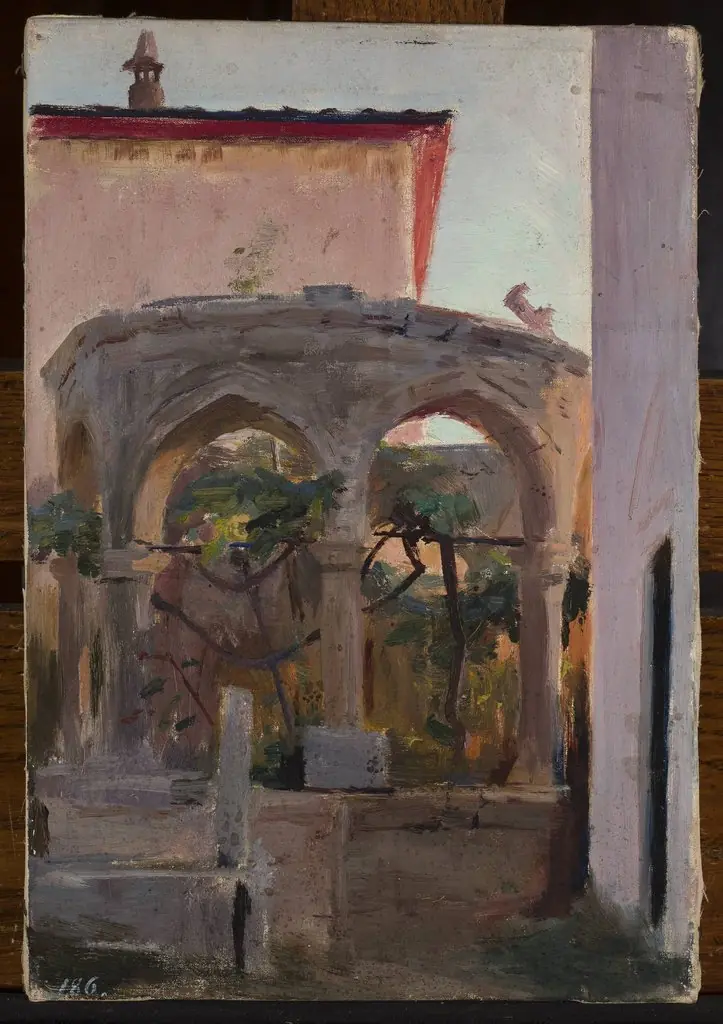 View from Bakhchisaray. From the journey to Crimea
 Porto Maurizia. From the journey to Italy
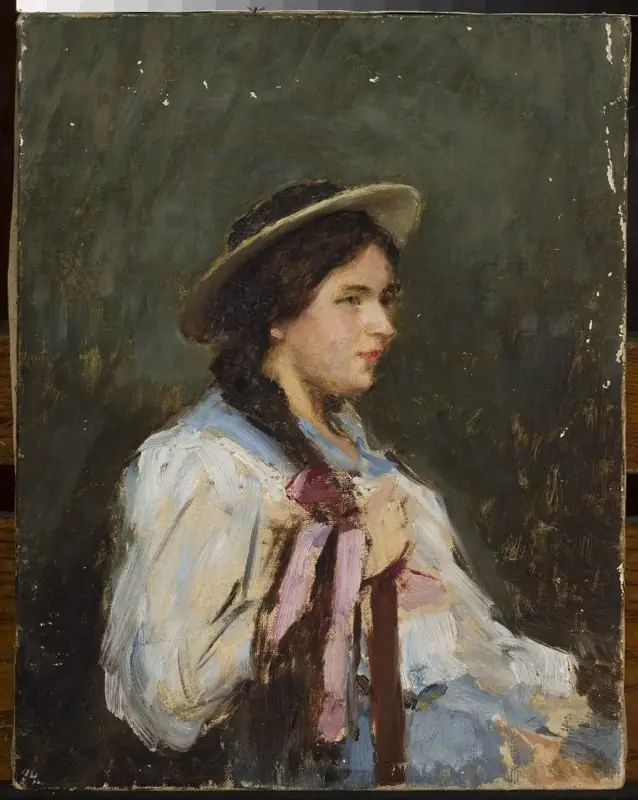
 Girl. From the journey to Crimea