Artwork
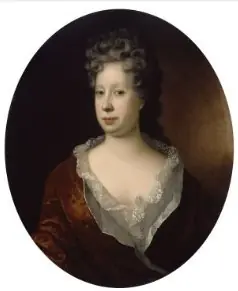
Portrait of Mary, 5th Viscountess Molyneux (1680-1766)
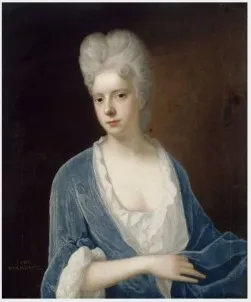
Portrait of Mary, 5th Viscountess Molyneux (1680-1766) is an oil painting by the Rococo painting artist Garret Murphy. It dates from 1705 and is held in the collection of the National Gallery of Ireland. Painted in 1705 by Garret Morphy, this oil portrait captures Mary, 5th Viscountess Molyneux, a prominent Irish noblewoman.
About this work
Overview
Painted in 1705 by Garret Morphy, this oil portrait captures Mary, 5th Viscountess Molyneux, a prominent Irish noblewoman. Morphy, recognized as Ireland’s first documented professional painter, executed the work with technical precision. The painting resides in the National Gallery of Ireland, where it stands as an early example of portraiture from the island’s artistic tradition.
Subject & Meaning
The blue robe draped over her arm and the white undergarment with ruffled edges suggest refined taste and aristocratic identity.
The subject, Mary Molyneux, is depicted with composed dignity, her gaze direct and expression calm. Her white hair, styled in a tall updo, signals maturity and social standing. The blue robe draped over her arm and the white undergarment with ruffled edges suggest refined taste and aristocratic identity. The portrait conveys status rather than emotion, aligning with conventions of elite portraiture in early 18th-century Ireland.
Technique & Style
Morphy employed oil paint to achieve a smooth, lifelike surface, with careful attention to fabric texture and skin tone. Chiaroscuro is subtly used to model the figure against a dark background, enhancing three-dimensionality without dramatic contrast. The composition is restrained, focusing on the sitter’s form and attire, reflecting a transitional style between Baroque formality and emerging Rococo elegance.
History & Provenance
Commissioned in 1705, the portrait remained within the Molyneux family for generations before entering the National Gallery of Ireland’s collection. Its preservation reflects the family’s cultural prominence and the painting’s value as a record of Irish aristocratic life. No significant alterations or reworkings are documented, preserving its original state.
Context
In early 18th-century Ireland, professional painting was rare, and Morphy’s work represents a nascent local tradition. While influenced by English and continental portraiture, this piece avoids overt grandeur, favoring quiet realism. The absence of elaborate settings or symbolic elements underscores the focus on personal identity within a society where lineage and status were paramount.
Legacy
As one of the earliest surviving portraits by Ireland’s first known professional painter, the work holds historical significance for Irish art history. It provides insight into the visual culture of the Anglo-Irish elite and demonstrates the technical capabilities of native artists before the rise of larger institutional art schools. Morphy’s approach influenced later generations seeking to establish a distinct Irish pictorial voice.
Artist & collection
Artist
Garret Morphy (c. 1655 – c. 1716) was an Irish painter who is considered to be Ireland's first recorded professional artist.

 Portrait of a Lady
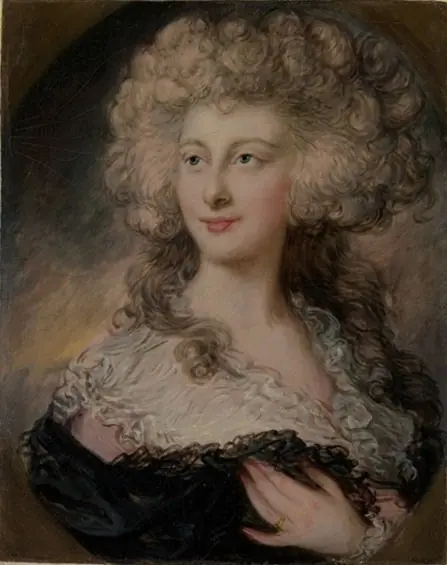 Anne Elizabeth Cholmley (1769–1788), Later Lady Mulgrave
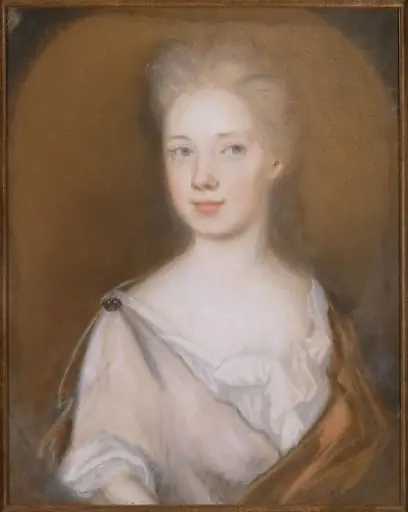 Mrs. Pierre Bacot (Marianne Fleur Du Gue)
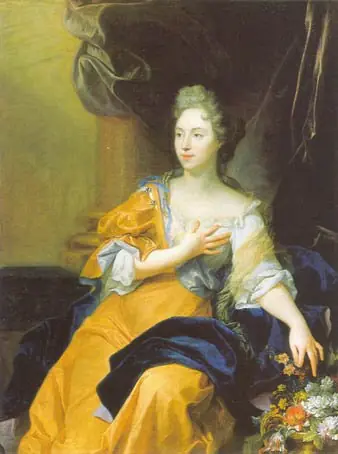 Portrait de Suzanne de Boubers de Bernâtre, épouse de Balthasar Keller
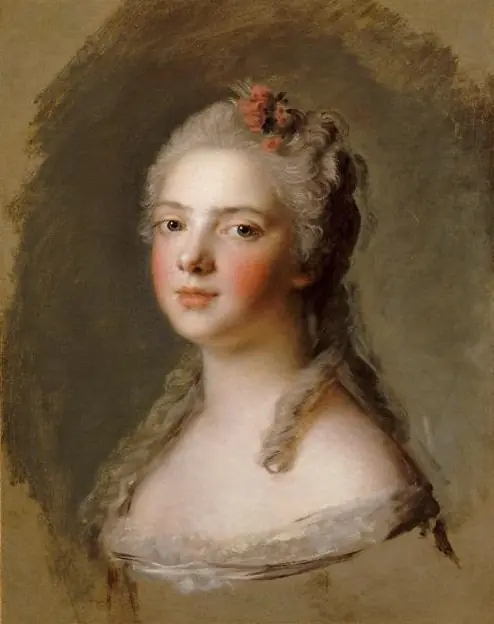 Marie Adélaïde of France (1732–1800), daughter of Louis XV
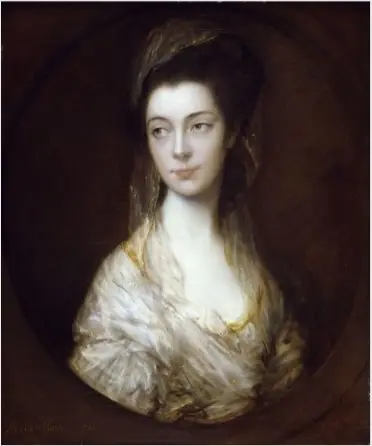 Portrait of Mrs Christopher Horton (1743-1808), later Duchess of Cumberland
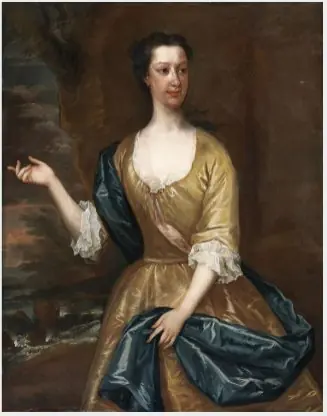 Portrait of Lady Anne Conolly (née Wentworth) (1713-1797)
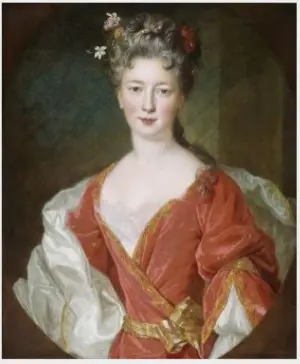 Portrait of a Lady
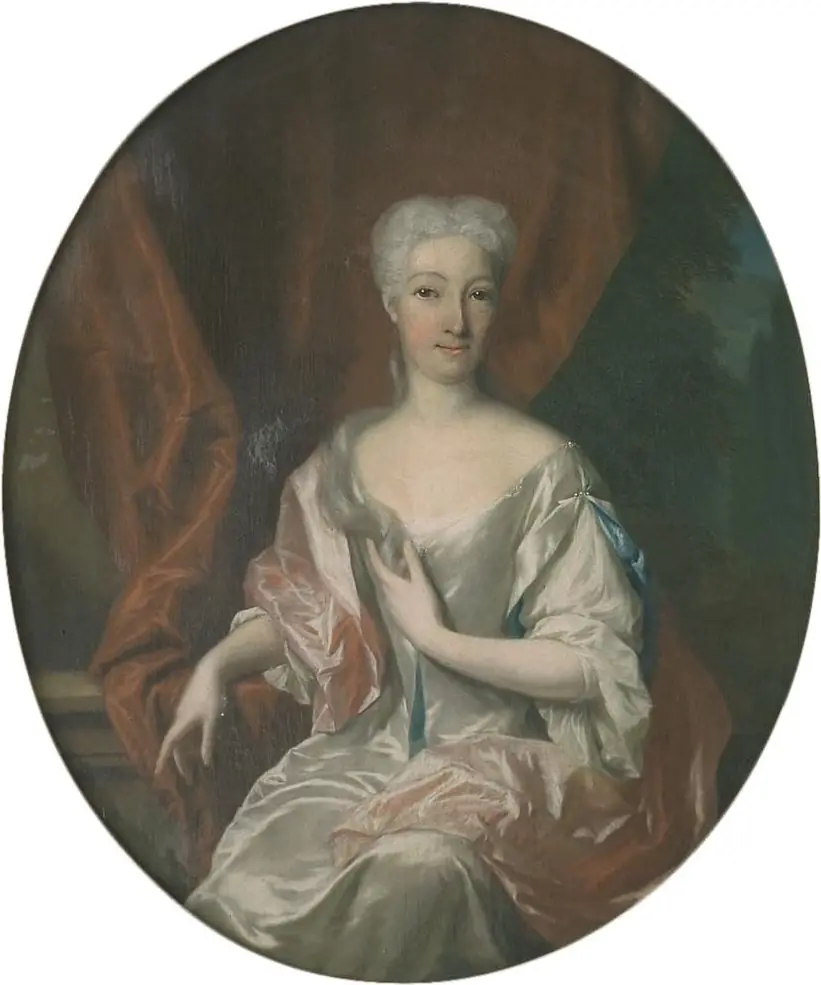 Portrait of Agnes Catherina Hoeuft (1689-1758)
 Portrait of Maria Gunning, Countess of Coventry (1733-1760), Wife of the 6th Earl
 Retrato de Miss Philadelphia Rowley
 Portrait of Elizabeth, Countess of Bridgewater (1689-1714)