Artwork
View of Tivoli
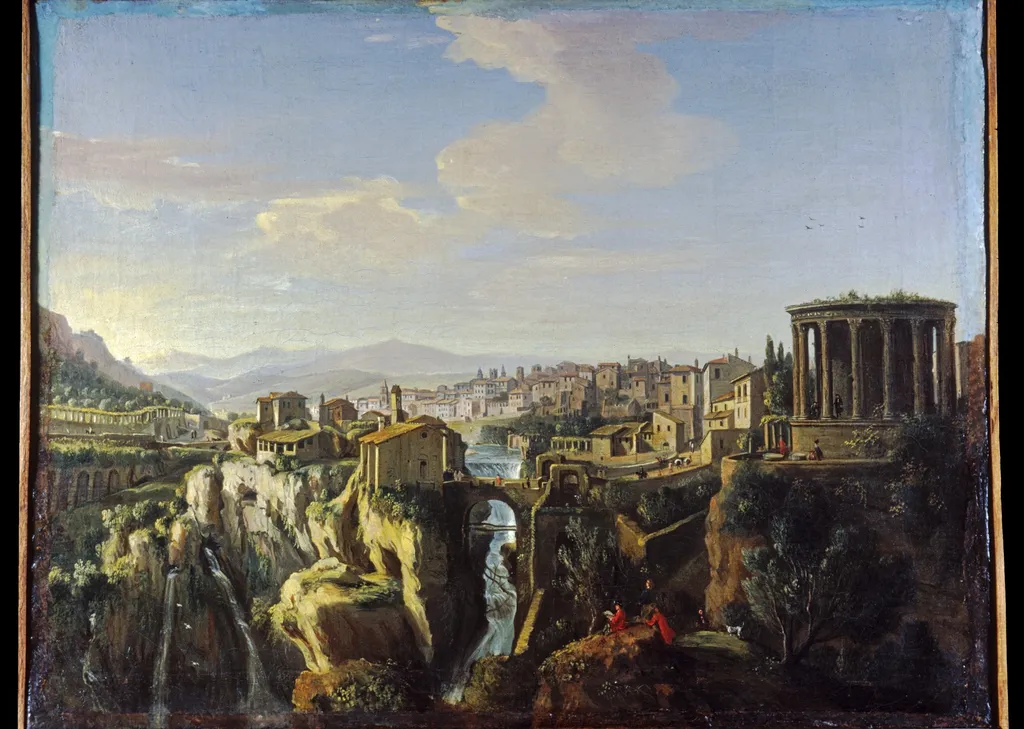
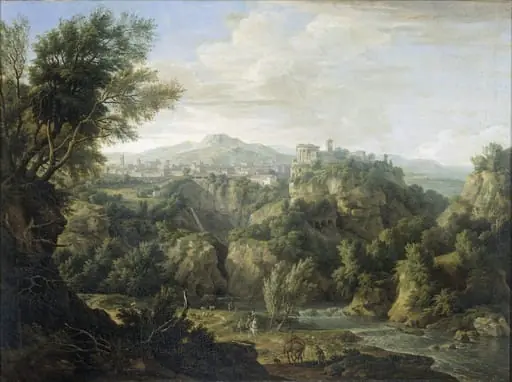
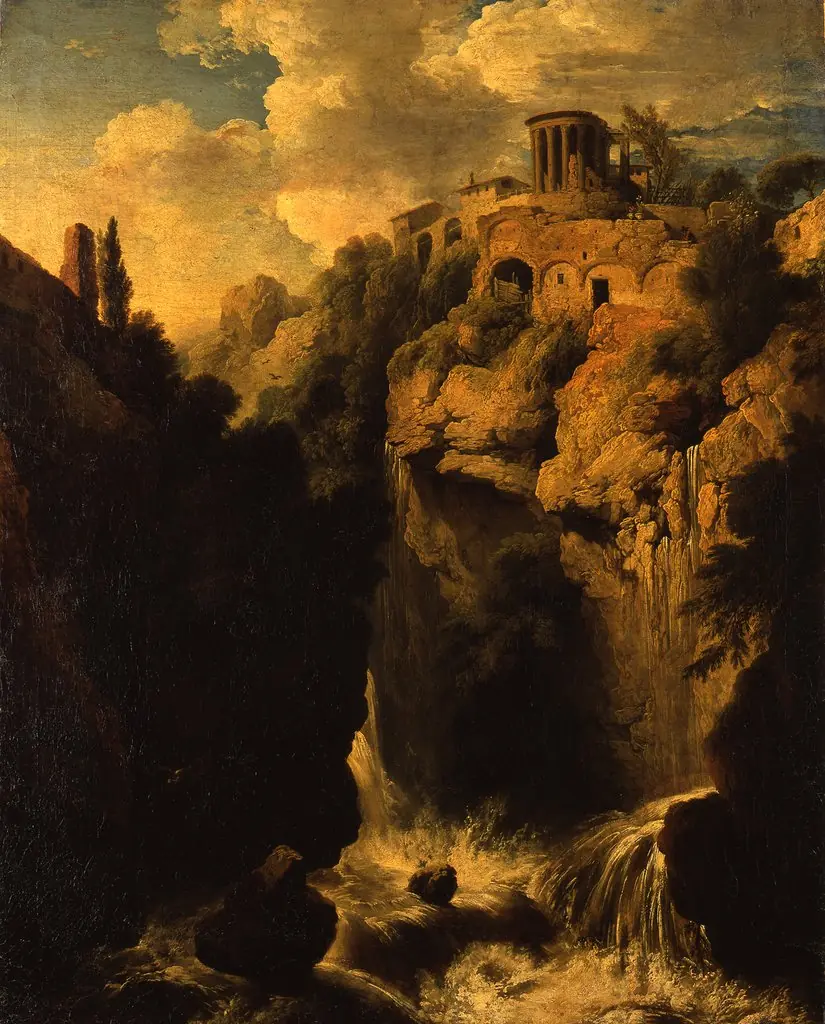
View of Tivoli is an oil painting by the Dutch Golden Age artist Gaspar van Wittel. It dates from 1700 and is held in the collection of the Walters Art Museum.
About this work
Overview
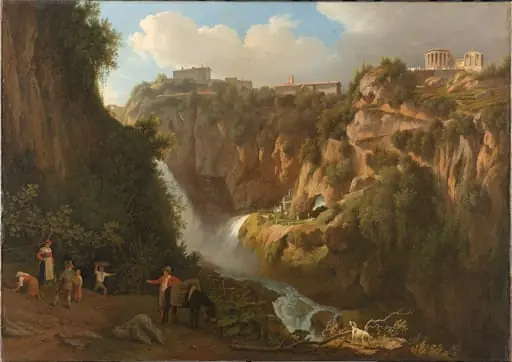
View of Tivoli is an oil painting created in 1700 by Gaspar van Wittel, a Dutch artist based in Rome. The work depicts a detailed, realistic landscape of the town of Tivoli, situated amidst hills and mountains, with a river, waterfall, and inhabited by figures.
Subject & Meaning
The painting's subject is a serene, idyllic view of Tivoli, emphasizing its natural beauty and human presence. As a veduta, it aims to accurately represent the town's topography, reflecting van Wittel's contribution to the genre's development.
Technique & Style
Executed in oil paint, the work showcases van Wittel's mastery of capturing light, texture, and depth. The palette, dominated by earth tones, greens, and a clear blue sky, enhances the scene's realism and sense of atmosphere.
History & Provenance
Created during the Dutch Golden Age, View of Tivoli is now part of the Walters Art Museum's collection. Despite being a Dutch artist, van Wittel's work was heavily influenced by his Italian surroundings.
Context
As part of the veduta genre, View of Tivoli belongs to a 17th-18th century artistic trend focusing on realistic depictions of landscapes and cityscapes, popular among European artists in Italy.
Legacy
Through works like View of Tivoli, van Wittel played a pivotal role in establishing the veduta genre, influencing subsequent generations of landscape painters with his attention to topographical detail and realism.
Artist & collection

Artist
Caspar van Wittel or Gaspar van Wittel (Dutch: ; born Jasper Adriaensz van Wittel; 1652 or 1653 – 13 September 1736), known in Italian as Gaspare Vanvitelli (IPA: ) or Gasparo degli Occhiali (IPA: ), was a Dutch painter…

 View of Tivoli
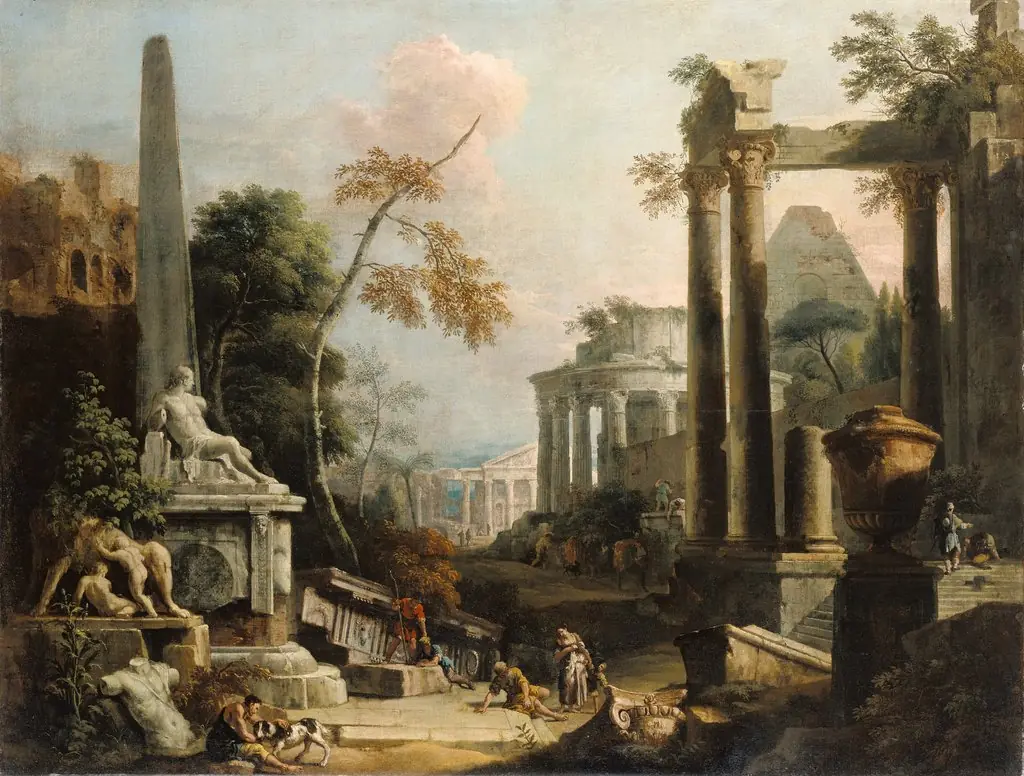 Landscape with Classical Ruins and Figures
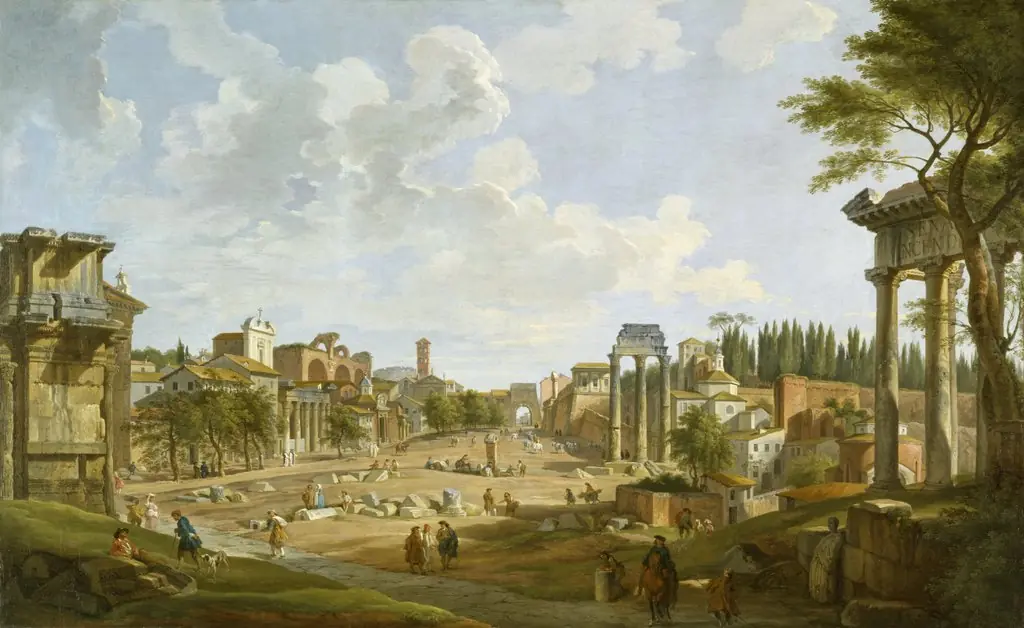
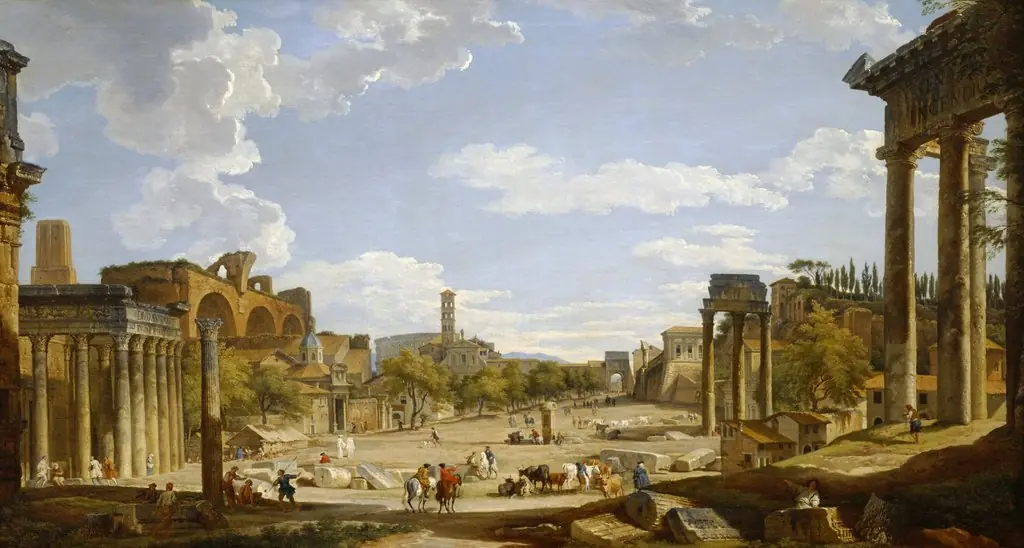 View of the Roman Forum
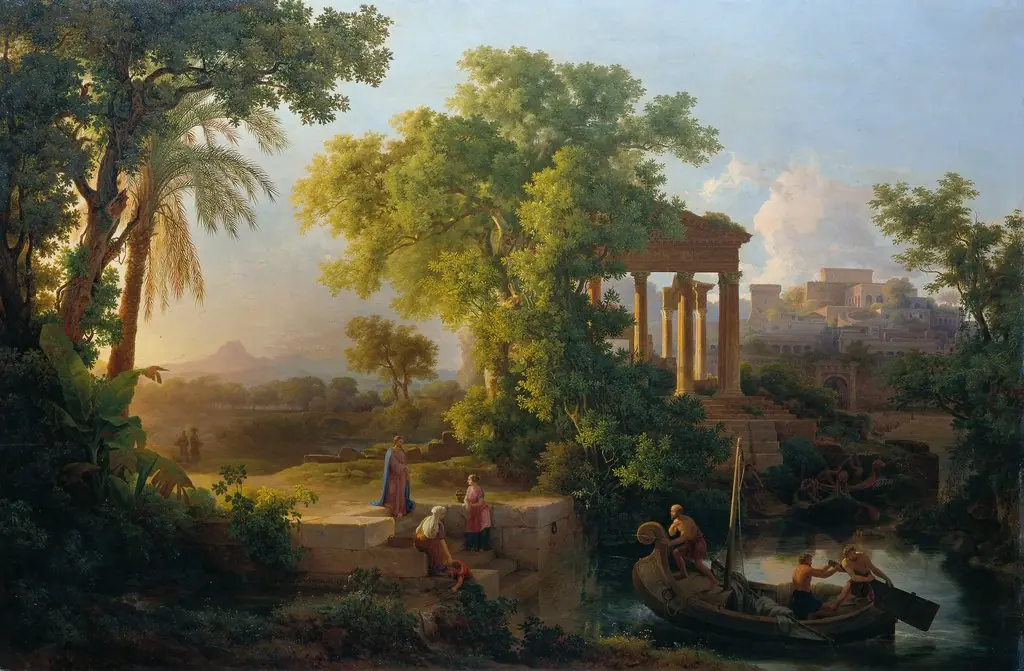 Landscape with the Vocation of St Peter
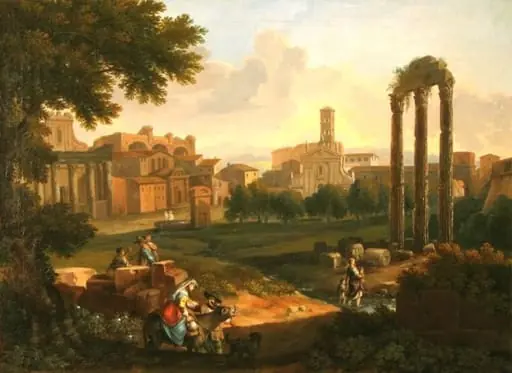 Vedere din Roma Veche (Roma cu columnele templului lui Jupiter)
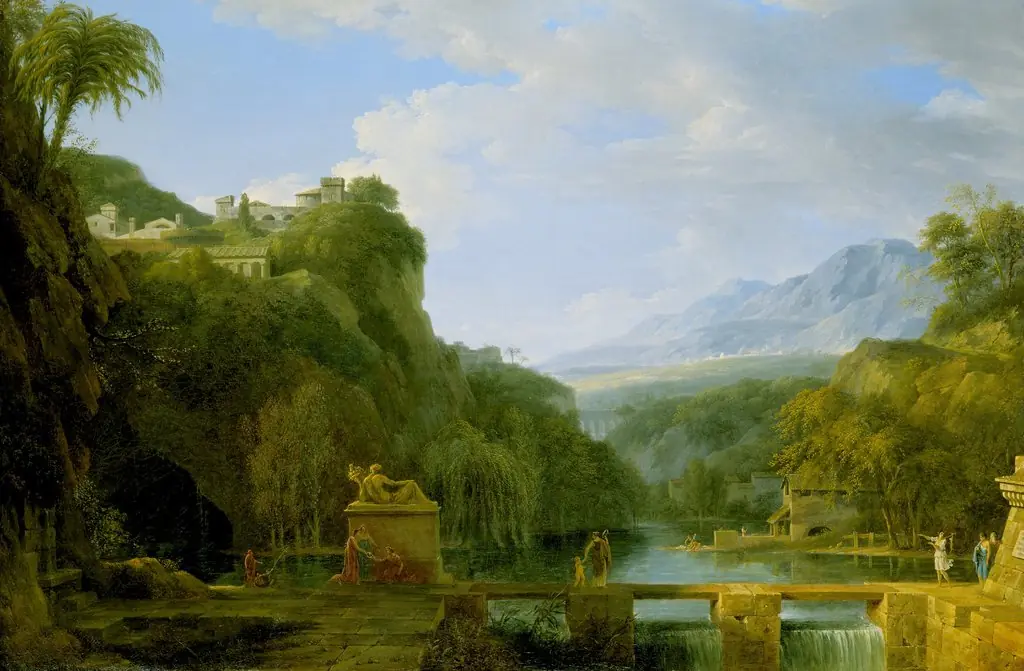 Landscape of Ancient Greece
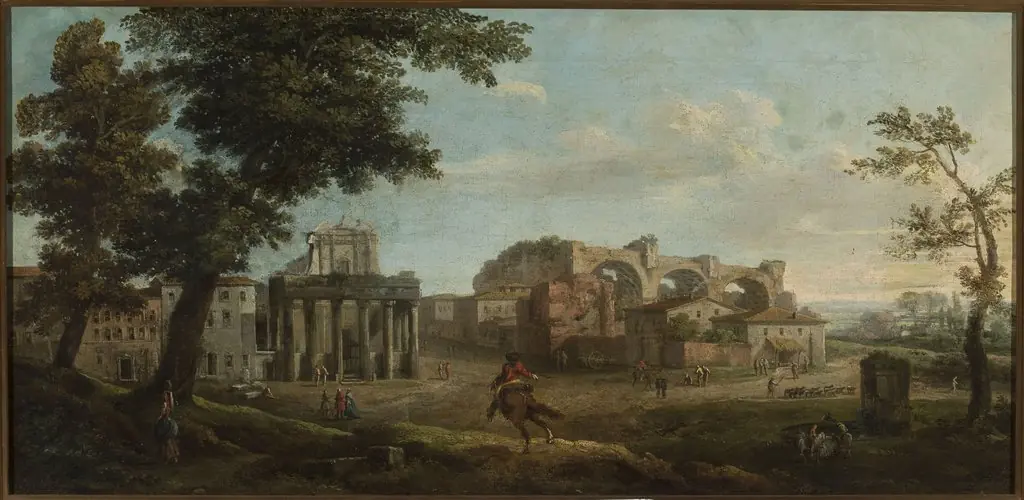 View of Rome
 De waterval van Tivoli
 View of the Roman Forum
 The Villa d'Este in Tivoli
 Ruins of an Ancient City
 Waterfall near Tivoli