Artwork
Guy Little Theatrical Photograph
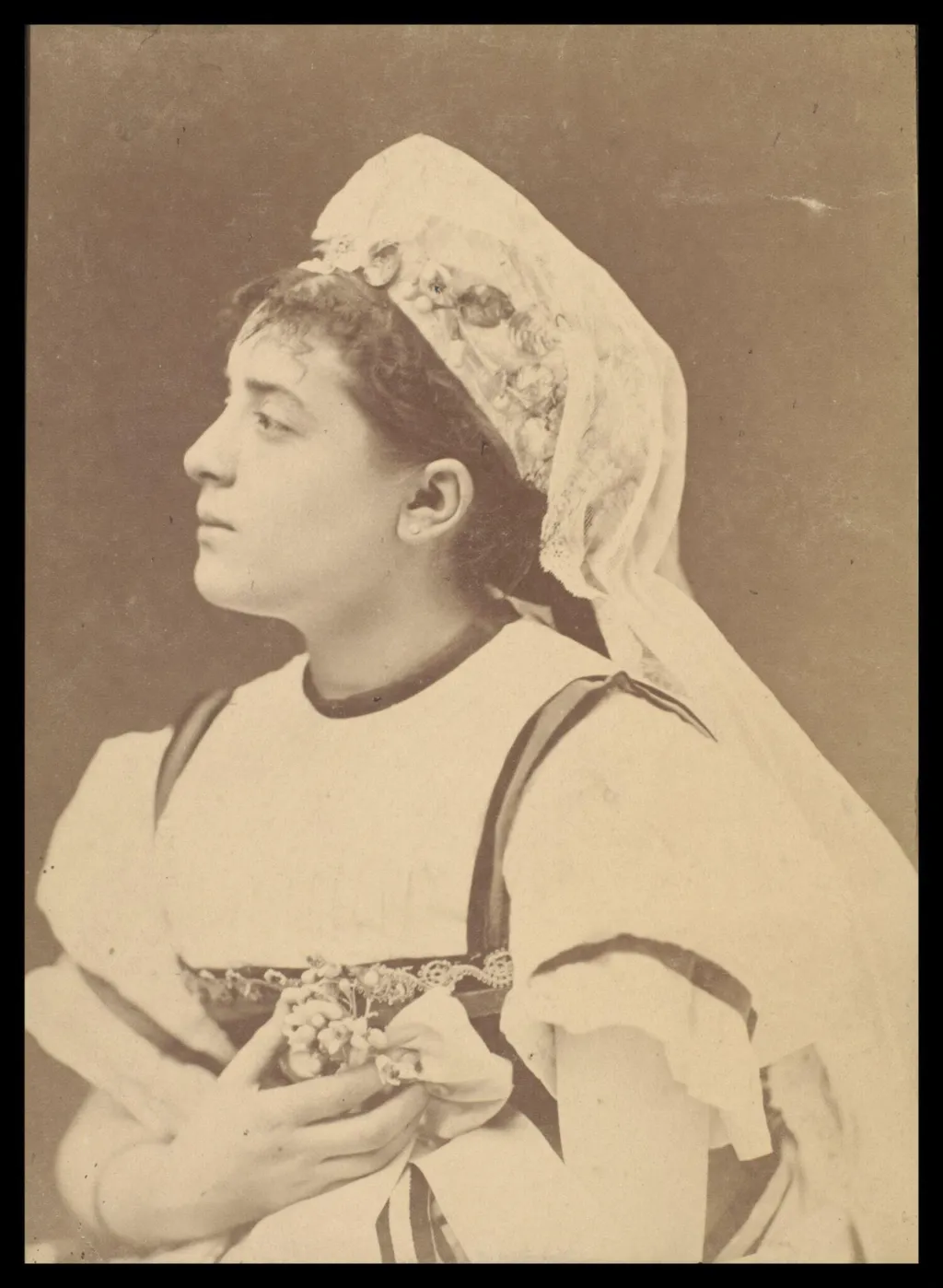
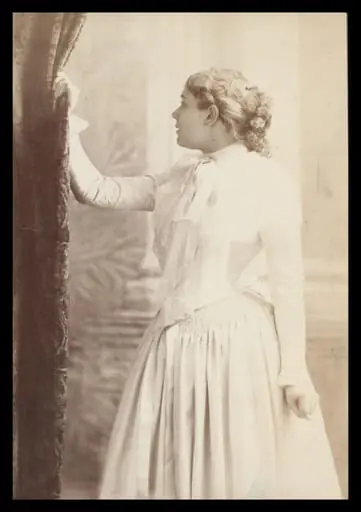
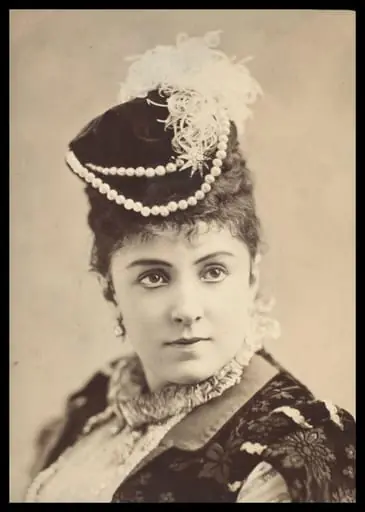
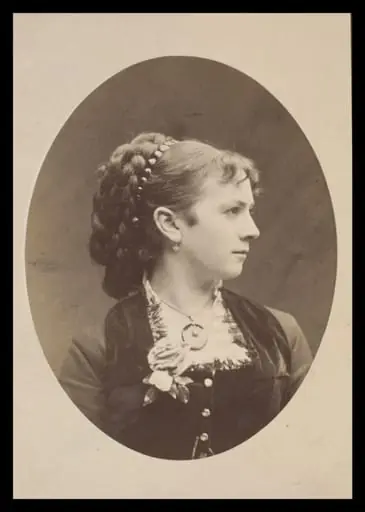
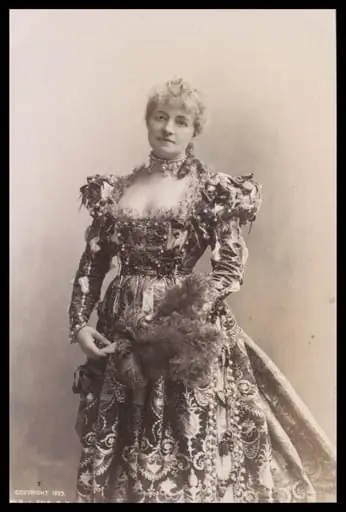
Guy Little Theatrical Photograph is a photographic photography by Gaston & Mathieu. It dates from 1850 and is held in the collection of the Victoria and Albert Museum.
About this work
Overview
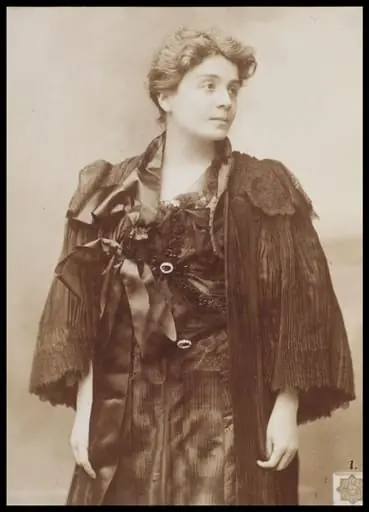
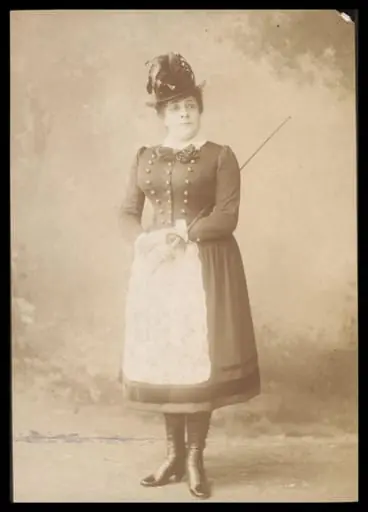
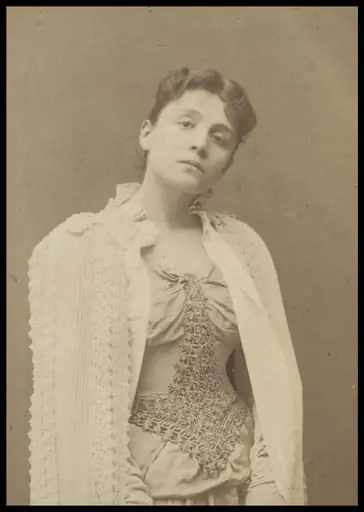
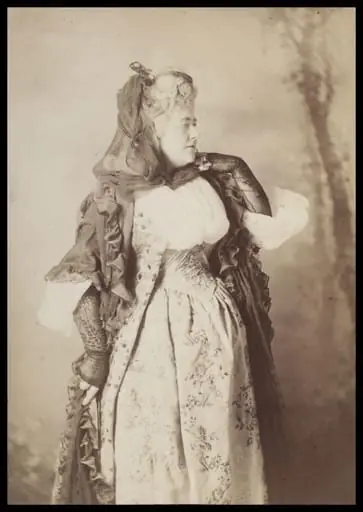
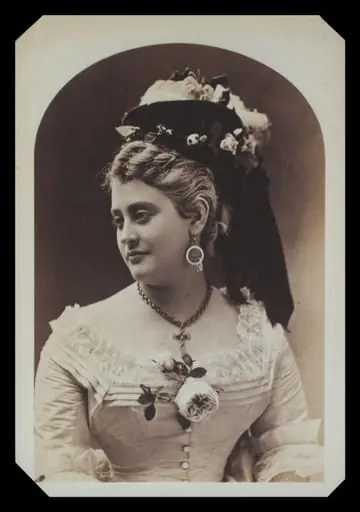
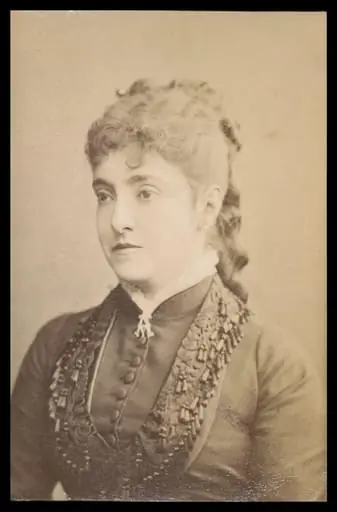
This photograph is a portrait of the French actress Anna Judic, produced as a carte de visite during the height of the format’s popularity in the 1860s.
This photograph is a portrait of the French actress Anna Judic, produced as a carte de visite during the height of the format’s popularity in the 1860s. Made using the albumen print process on paper mounted to a stiff card, it reflects the widespread Victorian practice of collecting photographic portraits of public figures. The image was later acquired and preserved by Guy Tristram Little, a legal professional and avid collector of ephemera, whose bequest formed part of the V&A’s Theatre Collections.
Subject & Meaning
Anna Judic was a celebrated stage performer in mid-to-late 19th-century France, known for her roles in comic and dramatic theatre. This portrait captures her in theatrical attire, reinforcing her public identity as a performer rather than a private individual. Such images served as tangible connections between audiences and stars, functioning as both memorabilia and cultural artifacts that extended the reach of the theatre beyond the stage.
Technique & Style
The photograph was produced using the albumen printing method, which involved coating paper with egg white and salt, then sensitizing it with silver nitrate. It was printed from a glass negative, a standard technique of the era. The small format—roughly the size of a visiting card—was designed for easy handling and collection. The backing bears the photographer’s imprint, a common feature that authenticated the image and advertised the studio.
History & Provenance
The photograph was originally part of a personal collection assembled by Guy Tristram Little, who systematically removed cartes de visite and cabinet cards from their original mounts and reorganized them into themed albums. After his death in 1953, the collection was bequeathed to the V&A. Little was also the executor of Gabrielle Enthoven’s estate, whose extensive theatrical holdings became foundational to the museum’s theatre archives.
Context
During the 1860s and 1870s, cartes de visite became a mass phenomenon, enabling the middle class to engage with celebrity culture through affordable, reproducible images. The format was used for portraits of royalty, artists, and actors alike, blurring the lines between personal, commercial, and cultural documentation. As cabinet cards replaced them in the 1880s, and postcards later supplanted those, these small photographs preserved a moment when photography became a democratic medium for public memory.
Legacy
Little’s collection, including this portrait, remains a vital resource for understanding Victorian visual culture and the early relationship between theatre and photography. Preserved at the V&A, these images offer insight into how audiences interacted with performers before the advent of film or broadcast media. The album’s curation reflects a deliberate effort to document and preserve ephemeral cultural artifacts that might otherwise have been lost.
Artist & collection
Artist
These brothers ran a London portrait studio where actors slid into glamorous roles—fake mustaches, pirate hats, a French countess who never left the gallery’s back wall.