Artwork
At the Black Rocks (Aux roches noires)
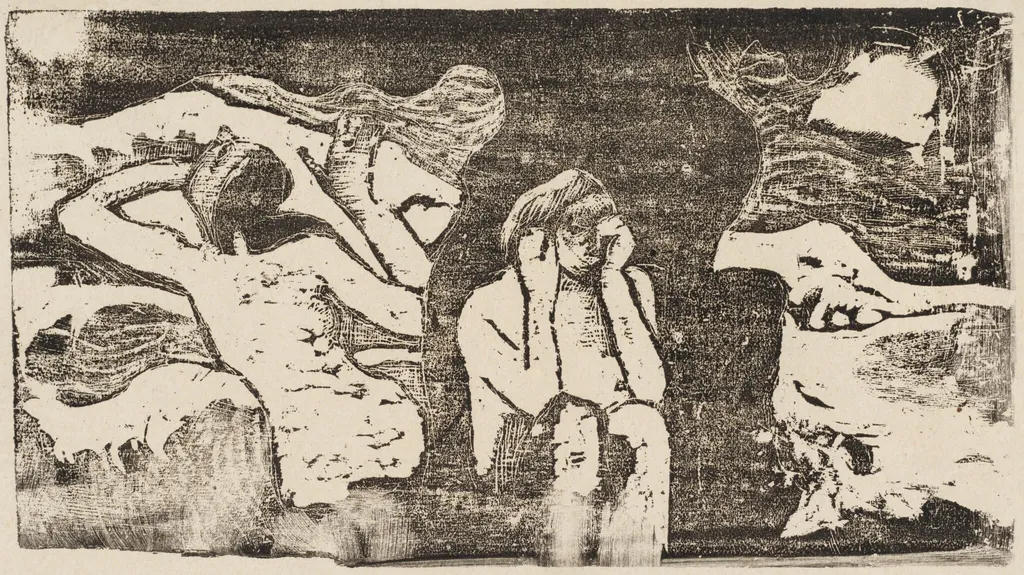
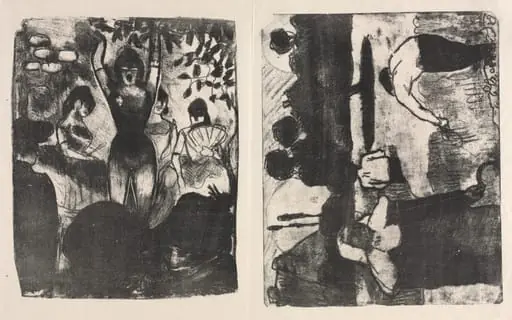
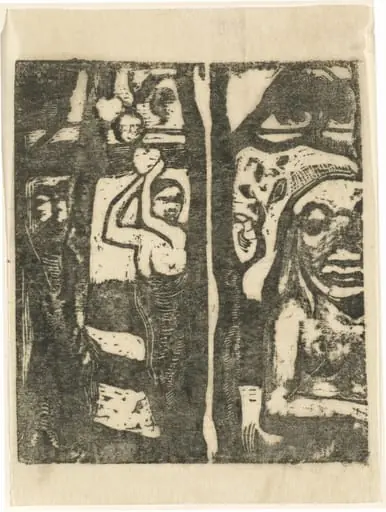
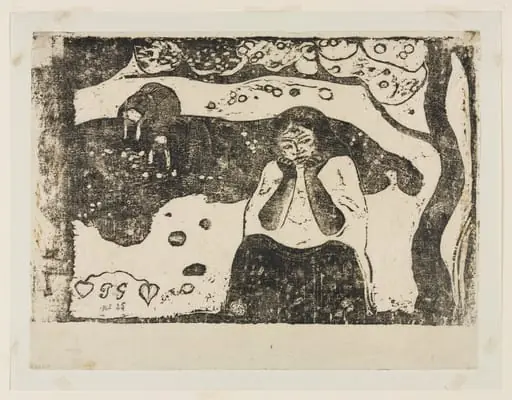
At the Black Rocks (Aux roches noires) is an ink print by the Impressionist artist Paul Gauguin. It dates from 1895 and is held in the collection of the National Gallery of Art.
About this work
Overview
Paul Gauguin produced *At the Black Rocks* in 1895 as a woodcut on wove paper, part of his broader exploration of printmaking during his time in Tahiti.
Paul Gauguin produced *At the Black Rocks* in 1895 as a woodcut on wove paper, part of his broader exploration of printmaking during his time in Tahiti. Unlike his paintings, this work emphasizes line and texture over color, reflecting his interest in non-Western artistic traditions and the expressive potential of hand-carved surfaces. The medium allowed him to merge graphic simplicity with emotional intensity.
Subject & Meaning
The scene depicts three figures gathered near dark, jagged rocks, their postures suggesting introspection or weariness. The central figure, head in hands, anchors the composition in quiet solitude, while the others recline in passive stillness. Gauguin avoids narrative clarity, instead evoking a mood of melancholy and isolation, consistent with his symbolic approach to human presence within untamed landscapes.
Technique & Style
Gauguin employed a coarse woodcut technique, leaving the natural grain of the block visible to enhance the ruggedness of the terrain. Bold, uneven lines define the figures and rocks, with deep shadows and minimal detail creating a stark, almost primal atmosphere. The absence of gradation and reliance on contrast reflect his move away from naturalism toward expressive abstraction.
History & Provenance
Created during Gauguin’s second stay in French Polynesia, the print emerged from a period of intense experimentation with indigenous techniques and materials. It was likely made in response to his isolation and physical hardship, and circulated among his circle of artists and collectors. Few impressions survive, and most are held in institutional collections rather than private hands.
Context
In the mid-1890s, Gauguin rejected European artistic conventions, seeking inspiration in Polynesian culture and landscape. This woodcut aligns with his broader rejection of Impressionist light and color in favor of symbolic form and emotional resonance. His prints from this era often paralleled his painted themes—spiritual longing, alienation, and the sublime power of nature.
Legacy
Though less known than his paintings, *At the Black Rocks* exemplifies Gauguin’s influence on modern printmaking. His use of raw, hand-carved surfaces inspired later Expressionists and artists seeking alternatives to mechanical reproduction. The work remains a quiet but potent statement of his commitment to art as an emotional and spiritual act, not merely a visual one.
Artist & collection
Artist
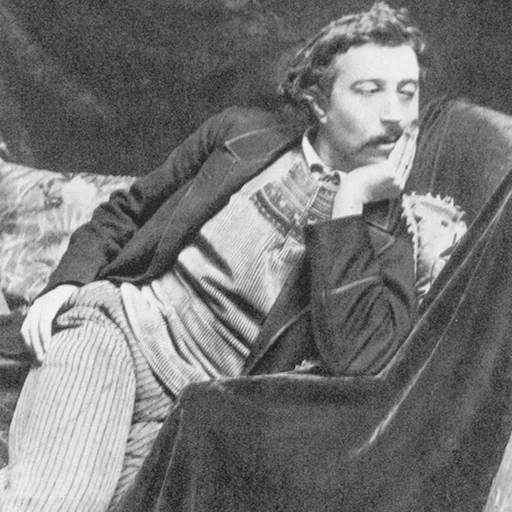
Eugène Henri Paul Gauguin (; French: ; 7 June 1848 – 8 May 1903) was a French painter, sculptor, printmaker, ceramist, and writer, whose work has been primarily associated with the Post-Impressionist and Symbolist movements.