Artwork
Breton Boy Tending Geese; Cows and a Figure Leaning on a Ledge [verso]
![Breton Boy Tending Geese; Cows and a Figure Leaning on a Ledge [verso], by Paul Gauguin, graphite, 1886](https://artifactworldgallery.com/img/paul-gauguin--breton-boy-tending-geese-cows-and-a-figure-leaning-on-a-ledg--cfc57715ceb582d8-w1024.webp)
Breton Boy Tending Geese; Cows and a Figure Leaning on a Ledge [verso] is a graphite drawing by the Impressionist artist Paul Gauguin. It dates from 1886 and is held in the collection of the National Gallery of Art.
About this work
Overview
Created in 1886, this drawing by Paul Gauguin combines crayon and graphite on a sheet of wove paper. The front presents a young Breton boy walking with a relaxed pose, while the reverse side contains a brief study of cows and a figure perched on a ledge. Both images are rendered in a swift, gestural manner that reveals the artist’s exploratory approach to composition.
Subject & Meaning
The primary scene captures a rural Breton child, dressed in a billowing shirt and hat, his hand tucked in his pocket and a faint smile suggesting a moment of quiet confidence. The secondary sketch on the verso depicts livestock and a solitary figure, hinting at Gauguin’s interest in everyday agrarian life and the simple rhythms of the Breton countryside.
Technique & Style
Gauguin employed loose, rapid strokes of crayon and graphite, allowing the line work to remain visible and unrefined. The drawing’s texture reflects the Synthetist tendency toward bold outlines and flattened forms, while the immediacy of the marks aligns with Post‑Impressionist concerns for expressive, rather than purely optical, representation.
History & Provenance
Executed during a period when Gauguin was traveling in Brittany, the work illustrates his early engagement with the region’s people and landscape.
Executed during a period when Gauguin was traveling in Brittany, the work illustrates his early engagement with the region’s people and landscape. The use of both sides of the paper suggests a practical, studio‑based practice, common among artists of the time who maximized material. Its later documentation places it within the artist’s broader corpus of Breton studies preceding his more radical Tahitian period.
Artist & collection
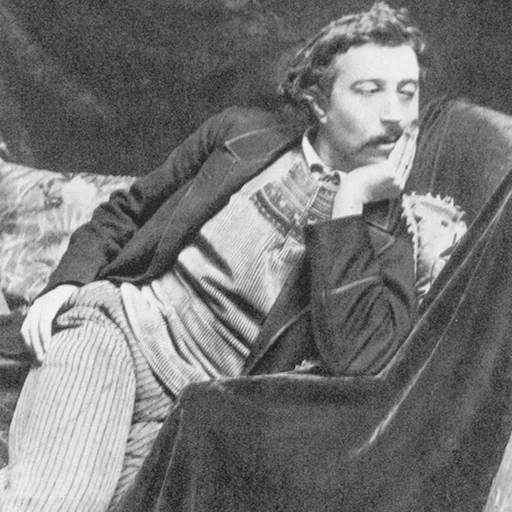
Artist
Eugène Henri Paul Gauguin (; French: ; 7 June 1848 – 8 May 1903) was a French painter, sculptor, printmaker, ceramist, and writer, whose work has been primarily associated with the Post-Impressionist and Symbolist movements.

![Eye and Part of Face; A Breton Woman and Two Men [recto], by Paul Gauguin](https://artifactworldgallery.com/img/paul-gauguin--eye-and-part-of-face-a-breton-woman-and-two-men-recto--81c9125f35b9b9e6-w320.webp)
![A Breton Woman Walking; Sketch with Stairs [verso], by Paul Gauguin](https://artifactworldgallery.com/img/paul-gauguin--a-breton-woman-walking-sketch-with-stairs-verso--5957dfa28320cc03-w320.webp)
![Two Heads; Studies of Sheep [recto], by Paul Gauguin](https://artifactworldgallery.com/img/paul-gauguin--two-heads-studies-of-sheep-recto--d045b25e15a504f5-w320.webp)
![A Head of Man with Hat, Seen from Behind; A Standing Woman [recto], by Paul Gauguin](https://artifactworldgallery.com/img/paul-gauguin--a-head-of-man-with-hat-seen-from-behind-a-standing-woman-rec--2aa61ddf1796e9f0-w320.webp)
![Boy's Face; Two Sheep [verso], by Paul Gauguin](https://artifactworldgallery.com/img/paul-gauguin--boy-s-face-two-sheep-verso--dc41a7e795977a82-w320.webp)