Artwork
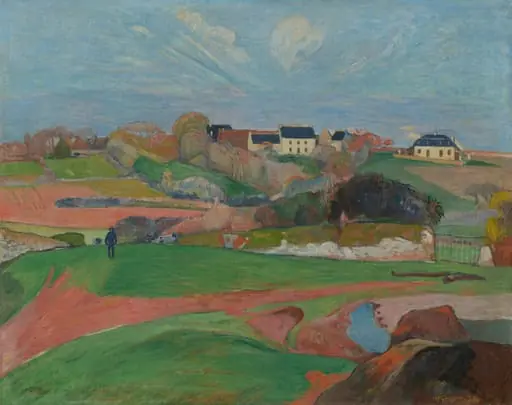
Landscape at Pont-Aven
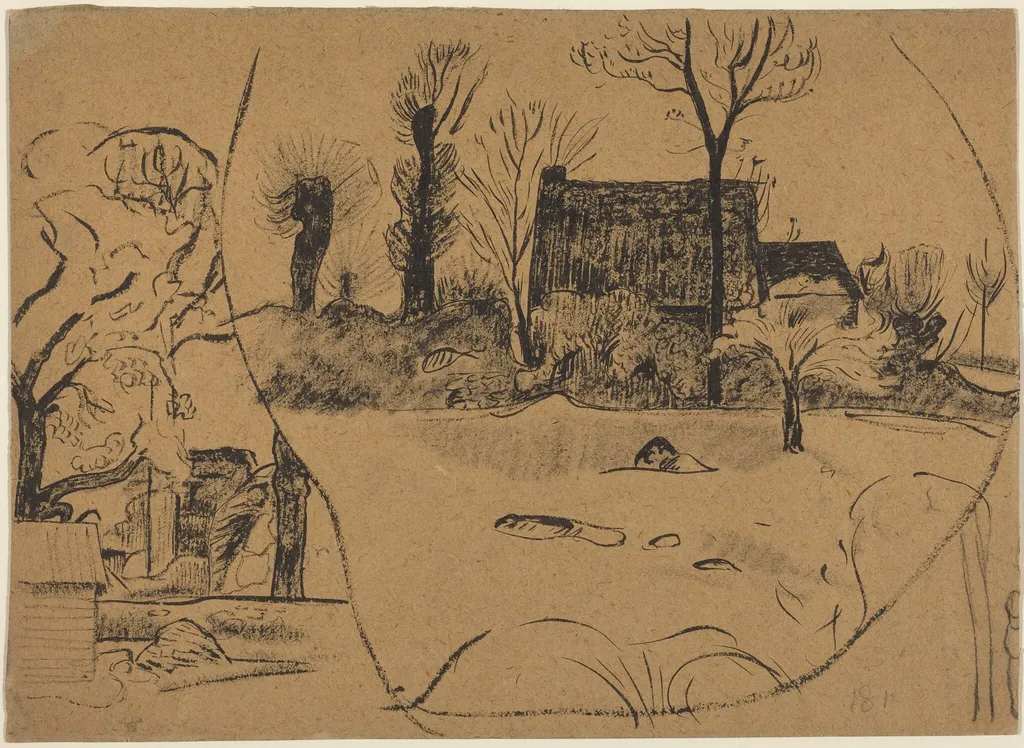
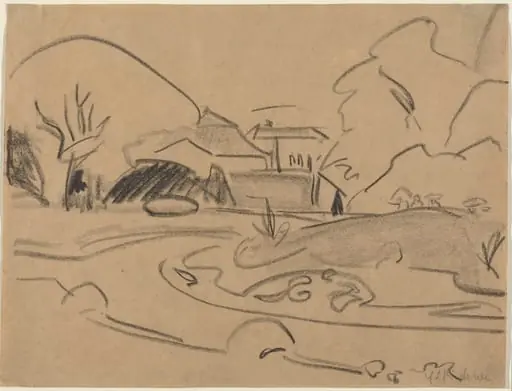
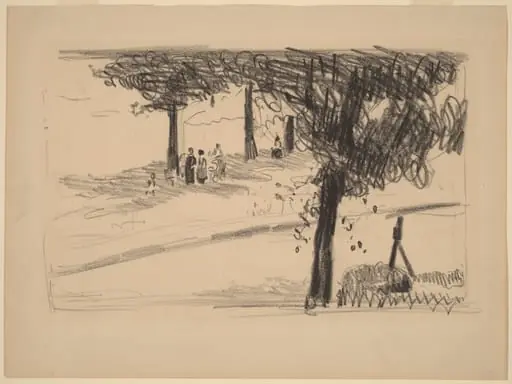
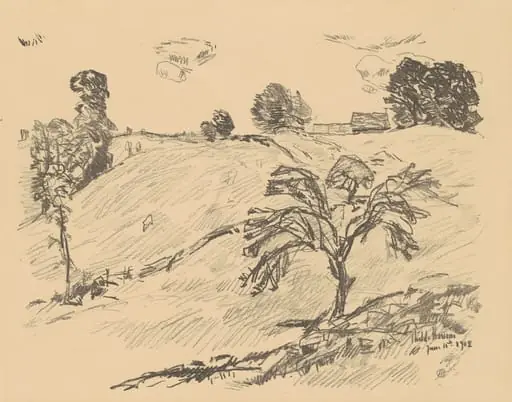
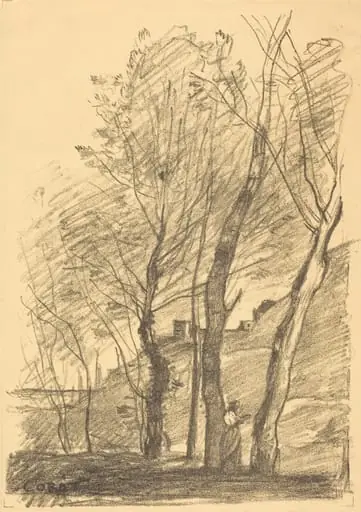
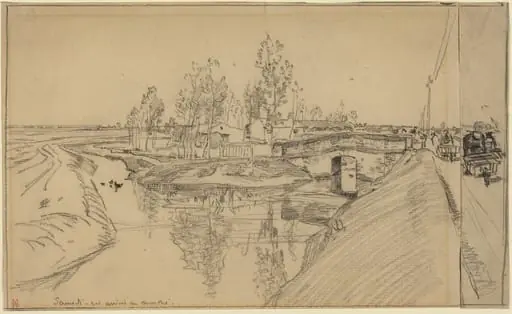
Landscape at Pont-Aven is an ink drawing by the Impressionist artist Paul Gauguin. It dates from 1888 and is held in the collection of the National Gallery of Art.
About this work
Overview
The work is part of a series of drawings and paintings made during his time in this rural community, where he sought new artistic directions.
Created around 1888, this ink drawing by Paul Gauguin captures a quiet scene in Pont-Aven, Brittany. Executed in black brushwork on brown textured paper, it reflects his shift away from Parisian academic norms toward more personal, experimental forms of expression. The work is part of a series of drawings and paintings made during his time in this rural community, where he sought new artistic directions.
Subject & Meaning
The composition centers on a modest house with a dark roof, surrounded by dense foliage. Rather than depicting a bustling scene, Gauguin isolates a solitary structure, suggesting introspection and withdrawal from urban life. The subdued palette and simplified forms evoke a sense of stillness, aligning with Symbolist interests in mood and inner experience over literal representation.
Technique & Style
Gauguin employed bold, fluid brushstrokes to define forms, using the natural tone of the paper as a mid-tone base. Dark ink defines shadows and contours, while the textured surface of the paper enhances the tactile quality of the landscape. The emphasis on line and tone, rather than color, reflects a move toward structural clarity and expressive economy, distinct from Impressionist concerns with light.
History & Provenance
Gauguin produced this work during his first extended stay in Pont-Aven, a gathering place for artists disillusioned with Parisian institutions. The drawing likely dates to late 1888, when he was developing his distinctive style alongside peers like Émile Bernard. Its survival as a private sketch underscores its role as a working study rather than a finished exhibition piece.
Context
In the late 1880s, Pont-Aven attracted artists seeking alternatives to academic realism and Impressionism. Gauguin’s time there coincided with the emergence of Synthetism, a style prioritizing simplified shapes and emotional resonance over naturalism. This drawing exemplifies his move toward abstraction and symbolic content, distancing himself from optical realism.
Legacy
Though lesser known than his oil paintings, this ink drawing reveals Gauguin’s foundational approach to form and space. Its restrained technique influenced later modernists interested in line and materiality. As a record of his artistic evolution in Brittany, it remains a quiet but significant document of his departure from conventional representation.
Artist & collection
Artist
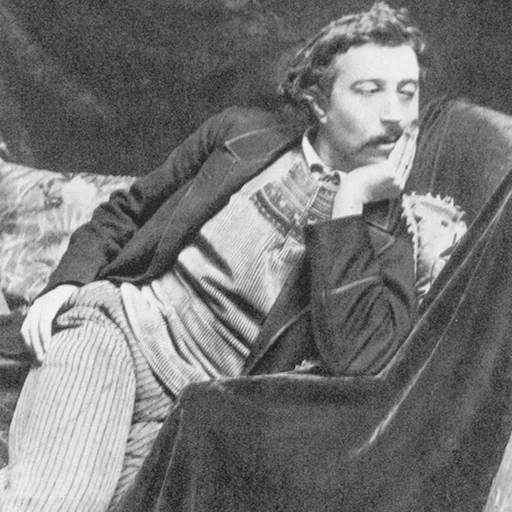
Eugène Henri Paul Gauguin (; French: ; 7 June 1848 – 8 May 1903) was a French painter, sculptor, printmaker, ceramist, and writer, whose work has been primarily associated with the Post-Impressionist and Symbolist movements.