Artwork
Footpaths and Pavilion in the Dresden Grosser Garten
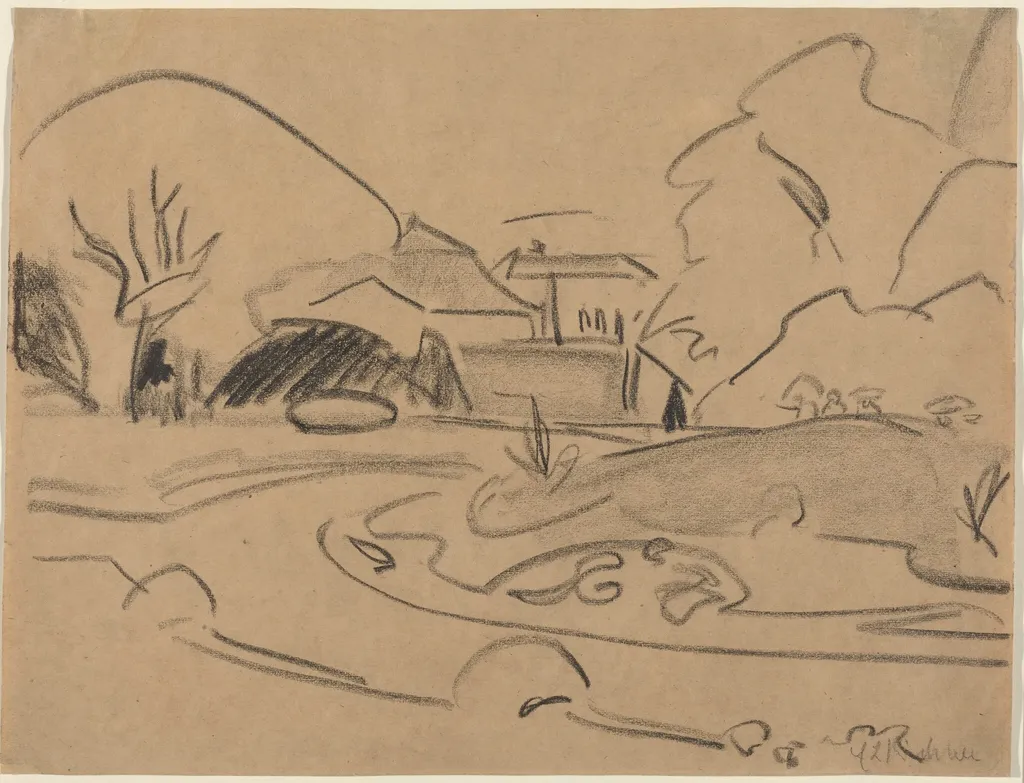
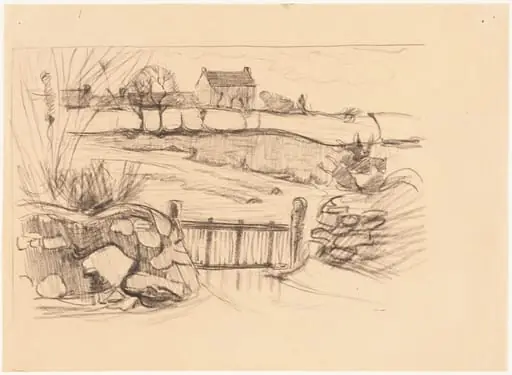
Footpaths and Pavilion in the Dresden Grosser Garten is a crayon drawing by Ernst Ludwig Kirchner. It dates from 1909 and is held in the collection of the National Gallery of Art.
About this work
Overview
Executed with black crayon on a sheet of brown wove paper, the work records a tranquil garden setting in Dresden.
Ernst Ludwig Kirchner’s drawing *Footpaths and Pavilion in the Dresden Grosser Garten* dates to roughly 1909. Executed with black crayon on a sheet of brown wove paper, the work records a tranquil garden setting in Dresden. The composition centers on winding walkways that lead to a modest pavilion, framed by sparsely branched trees. Its compact size and monochrome palette reflect the artist’s early experimental phase.
Subject & Meaning
The image captures a quiet urban park, emphasizing the interplay of open pathways and the small, roofed structure that serves as a focal point. By isolating the pavilion amid the meandering routes, Kirchner draws attention to the experience of movement through space and the fleeting moments of repose within a cultivated landscape.
Technique & Style
Kirchner employs rapid, uneven crayon strokes that convey a sense of immediacy, reminiscent of a hurried sketch. The dark lines contrast sharply with the light brown paper, delineating trees, paths, and architectural details with a loose, expressive hand. This approach anticipates the bold, emotive qualities that would later define German Expressionism.
History & Provenance
Created shortly after Kirchner co‑founded the avant‑garde group Die Brücke, the drawing illustrates his early engagement with modernist ideas. Though specific ownership records are limited, the work remains part of the artist’s documented output from the pre‑World‑I period, reflecting his transition from academic training to a more personal, expressive visual language.
Context
At the turn of the twentieth century, Dresden’s Grosser Garten served as a popular public space, offering artists a venue for plein‑air observation. Kirchner’s rendering aligns with contemporary interests in urban leisure environments, while his stylized treatment of the scene signals a departure from naturalistic representation toward a more subjective, emotional perspective.
Artist & collection
Artist
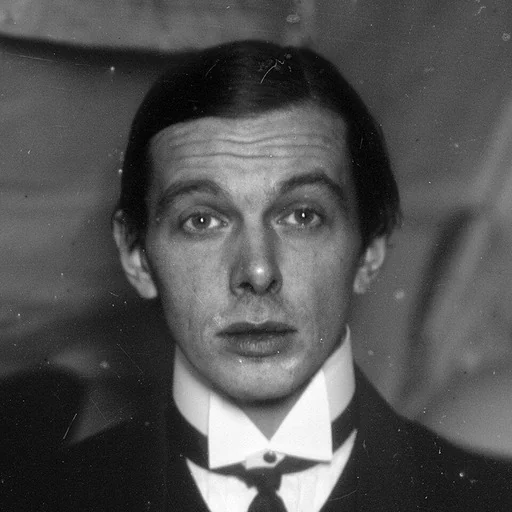
Ernst Ludwig Kirchner (6 May 1880 – 15 June 1938) was a German expressionist painter and printmaker.

![Dance Hall Bellevue [obverse], by Ernst Ludwig Kirchner](https://artifactworldgallery.com/img/ernst-ludwig-kirchner--dance-hall-bellevue-obverse--d1e14aac4297c69e-w320.webp)
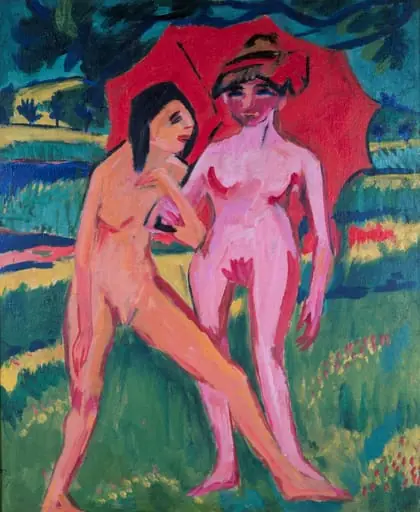
![Nude Figure [reverse], by Ernst Ludwig Kirchner](https://artifactworldgallery.com/img/ernst-ludwig-kirchner--nude-figure-reverse--4b135f0364753e98-w320.webp)
![Two Nudes [obverse], by Ernst Ludwig Kirchner](https://artifactworldgallery.com/img/ernst-ludwig-kirchner--two-nudes-obverse--eb3914183f0bc96d-w320.webp)
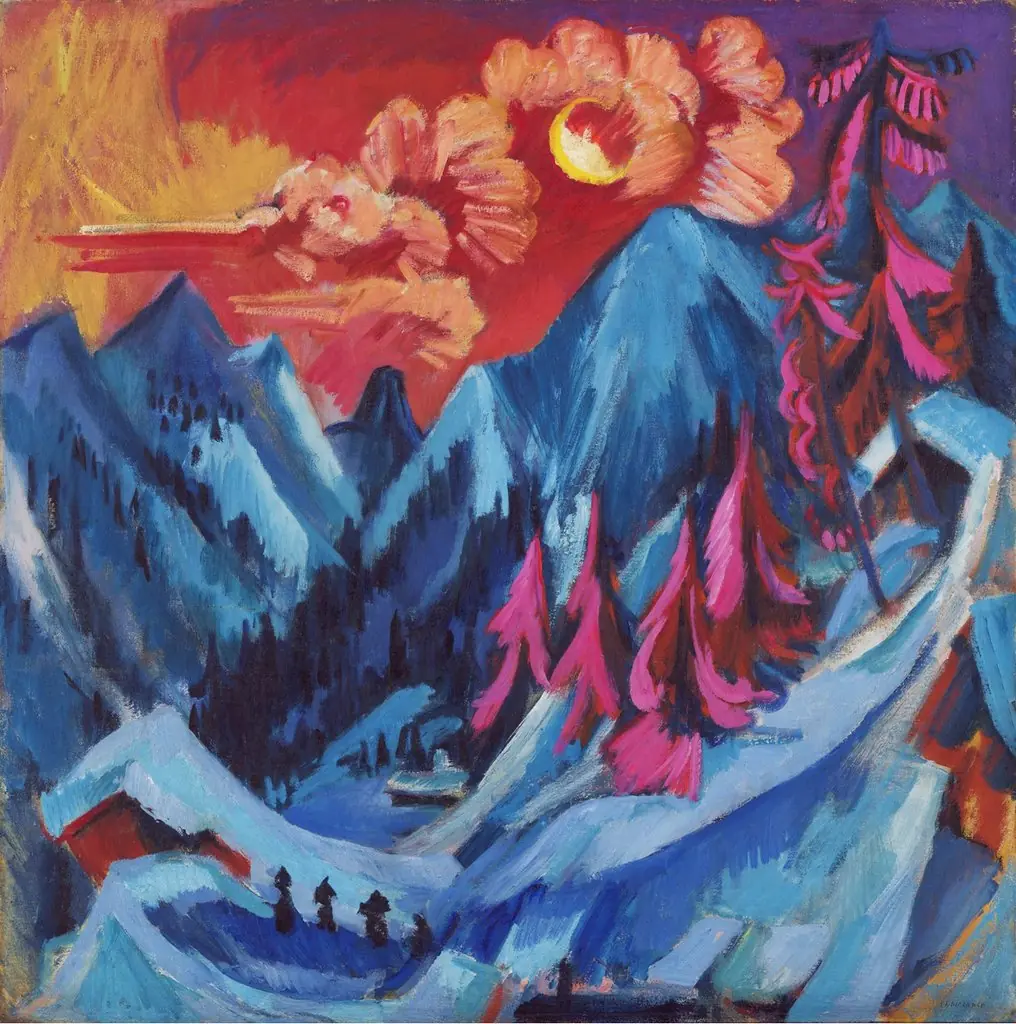
![Dancing Couple in the Snow [reverse], by Ernst Ludwig Kirchner](https://artifactworldgallery.com/img/ernst-ludwig-kirchner--dancing-couple-in-the-snow-reverse--87ca007d7c05b553-w320.webp)
![The Little Bridge [recto], by Paul Cezanne](https://artifactworldgallery.com/img/paul-cezanne--the-little-bridge-recto--f3c8e2d05f6dc79e-w320.webp)