Artwork
Manuscript Pages [verso]
![Manuscript Pages [verso], by Paul Gauguin, ink, 1886](https://artifactworldgallery.com/img/paul-gauguin--manuscript-pages-verso--9811f3263c629431-w1024.webp)
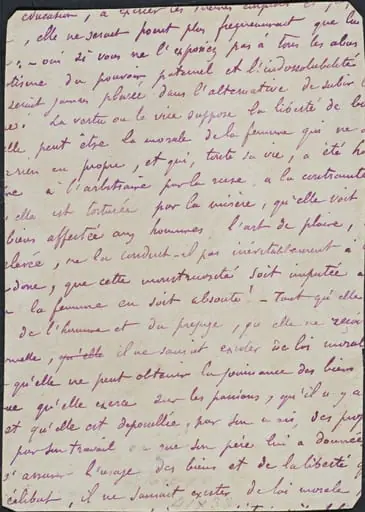
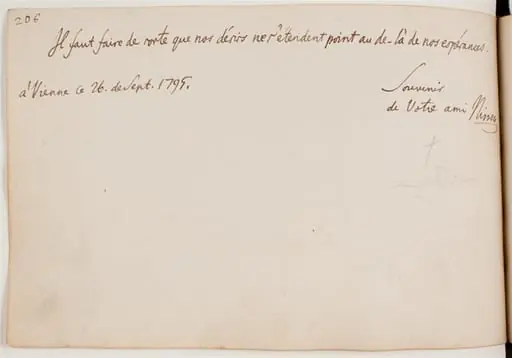
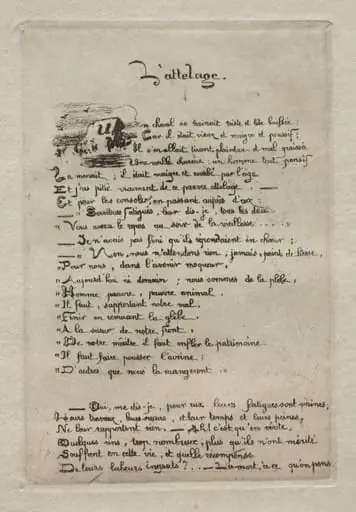
Manuscript Pages [verso] is an ink drawing by the Impressionist artist Paul Gauguin. It dates from 1886 and is held in the collection of the National Gallery of Art.
About this work
Overview
It is one of many such fragments from his creative process, capturing spontaneous reflections rather than formal compositions.
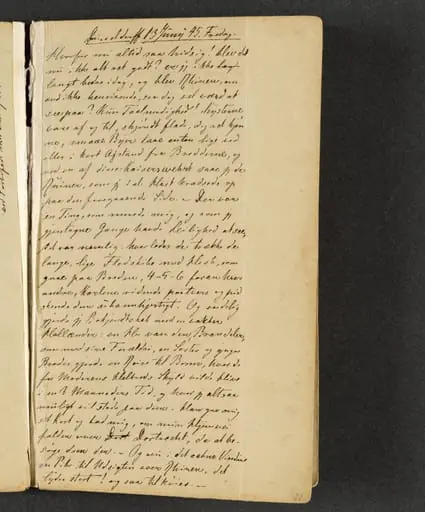
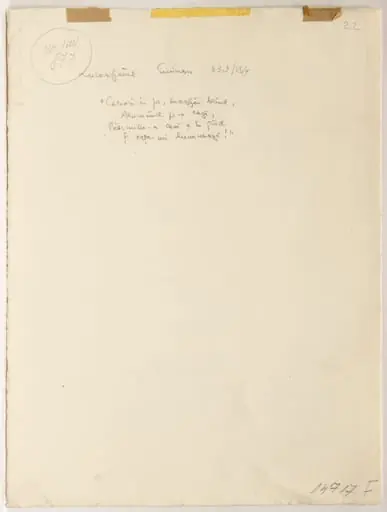
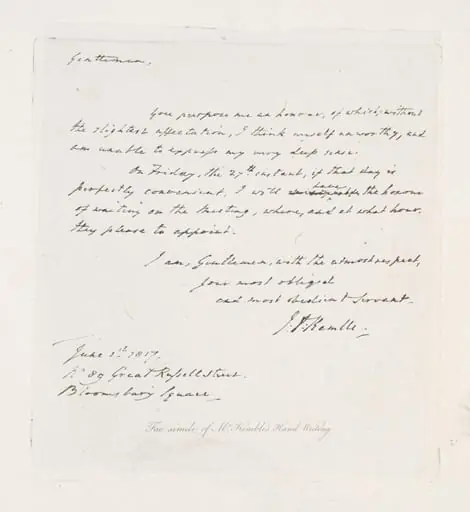
This verso page, dated 1886, contains handwritten notes by Paul Gauguin in brown ink on wove paper. It is one of many such fragments from his creative process, capturing spontaneous reflections rather than formal compositions. The paper shows signs of use—folds, frayed edges, and wear—indicating it was carried and consulted frequently. Its modest scale and informal medium contrast with his more finished works, yet it reveals the rhythm of his daily thinking.
Subject & Meaning
The text combines fleeting observations on art, music, and aesthetic theory, reflecting Gauguin’s intellectual engagement beyond painting. Phrases are fragmented, some crossed out, suggesting revision or hesitation. These notes reveal his internal dialogue as he distanced himself from Impressionism, seeking a more symbolic and personal language. The mix of topics hints at his belief in the interconnectedness of artistic disciplines and the role of intuition in creative expression.
Technique & Style
Gauguin’s handwriting is dense and uneven, with rapid, angular strokes that fill the page without regard for margins. The ink, thin and slightly faded, was applied with a pen, likely a reed or quill, producing variable line weight. The absence of illustrations or diagrams underscores its function as a textual sketchbook. The hurried quality mirrors his approach to drawing—direct, unpolished, and focused on capturing thought before it dissolved.
History & Provenance
The page originates from Gauguin’s time in Brittany during 1886, a period of intense experimentation following his break with the Impressionists. It was likely kept among his personal papers and later preserved by collectors or institutions interested in his process. Its survival as a standalone fragment, rather than bound in a volume, suggests it was valued for its authenticity rather than its completeness, offering insight into his private mind.
Context
In 1886, Gauguin was developing his Synthetist approach, emphasizing simplified forms and emotional resonance over naturalism. This page aligns with his broader rejection of academic conventions and his search for spiritual meaning in art. Contemporary letters and journals from this period show him similarly preoccupied with music, literature, and non-Western aesthetics—themes echoed in these hurried annotations, which function as intellectual groundwork for his later works.
Legacy
Though not a finished artwork, this manuscript page contributes to understanding Gauguin’s method as a thinker as much as a maker. Its preservation highlights the value placed on artists’ ephemeral writings in modern art scholarship. It stands as evidence of the intellectual labor behind his radical visual language, influencing later artists who sought to bridge writing and image as complementary forms of expression.
Artist & collection
Artist
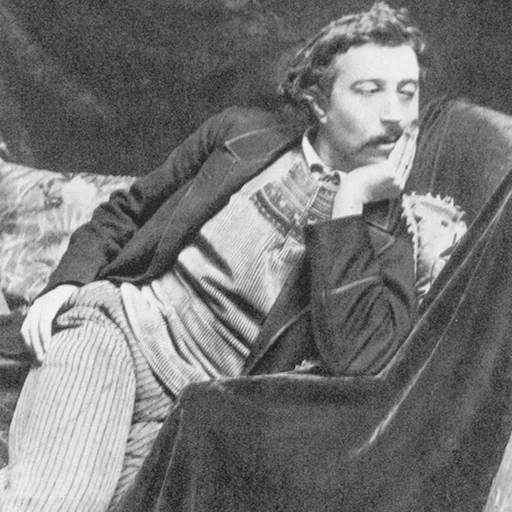
Eugène Henri Paul Gauguin (; French: ; 7 June 1848 – 8 May 1903) was a French painter, sculptor, printmaker, ceramist, and writer, whose work has been primarily associated with the Post-Impressionist and Symbolist movements.

![Head of a Monkey; Inventory of Bottles and Beverages [verso], by Paul Gauguin](https://artifactworldgallery.com/img/paul-gauguin--head-of-a-monkey-inventory-of-bottles-and-beverages-verso--0d4bb62a8bd056d4-w320.webp)