Artwork
Untitled
Untitled is a watercolor drawing by the Impressionist artist Paul Gauguin. It dates from 1889 and is held in the collection of the Museum of Modern Art.
About this work
They worked side-by-side, but Gauguin never finished the portrait—this is just a quick study, not a polished painting.
This is a small watercolor sketch of a man with a red beard and dark, deep-set eyes. He’s looking straight at you, but his face is half in shadow.
Gauguin drew this in 1889 while living in Brittany, France. The man is Meijer de Haan, a Dutch painter who was also staying there. They worked side-by-side, but Gauguin never finished the portrait—this is just a quick study, not a polished painting.
If you like how Gauguin layers color, look up the technique called glazing.
Overview
Created in 1889, this small watercolor and pencil drawing by Paul Gauguin is an unfinished study executed during his time in Brittany. It captures a fleeting moment of observation rather than a formal portrait, reflecting his interest in spontaneous expression over polished finish. The work is part of The Museum of Modern Art’s collection and belongs to a series of informal figures Gauguin rendered while living among fellow artists in rural France.
Subject & Meaning
The subject is Meijer de Haan, a Dutch painter and associate of Gauguin during their shared stay in Brittany. Depicted with a red beard and intense, shadowed gaze, the figure confronts the viewer directly, suggesting psychological presence rather than physical likeness. Gauguin’s focus on expression over detail aligns with Symbolist tendencies, prioritizing inner state over external realism.
Technique & Style
Gauguin applied watercolor in thin, layered washes, allowing underlying pencil lines to remain visible, creating a sense of immediacy. The use of glazing—building color through translucent layers—enhances the depth of the shadowed half of the face. His approach diverges from Impressionist optical effects, favoring flattened forms and bold contrasts that anticipate Synthetism’s emphasis on emotional tone over naturalism.
History & Provenance
Executed in 1889 during Gauguin’s stay in Pont-Aven, the drawing was likely made in direct response to his collaboration with de Haan, who also experimented with non-traditional techniques. It remained in private hands until entering The Museum of Modern Art’s collection, where it is now preserved as evidence of Gauguin’s transitional period between Impressionism and his later, more stylized work.
Context
In late 1880s Brittany, Gauguin and a circle of artists sought to move beyond Impressionism by embracing symbolic content and simplified forms. This drawing emerged amid intense artistic exchange with de Haan and others, who shared an interest in medieval woodcuts and non-Western aesthetics. The sketch reflects a broader movement toward abstraction and emotional resonance in French avant-garde circles.
Legacy
Though unfinished, this study exemplifies Gauguin’s shift toward expressive simplification and psychological depth. It influenced later Symbolist and Expressionist artists who valued raw observation over technical finish. As a record of his working process, it reveals how his mature style developed through informal, experimental sketches rather than completed compositions.
Artist & collection
Artist
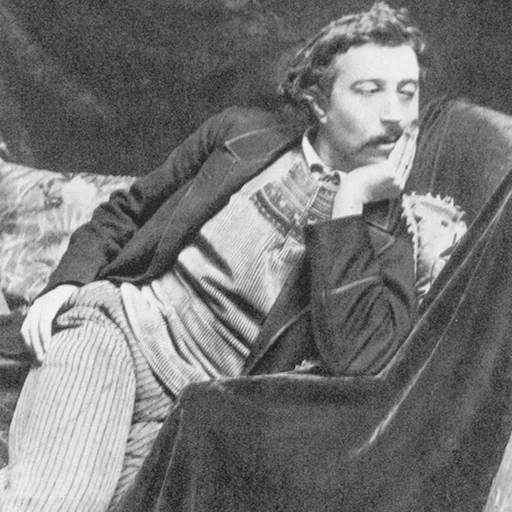
Eugène Henri Paul Gauguin (; French: ; 7 June 1848 – 8 May 1903) was a French painter, sculptor, printmaker, ceramist, and writer, whose work has been primarily associated with the Post-Impressionist and Symbolist movements.

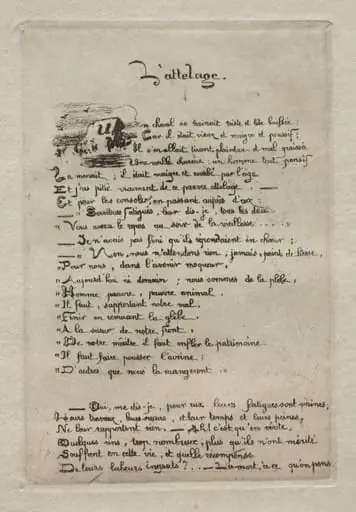
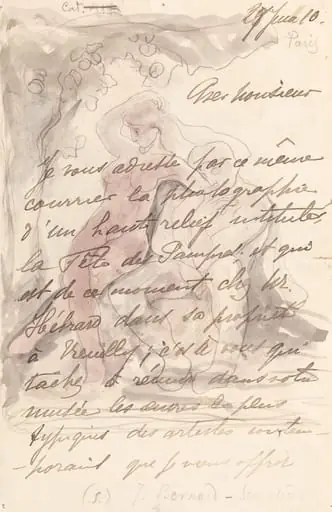
![Manuscript Pages [recto], by Paul Gauguin](https://artifactworldgallery.com/img/paul-gauguin--manuscript-pages-recto--a54a0310be75e0fc-w320.webp)
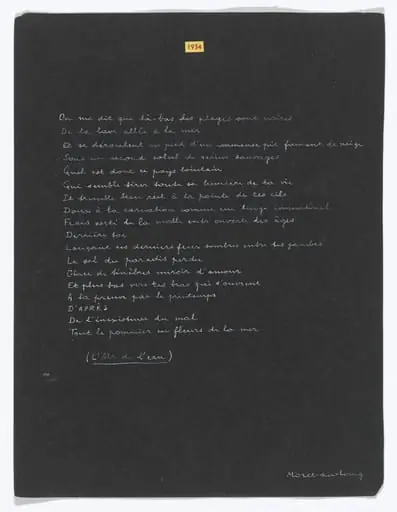
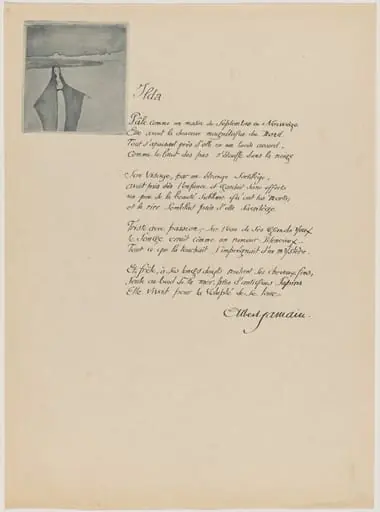
![Manuscript Pages [recto], by Paul Gauguin](https://artifactworldgallery.com/img/paul-gauguin--manuscript-pages-recto--9a9aace1c0aab87c-w320.webp)
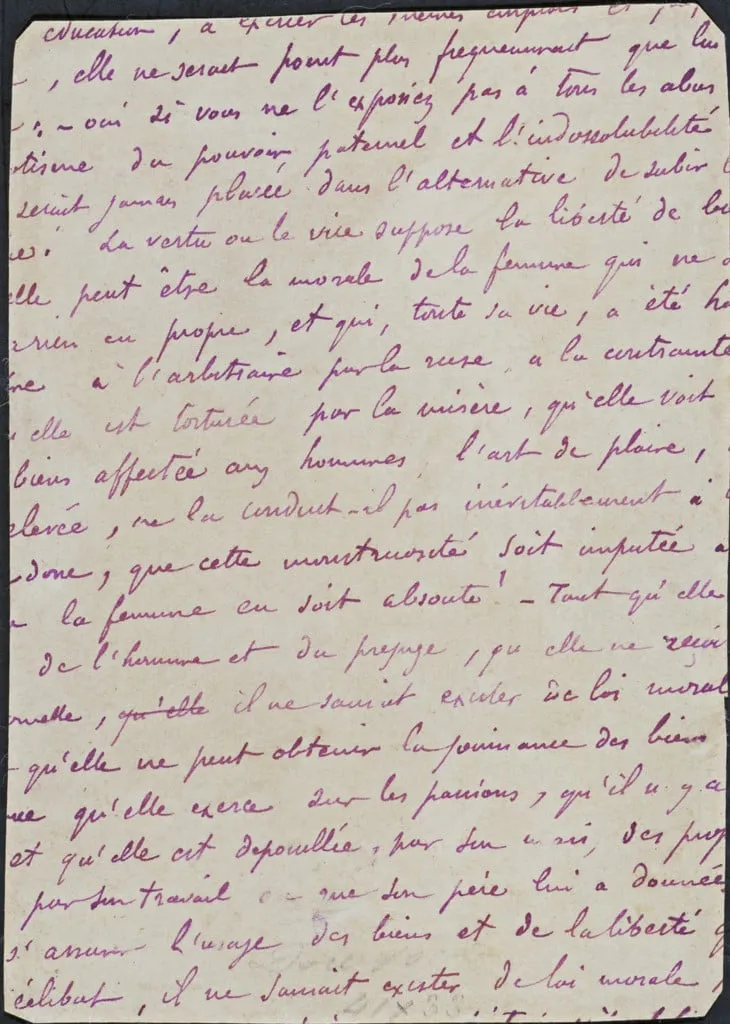
![Manuscript Pages [verso], by Paul Gauguin](https://artifactworldgallery.com/img/paul-gauguin--manuscript-pages-verso--9811f3263c629431-w320.webp)
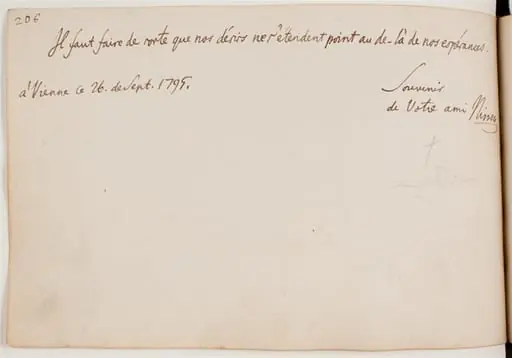
![Address List; Manuscript Page [recto], by Paul Gauguin](https://artifactworldgallery.com/img/paul-gauguin--address-list-manuscript-page-recto--080168a960f0e510-w320.webp)
![Manuscript Pages [verso], by Paul Gauguin](https://artifactworldgallery.com/img/paul-gauguin--manuscript-pages-verso--7675693ce6bfdd93-w320.webp)
![Manuscript Pages [verso], by Paul Gauguin](https://artifactworldgallery.com/img/paul-gauguin--manuscript-pages-verso--7220ad7c547e1bb1-w320.webp)