Artwork
Head of a Monkey; Inventory of Bottles and Beverages [verso]
![Head of a Monkey; Inventory of Bottles and Beverages [verso], by Paul Gauguin, ink, 1886](https://artifactworldgallery.com/img/paul-gauguin--head-of-a-monkey-inventory-of-bottles-and-beverages-verso--0d4bb62a8bd056d4-w1024.webp)
Head of a Monkey; Inventory of Bottles and Beverages [verso] is an ink drawing by the Impressionist artist Paul Gauguin. It dates from 1886 and is held in the collection of the National Gallery of Art. This drawing, created between 1884 and 1888, features a monkey’s head on one side and a list of bottles and beverages on the reverse.
About this work
The painting is called Head of a Monkey; Inventory of Bottles and Beverages.
It was made by Paul Gauguin between 1884 and 1888.
The artist used various mediums like graphite and brown ink on wove paper, which is interesting because it shows the range of techniques he was experimenting with during this period.
Check out the National Gallery of Art, Washington to learn more about this work.
Overview
This drawing, created between 1884 and 1888, features a monkey’s head on one side and a list of bottles and beverages on the reverse.
This drawing, created between 1884 and 1888, features a monkey’s head on one side and a list of bottles and beverages on the reverse. Executed in graphite, crayon, and pen with brown ink on wove paper, it exemplifies Gauguin’s interest in mixed-media experimentation during a period of stylistic transition. The dual-sided composition suggests a casual, exploratory approach, typical of his working process outside formal compositions.
Subject & Meaning
The monkey’s head may reflect Gauguin’s fascination with primal or non-Western symbolism, a theme that would later dominate his work. The inventory of bottles and beverages on the reverse could reference everyday life in Brittany or Paris, contrasting the organic form of the animal with the rigid cataloging of consumer goods. Together, the two sides may hint at tensions between nature and civilization, or spontaneity and order.
Technique & Style
Gauguin combined graphite for soft contours, crayon for textured shading, and pen with brown ink for sharp definition, creating a layered visual rhythm. The lack of uniformity in line and tone reflects his departure from academic precision. This experimental handling of materials aligns with his broader rejection of Impressionist naturalism in favor of expressive, symbolic forms.
History & Provenance
The drawing is part of Gauguin’s personal sketchbook material from his time in Brittany and Paris, produced as he moved away from conventional subjects toward more introspective and symbolic imagery. It entered the National Gallery of Art’s collection through established acquisition channels, preserving its role as a document of his artistic development during the mid-1880s.
Context
During this period, Gauguin was distancing himself from Impressionist circles and seeking alternative modes of expression influenced by medieval art, Japanese prints, and non-European cultures. His drawings from this time often served as studies for paintings or as independent explorations of form and meaning, reflecting his growing interest in spiritual and primitive themes.
Legacy
This work contributes to the understanding of Gauguin’s process as a draftsman who treated paper as a space for inquiry rather than finish. Its dual-sided nature reveals how he layered ideas across surfaces, influencing later artists who valued sketchbooks as repositories of thought. It stands as a quiet testament to his evolving vision before his departure to Tahiti.
Artist & collection
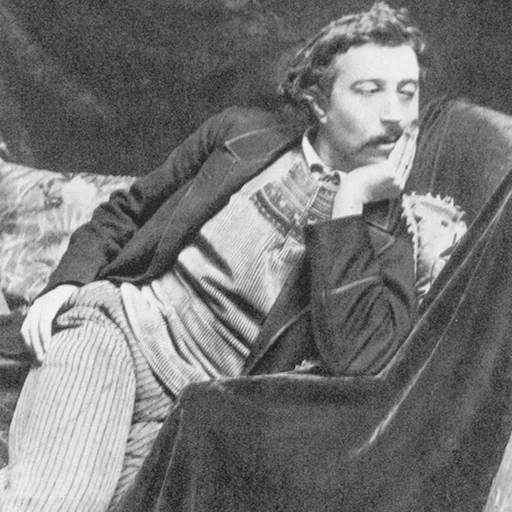
Artist
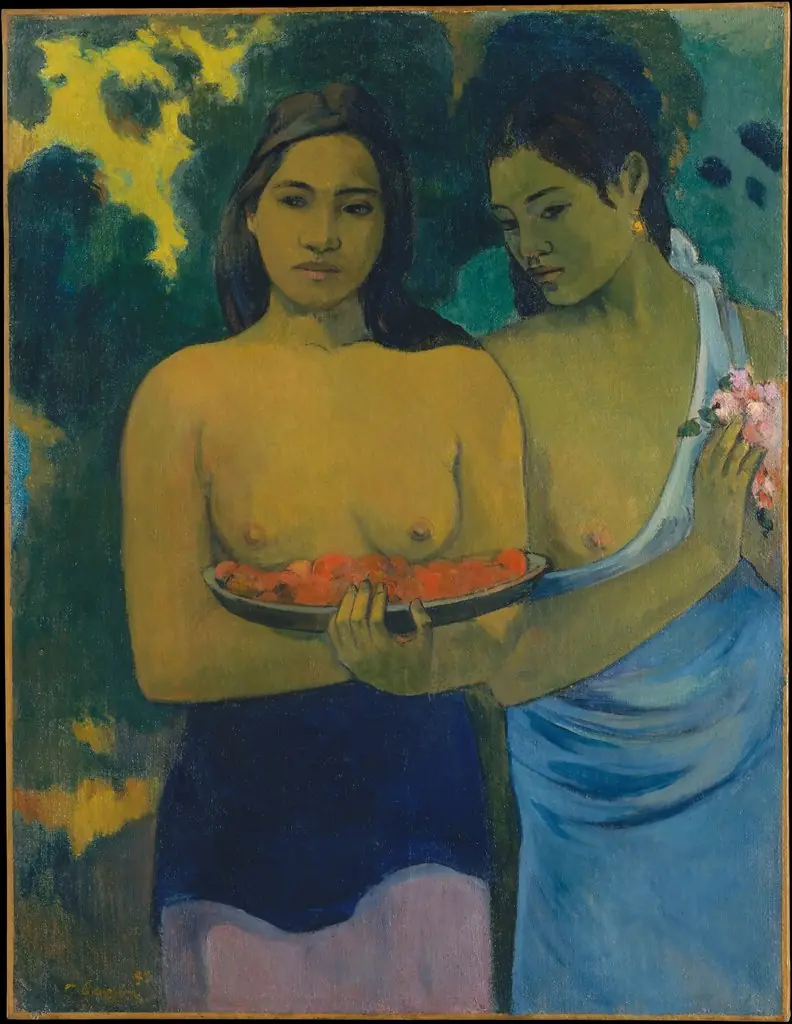
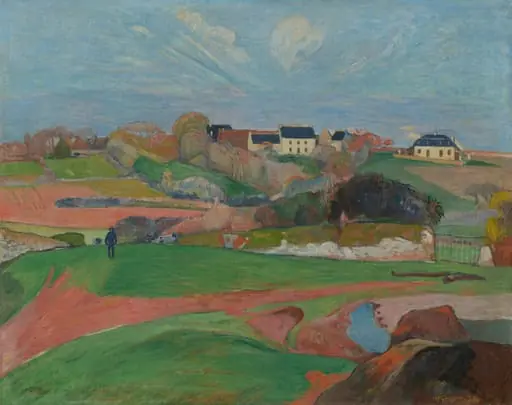
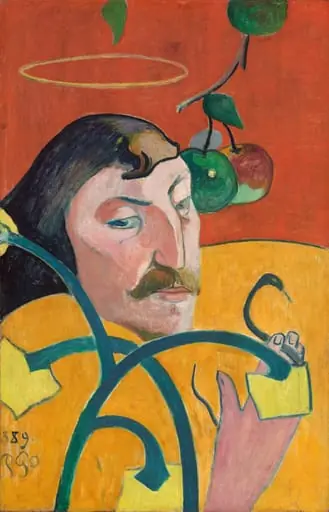
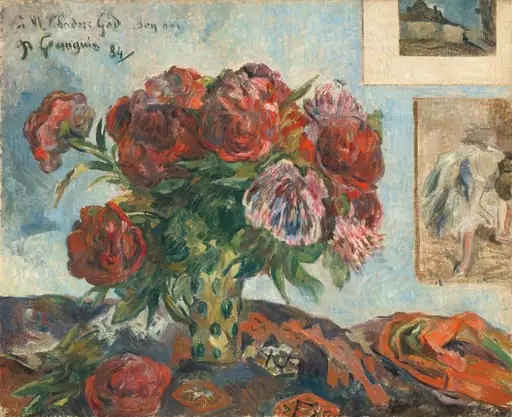
Eugène Henri Paul Gauguin (; French: ; 7 June 1848 – 8 May 1903) was a French painter, sculptor, printmaker, ceramist, and writer, whose work has been primarily associated with the Post-Impressionist and Symbolist movements.

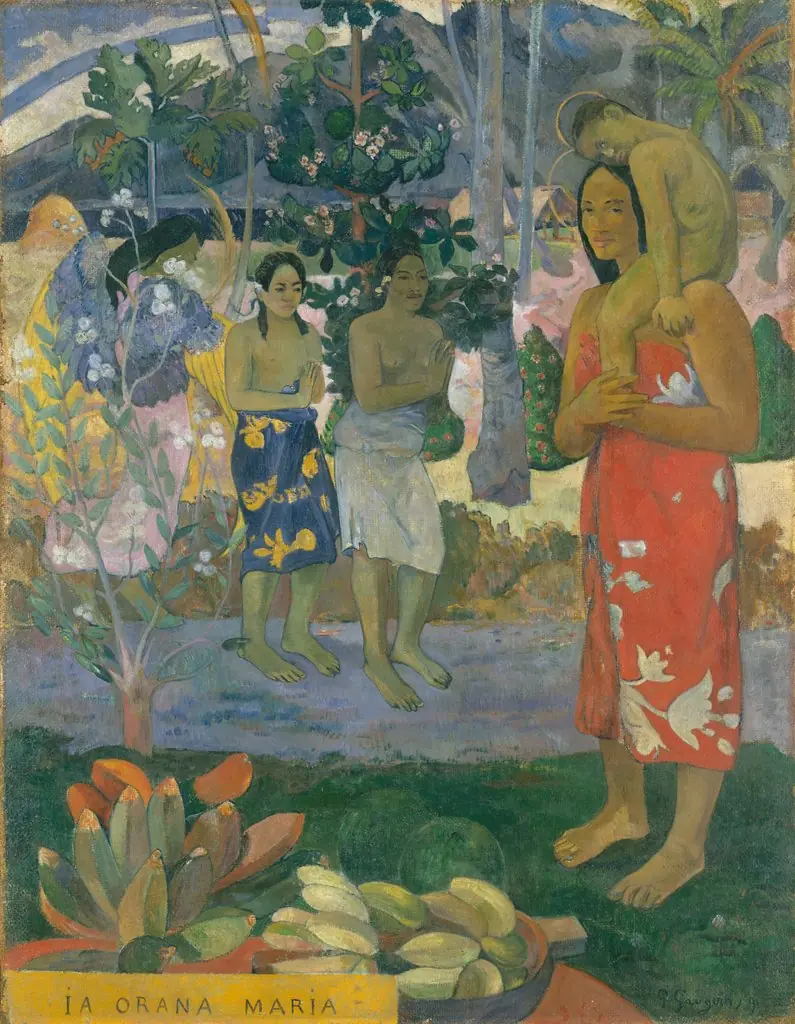
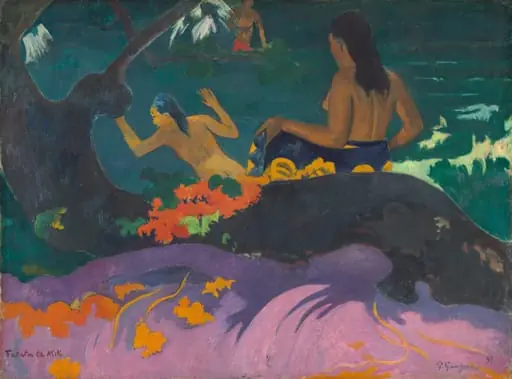
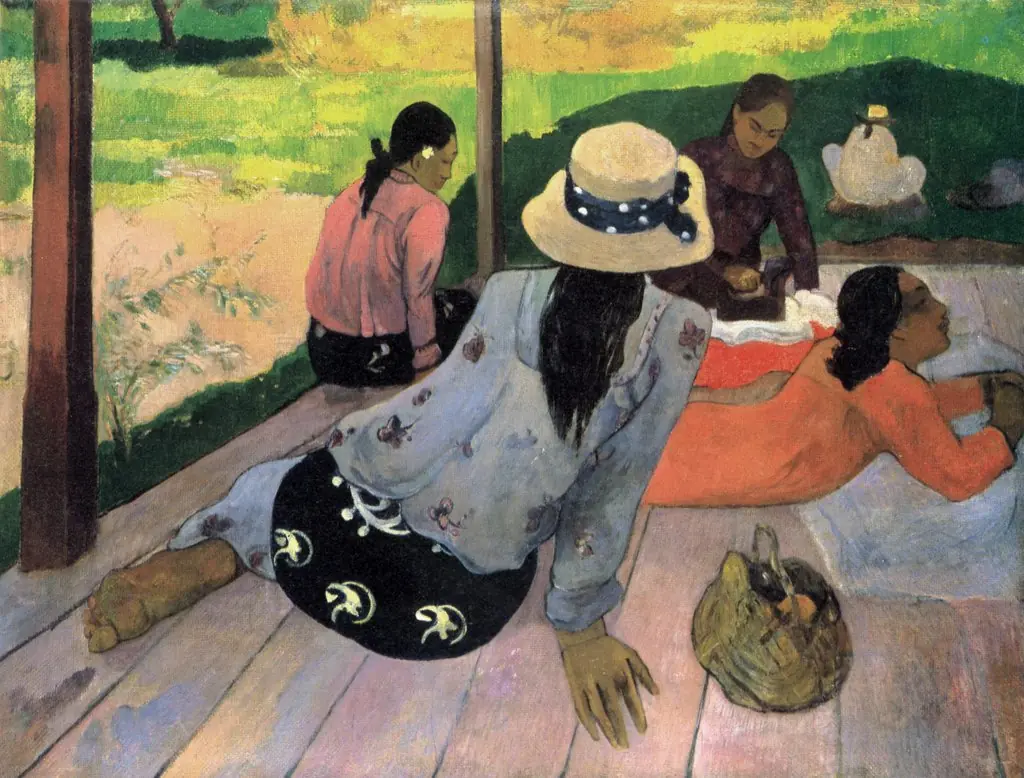
![A Profile and Four Shapes; Sketch of a Man's Head [recto], by Paul Gauguin](https://artifactworldgallery.com/img/paul-gauguin--a-profile-and-four-shapes-sketch-of-a-man-s-head-recto--5fde9bfd1a02c6cf-w320.webp)
![Crouching Monkey and Man's Head; Bones and Muscles [verso], by Paul Gauguin](https://artifactworldgallery.com/img/paul-gauguin--crouching-monkey-and-man-s-head-bones-and-muscles-verso--6ce66c8fb6bba7c2-w320.webp)