Artwork
Te Faruru (They are Making Love Here)
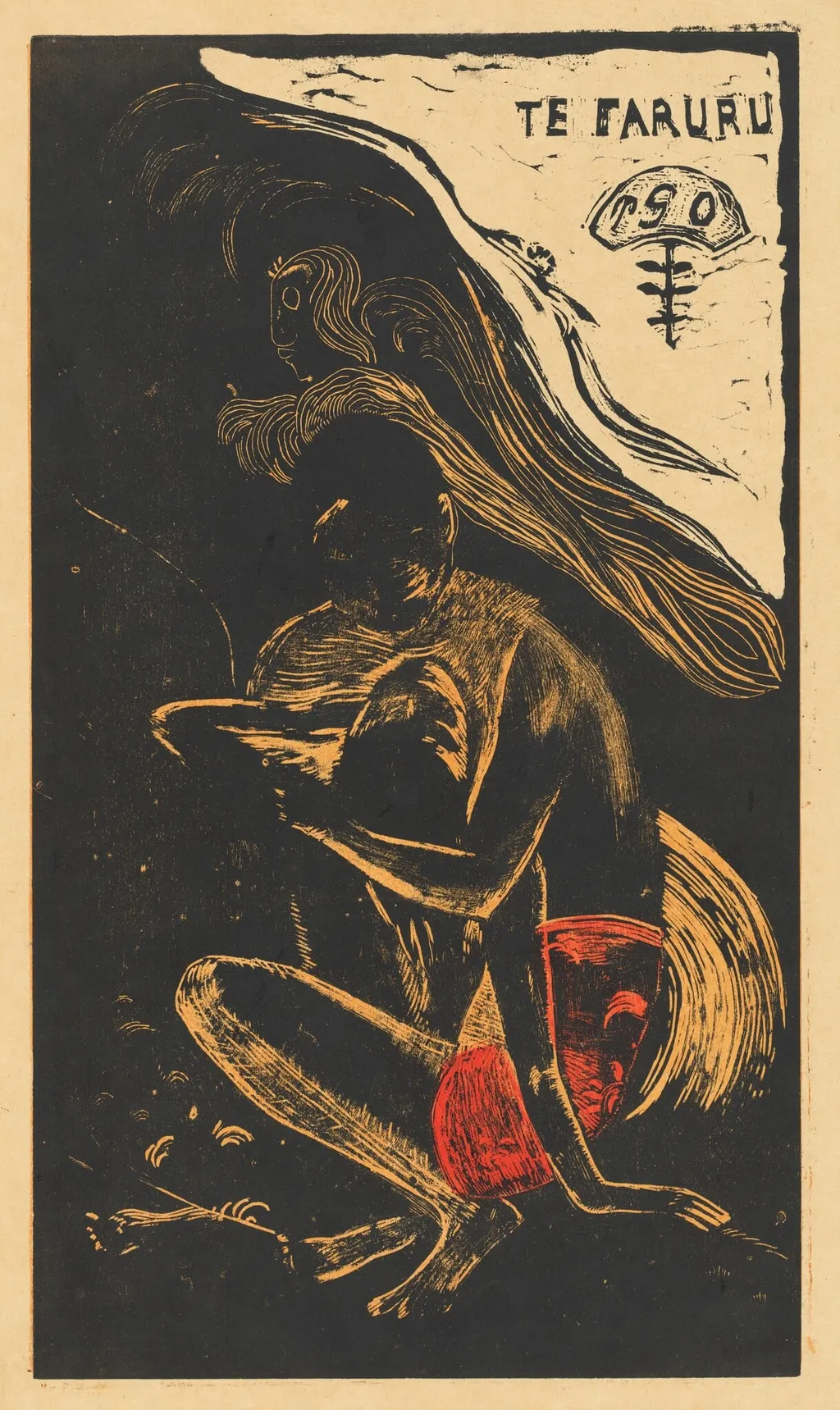
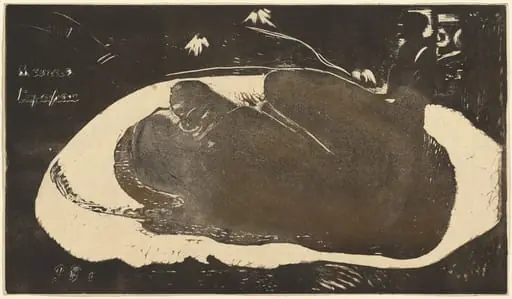
Te Faruru (They are Making Love Here) is an ink print by the Impressionist artist Paul Gauguin. It dates from 1894 and is held in the collection of the National Gallery of Art.
About this work
Overview
Created in 1894, *Te Faruru (They are Making Love Here)* is a color woodcut by Paul Gauguin, part of his experimental phase in printmaking.
Created in 1894, *Te Faruru (They are Making Love Here)* is a color woodcut by Paul Gauguin, part of his experimental phase in printmaking. Unlike traditional painting, this work uses carved wooden blocks and layered pigments to produce bold, flat areas of color. Gauguin moved away from naturalistic representation, embracing a simplified, symbolic aesthetic that aligned with his Synthetist principles and interest in non-Western artistic traditions.
Subject & Meaning
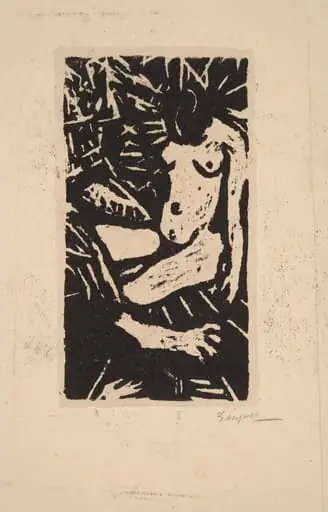
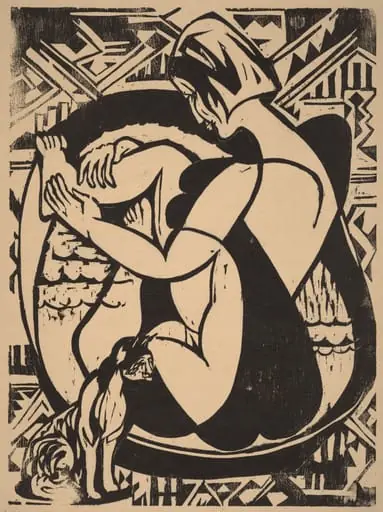
The print depicts two entwined figures in an intimate embrace, their faces obscured, suggesting a universal rather than personal moment. The title, drawn from Tahitian language, points to physical closeness, yet the lack of individual identity invites broader interpretations of desire, ritual, or primal connection. A red cloth and glowing cup between them introduce elements of ritual or sensuality, while the abstracted setting distances the scene from literal representation.
Technique & Style
Gauguin employed woodcut techniques with carved lines and multiple blocks to layer colors, creating a tactile, graphic quality. Bold black outlines define the figures, while flat, unmodulated hues—especially the vivid reds—contrast against a chaotic background of swirling, textured lines. The absence of shading and perspective reinforces a stylized, symbolic approach, prioritizing emotional resonance over optical realism.
History & Provenance
Made during Gauguin’s second stay in Tahiti, the print emerged from his efforts to develop a new visual language independent of European conventions. He produced limited editions of woodcuts, often printing them himself with hand-mixed pigments. *Te Faruru* was likely printed in 1894 or shortly after, and survives in a small number of known impressions held in museum collections, reflecting its status as a rare and personal experiment.
Context
Gauguin’s work in Tahiti was shaped by his search for cultural authenticity and spiritual renewal, though his interpretations were filtered through colonial perspectives. His woodcuts responded to both indigenous forms and Japanese prints, blending them with Symbolist ideals. *Te Faruru* reflects his broader rejection of academic art, favoring emotional expression and mythic themes over naturalism, even as it engaged with exoticized notions of the Pacific.
Legacy
The print contributed to the revival of woodcut as a serious artistic medium in modern art, influencing Expressionist and Primitivist movements. Its emphasis on symbolic form, flattened space, and emotional intensity prefigured later 20th-century developments in printmaking. Though less widely known than his paintings, *Te Faruru* remains a key example of Gauguin’s innovative approach to technique and his complex engagement with cultural identity.
Artist & collection
Artist
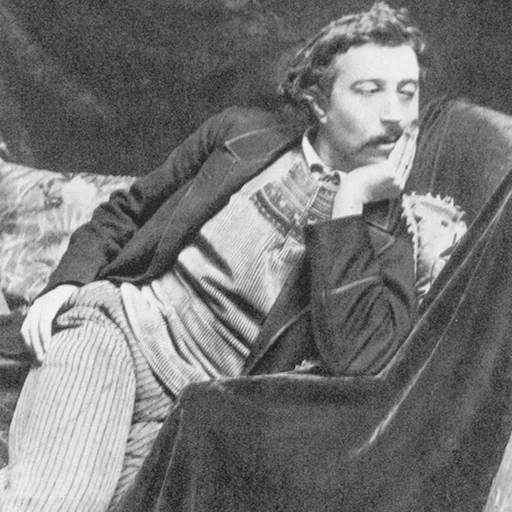
Eugène Henri Paul Gauguin (; French: ; 7 June 1848 – 8 May 1903) was a French painter, sculptor, printmaker, ceramist, and writer, whose work has been primarily associated with the Post-Impressionist and Symbolist movements.

![Mahna no Varua Ino (The Demon Speaks) [verso], by Paul Gauguin](https://artifactworldgallery.com/img/paul-gauguin--mahna-no-varua-ino-the-demon-speaks-verso--4d5371963e3166cc-w320.webp)