Artwork
Three Studies of a Pig; Breton Boy Walking with a Jug [recto]
![Three Studies of a Pig; Breton Boy Walking with a Jug [recto], by Paul Gauguin, graphite, 1886](https://artifactworldgallery.com/img/paul-gauguin--three-studies-of-a-pig-breton-boy-walking-with-a-jug-recto--41e372c1f8d8303d-w1024.webp)
Three Studies of a Pig; Breton Boy Walking with a Jug [recto] is a graphite drawing by the Impressionist artist Paul Gauguin. It dates from 1886 and is held in the collection of the National Gallery of Art.
About this work
Overview
The work reflects Gauguin’s interest in rural life during his time in Brittany, where he sought subjects removed from urban modernity.
Created in 1886, this drawing by Paul Gauguin combines two observational studies on a single sheet of wove paper. Executed in crayon and graphite, it captures a Breton boy in motion alongside fragmented sketches of a pig and a jug. The work reflects Gauguin’s interest in rural life during his time in Brittany, where he sought subjects removed from urban modernity. Its informal, rapid execution suggests a sketchbook page rather than a finished composition.
Subject & Meaning
The drawing juxtaposes a solitary Breton peasant boy, depicted mid-stride with a jug, against two animal studies on the left. The boy’s simple attire and unposed stance convey quiet daily labor, while the pig and jug—likely tools of rural existence—anchor the scene in local reality. Gauguin’s focus on ordinary figures and objects aligns with his broader rejection of academic idealism in favor of authentic, unembellished life.
Technique & Style
Gauguin employed loose, energetic strokes in crayon and graphite to suggest form without detailed rendering. The lines are fluid and economical, capturing movement in the boy’s walk and the bulk of the pig with minimal definition. Soft tonal gradations and smudged contours create a sense of immediacy, reinforcing the sketch’s spontaneity. This approach reflects his move toward Synthetism, prioritizing emotional resonance over naturalistic detail.
History & Provenance
The drawing originates from Gauguin’s 1886 stay in Pont-Aven, Brittany, a period marked by his deepening engagement with peasant life and local traditions. It likely formed part of a series of studies made during walks through the countryside. The work remained in private hands until entering a public collection, where it is now recognized as a key example of his early Post-Impressionist practice.
Context
In 1886, Gauguin distanced himself from Parisian Impressionism, seeking inspiration in rural France. His time in Brittany coincided with the formation of the Pont-Aven School, where artists embraced flat planes, bold outlines, and symbolic content. This drawing reflects that shift: it is neither purely documentary nor fully symbolic, but a transitional work bridging observation and stylization.
Legacy
Though not widely exhibited, this drawing exemplifies Gauguin’s evolving approach to drawing as a vehicle for emotional and cultural expression. Its raw, unpolished quality influenced later artists interested in the expressive potential of sketching. It stands as a quiet testament to his commitment to capturing the dignity of everyday life beyond urban centers.
Artist & collection
Artist
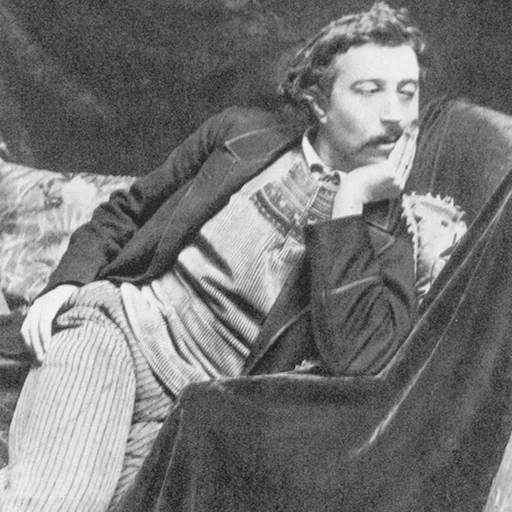
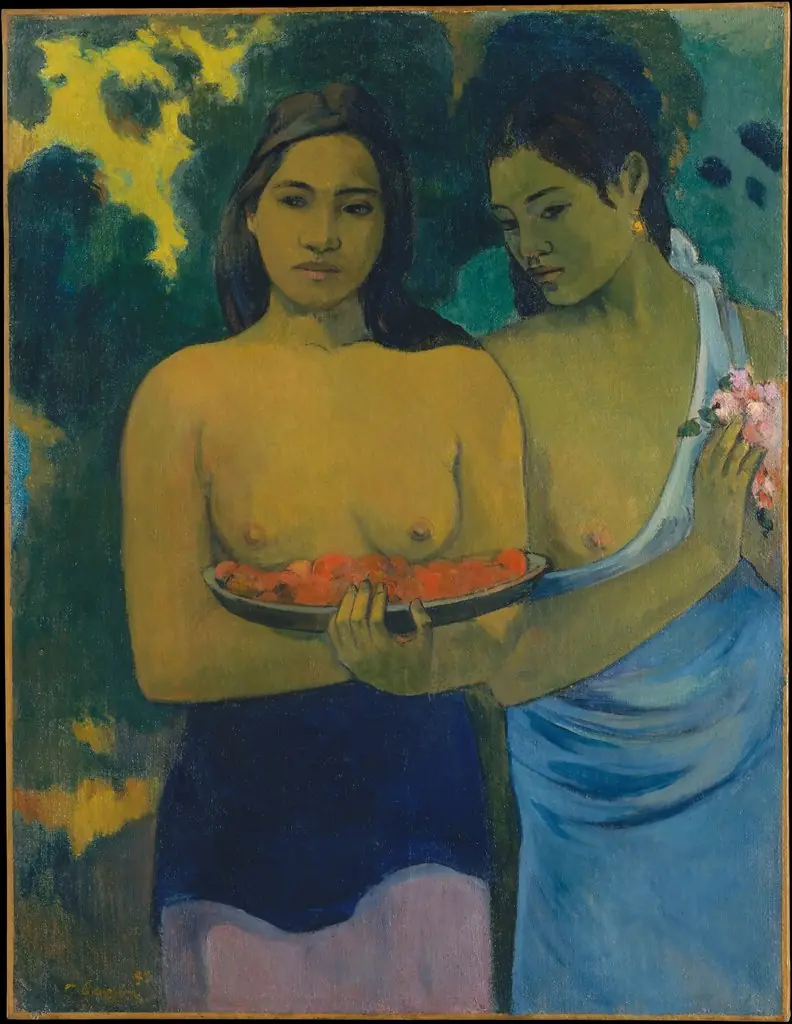
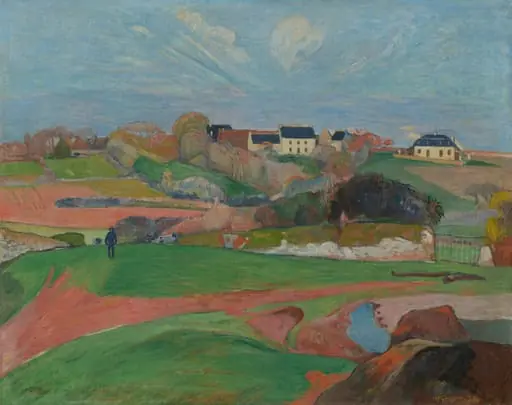
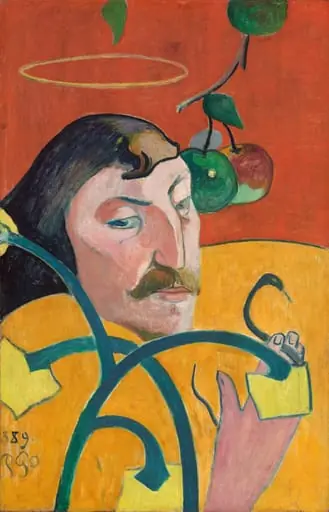
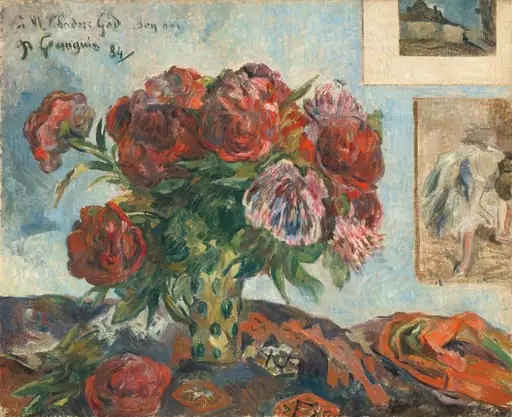
Eugène Henri Paul Gauguin (; French: ; 7 June 1848 – 8 May 1903) was a French painter, sculptor, printmaker, ceramist, and writer, whose work has been primarily associated with the Post-Impressionist and Symbolist movements.

![A Breton Boy with a Jug; Five Animal Forms [verso], by Paul Gauguin](https://artifactworldgallery.com/img/paul-gauguin--a-breton-boy-with-a-jug-five-animal-forms-verso--6c7ccd6ec6ab04ac-w320.webp)
![Little Breton Boy; A Pig and a Washerwoman [recto], by Paul Gauguin](https://artifactworldgallery.com/img/paul-gauguin--little-breton-boy-a-pig-and-a-washerwoman-recto--e104e07b475c372e-w320.webp)
![A Pig; Breton Peasant Kneeling [verso], by Paul Gauguin](https://artifactworldgallery.com/img/paul-gauguin--a-pig-breton-peasant-kneeling-verso--7b9f71fc8b8672db-w320.webp)
![Studies of Dogs and a Seated Boy [recto], by James Goodwyn Clonney](https://artifactworldgallery.com/img/james-goodwyn-clonney--studies-of-dogs-and-a-seated-boy-recto--440d550e9055fba3-w320.webp)
![Two Heads; Studies of Sheep [recto], by Paul Gauguin](https://artifactworldgallery.com/img/paul-gauguin--two-heads-studies-of-sheep-recto--d045b25e15a504f5-w320.webp)
![Studies of Jugs and Vases; A Man with Moustache and a Boy with a Hat [recto], by Paul Gauguin](https://artifactworldgallery.com/img/paul-gauguin--studies-of-jugs-and-vases-a-man-with-moustache-and-a-boy-wit--f45745e972a40252-w320.webp)