Artwork
Guy Little Theatrical Photograph
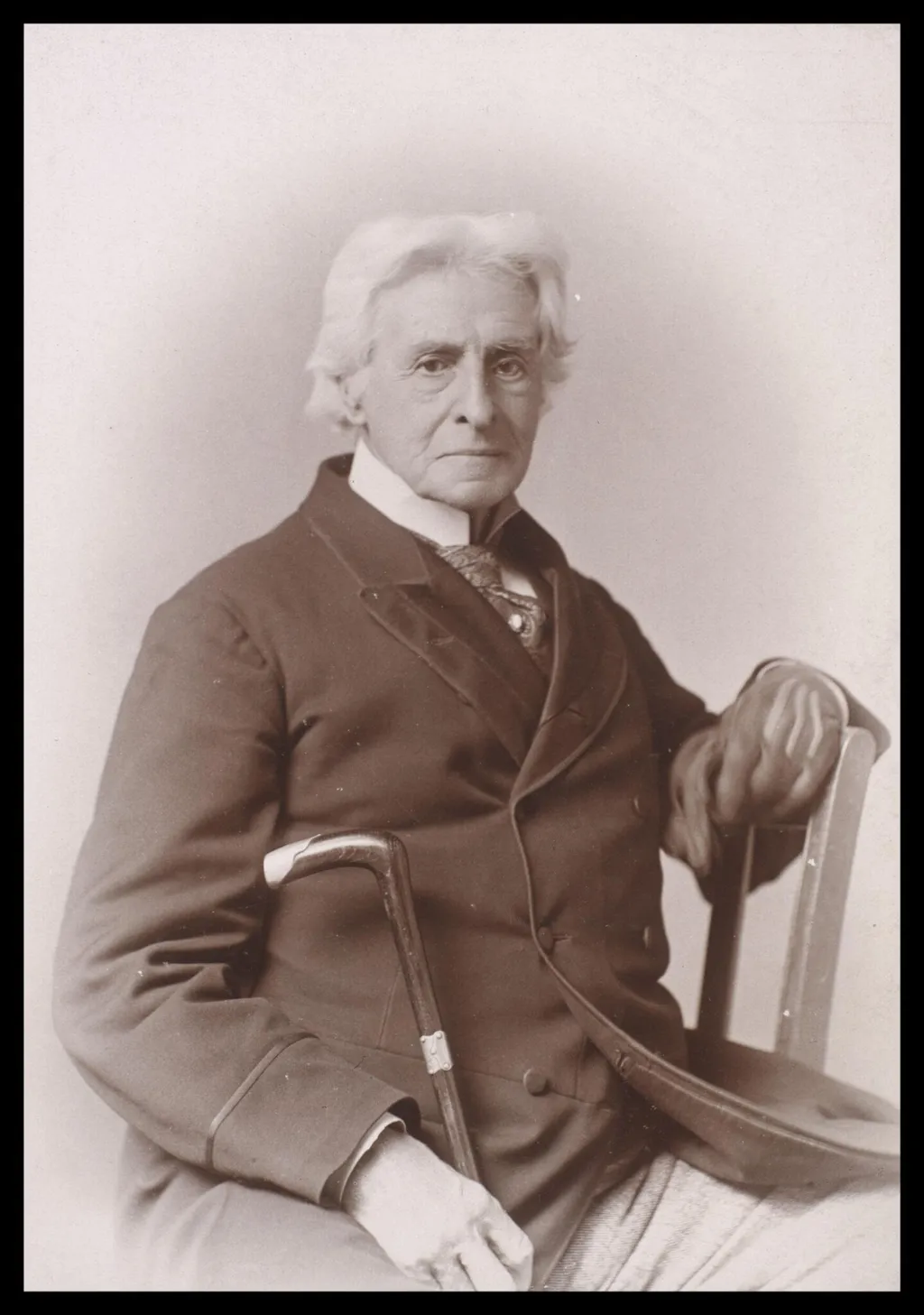
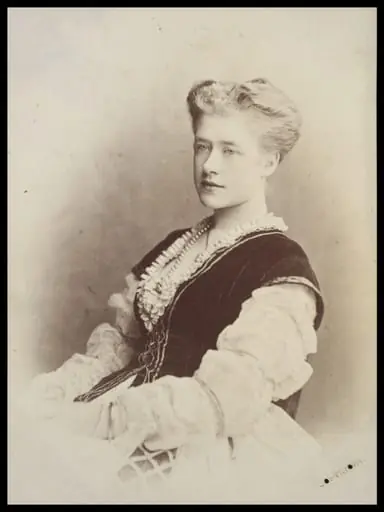
Guy Little Theatrical Photograph is a photographic photography by the Impressionist artist Gendron. It dates from 1893 and is held in the collection of the Victoria and Albert Museum. This photograph, taken around 1893, captures the actor Henry Howe at age eighty, near the end of his decades-long stage career.
About this work
This photo from about 1893 shows Henry Howe at 80. It’s a theatrical portrait by Gendron, printed on stiff card like the albumen prints made from glass negatives back then.
Henry Howe started acting in 1830 and lived until 1894, so this picture sits right at the tail end of his long career.
Check out the Victoria and Albert Museum.
Overview
Produced by photographer Gendron, it is a cabinet card—an albumen print mounted on thick cardstock—typical of late Victorian portraiture.
This photograph, taken around 1893, captures the actor Henry Howe at age eighty, near the end of his decades-long stage career. Produced by photographer Gendron, it is a cabinet card—an albumen print mounted on thick cardstock—typical of late Victorian portraiture. The image originates from the personal collection of Guy Tristram Little, a legal professional and avid archivist who assembled thousands of such photographs, later bequeathed to the V&A.
Subject & Meaning
Henry Howe, who began performing in 1830, was a respected figure in British theatre by the 1890s. This portrait, taken shortly before his death in 1894, reflects his status as a veteran actor rather than a current star. Dressed in civilian attire rather than costume, the image emphasizes his personal identity and longevity in the profession, offering a quiet testament to a life devoted to the stage.
Technique & Style
The photograph is an albumen print made from a glass negative, a standard process in the late 19th century. Mounted as a cabinet card—larger and more durable than earlier cartes de visite—it was designed for display in private albums. The composition is formal, with soft lighting and minimal backdrop, focusing attention on Howe’s expression and demeanor, characteristic of studio portraiture of the era.
History & Provenance
The photograph was part of Guy Tristram Little’s extensive collection of theatrical and popular imagery, which he meticulously mounted and preserved. Little, a solicitor and executor of Gabrielle Enthoven’s estate, inherited her theatrical archive. His collection, including this image, was donated to the V&A, forming a foundational part of its Theatre Collections, preserving visual records of 19th-century performance culture.
Context
By the 1890s, cabinet cards had largely replaced cartes de visite as the preferred format for portrait photography, though both were fading in popularity amid the rise of postcards and snapshot photography. Theatrical figures like Howe remained popular subjects, as public fascination with performers endured even as photographic trends shifted. This image sits at the intersection of personal legacy and evolving media practices.
Legacy
The photograph survives as part of a larger archive that helped establish the V&A’s Theatre Collections. Its preservation reflects early efforts to document theatrical history through photography, transforming ephemeral performances into tangible records. Little’s curation ensured that such images, once personal mementos, became resources for future study of performance, fashion, and visual culture in Victorian Britain.
Artist & collection
Artist
Gendron’s 1893 photograph of Guy Little in costume is pure theater—no drama, just a man in a top hat staring hard at the camera like he’s about to step off the page.

 Guy Little Theatrical Photograph
 Guy Little Theatrical Photograph
 Guy Little Theatrical Photograph
 W. H. Furness
 Pieter van Buren
 William Evans, Tonyrefail
 Hector Berlioz
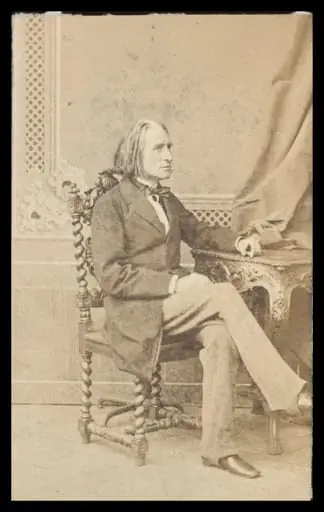 Guy Little Theatrical Photograph
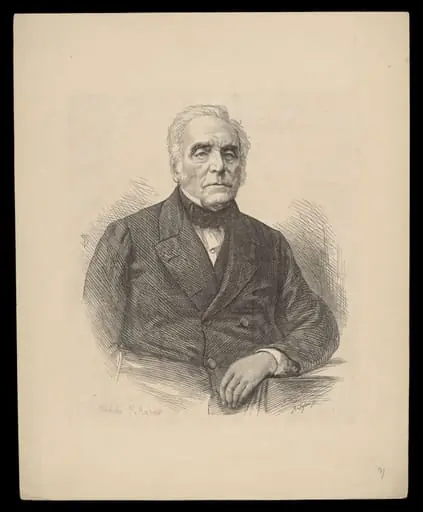 H Beard Print Collection
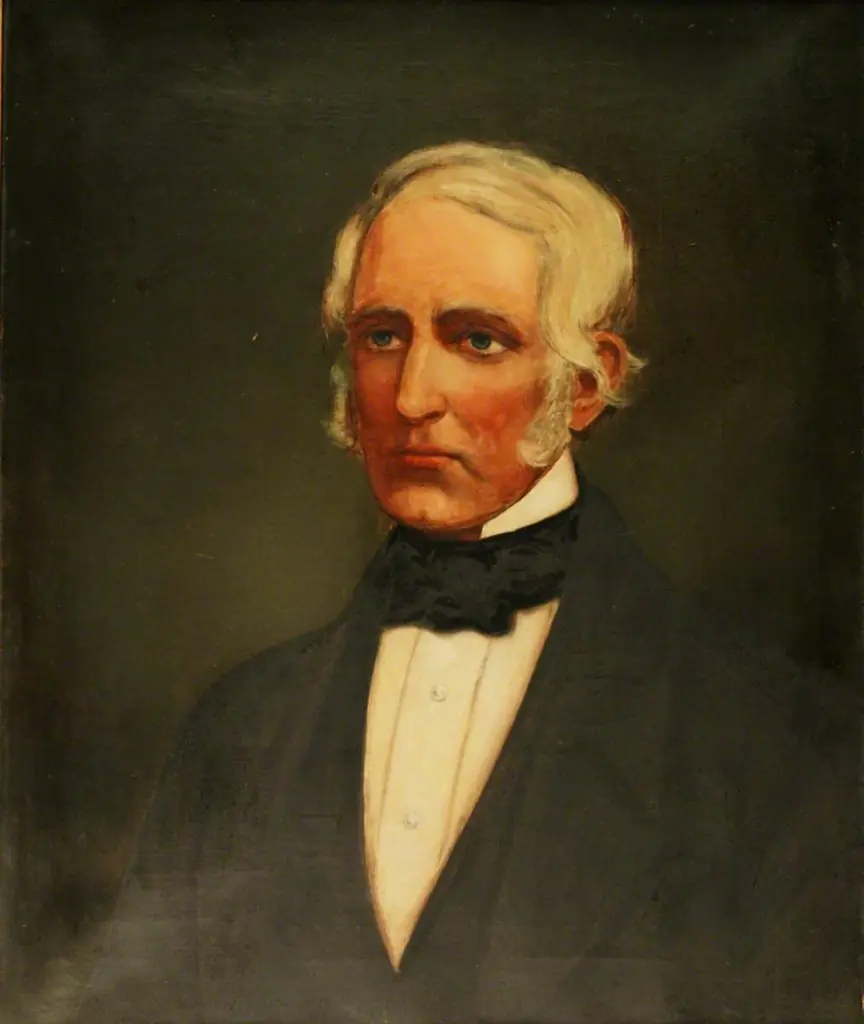 The Grandfather of William Williams
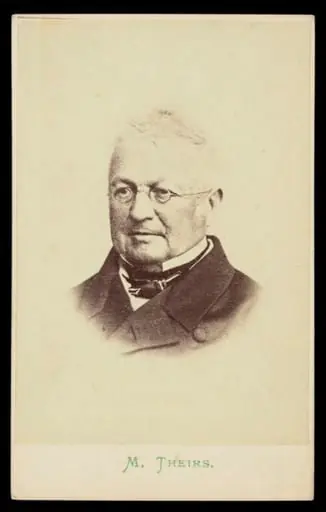 A portrait of 'M. Theirs'
 Guy Little Theatrical Photographs