Artwork
Untitled
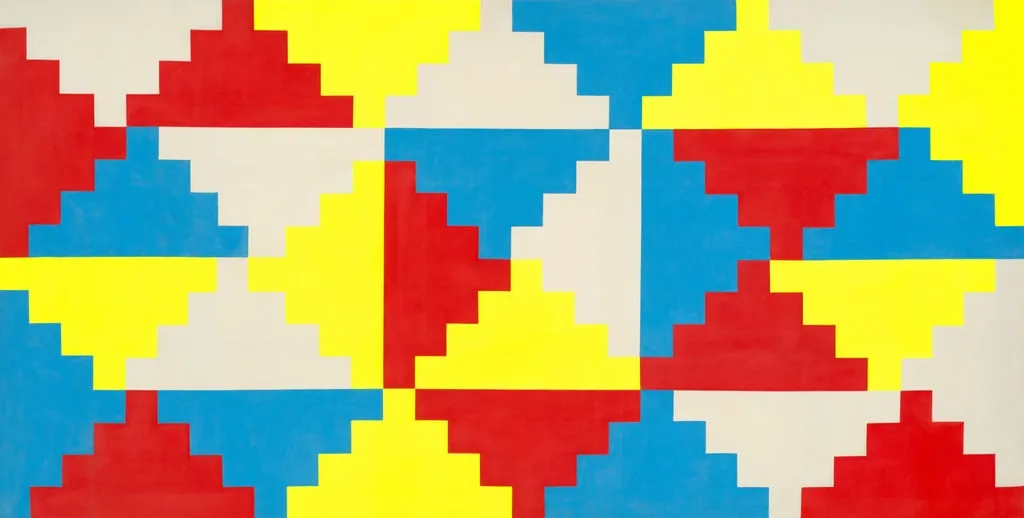
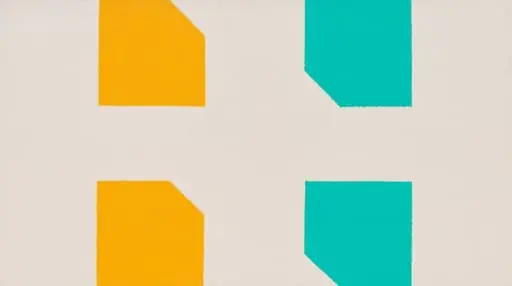
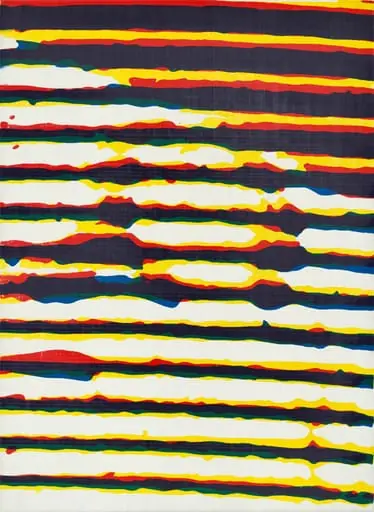
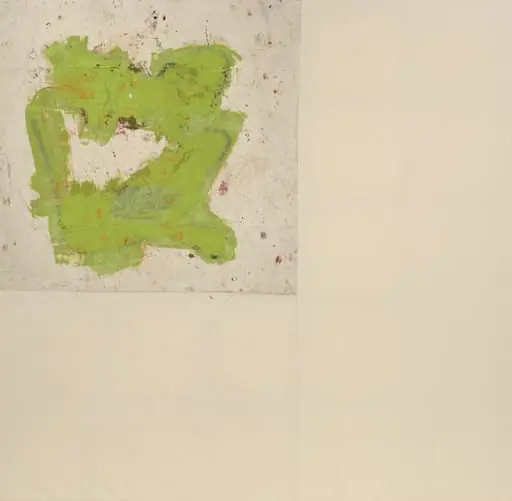
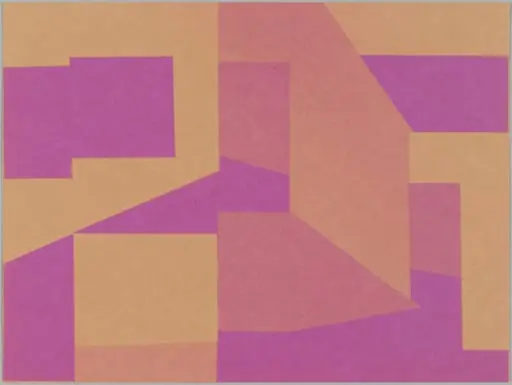
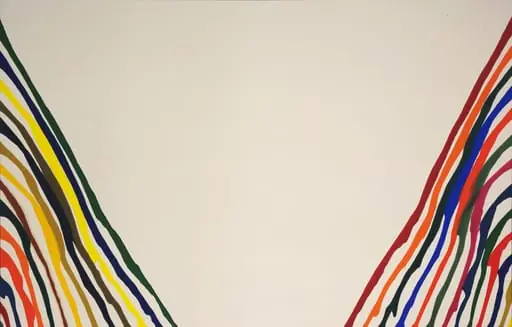
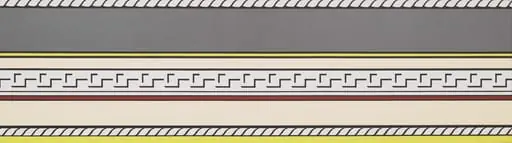
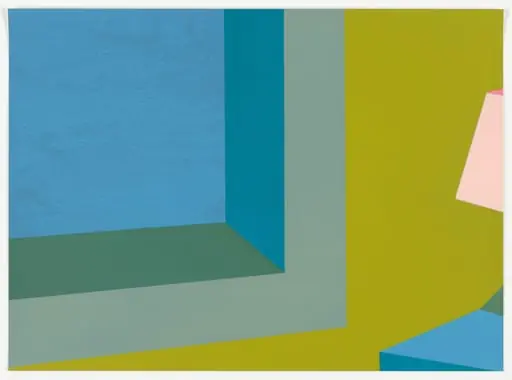
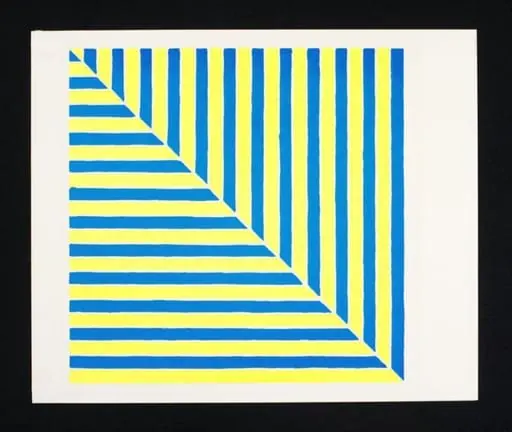
Untitled is an acrylic painting by the Conceptual Art artist General Idea. It dates from 1968 and is held in the collection of the Museum of Modern Art.
About this work
Overview
The piece resides in the collection of The Museum of Modern Art, where it represents a pivotal moment in late-1960s experimental painting.
Created in 1968 by the artist collective General Idea, this work is an abstract composition executed in fluorescent acrylic, standard acrylic, and latex on unprimed canvas. Its raw surface and aggressive application reject traditional preparation methods, emphasizing materiality over refinement. The piece resides in the collection of The Museum of Modern Art, where it represents a pivotal moment in late-1960s experimental painting.
Subject & Meaning
No figurative elements or symbolic narrative are present. The work’s meaning emerges from its formal intensity: the collision of saturated hues and jagged geometric forms disrupts visual calm, evoking the energy of urban environments and media saturation. The absence of a central focus invites the viewer to experience color and texture as primary content, aligning with contemporary critiques of representation.
Technique & Style
Paint was applied thickly and irregularly, with visible brushstrokes and drips suggesting rapid, physical gestures. The unprimed canvas absorbed pigment unevenly, enhancing the raw, unfinished quality. Fluorescent pigments heighten chromatic contrast, while the grid-like arrangement of shapes imposes structure on the chaos. The technique prioritizes immediacy over precision, reflecting an anti-establishment approach to painting.
History & Provenance
The work was produced during General Idea’s early period, when the collective was exploring the boundaries of painting and performance in Toronto. It entered The Museum of Modern Art’s collection in the 1970s, recognized for its radical material choices and alignment with post-painterly abstraction. Its provenance remains tied to the artists’ own archive and early exhibitions in Canadian alternative spaces.
Context
Emerging alongside movements like Color Field and Process Art, this piece responds to a broader shift away from illusionism toward material presence. Its use of commercial paints and rejection of priming challenged fine art conventions. In the late 1960s, such works questioned the sanctity of the canvas and the role of the artist, resonating with countercultural attitudes toward institutional norms.
Legacy
The work contributed to redefining painting as an act of material inquiry rather than representation. General Idea’s use of industrial pigments and unrefined surfaces influenced later generations interested in the politics of color and surface. Though not widely exhibited, its presence in MoMA’s collection anchors it within discussions of 1960s experimental art practices in North America.
Artist & collection