Artwork
Portrait of Karl August Rex, Saxon minister
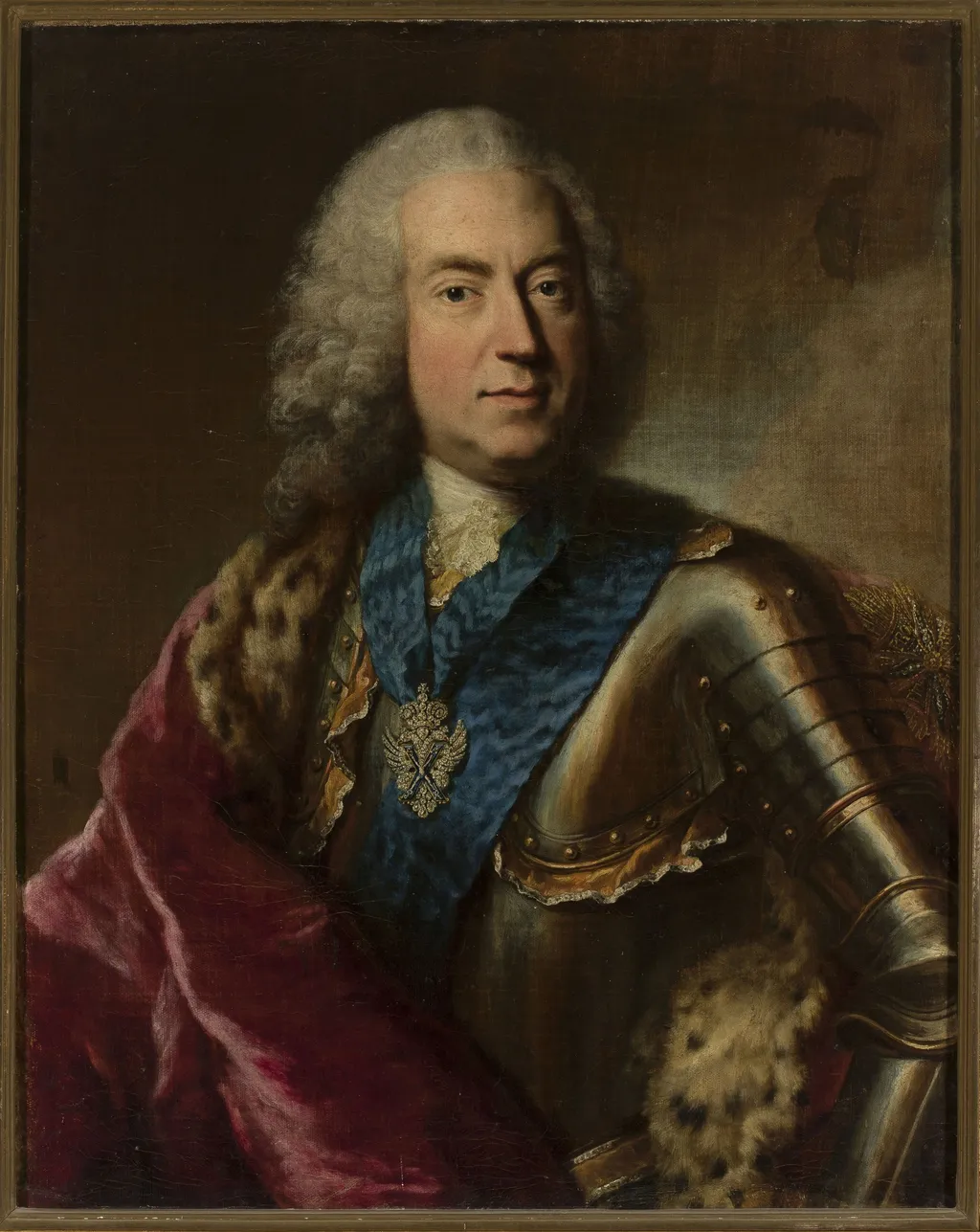
Portrait of Karl August Rex, Saxon minister is an oil painting by the Rococo painting artist Georg Desmarées. It dates from 1761 and is held in the collection of the National Museum in Warsaw.
About this work
Overview
Painted in 1761 by Georg Desmarées, this oil portrait depicts Karl August Rex, a minister of the Kingdom of Saxony.
Painted in 1761 by Georg Desmarées, this oil portrait depicts Karl August Rex, a minister of the Kingdom of Saxony. The work is part of the collection at the National Museum in Warsaw. Rendered with precision and restraint, the painting captures its subject in formal attire, emphasizing status through subtle details rather than elaborate settings. The composition is tightly focused, eliminating distractions to highlight the sitter’s presence.
Subject & Meaning
Karl August Rex is portrayed as a high-ranking official, likely serving in both civil and military capacities. His dark blue coat, gold-buttoned trim, and fur-lined collar signify rank and wealth. The star-shaped medal on his chest indicates membership in a chivalric order, while the feathered plume and polished metal object suggest ties to military tradition. The calm, composed expression conveys authority without ostentation.
Technique & Style
Desmarées employed smooth, controlled brushwork to render the textures of fabric, fur, and metal with quiet realism. The face and hands are rendered with particular care, their subtle modeling drawing attention to the sitter’s demeanor. The dark, neutral background isolates the figure, enhancing the three-dimensionality of his form. The painting reflects the refined portraiture style of 18th-century Central European courts, prioritizing dignity over theatricality.
History & Provenance
The portrait entered the collection of the National Museum in Warsaw in the 19th century, likely through the acquisition of artworks from Saxon or Polish noble collections. Its presence in Warsaw suggests historical ties between the Saxon court and Polish cultural institutions, possibly stemming from the personal union of Saxony and Poland under the Wettin dynasty. The painting’s condition and documentation support its continuous institutional ownership.
Context
In mid-18th-century Saxony, portraiture served as a tool of political representation, especially for officials in the service of the Elector. Desmarées, an Italian-born painter active in Munich and Dresden, was known for his restrained, elegant style favored by aristocratic patrons. This portrait aligns with a broader trend in German-speaking courts where visual identity reinforced bureaucratic legitimacy and social hierarchy.
Legacy
The portrait remains a representative example of courtly portraiture from the Saxon sphere during the Enlightenment. While not widely exhibited beyond Polish collections, it contributes to scholarly understanding of how regional elites used visual culture to assert status. Desmarées’s approach here—subtle, precise, and unadorned—reflects a shift away from Baroque grandeur toward the quieter authority of the emerging bureaucratic class.
Artist & collection
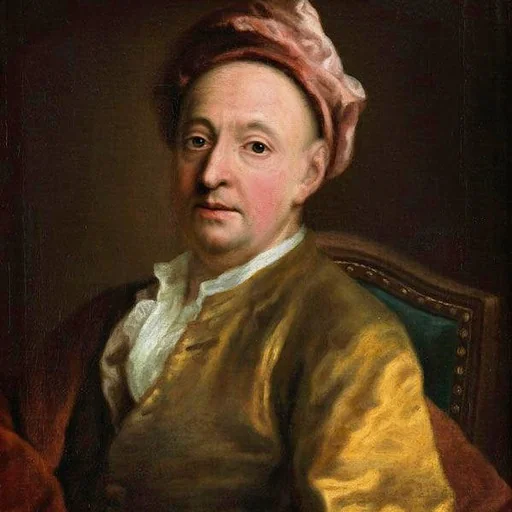

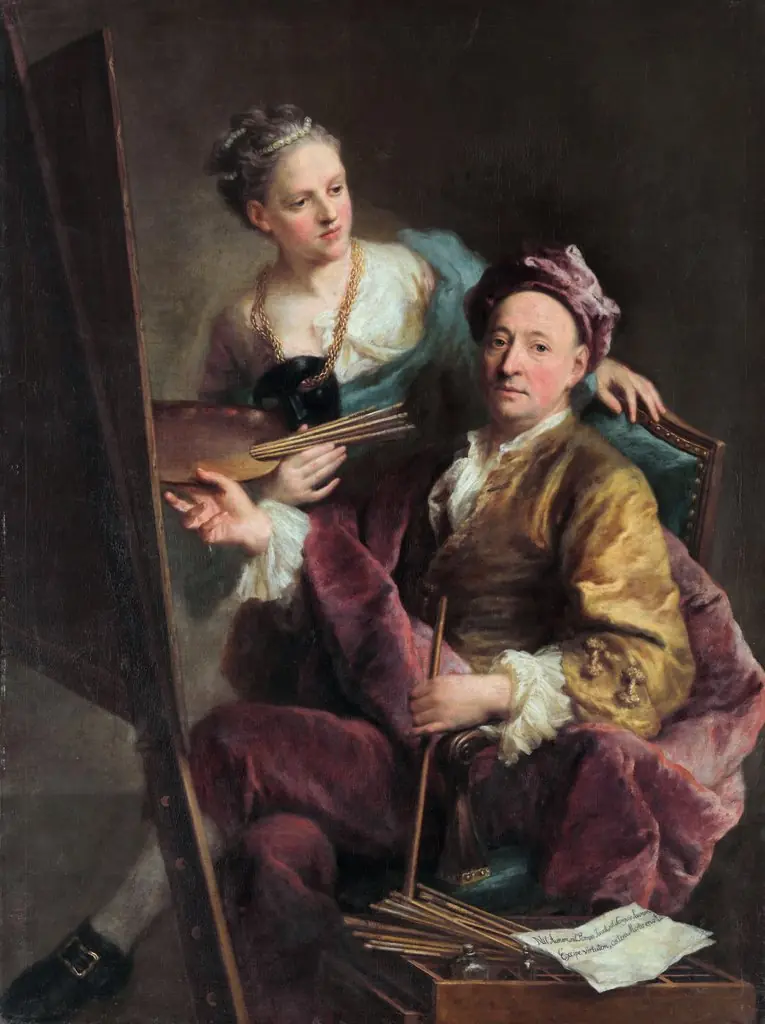 Self-portrait of the Artist with his Daughter Antonia
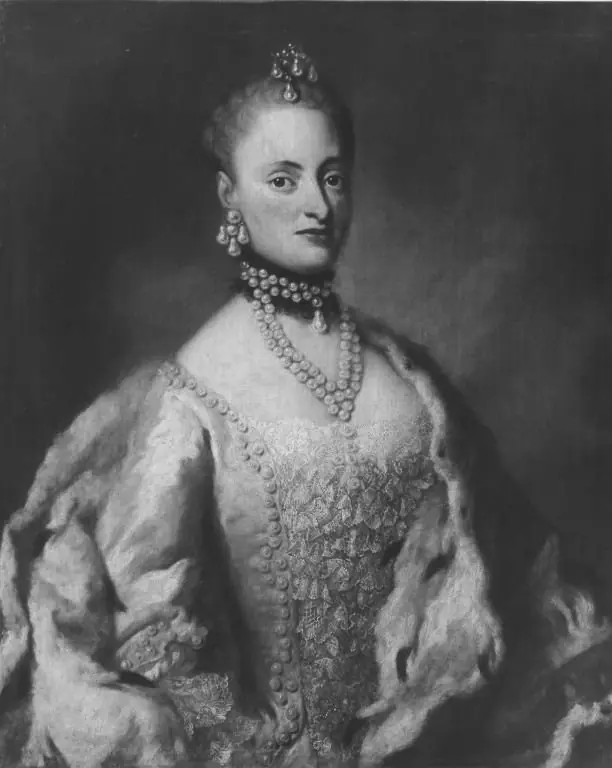 Elisabeth Apollonia of Saxony (1736–1818)
 Maria Anna of Sulzbach (1722-1790)
 Bildnis der Maria Franziska Dorothea von Pfalz-Sulzbach, Herzogin von Zweibrücken-Birkenfeld (1724-1794)
 Portrait of Countess Palatine Maria Anna of Sulzbach (1722-1790)
 Maria Anna of Sulzbach
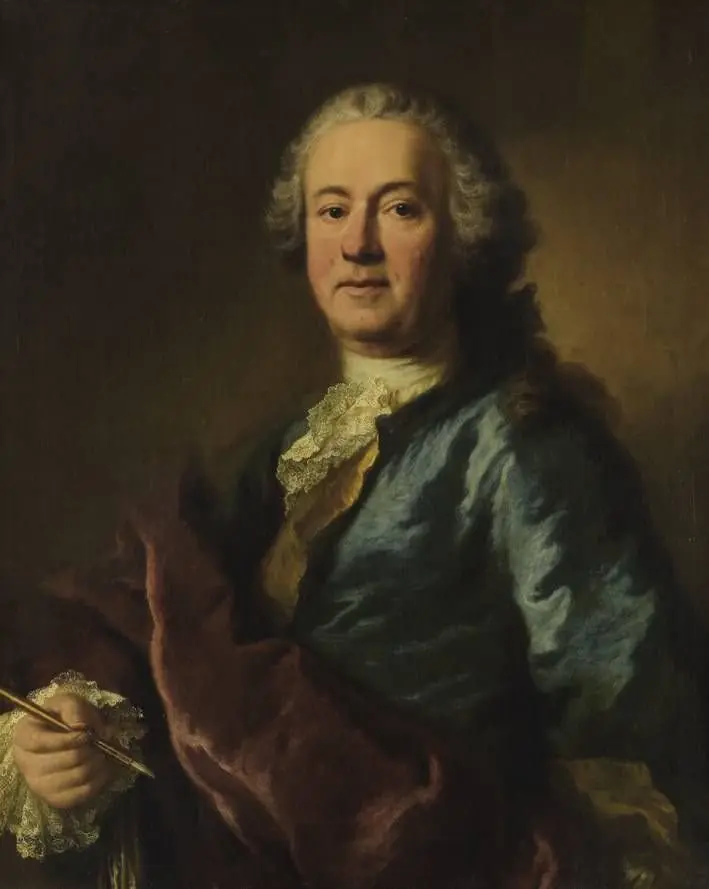 Bildnis des Hofmalers Balthasar August Albrecht (1687-1765)
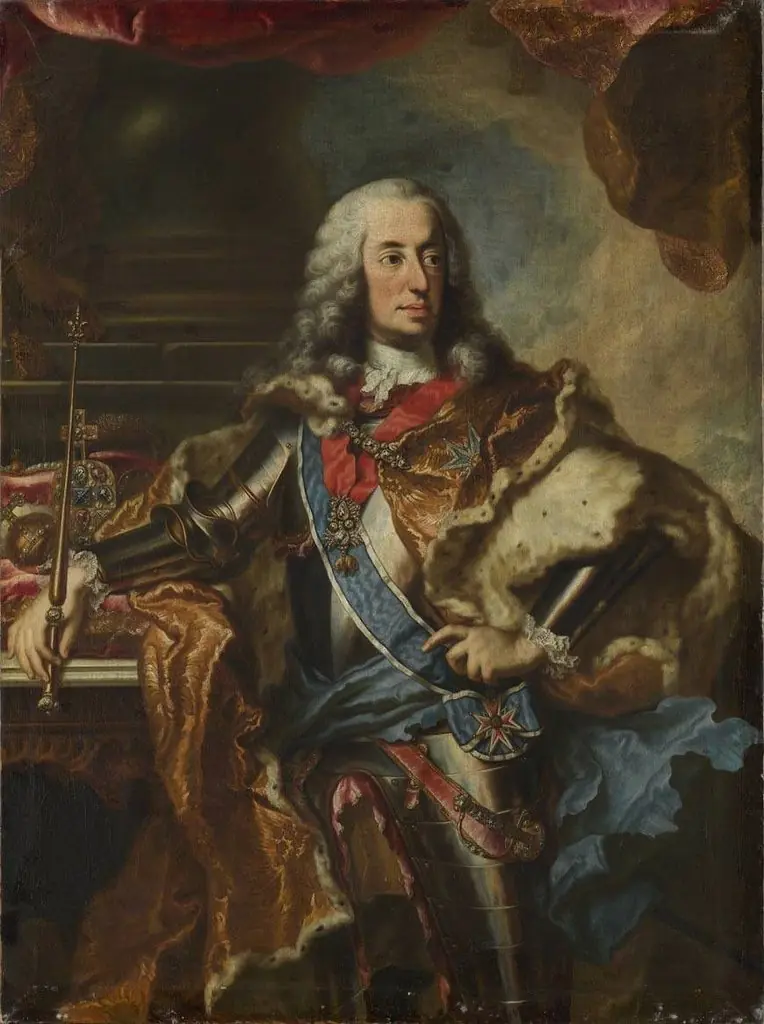 Kurfürst Karl Albrecht als Kaiser Karl VII. (1697-1745)
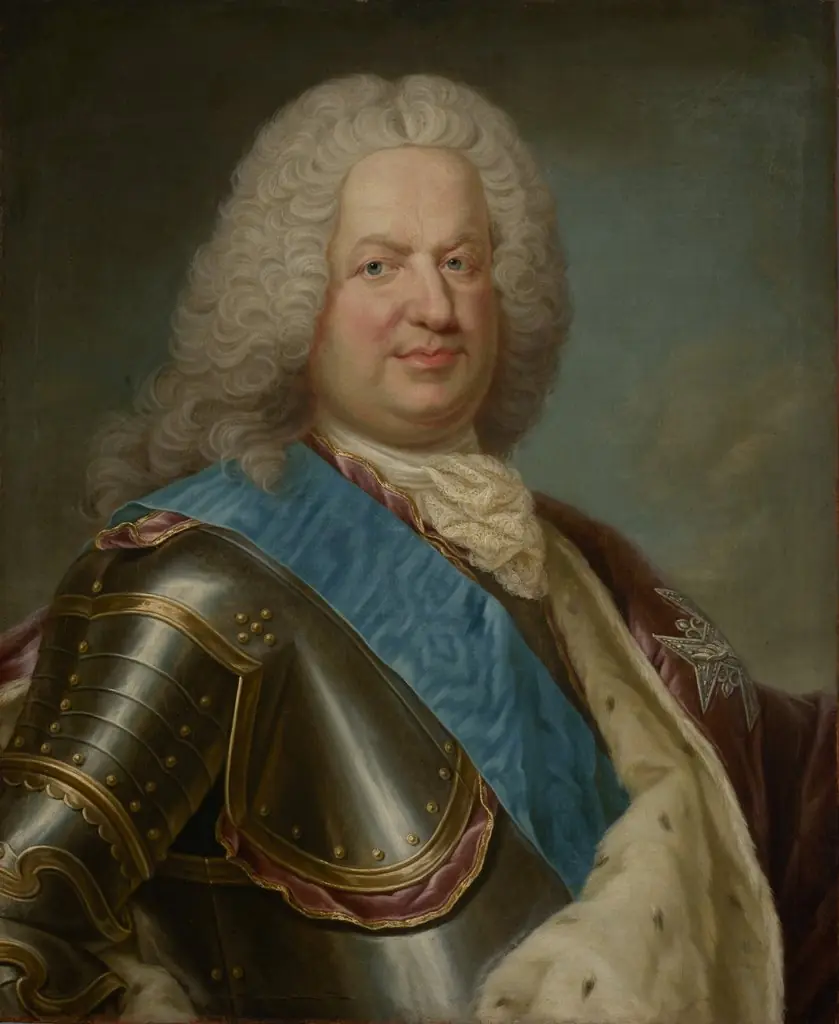 Portrait of Stanislaus Leszczyński (1677–1766))
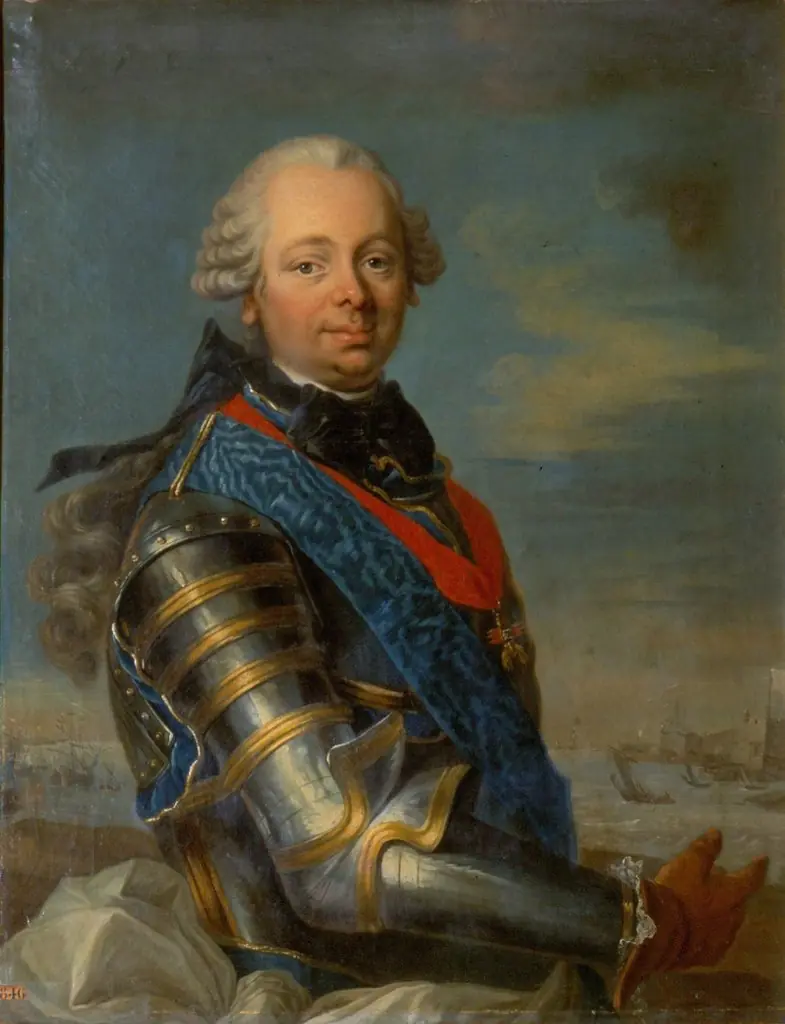 Portrait of Étienne-François de Choiseul (1719-1785)
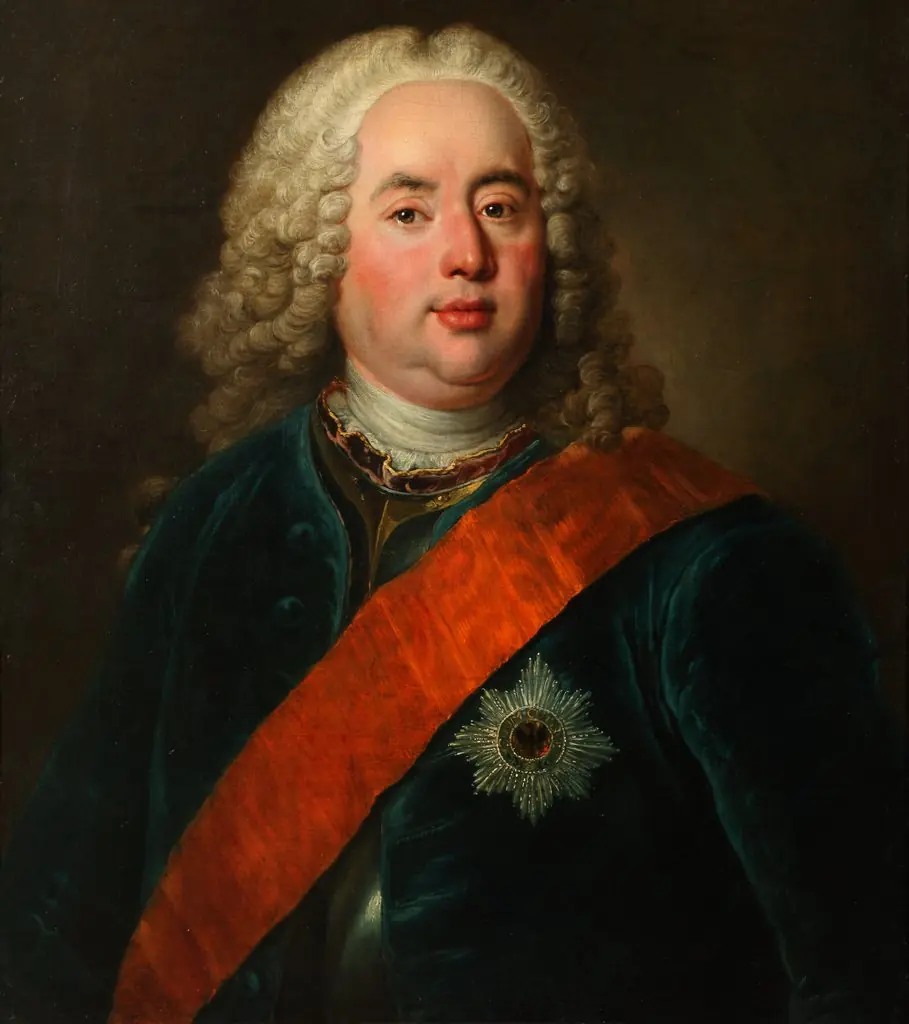 Count Gustav Adolph Gotter
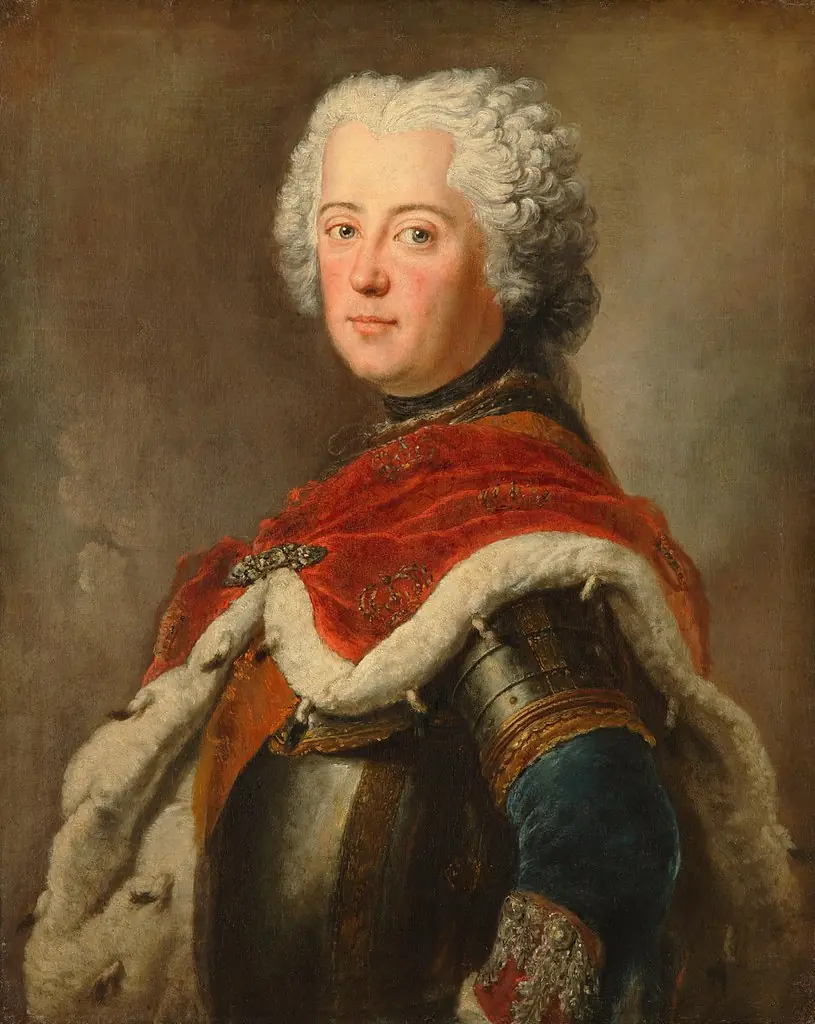 Crown prince Frederik de Great in Armour
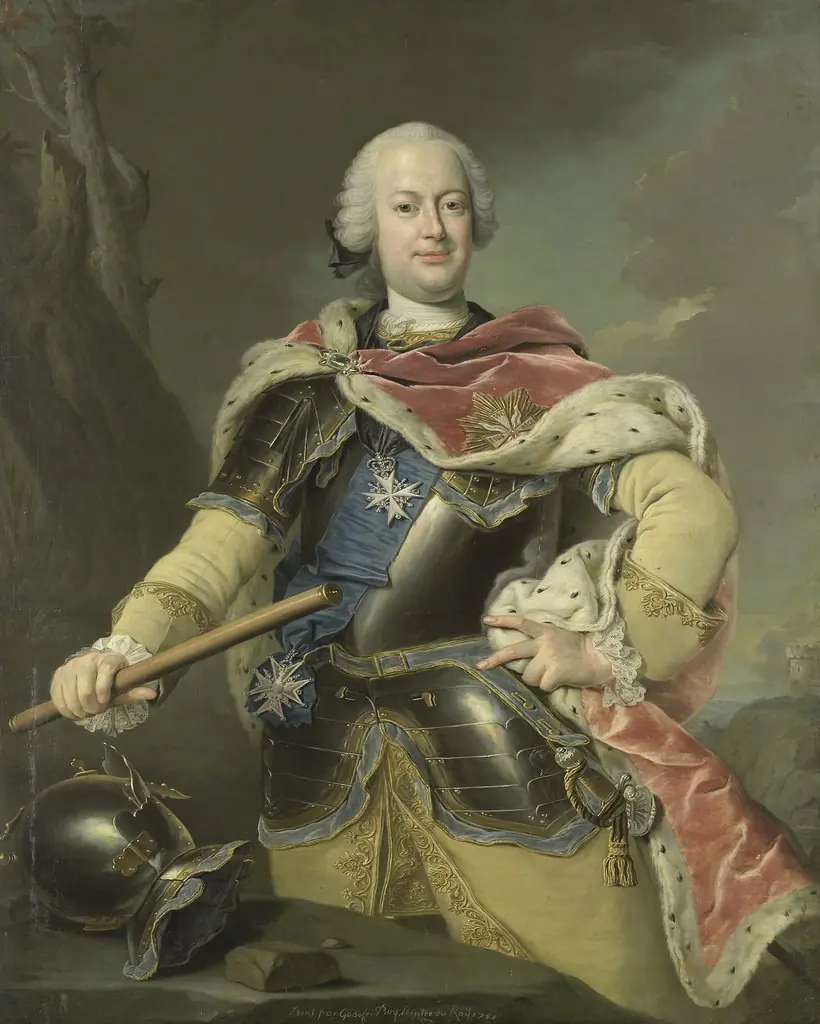 Friedrich Christian (1722-63), Elector of Saxony and King of Poland
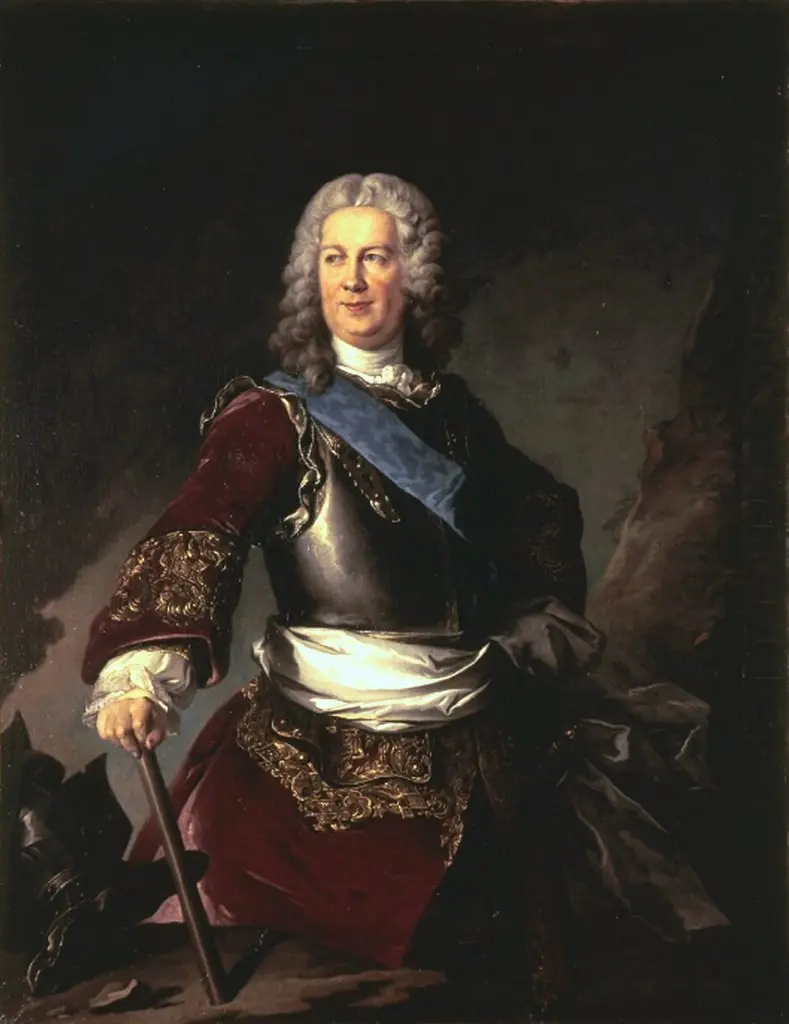 Thomas Goyon de Matignon (1684-1766), comte de Gacé, seigneur de Briquebec, Brigadier des armées du Roi en 1719.
 Claude comte de Forbin, chef d'escadre
 Portrait of Louis XV of France