Artwork
Caritas Romana
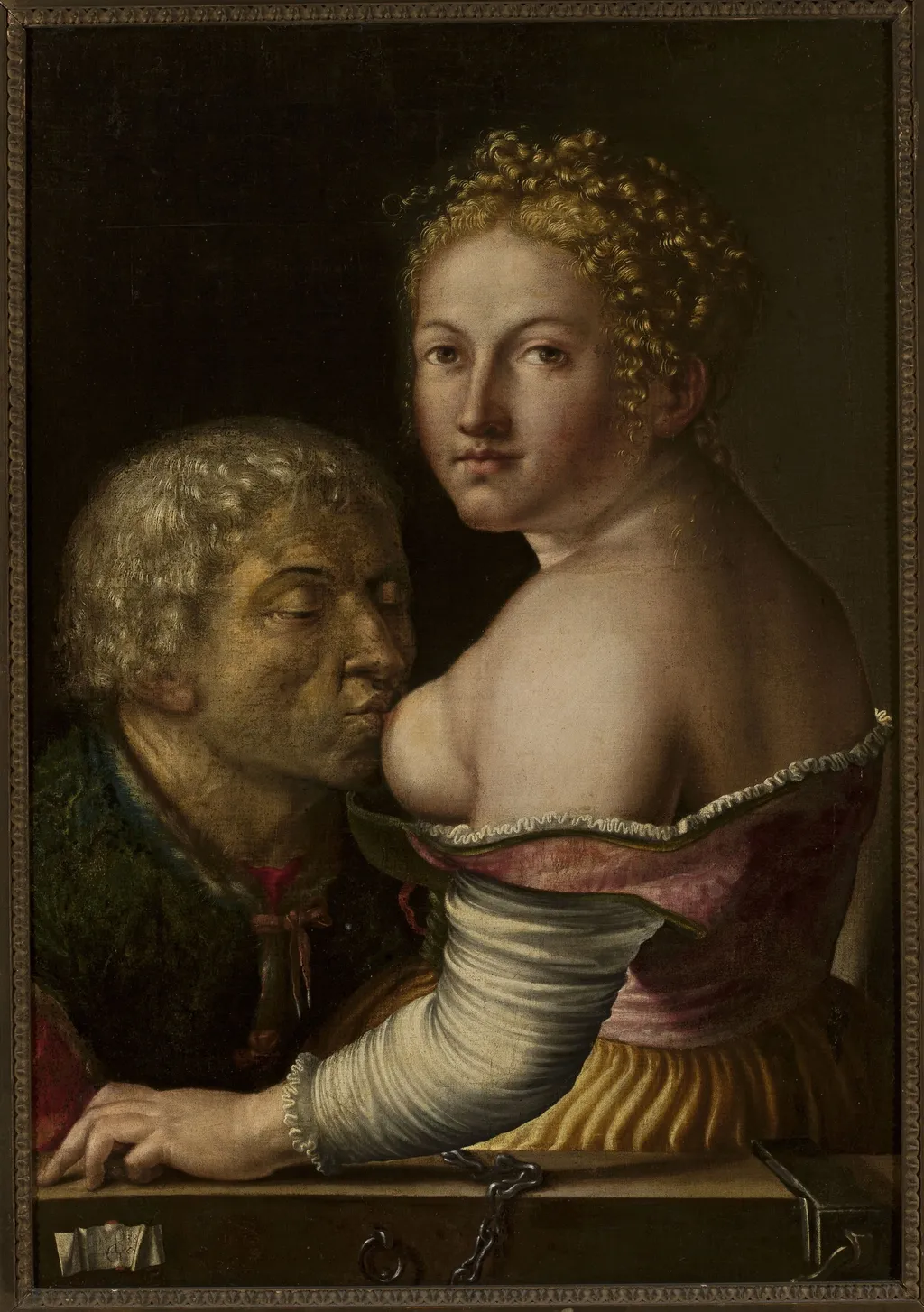
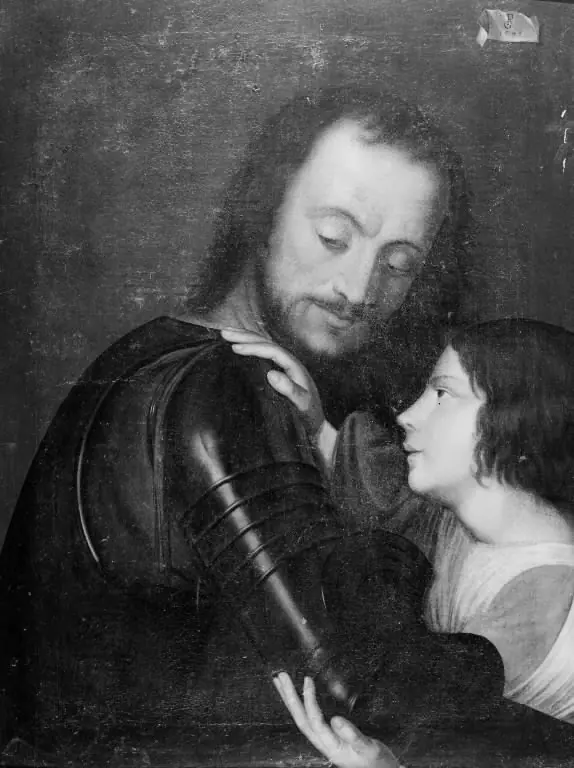
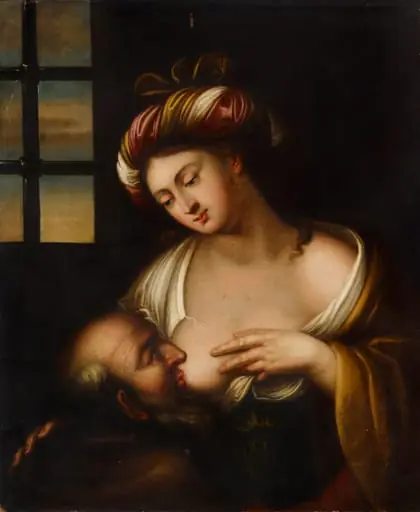
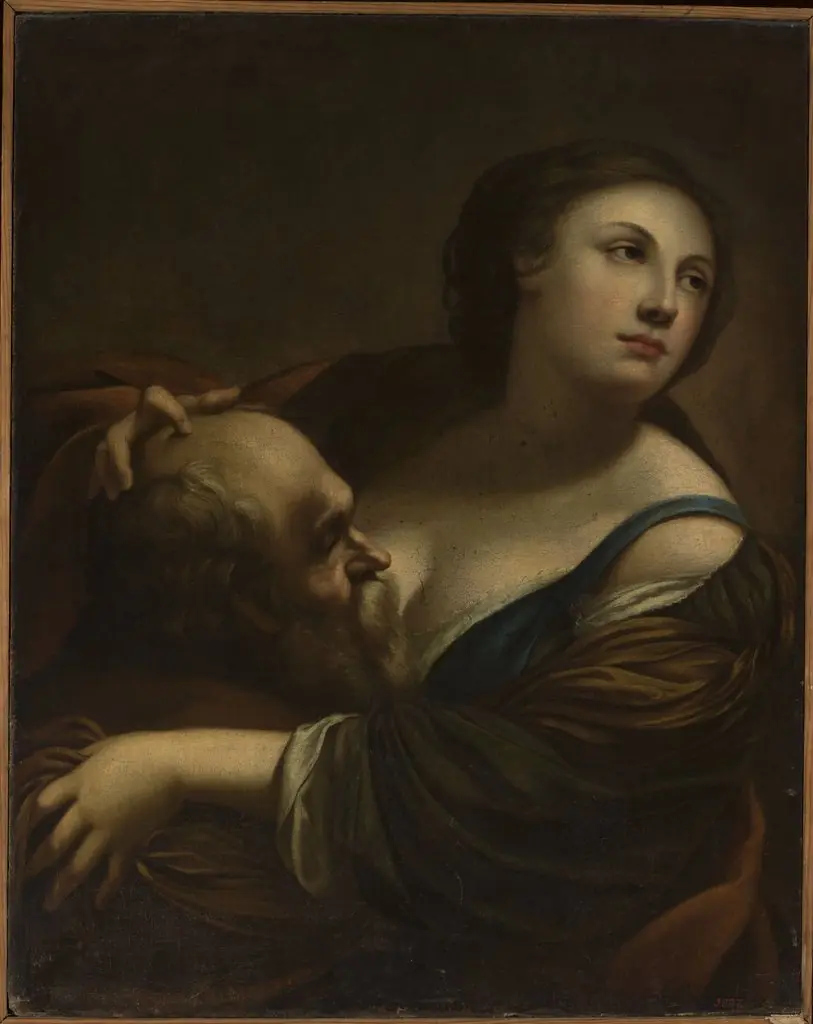
Caritas Romana is an oil painting by the Mannerist artist Georg Pencz. It dates from 1538 and is held in the collection of the National Museum in Warsaw.
About this work
Overview
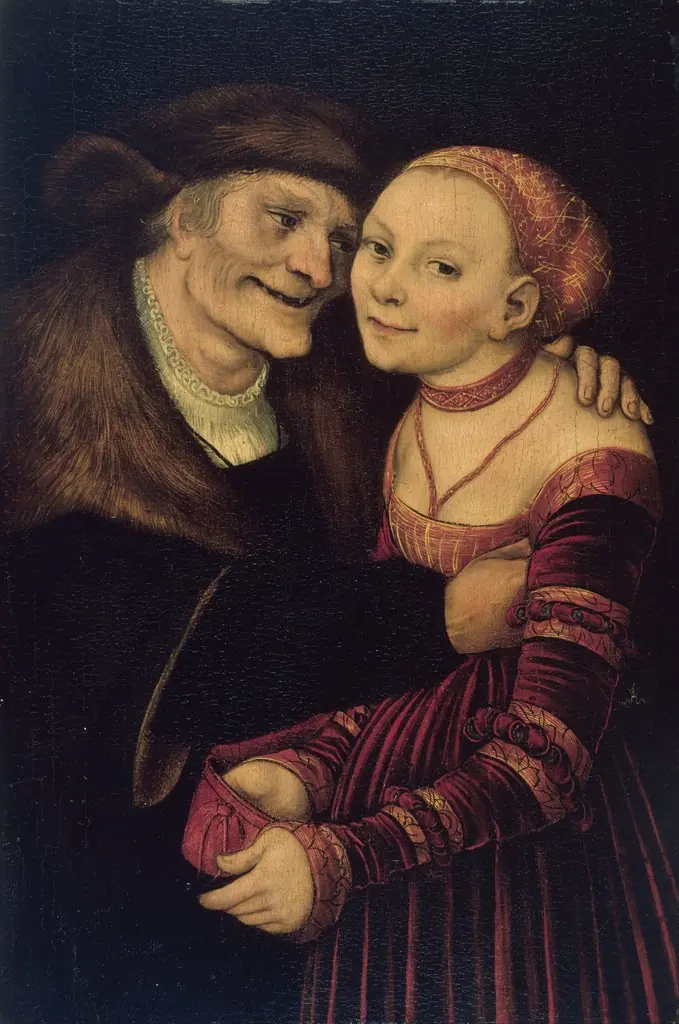
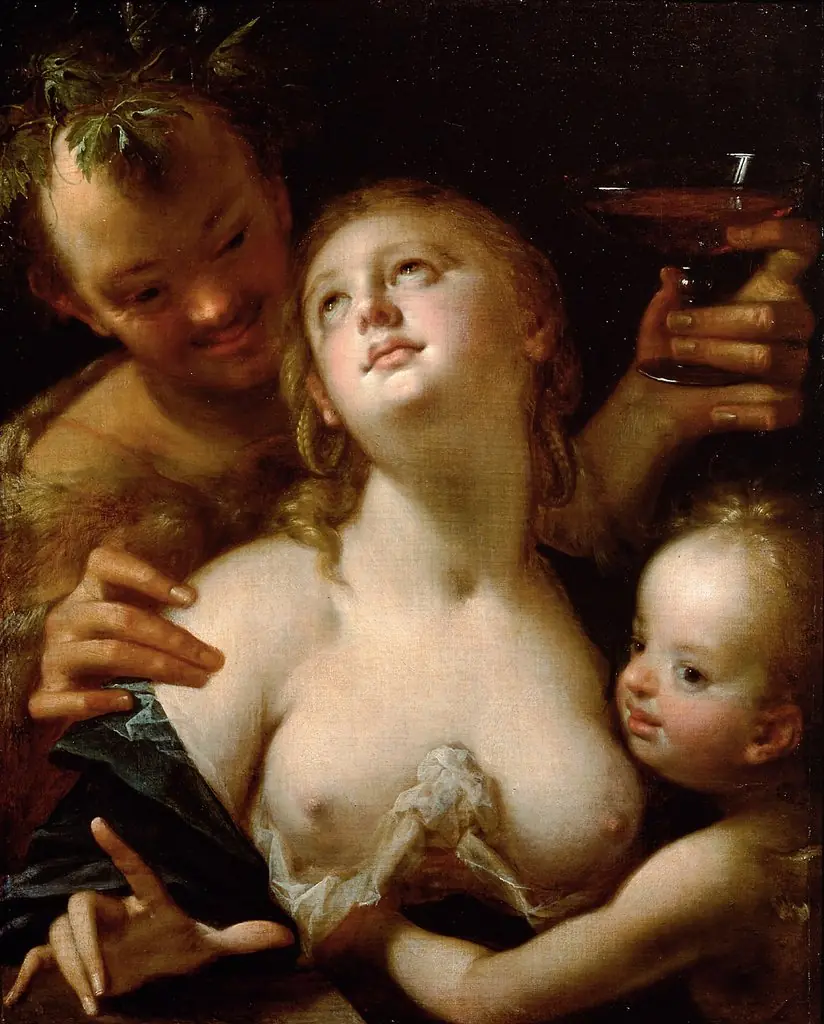
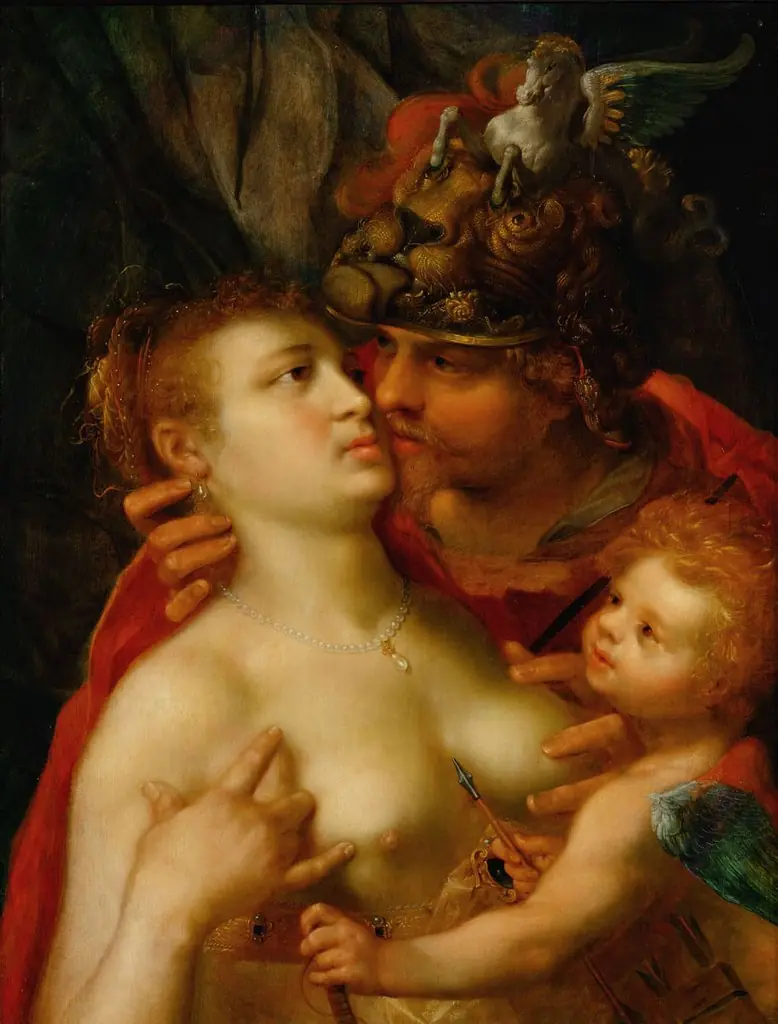
Caritas Romana is a 1538 oil painting by Georg Pencz, a German Mannerist artist. The work depicts a poignant scene from ancient Roman history, characterized by intense emotional intimacy set against a somber backdrop.
Subject & Meaning
The painting illustrates the Roman Charity legend, where a daughter secretly nurses her imprisoned father. The title emphasizes the charitable act, yet the composition conveys a sense of private, personal connection between the figures.
Technique & Style
Pencz employs chiaroscuro, juxtaposing sharp facial illumination with a dark background, to heighten the emotional intensity of the moment. His style, influenced by Venetian art after training under Albrecht Dürer in Nuremberg, is evident in the detailed, expressive portrayal of the subjects.
History & Provenance
Created in 1538, Caritas Romana is part of the National Museum in Warsaw's collection. Pencz's career spanned from around 1500 to 1550, with formative periods in both Nuremberg and Italy.
Context
As a Mannerist work, Caritas Romana reflects the era's emphasis on emotional depth and unconventional beauty. Pencz's blend of Northern European training with Italian stylistic elements situates the painting within the broader cultural exchange of the 16th century.
Legacy
While specific lasting impacts of Caritas Romana on subsequent art movements are not widely documented, it remains a notable example of Mannerist themes and techniques, offering insights into the artistic dialogues between Germany and Italy during the Renaissance.
Artist & collection
Artist
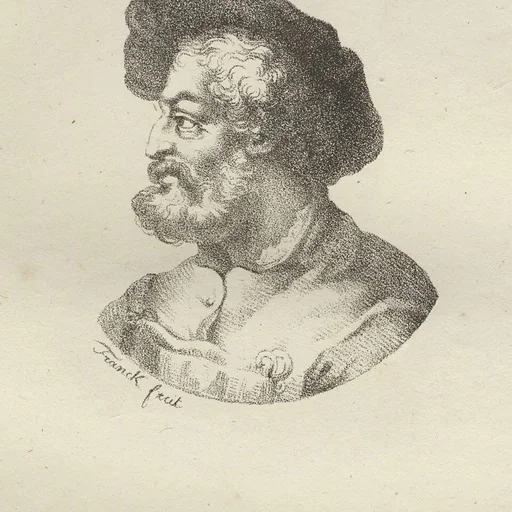
Georg Pencz (c. 1500 – 11 October 1550) was a German engraver, painter and printmaker. Pencz was probably born in Westheim near Bad Windsheim/Franconia. He travelled to Nuremberg in 1523 and joined Albrecht Dürer’s…