Artwork
Ukrudt. En kvinde i et landskab
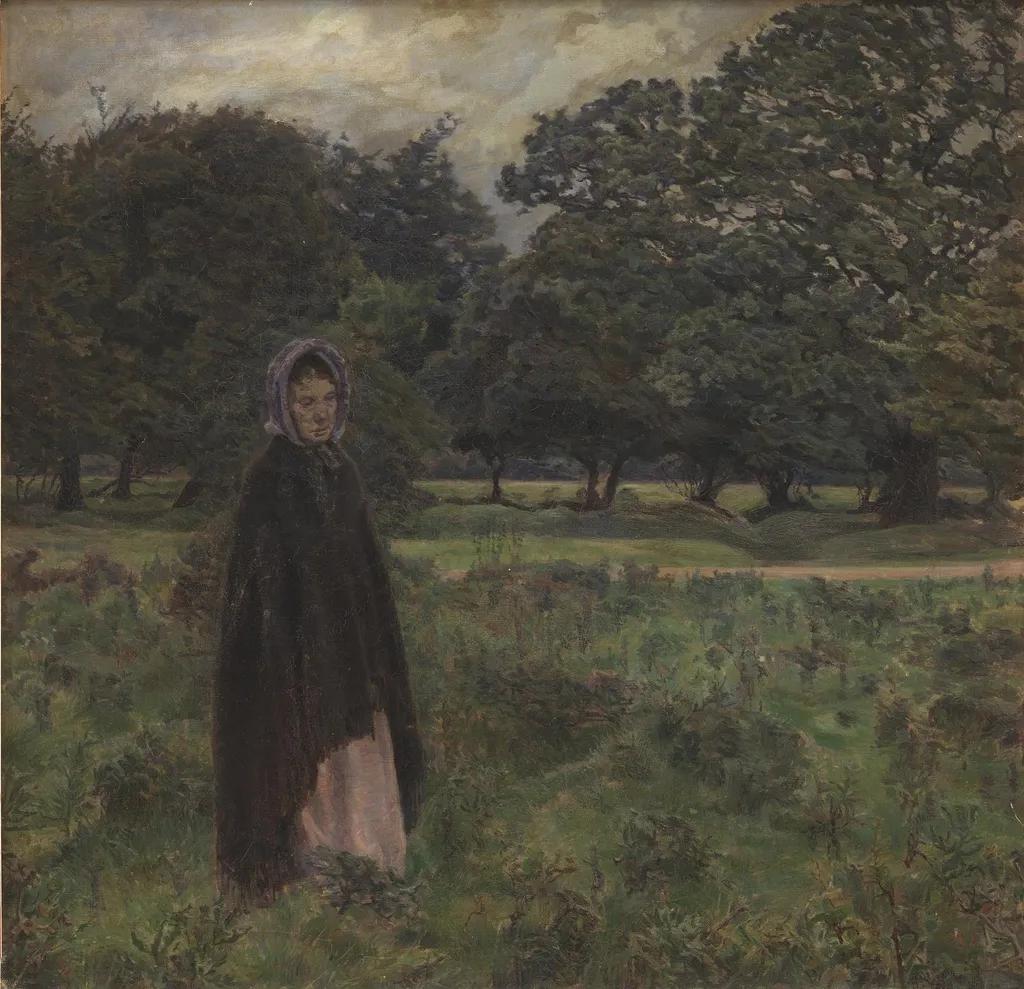
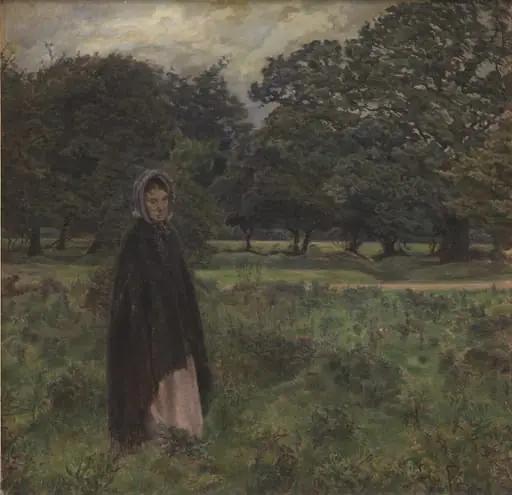
Ukrudt. En kvinde i et landskab is an oil painting by the Post-Impressionist artist Georg Seligmann. It dates from 1894 and is held in the collection of the Statens Museum for Kunst.
About this work
Overview
The painting presents a solitary female figure within a dense natural setting, rendered with restrained tones and careful attention to atmosphere.
Painted in 1894 by Georg Seligmann, Ukrudt. En kvinde i et landskab is an oil-on-canvas work currently held by the Statens Museum for Kunst in Copenhagen. The painting presents a solitary female figure within a dense natural setting, rendered with restrained tones and careful attention to atmosphere. Its quiet composition reflects late 19th-century Nordic tendencies toward introspective landscape painting, where human presence is subtle yet central to the emotional tone.
Subject & Meaning
The woman, clad in a dark coat and headscarf, stands motionless amid overgrown vegetation, her gaze withdrawn and posture still. Her isolation within the wild foliage suggests contemplation or inner solitude, though no narrative is explicitly given. The title, meaning 'Weeds. A Woman in a Landscape,' implies a quiet tension between human presence and the encroaching natural world, evoking themes of transience and quiet endurance rather than drama.
Technique & Style
Seligmann employs muted greens and earth tones to unify the scene, avoiding vivid contrast in favor of atmospheric harmony. Chiaroscuro is used subtly to model the figure and define spatial depth, guiding attention toward her form without theatrical lighting. Brushwork is controlled yet textured, particularly in the foliage, where layered strokes suggest density without detail. The style aligns with Scandinavian realism, prioritizing mood over narrative clarity.
History & Provenance
The painting entered the collection of the Statens Museum for Kunst shortly after its creation, likely acquired directly from the artist. Seligmann, a Danish painter active in the late 19th century, was known for landscapes and genre scenes with psychological nuance. While not widely exhibited outside Denmark, Ukrudt remained in institutional hands, preserving its original context and avoiding commercial circulation or significant alterations.
Context
Created during a period when Danish artists increasingly turned to nature as a vessel for emotional expression, the work reflects broader trends in Nordic art that favored quiet, introspective scenes over grand historical themes. Influenced by French Realism and the Barbizon School, Seligmann’s approach aligns with contemporaries who sought to capture the psychological weight of ordinary moments within rural or wild settings.
Legacy
Though not widely reproduced or celebrated beyond Denmark, Ukrudt remains a representative example of Seligmann’s mature style and the quiet realism favored by Danish painters of the 1890s. It contributes to the understanding of how Nordic artists used landscape to convey inner states, influencing later generations who continued to explore solitude and nature as interconnected themes in Danish painting.
Artist & collection

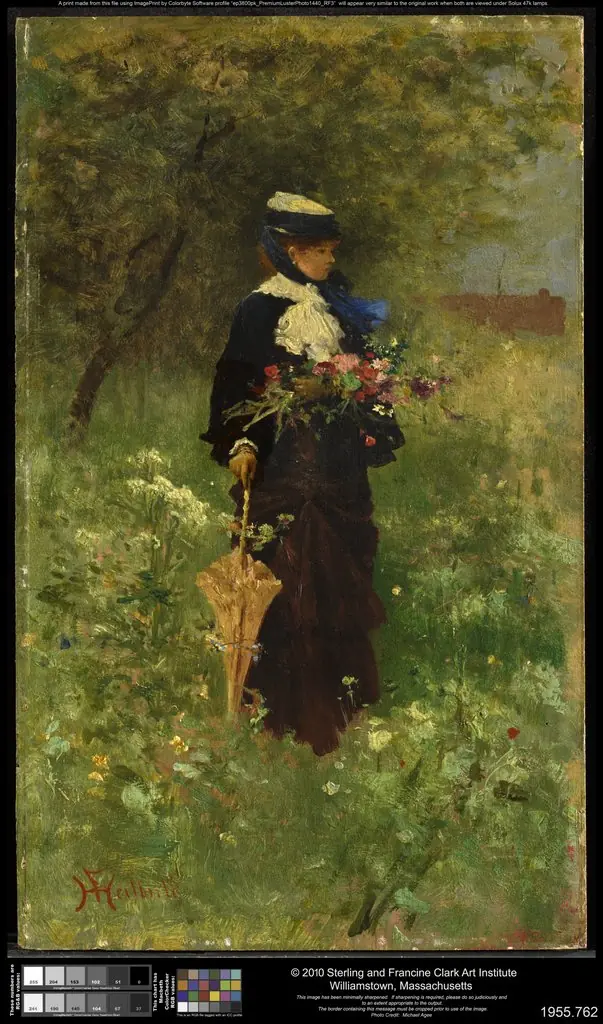 Woman with Flowers
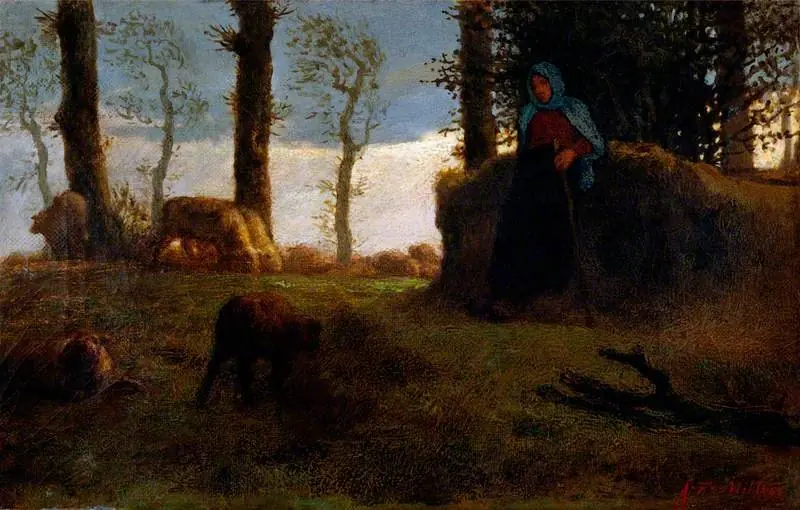 The Shepherdess
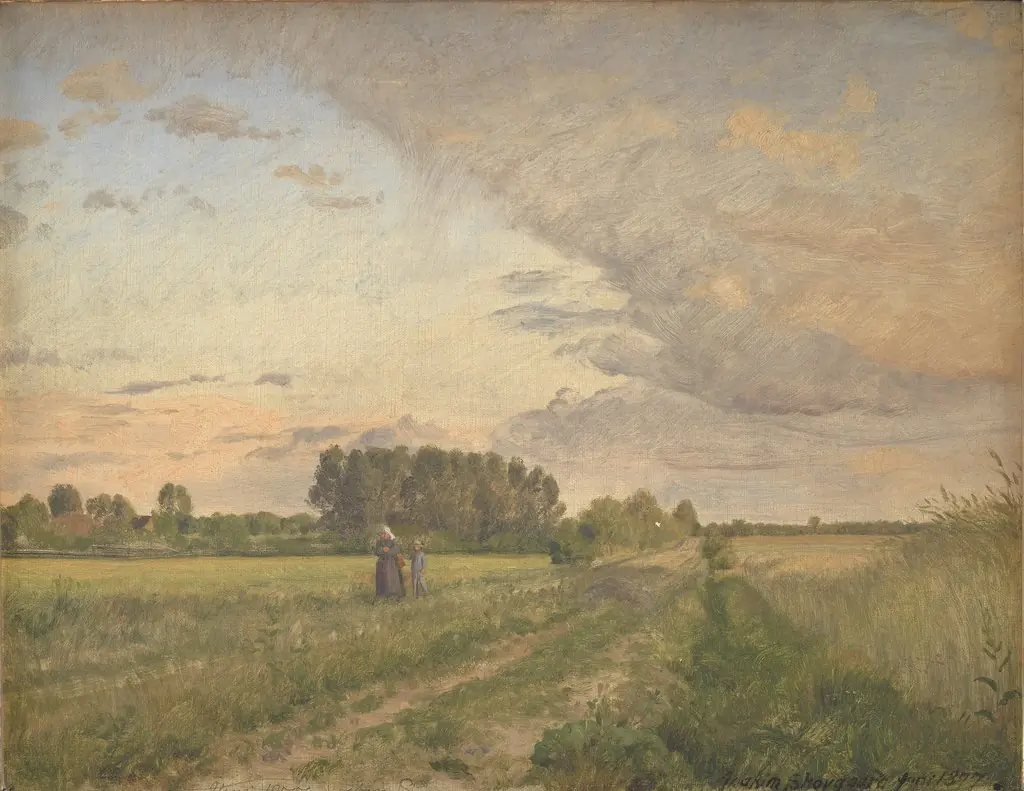 Sommerlandskab
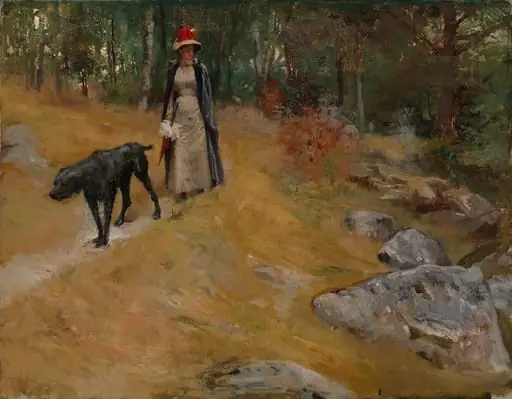 Rantatöyräällä (Annie Edelfelt koiran kanssa)
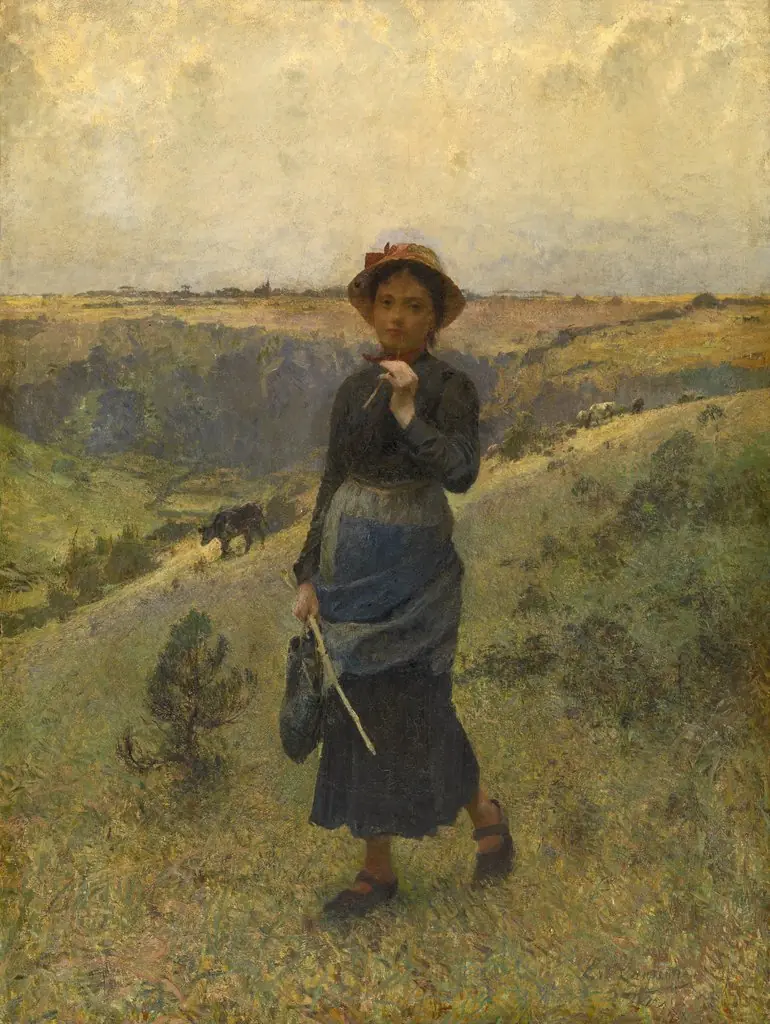 Cowherd in the Ardennes
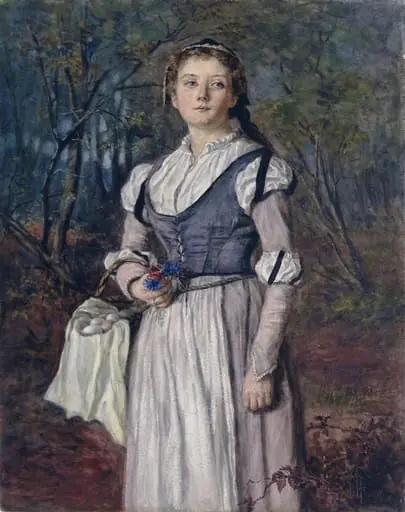 Through the Wood: A Girl with a Basket of Eggs on her Arm
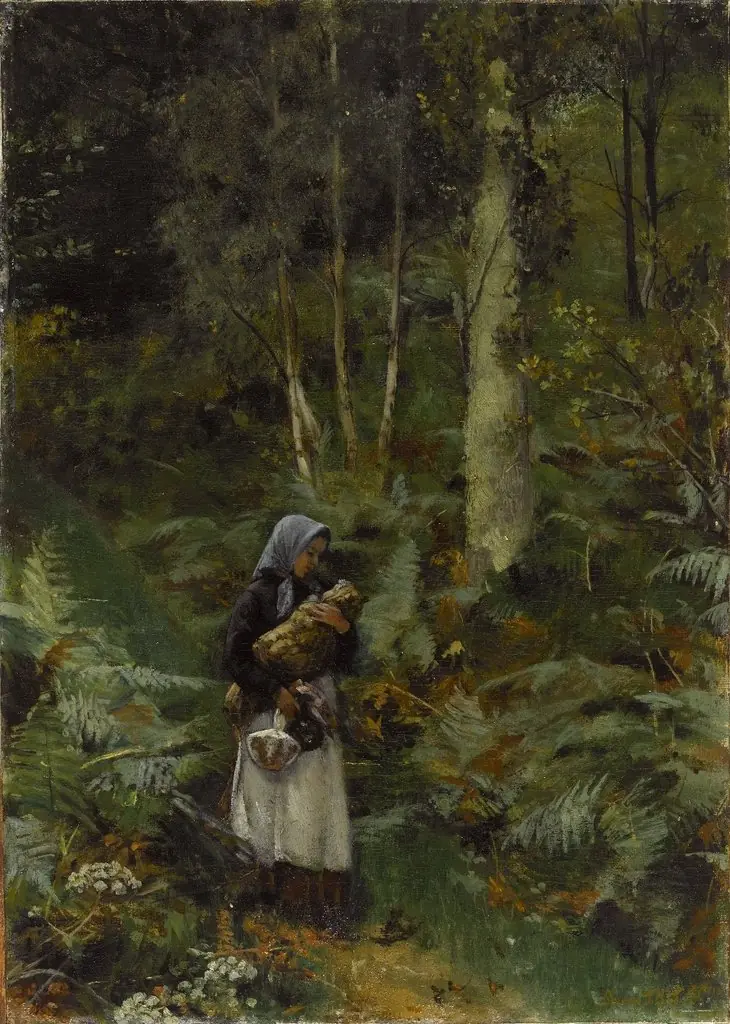 With a Babe in the Woods
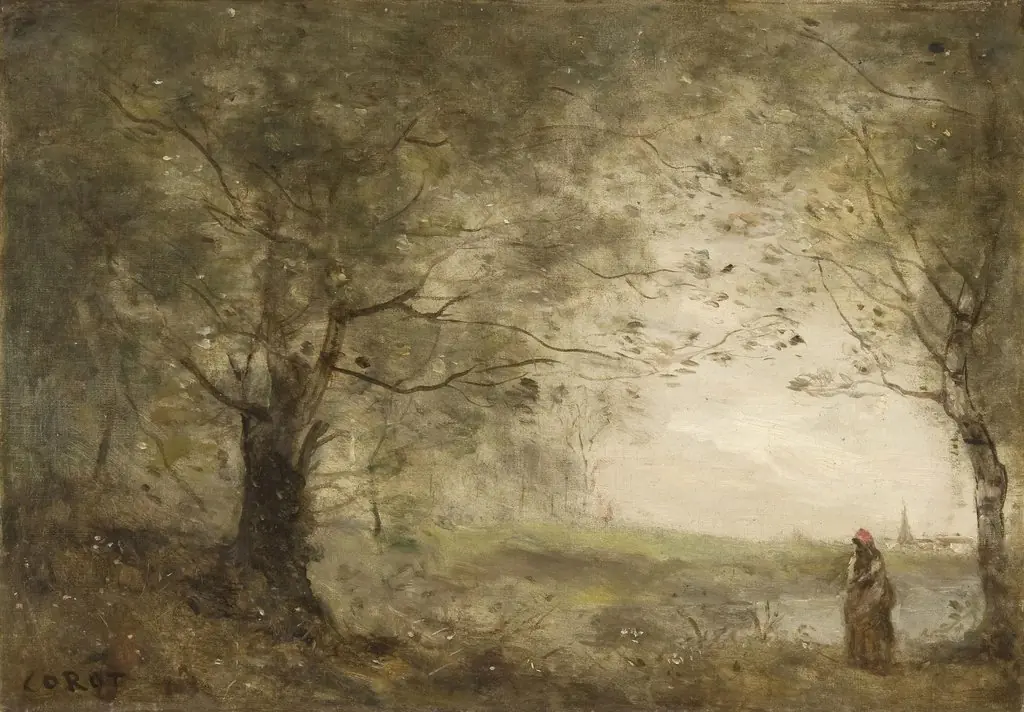 Landscape with a Distant Village Spire
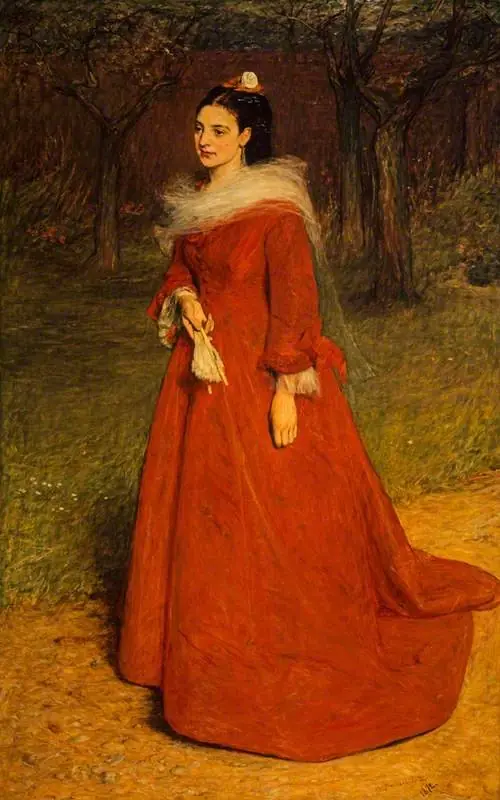 The Artist's Wife (Ellen Moxon, Lady Orchardson, 1853 - 1917)
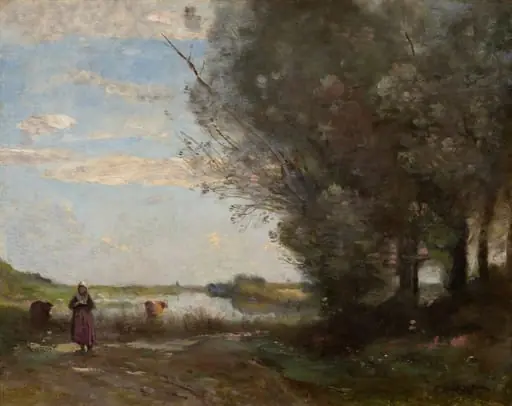 River View
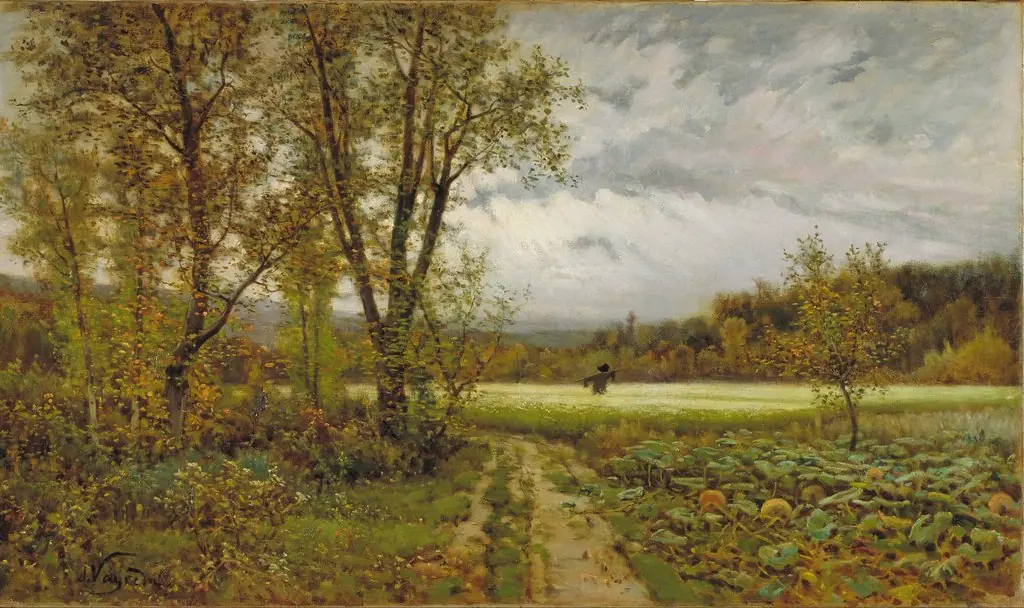 The Scarecrow
 Ukrudt. En kvinde i et landskab