Artwork
The Artist's Wife (Ellen Moxon, Lady Orchardson, 1853 - 1917)
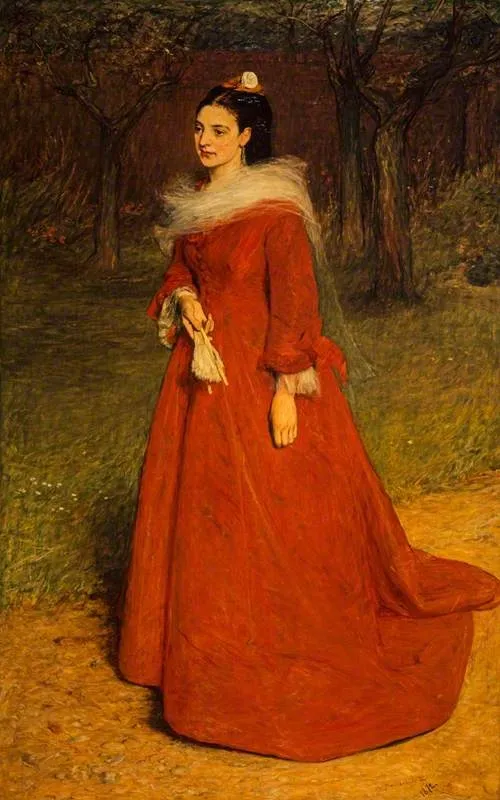
The Artist's Wife (Ellen Moxon, Lady Orchardson, 1853 - 1917) is an oil painting by the Impressionist artist William Quiller Orchardson. It dates from 1872 and is held in the collection of the National Galleries Scotland.
About this work
Overview
Though created during the rise of Impressionism, the work aligns more closely with academic traditions, emphasizing refined detail and controlled composition.
Painted in 1872 by William Quiller Orchardson, this oil portrait captures his wife, Ellen Moxon, shortly after their marriage. Though created during the rise of Impressionism, the work aligns more closely with academic traditions, emphasizing refined detail and controlled composition. It resides in the Scottish National Gallery, where it remains a quiet testament to Orchardson’s early focus on intimate domestic subjects.
Subject & Meaning
Ellen Moxon, depicted in a long red dress and modest headpiece, stands alone on a forest path, her gaze direct and composed. Her stillness and the absence of narrative context suggest introspection rather than performance. The painting avoids sentimentality, presenting her as a private figure—neither idealized nor theatrical—reflecting a personal, rather than public, portrait of a woman in her early twenties.
Technique & Style
Orchardson employed layered oil paint to model form with precision, particularly in the rendering of fabric and skin. The background is softly blurred, using loose brushwork to suggest depth without distracting from the figure. Contrasts between the rich red of the dress and the muted greens of the woods enhance spatial clarity, while the fan and hat add subtle texture without overwhelming the restrained palette.
History & Provenance
The painting entered the Scottish National Gallery’s collection in the late 19th century, likely through the artist’s direct donation or sale. It has remained in public hands since, with no record of significant ownership changes. Ellen Moxon later became Lady Orchardson in 1917 upon her husband’s knighthood, but the portrait predates this honor by over four decades.
Context
In 1872, British portraiture was transitioning between academic rigor and emerging naturalism. Orchardson, trained in Edinburgh and Paris, avoided the theatricality of Victorian genre scenes, favoring quiet, psychologically grounded depictions. This work reflects his early commitment to portraying domestic life with restraint, aligning him with contemporaries who valued subtlety over spectacle.
Legacy
Though not among Orchardson’s most widely reproduced works, this portrait endures as a representative example of his sensitive approach to personal subjects. It illustrates his ability to convey presence through stillness, influencing later Scottish portraitists who sought emotional authenticity over grandeur. Its continued display underscores its role in documenting the quiet dignity of private life in 19th-century Britain.
Artist & collection
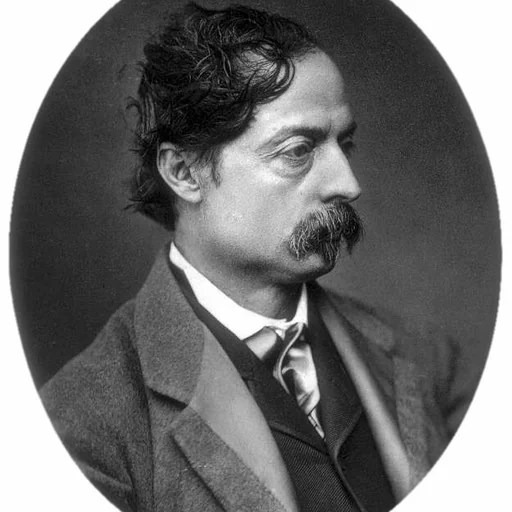
Artist
Sir William Quiller Orchardson (27 March 1832 – 13 April 1910) was a Scottish portraitist and painter of domestic and historical subjects who was knighted in June 1907, at the age of 75.

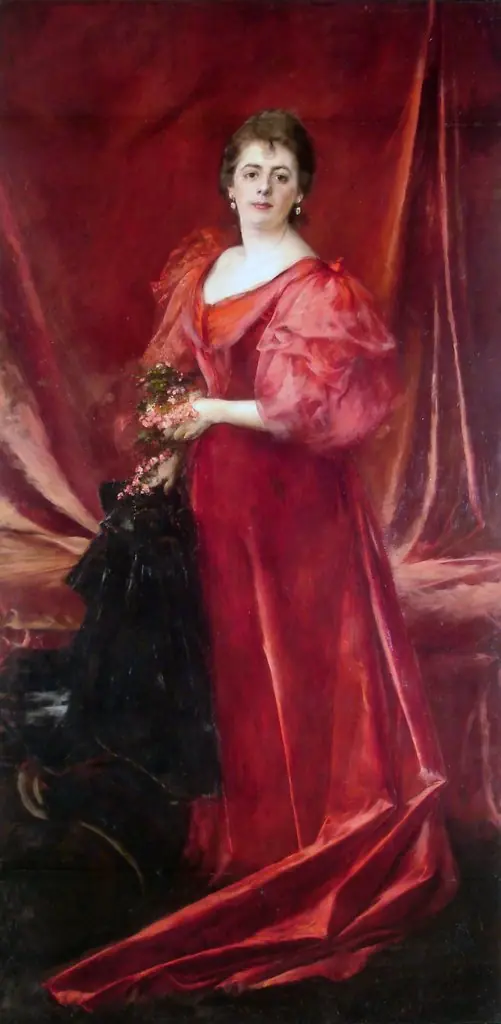 Retrato de la Sra. Maria de la Cárcova de Ferrari
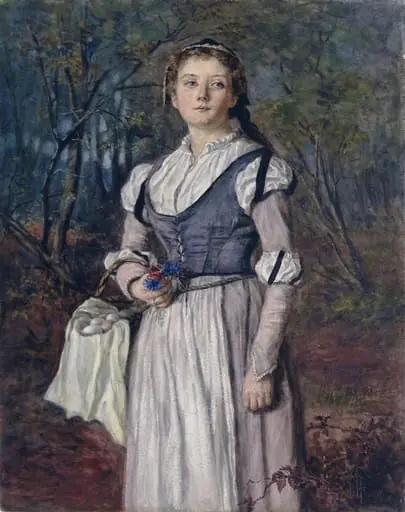 Through the Wood: A Girl with a Basket of Eggs on her Arm
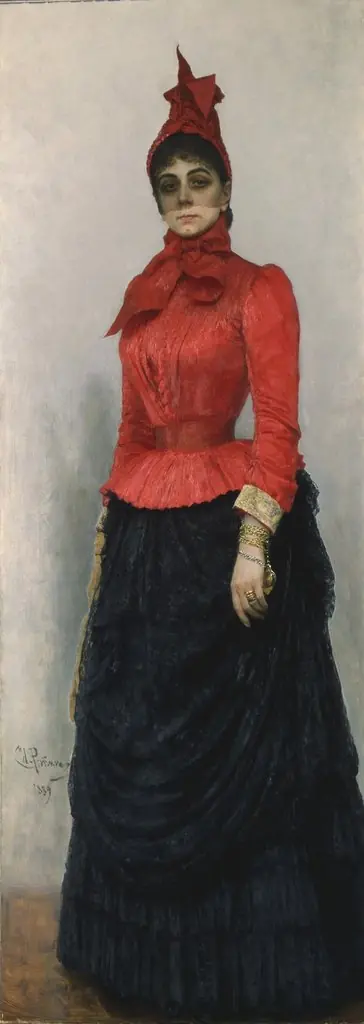 Portrait of Baroness V.I. Ikskul von Hildenbandt
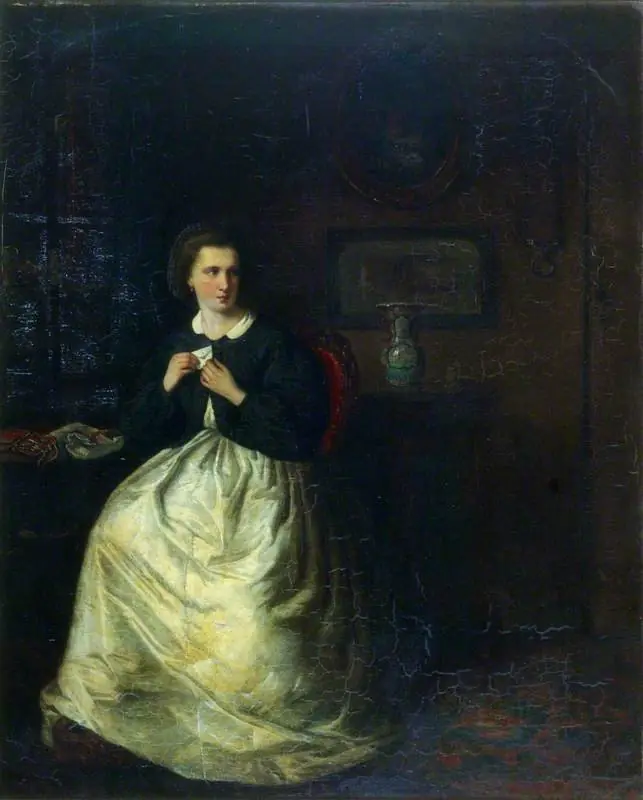 The Billet Doux
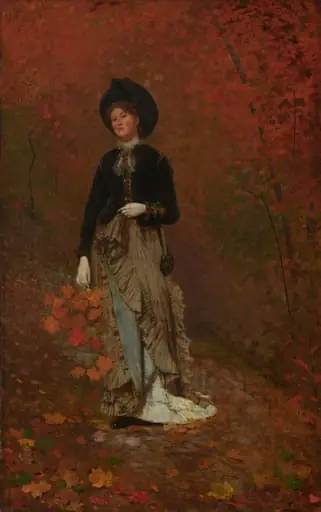 Autumn
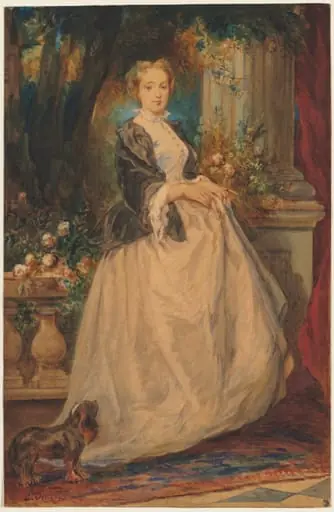 Portrait of Madame Thomas (née Camille Boucher)
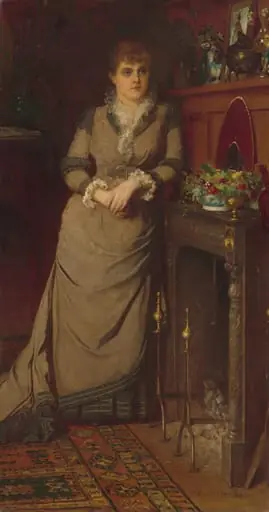 Harriet Hubbard Ayer
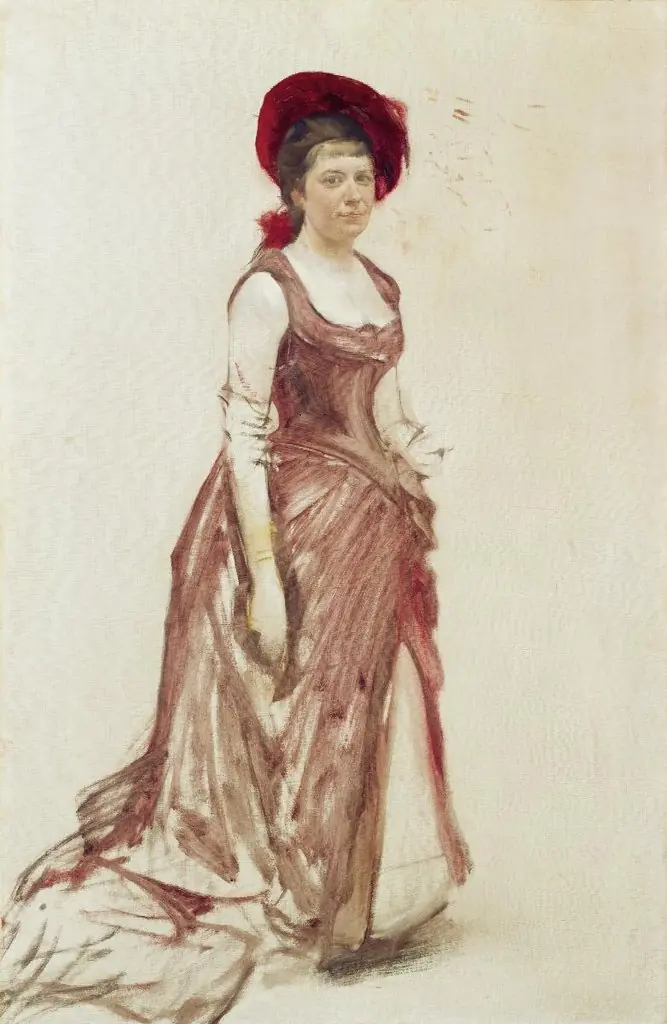 Bildnis Lydia Welti-Escher im roten Kleid
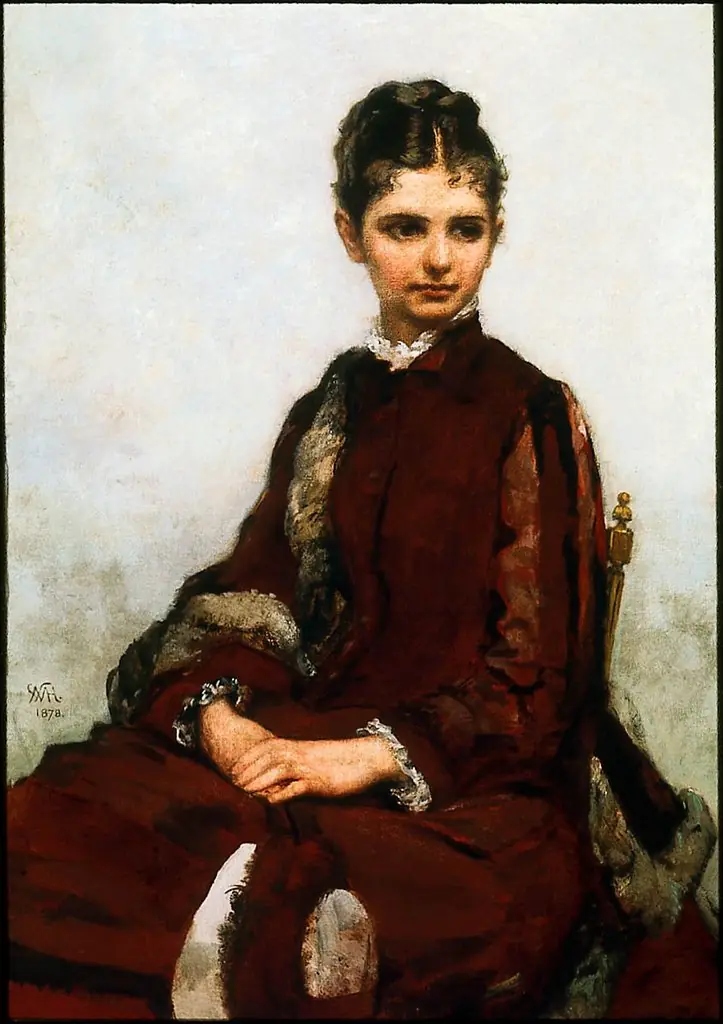 Miss Ida Mason
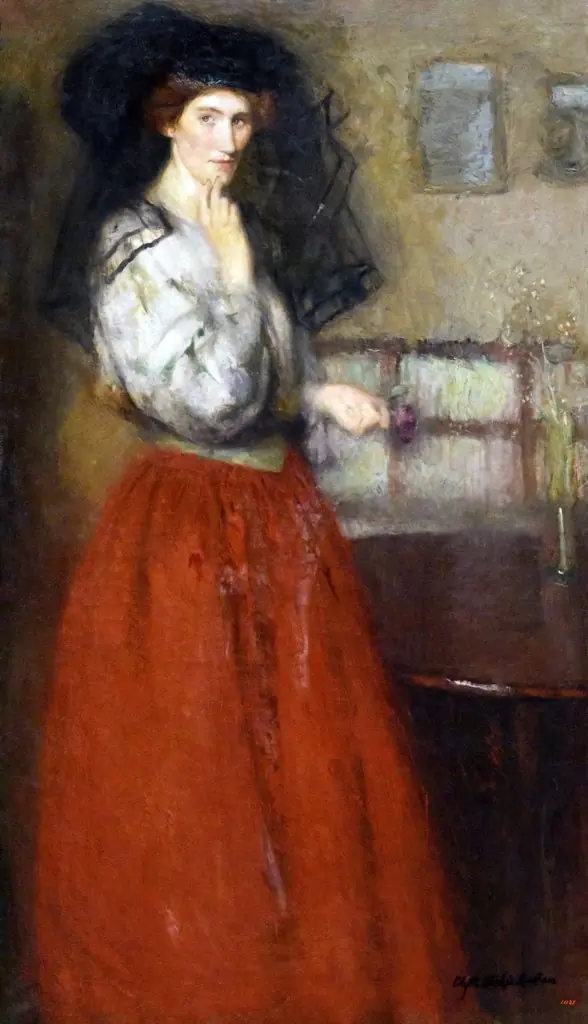 The Black Veil