Artwork
A Priory, Lyminge
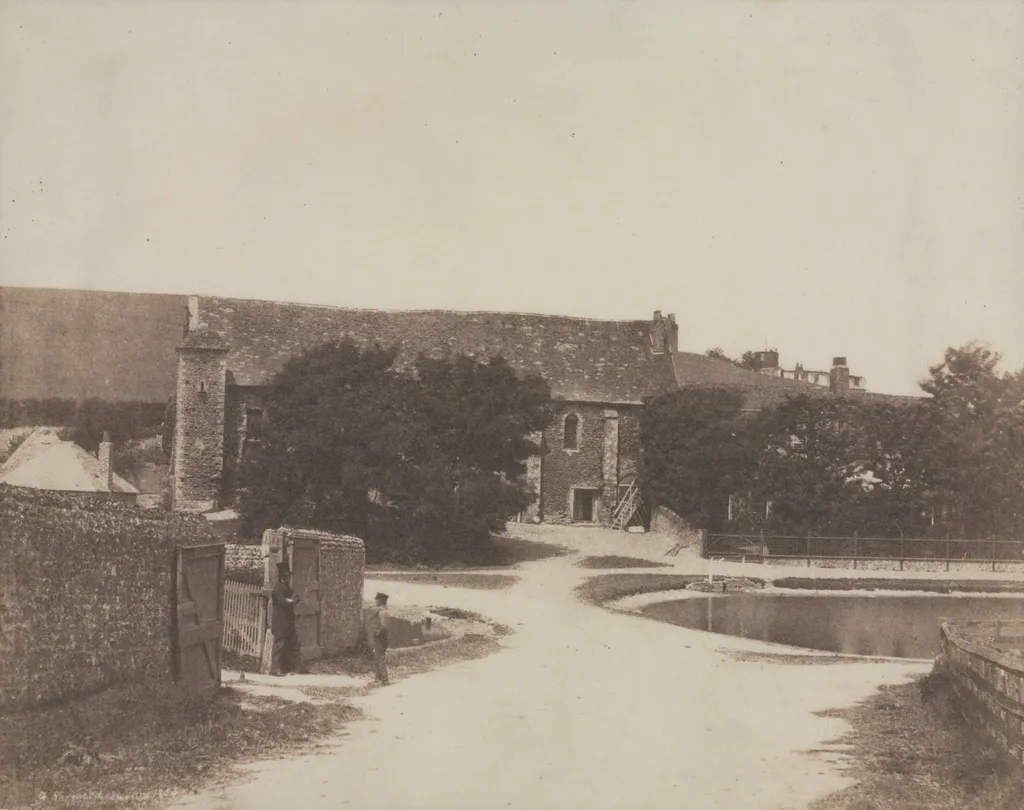
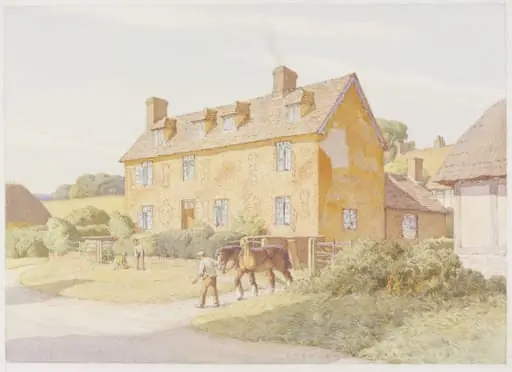
A Priory, Lyminge is a photography by the Impressionist artist George B. Shepherd. It dates from 1853 and is held in the collection of the Cleveland Museum of Art.
About this work
Overview
The work belongs to a mid-19th-century trend in which painters emulated the tonal qualities and composition of early photography.
A Priory, Lyminge is a painted landscape created by George B. Shepherd in 1853, though it mimics the appearance of a photographic image. The work belongs to a mid-19th-century trend in which painters emulated the tonal qualities and composition of early photography. It is part of the collection at The Cleveland Museum of Art, where it is presented as an example of artistic engagement with emerging visual technologies of the time.
Subject & Meaning
The scene depicts the quiet ruins of a medieval priory in the village of Lyminge, Kent. A dirt path winds toward a low doorway blocked by a simple fence, with a solitary figure standing nearby. Behind, a church or manor building rises against a gentle hill. The composition evokes stillness and decay, suggesting contemplation of time’s passage and the quiet endurance of sacred or domestic spaces amid rural England’s changing landscape.
Technique & Style
Shepherd employed precise brushwork and careful gradations of light and shadow to replicate the monochrome tonality of early photographic prints. The painting avoids overt brushstroke expression, favoring a smooth, almost mechanical finish. Trees and architectural forms are rendered with restrained detail, enhancing the illusion of a captured moment rather than a constructed scene, aligning the work with photographic aesthetics of the period.
History & Provenance
Created in 1853, the painting entered the collection of The Cleveland Museum of Art at an unknown date. Its provenance prior to acquisition is not publicly documented. As a work that bridges painting and photography, it reflects the cultural fascination with mechanical reproduction during the early Victorian era, though its specific commission or exhibition history remains unrecorded.
Context
In the 1850s, photography was newly established as a medium, and many painters responded by imitating its visual language. Shepherd’s work aligns with contemporaries who sought to capture the realism and immediacy associated with the camera. Lyminge’s priory ruins, once part of a Benedictine foundation dissolved in the 16th century, were subjects of antiquarian interest, making the scene both topographically and historically resonant.
Legacy
A Priory, Lyminge stands as a quiet testament to the dialogue between painting and photography in the 19th century. It illustrates how artists navigated the cultural authority of the new photographic image without abandoning traditional techniques. While not widely known, the work contributes to understanding how visual culture evolved as new technologies reshaped perceptions of reality and representation.
Artist & collection

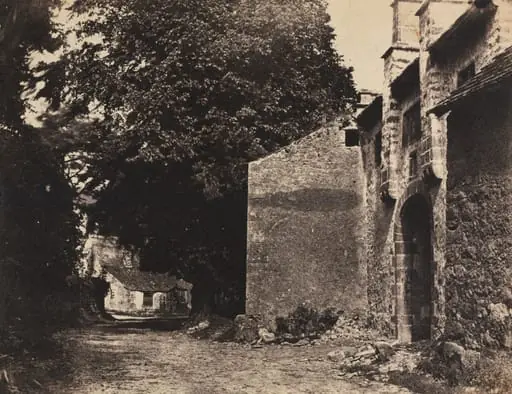 Gateway to Borwick Hall, Lancashire
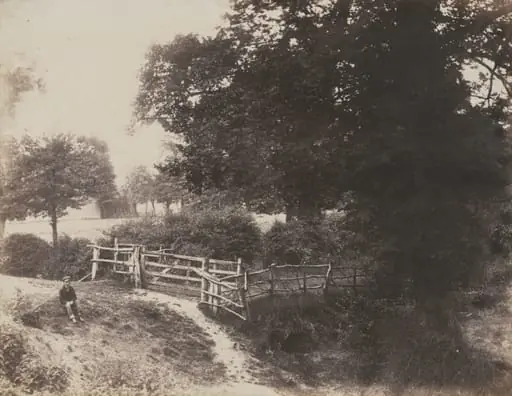 Green Meadows
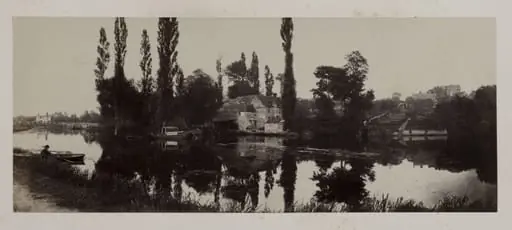 Iffley Mill
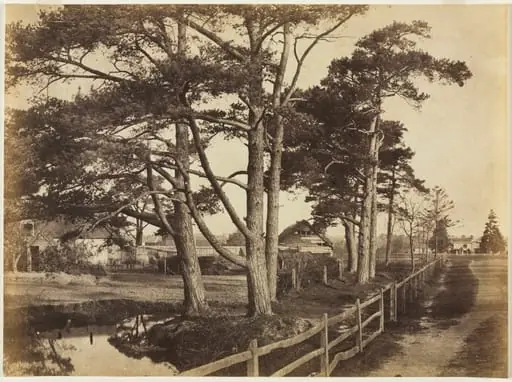 Scotch Firs, Hawkhurst
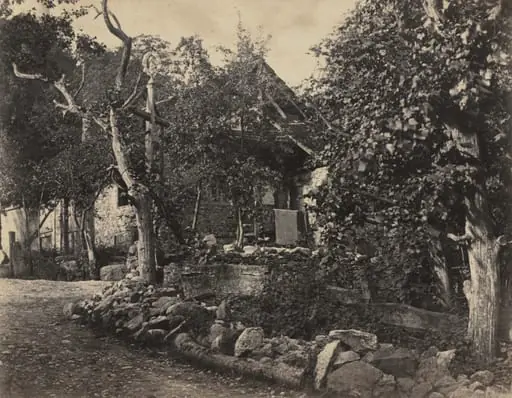 Rural Scene with Stone Building and Cross
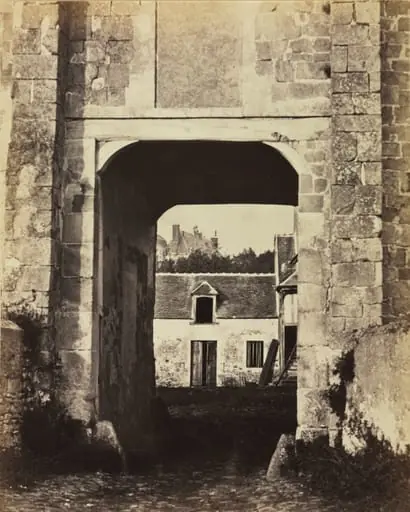 Rural Estate Seen Through Archway
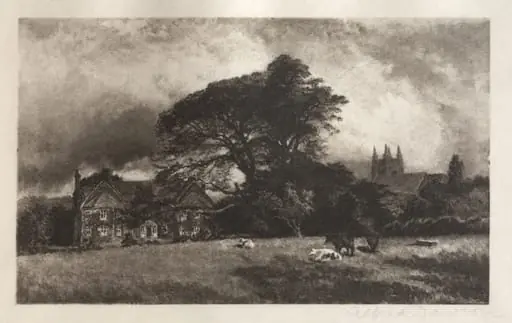 Eversley
 Calvert Jones Seated in the Sacristy of Lacock Abbey
 Laugharne Castle, Carmarthenshire
 The Cantorist House, Childrey
 Untitled
 A 15th century cottage at Nether Wynchenden