Artwork
Rural Estate Seen Through Archway
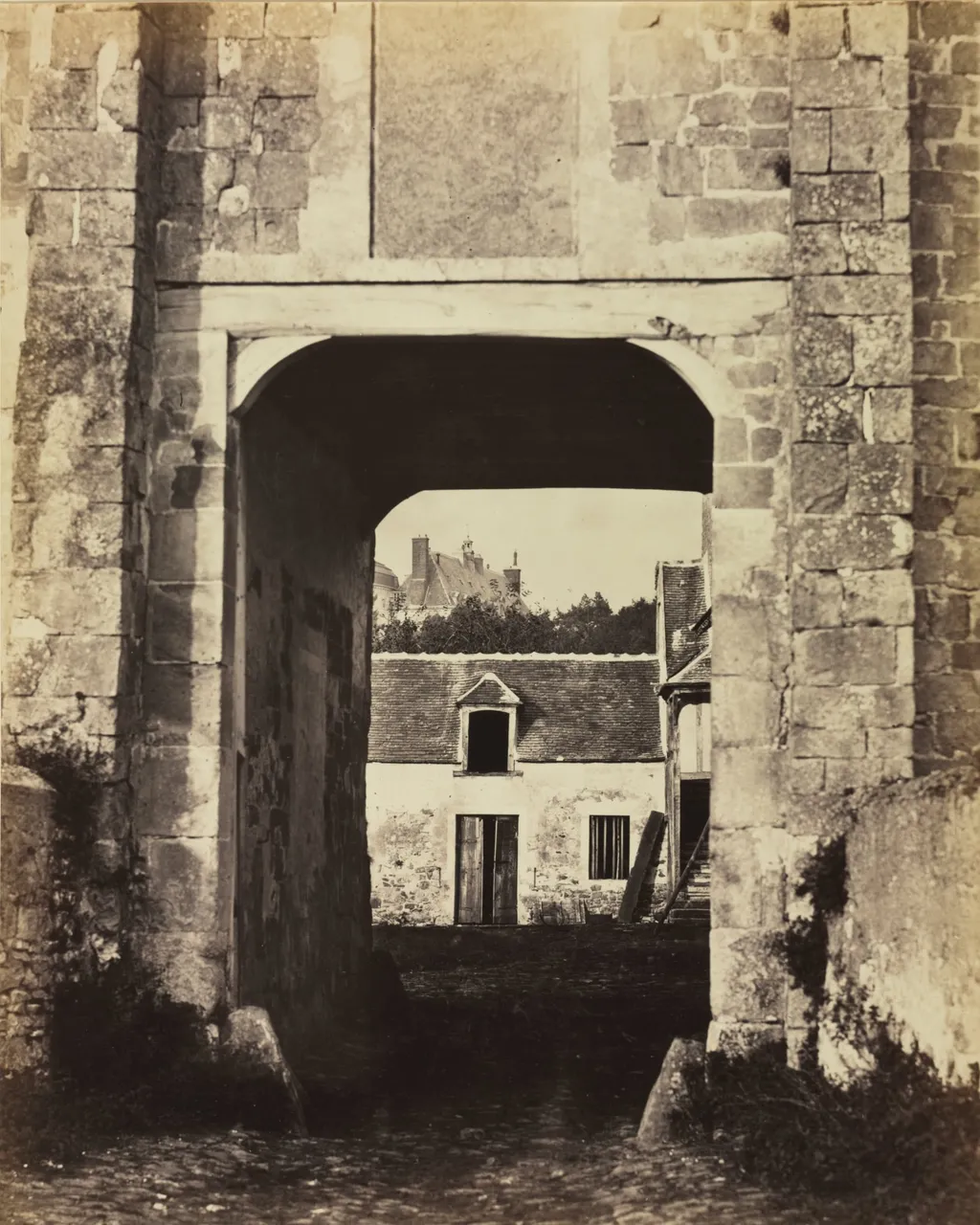
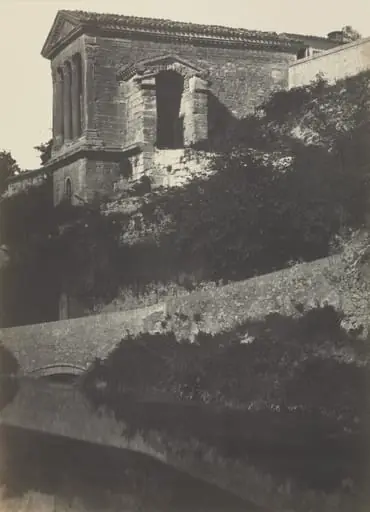
Rural Estate Seen Through Archway is a photography by the Impressionist artist André Philippe Régnier. It dates from 1864 and is held in the collection of the Cleveland Museum of Art.
About this work
Overview
Rural Estate Seen Through Archway is a photographic work by André Philippe Régnier, dated around 1864. It captures a quiet moment at a provincial property, framed by a weathered stone arch. The image reflects the growing interest in unidealized landscapes during the mid-19th century, when photography began to serve as a tool for observing daily environments rather than staging grand narratives.
Subject & Meaning
The photograph depicts an archway leading into a courtyard surrounded by modest, aging structures with tiled roofs and plain doorways.
The photograph depicts an archway leading into a courtyard surrounded by modest, aging structures with tiled roofs and plain doorways. The contrast between the shadowed arch and the sunlit exterior emphasizes transition and quiet decay. Rather than celebrating grandeur, the image invites contemplation of ordinary, unremarkable spaces, aligning with a broader cultural shift toward valuing the everyday.
Technique & Style
Régnier employs natural lighting to model the textures of stone and weathered plaster, enhancing the tactile quality of the scene. The composition uses the arch as a structural frame, directing attention to the depth of the courtyard. The tonal range, from bright sky to deep shadow, suggests careful exposure control, typical of early photographic experimentation with light and form.
History & Provenance
Created in the early 1860s, the photograph entered the collection of The Cleveland Museum of Art, where it remains part of their holdings of 19th-century photographic works. Its preservation reflects early recognition of photography’s documentary value, though Régnier’s broader oeuvre remains little documented, suggesting he operated outside major artistic circles of the time.
Context
This image emerged during a period when artists and photographers alike turned from historical or mythological themes toward scenes of rural and working-class life. In France and beyond, such imagery aligned with Realist movements that sought truth in the mundane. Régnier’s work contributes to this trend, using the camera’s precision to record architectural and environmental details without embellishment.
Legacy
Though not widely known, Régnier’s photograph stands as an example of early photographic realism, demonstrating how the medium could capture the quiet dignity of ordinary places. It contributes to the historical record of how 19th-century viewers began to see their surroundings not as backdrops for grandeur, but as subjects worthy of attention in their own right.
Artist & collection

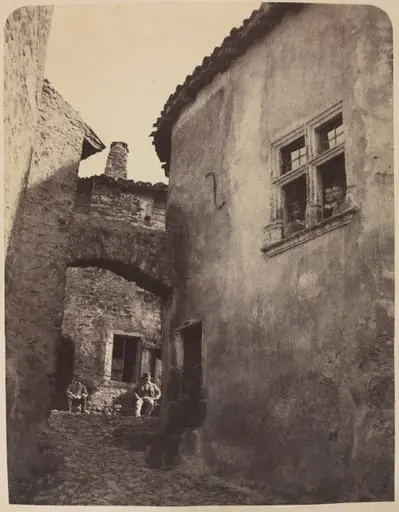 View of a Village
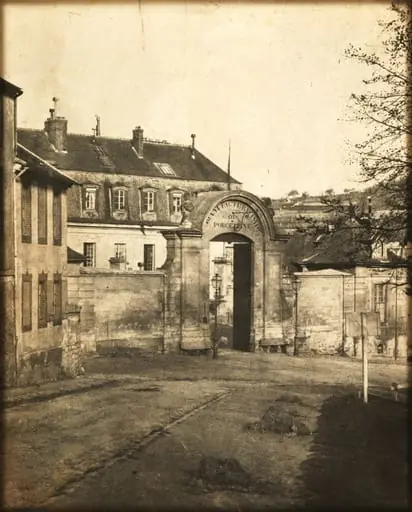 Doorway to Sèvres Factory
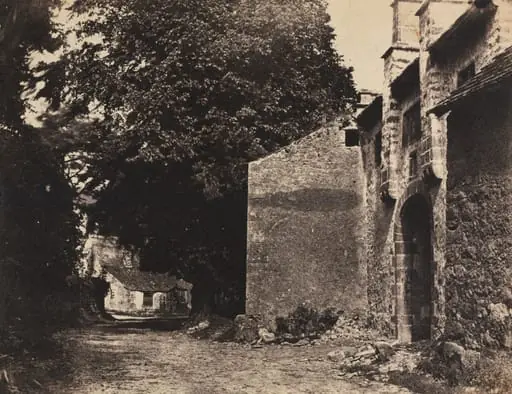 Gateway to Borwick Hall, Lancashire
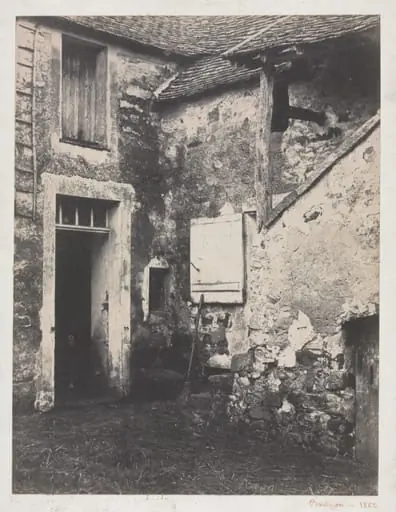 Farmyard
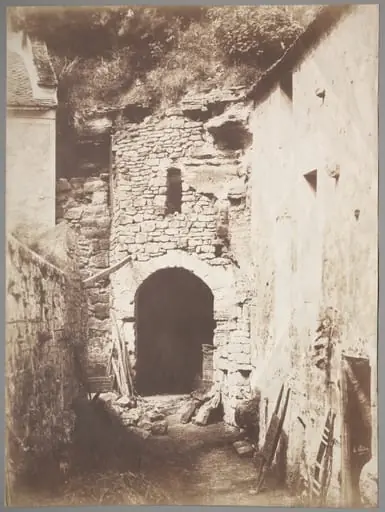 Behind the Troglodyte Farm
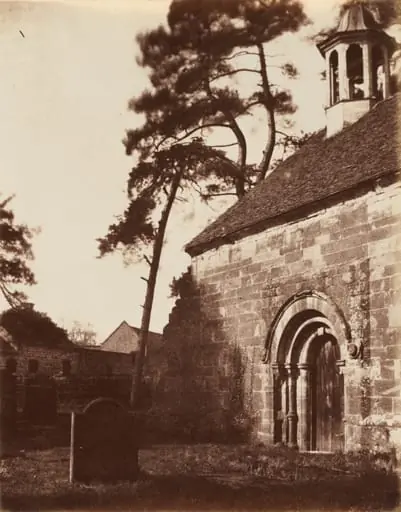 Woodcote
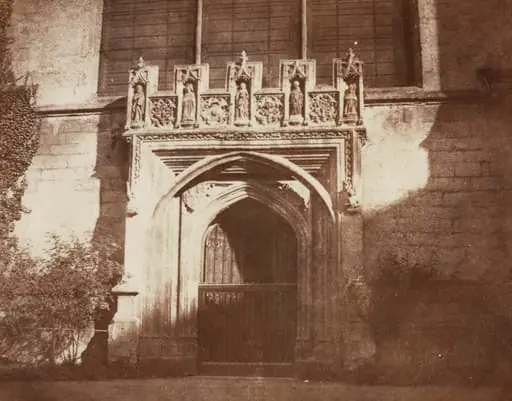 Ancient Door, Magdalen College, Oxford
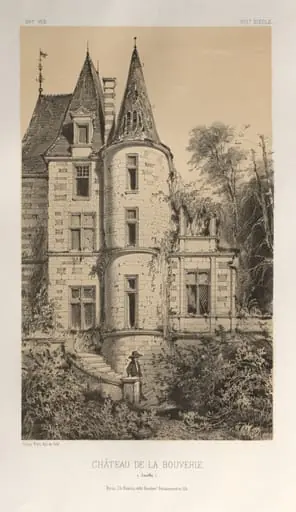 Architecture Pittoresque ou Monuments des xveme. Et xvieme. Siecles: Chateaux De France des XV et XVI Siecles: Pl. 29, Chateau De La Bouverie (Sarthe)
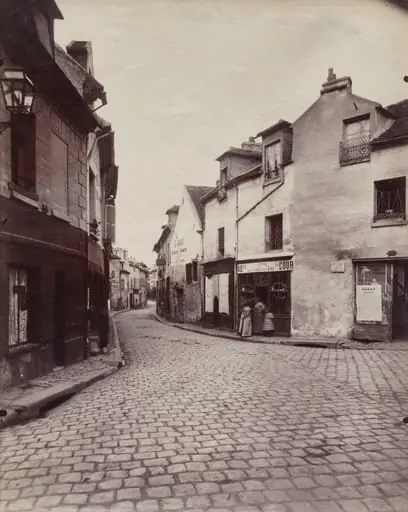 Clamart (Vielle Rue)
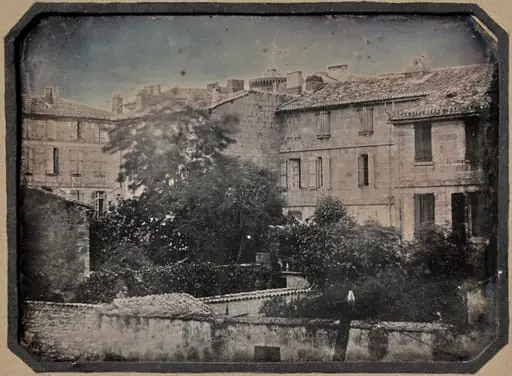 View of Angoulême
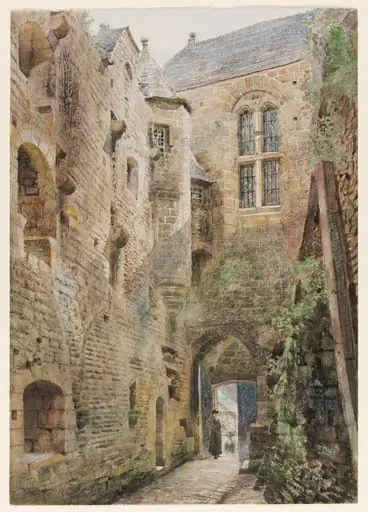 Court in the Abbey of Mont St. Michel, Normandy
 Temple of Clitumnus