Artwork
Vista y Prospettiva del Palacio del Rey de Portugal en Lisbona
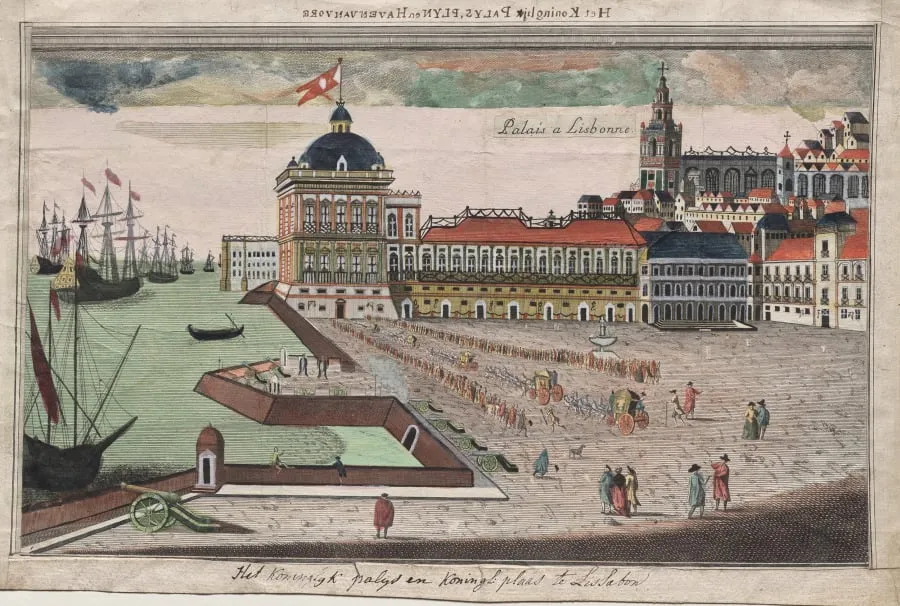
Vista y Prospettiva del Palacio del Rey de Portugal en Lisbona is a print by the Romanticist artist George Balthazar Probst. It dates from 1784 and is held in the collection of the Cleveland Museum of Art.
About this work
Overview
Such prints were produced briefly before being supplanted by photographic technology.
This hand-colored etching and engraving presents a detailed perspective of the Royal Palace in Lisbon, crafted as a vue d’optique—a popular 18th-century visual format designed for optical devices. The image relies on precise linear perspective and subtle coloring to simulate depth, intended to be experienced through a combination of a convex lens and a mirrored surface that enhances the illusion of three-dimensionality. Such prints were produced briefly before being supplanted by photographic technology.
Subject & Meaning
The scene depicts the royal palace in Lisbon, emphasizing its architectural grandeur and urban setting. Rather than conveying political or religious symbolism, the image functions as a visual curiosity, celebrating the monarchy’s presence through its physical structure. Its purpose was observational rather than narrative, inviting viewers to contemplate spatial order and urban life in a foreign capital, reflecting Enlightenment-era fascination with geography and representation.
Technique & Style
The work combines etching and engraving with meticulous hand-coloring to achieve a lifelike effect. Linear perspective is rigorously applied, with receding lines guiding the eye toward a vanishing point. The addition of a convex lens and mirror during viewing transforms the flat print into a convincing illusion of depth, a technique distinct from chiaroscuro, which manipulates light and shadow for volume. The coloring is restrained, enhancing realism without theatricality.
History & Provenance
Produced in the latter half of the 1700s, this print belongs to a short-lived genre that flourished in Europe before photography rendered optical views obsolete. Likely made for commercial distribution, it may have circulated in both private collections among the elite and as street-side attractions for the public. Few examples survive intact, as the devices required to view them were fragile and the prints were often handled frequently.
Context
During the 18th century, European cities saw a surge in visual technologies that blurred the line between art and science. Optical views like this one emerged alongside peepshows, magic lanterns, and early camera obscuras, reflecting broader cultural interests in perception and realism. Lisbon’s palace, recently rebuilt after the 1755 earthquake, became a symbol of renewal, making it a compelling subject for such visual entertainments.
Legacy
Though the optical viewing device fell into obscurity after the 1830s, the techniques used in these prints influenced later developments in illusionistic representation, including stereoscopy and early cinema. As artifacts of pre-photographic visual culture, they offer insight into how audiences engaged with space, distance, and realism before modern imaging technologies. Today, surviving examples are valued for their historical specificity rather than aesthetic novelty.
Artist & collection

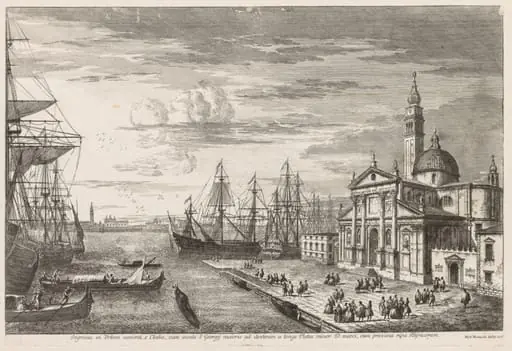 Views of Venice: The Basin of St. Mark's
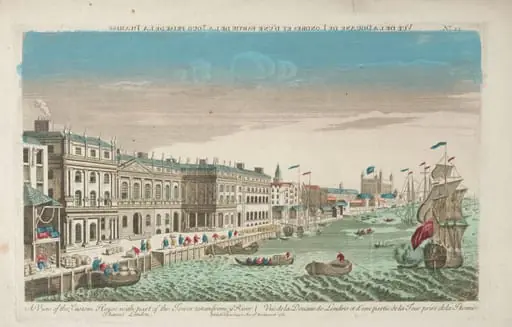 View of the Custom House and Douana of London
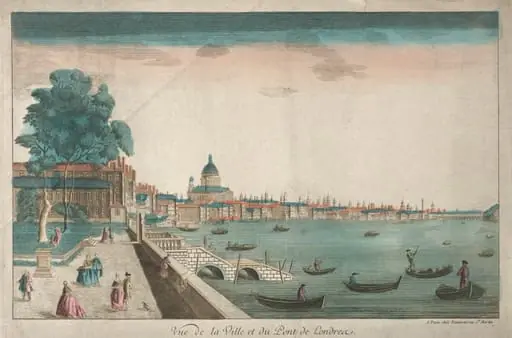 View of the City and London Bridge
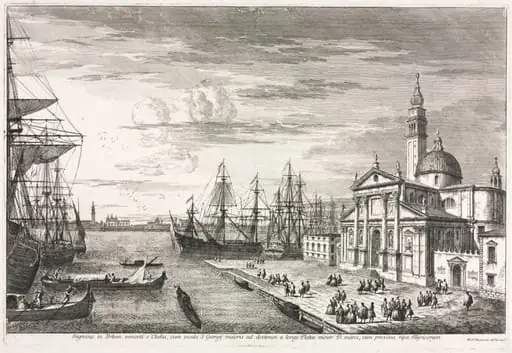 S. Giorgio Maggiore
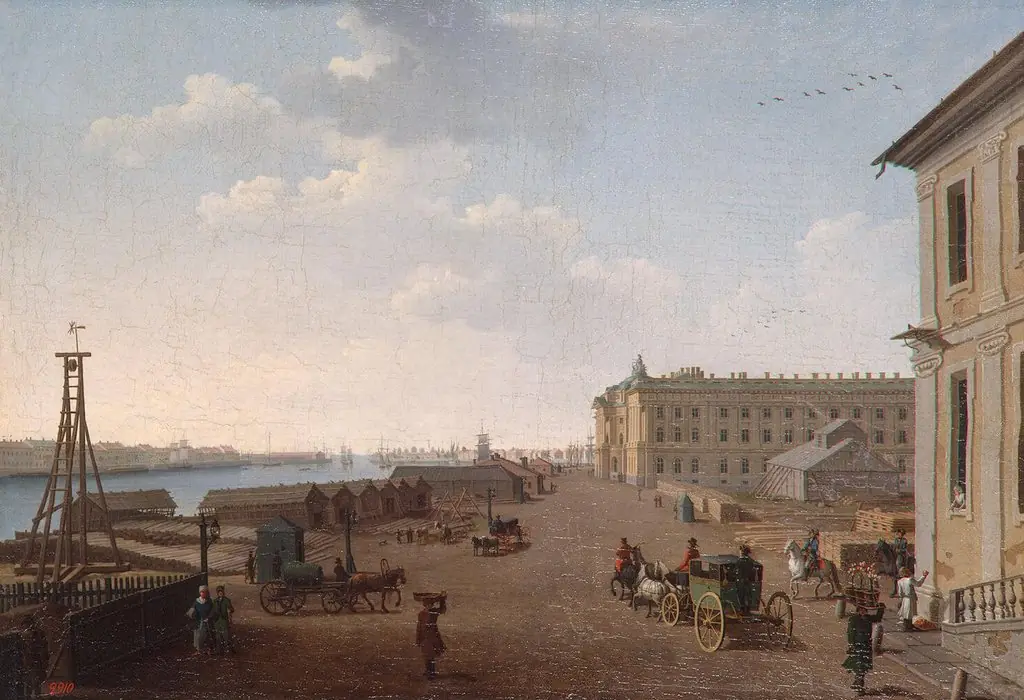 The View of the Embankment of Vasilyevsky Island near the Academy of Arts
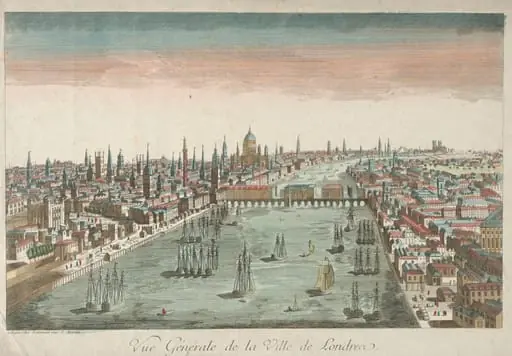 General View of London
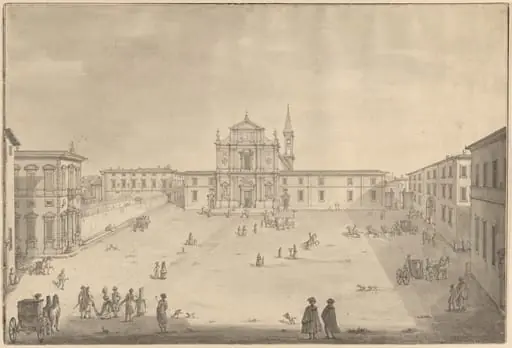 A View of the Piazza San Marco in Florence
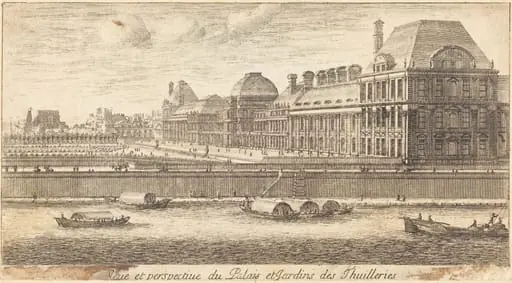 Veue et Perspectiue du Palais et Jardins des Thuilleries
!["Prospectus Locurum Urbis Romae Insign[ium]", by Lievin Cruyl](https://artifactworldgallery.com/img/lievin-cruyl--prospectus-locurum-urbis-romae-insign-ium--6578cced479e149d-w320.webp) "Prospectus Locurum Urbis Romae Insign[ium]"
"Prospectus Locurum Urbis Romae Insign[ium]"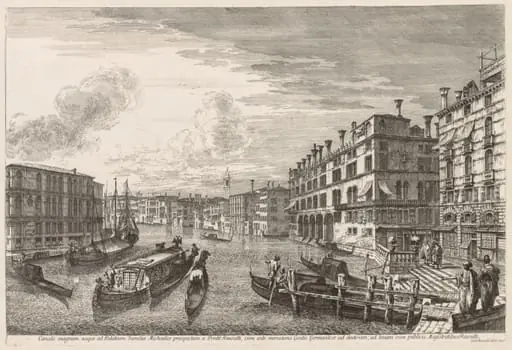 Views of Venice: Grand Canal
![Piazza del Popolo from "Prospectus Locurum Urbis Romae Insign[ium]", by Lievin Cruyl](https://artifactworldgallery.com/img/lievin-cruyl--piazza-del-popolo-from-prospectus-locurum-urbis-romae-insign--f9ac7057c7d8e5e8-w320.webp) Piazza del Popolo from "Prospectus Locurum Urbis Romae Insign[ium]"
Piazza del Popolo from "Prospectus Locurum Urbis Romae Insign[ium]"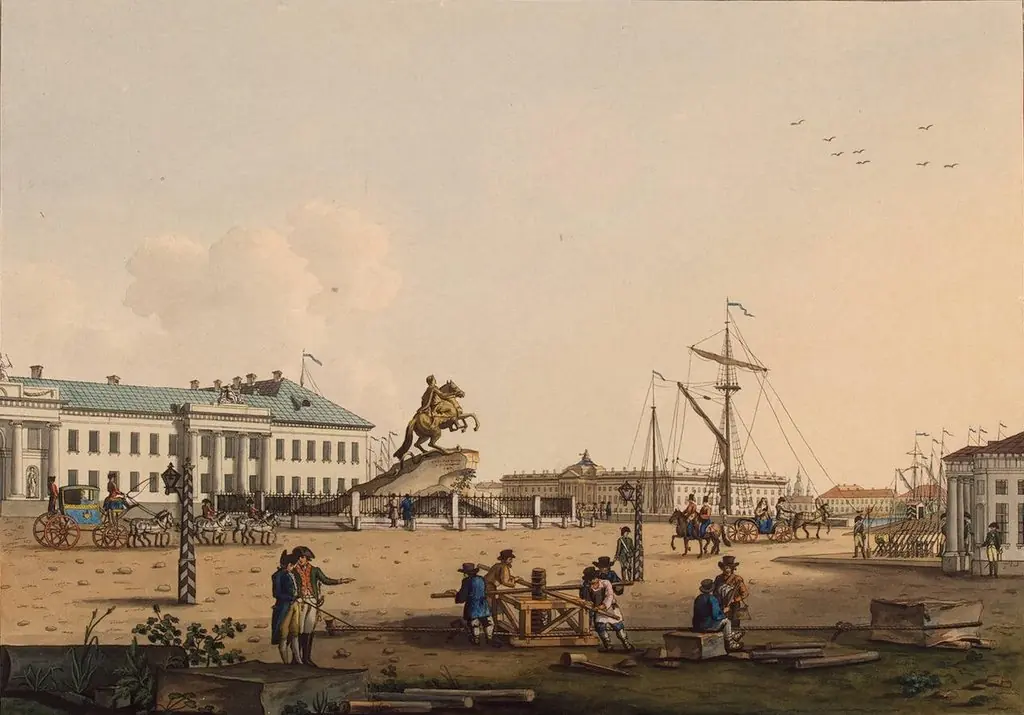 The equestrian statue of Peter I, with the surrounding