Artwork
Needle-box Print: The Royal Fleet in Kilkenny Bay (?)
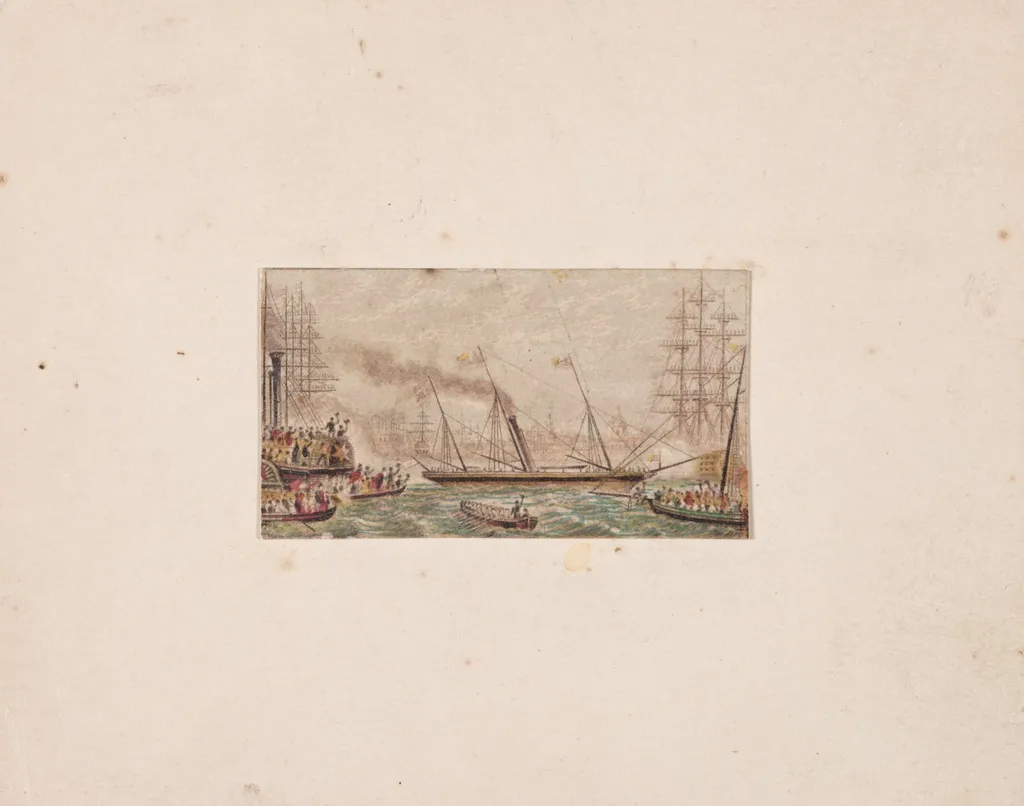
Needle-box Print: The Royal Fleet in Kilkenny Bay (?) is a print by the Impressionist artist George Baxter. It dates from 1850 and is held in the collection of the Cleveland Museum of Art.
About this work
Overview
Created in 1850 by English artist and printer George Baxter, this small color print depicts a fleet of ships in what may be Kilkenny Bay.
Created in 1850 by English artist and printer George Baxter, this small color print depicts a fleet of ships in what may be Kilkenny Bay. Baxter, known for pioneering practical color printing techniques, produced this work using hand-colored woodblocks. Its compact size and simplified palette suggest it was intended as a portable keepsake rather than a formal artwork, likely sold to travelers or naval enthusiasts.
Subject & Meaning
The print shows a central steamship flanked by two smaller vessels crowded with figures in vivid attire, waving flags. The lively gestures and bright clothing imply a celebratory or ceremonial moment—perhaps a royal visit or naval parade. The ambiguous location, indicated by a question mark in the title, leaves the event’s exact context open, but the scene conveys public enthusiasm for maritime power and technological progress.
Technique & Style
Baxter employed his signature method of combining woodblock printing with hand-coloring to achieve layered hues. The sky is softly blurred, while the sea is rendered with loose, rapid strokes, contrasting with the sharper outlines of the ships. The small scale and limited detail reflect a focus on accessibility and charm over grandeur, aligning with the print’s likely function as a personal memento rather than a fine art piece.
History & Provenance
The print resides in the collection of The Cleveland Museum of Art, acquired as part of a broader interest in 19th-century commercial prints. Baxter’s innovations in color printing made such works widely available in mid-Victorian Britain. Though not documented as part of a larger series, this piece reflects the era’s growing market for affordable, visually engaging imagery tied to national and maritime themes.
Context
In 1850, steam-powered vessels were transforming naval and commercial travel, becoming symbols of industrial progress. Public fascination with the Royal Navy and maritime spectacle was widespread, fueling demand for images like this one. Baxter’s prints catered to a middle-class audience seeking tangible connections to national achievements, blending art, technology, and patriotism in accessible form.
Legacy
Baxter’s color printing process influenced the development of mass-produced illustrated materials, paving the way for later chromolithography. While this particular print is modest in scale, it exemplifies how artistic innovation met commercial demand in the 19th century. Today, such works offer insight into how ordinary people engaged with national identity through everyday visual culture.
Artist & collection
Artist
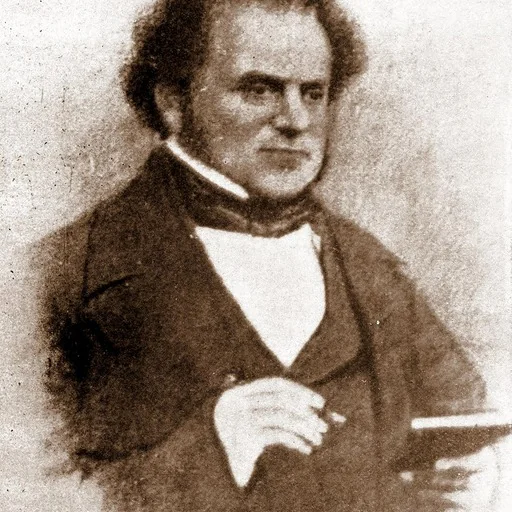
George Baxter (1804–1867) was an English artist and printer based in London. He is credited with the invention of commercially viable colour printing. Though colour printing had been developed in China centuries before,…


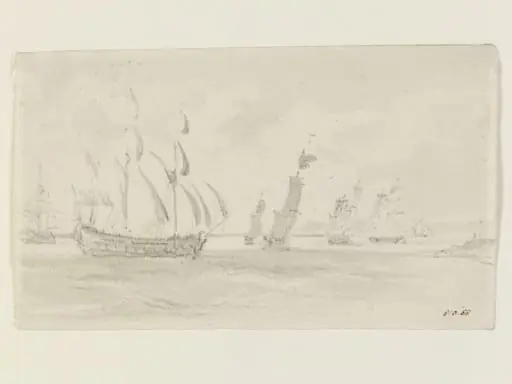 Shipping in a breeze in the Thames or the Medway
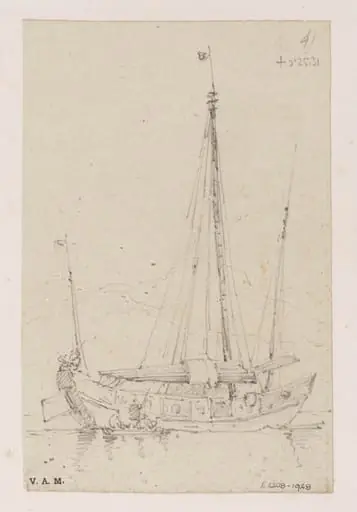 A three-masted junk with a smaller boat alongside
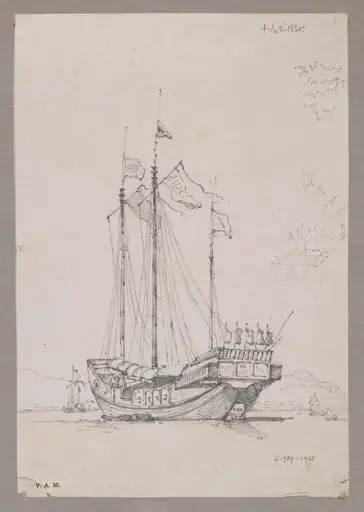 Untitled
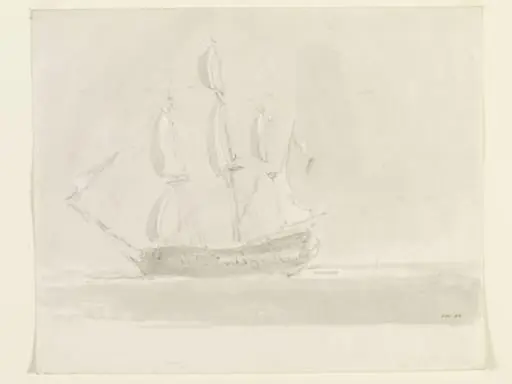 A ship under sail
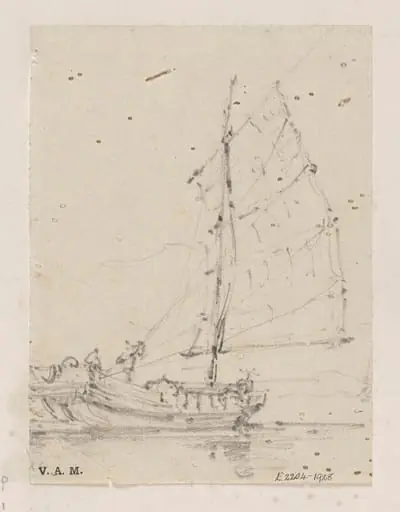 A junk under sail
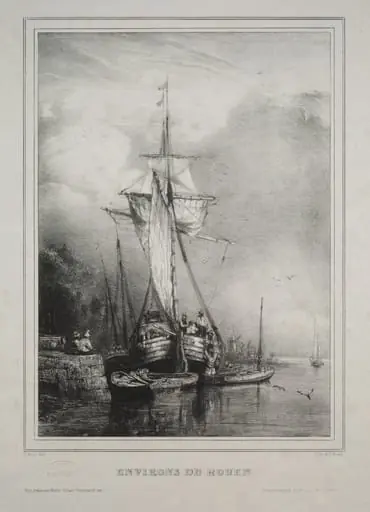 Six Marines: Environs of Rouen, France
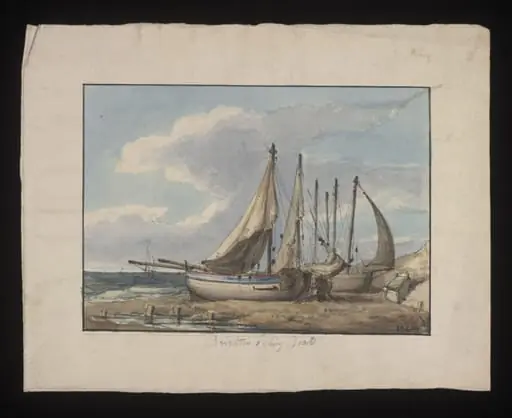 Watercolour drawing by the Grieve family, probably by Thomas Grieve, showing fishing boats at Brighton
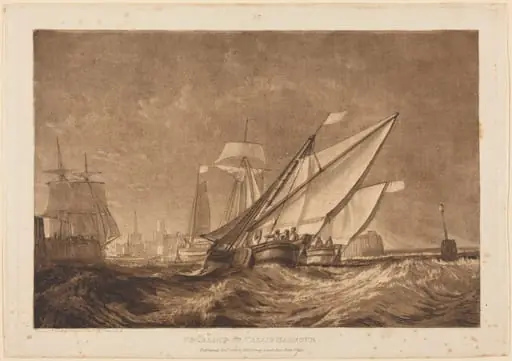 Entrance of Calais Harbour
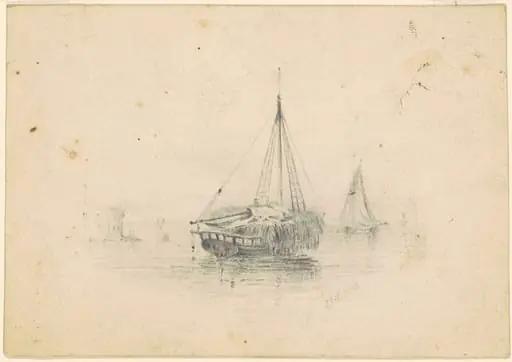 Boats at Anchor
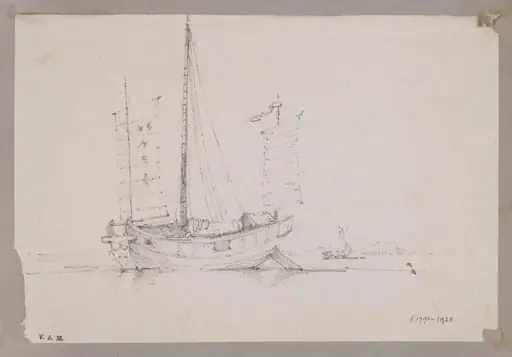 A Chinese junk
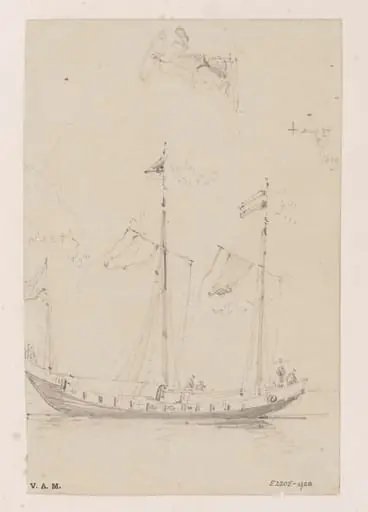 A three-masted Chinese vessel
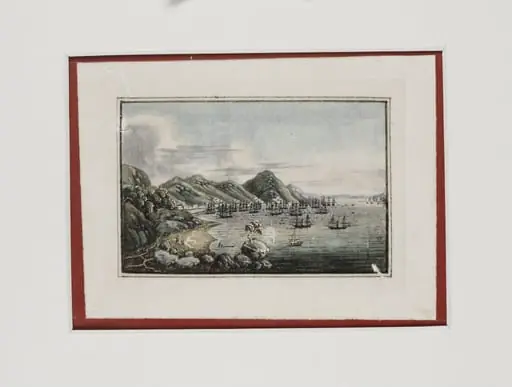 Hong Kong Harbour