Artwork
Gems of the Great Exhibition, No. 2.
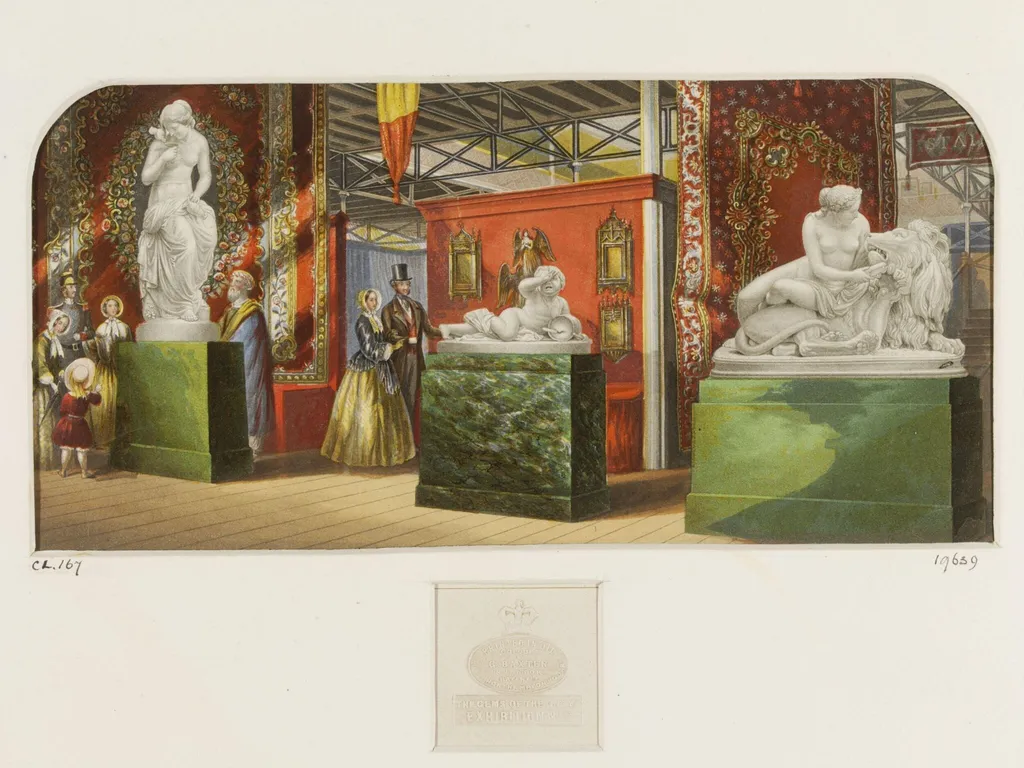
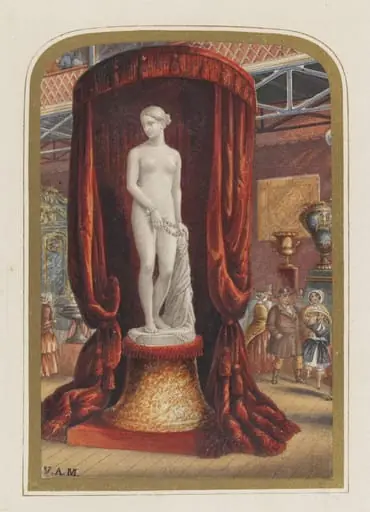
Gems of the Great Exhibition, No. 2. is a print by the Impressionist artist George Baxter. It dates from 1852 and is held in the collection of the Victoria and Albert Museum. This 1852 Baxter-process print, titled *Gems of the Great Exhibition, No.
About this work
Overview
This 1852 Baxter-process print, titled *Gems of the Great Exhibition, No. 2*, presents a panoramic view of the Belgian pavilion at the 1851 Great Exhibition. The composition is organized beneath a domed ceiling, bordered by an ornate gold frame, and includes three sculptural groups set on green plinths.
Subject & Meaning
The image records the interior of a exhibition hall where marble statues—human figures and animals rendered in white—are displayed on pedestals. Visitors in period dress move through the space, observing the works and conversing, illustrating the public’s engagement with art and industry during the event.
Technique & Style
Created using the Baxter printing process, the work combines fine line work with rich color washes to convey the hall’s architectural details, such as the metal‑supported ceiling, red walls, and gilded patterns. The print’s precise rendering reflects mid‑nineteenth‑century documentary aesthetics rather than the loose brushwork associated with later Impressionism.
History & Provenance
Produced shortly after the 1851 exhibition, the print was part of a series documenting the various national departments. It was likely distributed to visitors and collectors interested in visual records of the fair, and it remains a primary source for scholars studying the exhibition’s layout and presentation.
Context
The Great Exhibition in London was a landmark event showcasing industrial and artistic achievements from around the world. Belgium’s contribution, highlighted here, emphasized its sculptural heritage and the integration of decorative arts within a modern exhibition setting.
Artist & collection
Artist
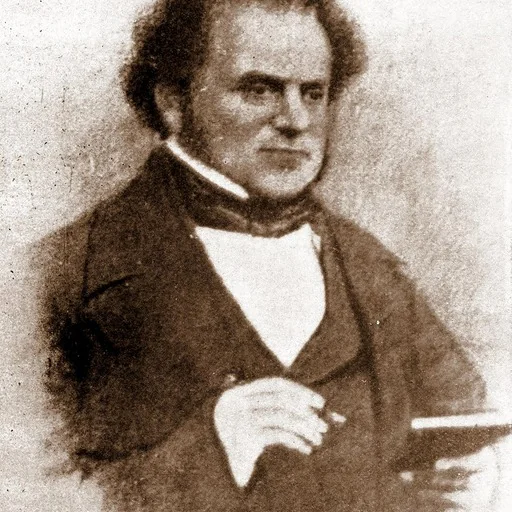
George Baxter (1804–1867) was an English artist and printer based in London. He is credited with the invention of commercially viable colour printing. Though colour printing had been developed in China centuries before,…

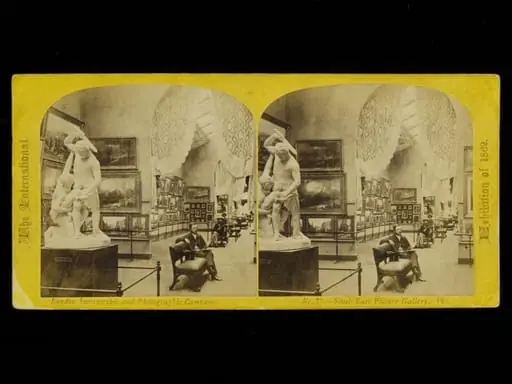 Stereoscopic photograph of the 1862 International Exhibition
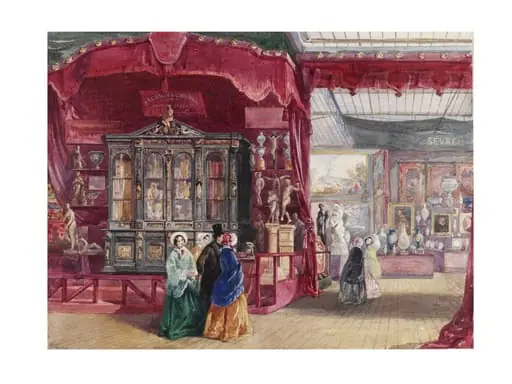 Part of the French Court, no. 1 (Sevres)
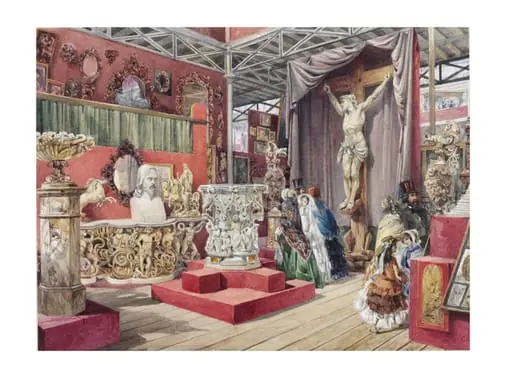 Part of the Fine Arts Court
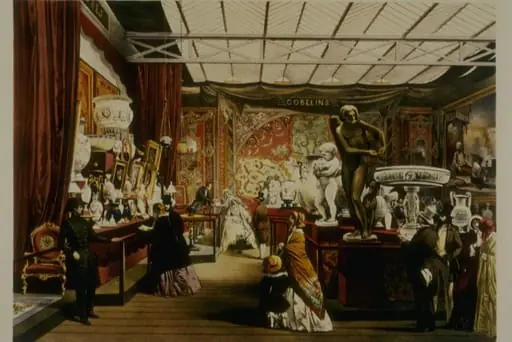 France No. 3
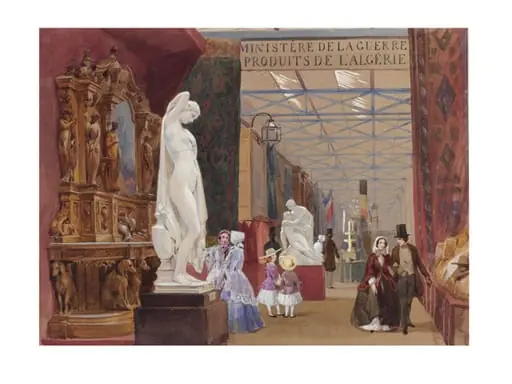 Part of the French Court, No. 2
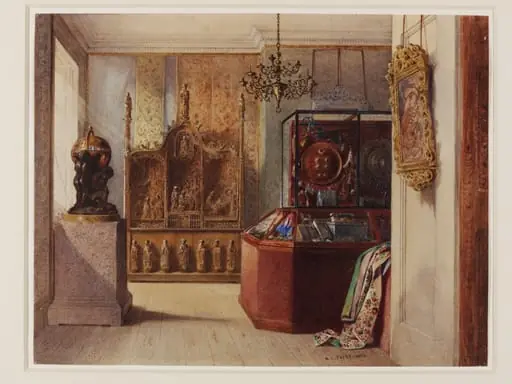 Marlborough House: First Room
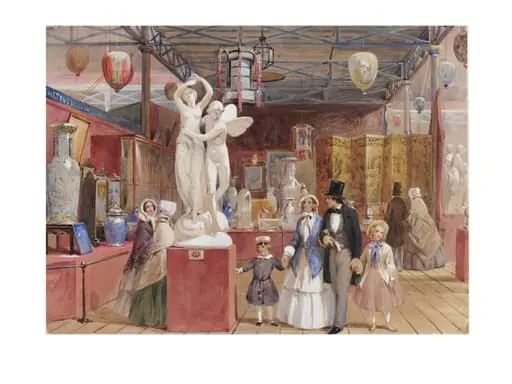 Part of the Chine Court
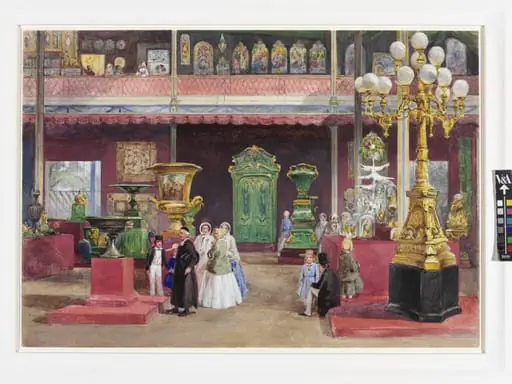 Part of the Russian Court
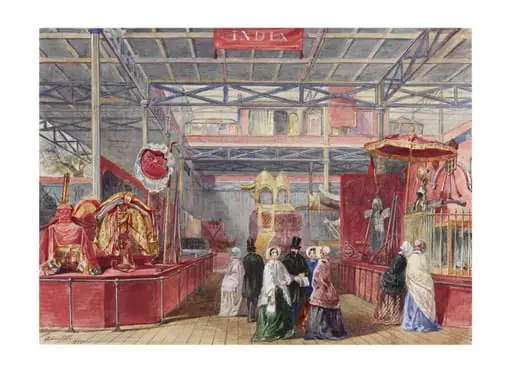 The Indian Court and Elephant Trappings
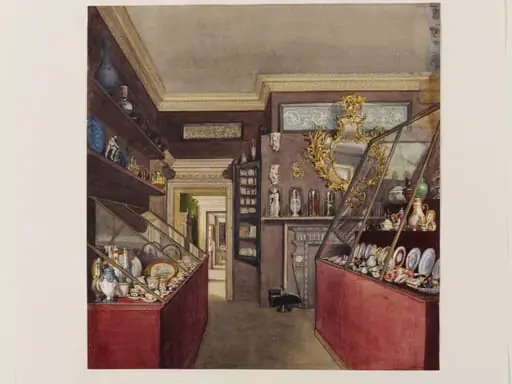 Marlborough House: Fourth Room. 1856
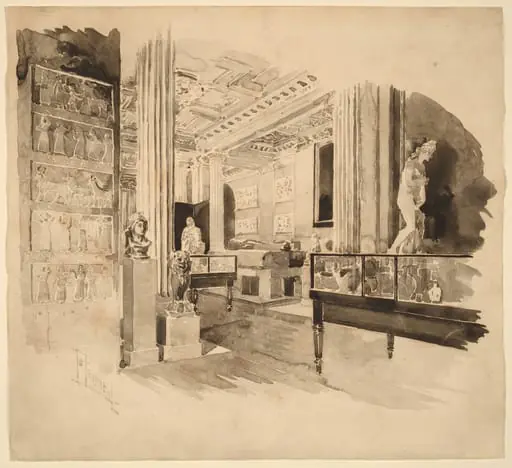 Interior, Fitzwilliam Museum