Artwork
The Return to Life
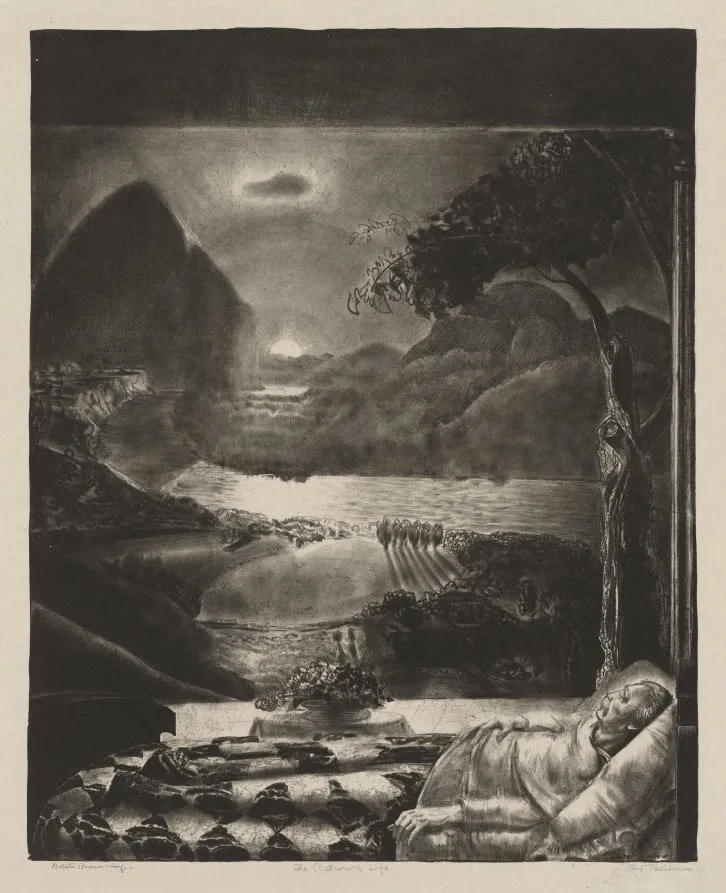
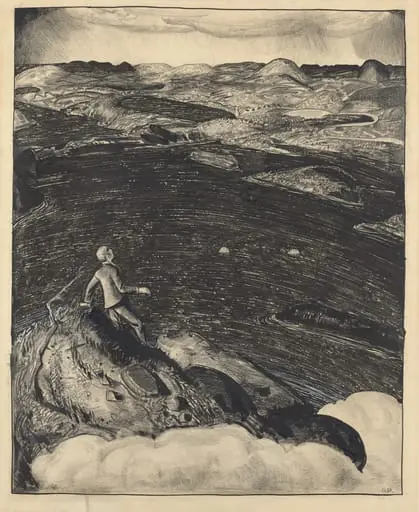
The Return to Life is a print by George Bellows. It dates from 1923 and is held in the collection of the Cleveland Museum of Art.
About this work
Overview
Created in 1923, *The Return to Life* is a print by George Bellows, an American artist known for his unembellished portrayals of urban environments.
Created in 1923, *The Return to Life* is a print by George Bellows, an American artist known for his unembellished portrayals of urban environments. Unlike his more famous city scenes, this work turns to a tranquil, nocturnal landscape. Executed in ink or etching, it conveys stillness through subtle tonal shifts rather than dynamic action, marking a departure from his typical subject matter while retaining his sensitivity to atmosphere.
Subject & Meaning
The image centers on a solitary figure curled asleep among dark rocks, positioned in the lower right. Behind, a moonlit lake mirrors a pale sky, while distant mountains fade into mist. The title suggests renewal or quiet awakening, but the scene resists narrative clarity. There is no overt drama—only solitude and the hush of night, inviting contemplation rather than interpretation.
Technique & Style
Bellows employed deep chiaroscuro to shape the composition, using stark contrasts between shadow and faint lunar glow. The sky, heavy with cloud, and the mist-wrapped mountains are rendered with soft, blurred edges, creating a dreamlike depth. The figure’s form is suggested rather than detailed, emphasizing mood over realism. The print’s tonal restraint and atmospheric focus reflect a meditative shift in his artistic approach.
History & Provenance
The print entered the collection of the Cleveland Museum of Art, where it remains today. Its creation followed a period of personal and artistic reflection for Bellows, who had begun exploring quieter, more introspective themes after years of depicting urban intensity. Though less publicized than his boxing or street scenes, this work reveals his range and willingness to engage with silence and solitude.
Context
In the early 1920s, Bellows was increasingly drawn to landscapes and personal symbolism, moving beyond the social realism that defined his earlier career. This print emerged amid broader cultural shifts in American art, where some artists sought emotional resonance in nature rather than urban grit. The work aligns with a quieter, more lyrical current in American printmaking of the era.
Legacy
While not among Bellows’s most widely exhibited works, *The Return to Life* illustrates his capacity to convey emotional weight through minimal means. It stands as a quiet counterpoint to his bolder public images, revealing an artist attuned to subtlety and introspection. The print continues to be studied for its atmospheric precision and its role in understanding the evolution of his later style.
Artist & collection
Artist
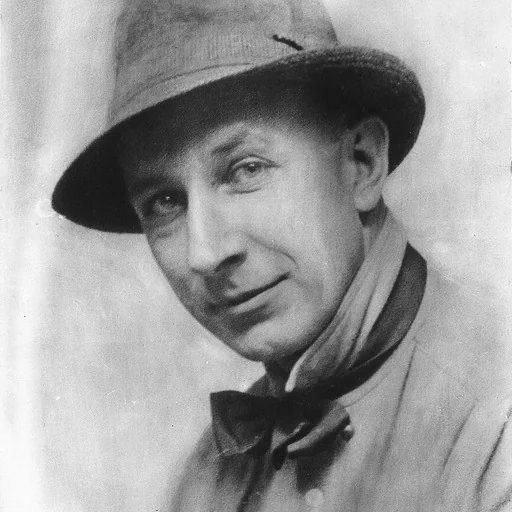
George Wesley Bellows (August 12 or August 19, 1882 – January 8, 1925) was an American realist painter, known for his bold depictions of urban life in New York City.

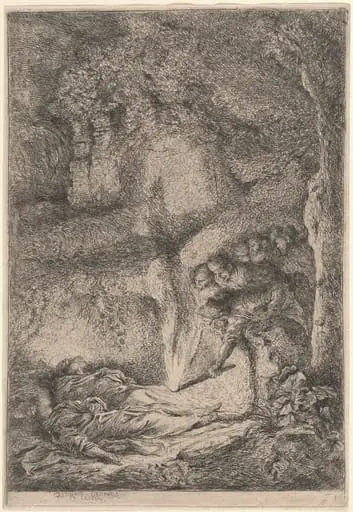 The Bodies of Saints Peter and Paul Hidden in the Catacombs
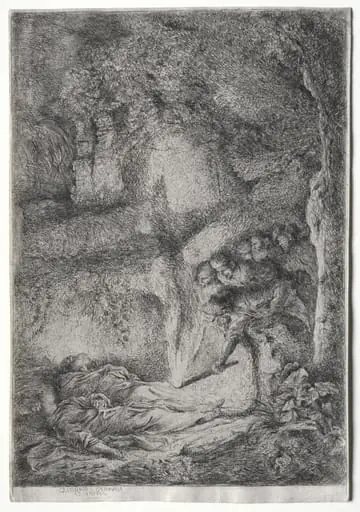 The Discovery of the Bodies of Saints Peter and Paul
 The Comedy of Death
 Dancing Town (The Top of the World)
 Frontispiece
 Death and the Young Mother
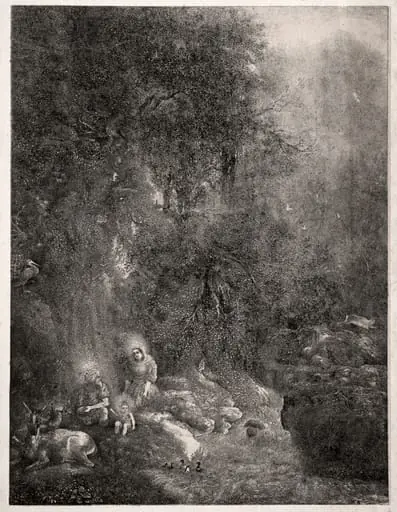 Holy Family with Deer
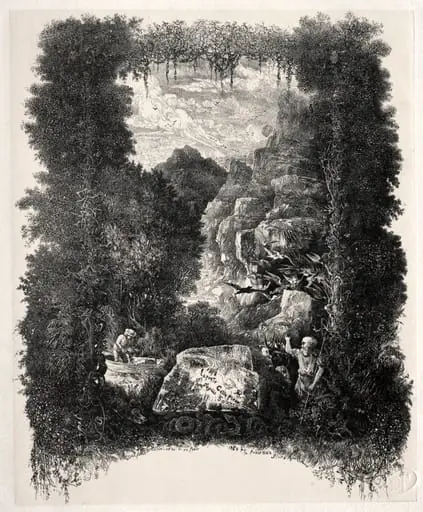 First frontispiece for Fables and Fairy-Tales by Thierry-Faletans
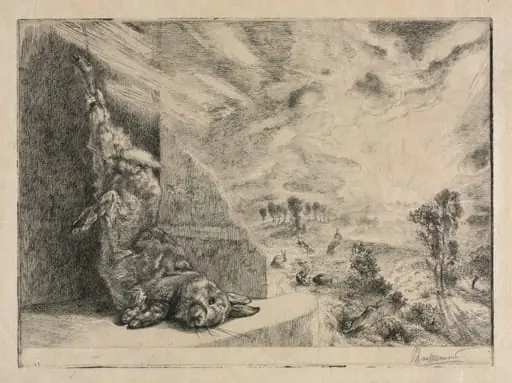 The Wild Rabbit
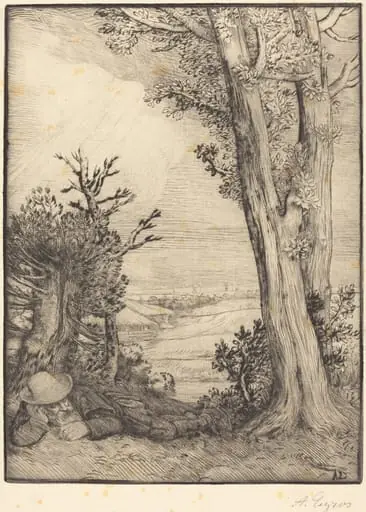 Siesta in the Country (Sieste dans la capagne)
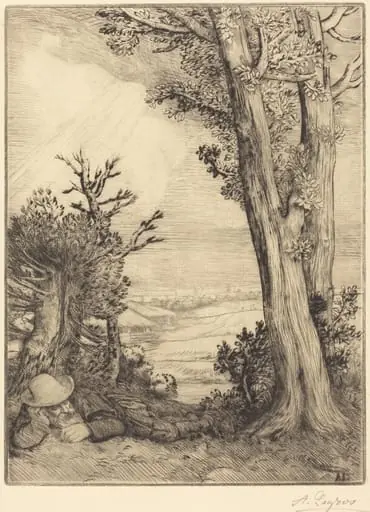 Siesta in the Country (Sieste dans la campagne)
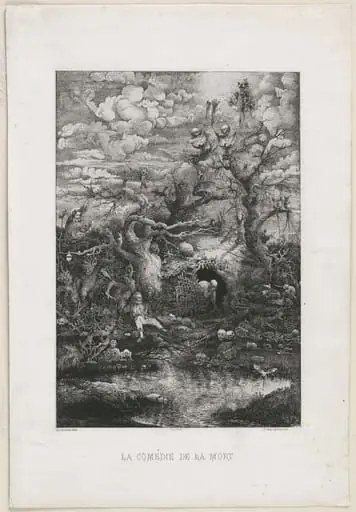 Untitled