Artwork
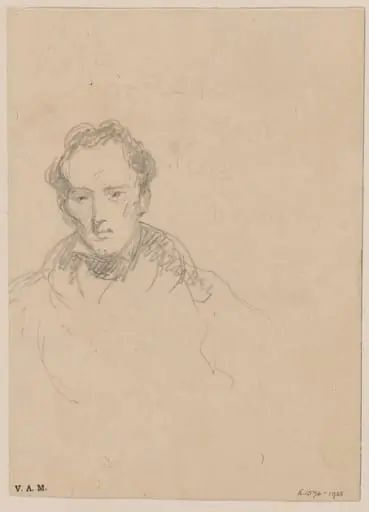
A portrait of John Dent
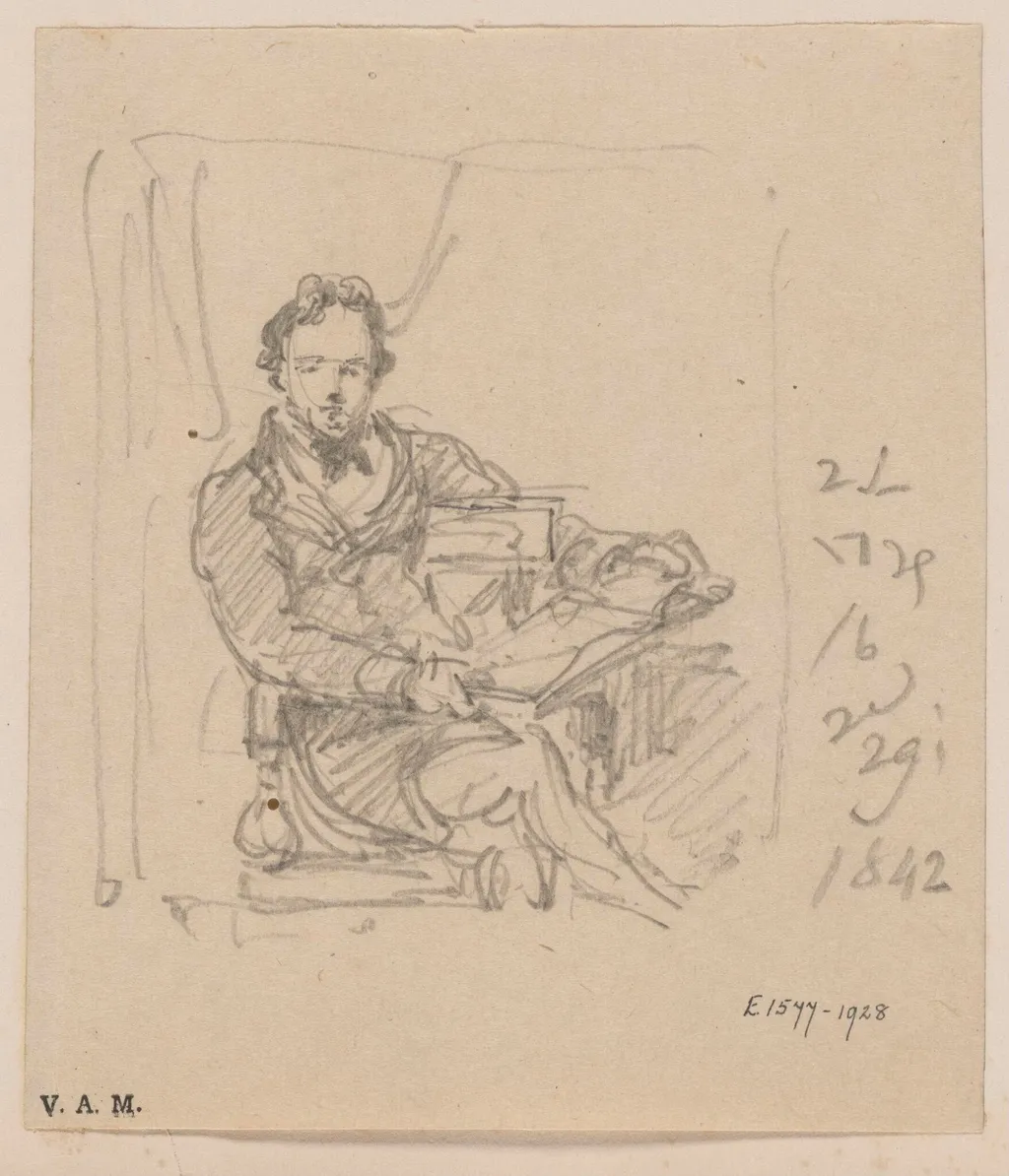
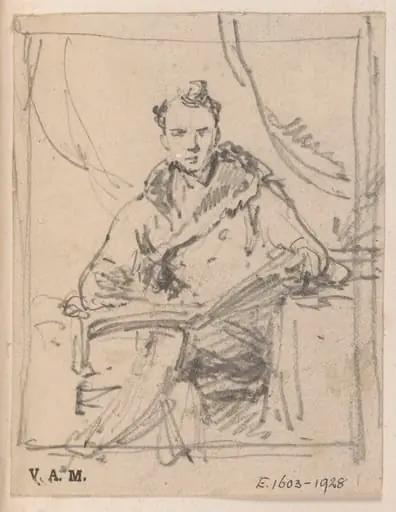
A portrait of John Dent is a drawing by the Romanticist artist George Chinnery. It dates from 1842 and is held in the collection of the Victoria and Albert Museum.
About this work
This drawing captures a wealthy British trader in 1842. George Chinnery’s pencil study was meant to guide an oil portrait of John Dent, a key figure in China trade.
Dent’s firm, Dent & Co, helped shape British business in Hong Kong. He became well-known in the colony’s early years.
Look up the Victoria and Albert Museum to see more Chinnery works.
Overview
Created in 1842, it reflects Chinnery’s practice of using quick, observational sketches to plan formal commissions.
This pencil drawing by George Chinnery serves as a preparatory study for an intended oil portrait of John Dent, a prominent British merchant in early colonial Hong Kong. Created in 1842, it reflects Chinnery’s practice of using quick, observational sketches to plan formal commissions. The work captures Dent’s likeness with restrained precision, emphasizing his demeanor rather than elaborate detail.
Subject & Meaning
John Dent (1821–1892) was a central figure in Hong Kong’s commercial development during its first quarter-century as a British colony. As head of Dent & Co., his firm played a major role in the opium trade and broader Sino-British commerce. The portrait reflects his status as a leading expatriate merchant, embodying the economic and social influence of British traders in the region.
Technique & Style
Chinnery employed fine, controlled pencil strokes to define Dent’s features with clarity and subtlety. The drawing avoids heavy shading, relying instead on line and tonal variation to suggest volume and texture. This restrained approach aligns with 19th-century British draftsmanship, prioritizing accuracy and likeness over expressive flourish.
History & Provenance
The drawing remains part of the Victoria and Albert Museum’s collection, where it is held alongside other works by Chinnery. It was likely retained by the artist or his circle after the oil portrait was completed, if ever executed. Its survival offers insight into Chinnery’s working methods and the portraiture practices of British artists in Asia during the mid-1800s.
Context
In 1842, Hong Kong had just become a British colony following the First Opium War. British merchants like Dent operated in a rapidly changing environment, where trade, diplomacy, and colonial authority intersected. Chinnery, living in Macau and Hong Kong, documented many of these figures, creating a visual record of the expatriate elite during the colony’s formative years.
Legacy
Chinnery’s drawings, including this one, provide rare visual documentation of early colonial Hong Kong’s merchant class. While the final oil portrait may no longer exist, this study preserves Dent’s image and underscores the role of artists in recording the social fabric of imperial outposts. The work remains a key reference for understanding British presence in 19th-century China.
Artist & collection
Artist
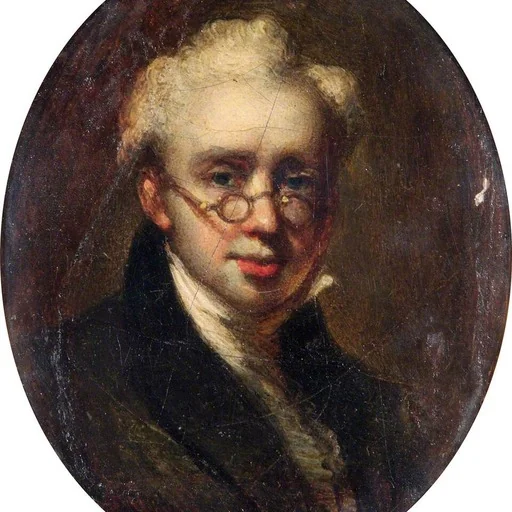
George Chinnery (Chinese: 錢納利; 5 January 1774 – 30 May 1852) was an English painter who spent most of his life in Asia, especially India and southern China.

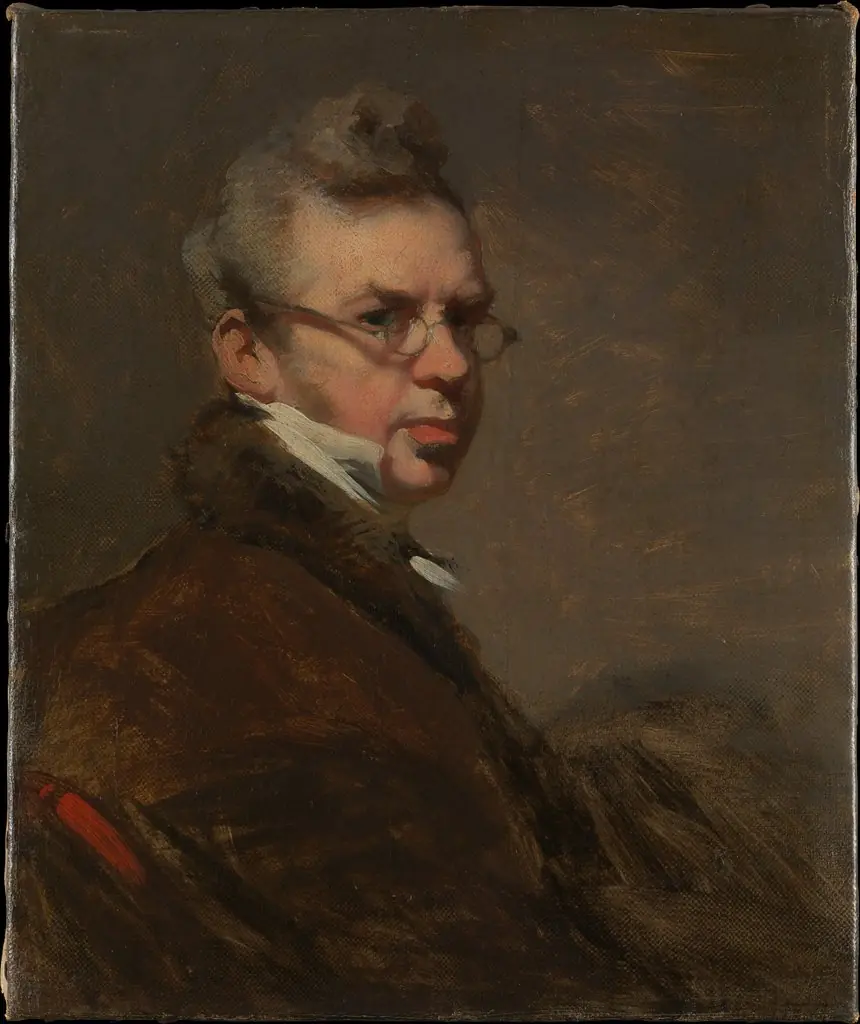
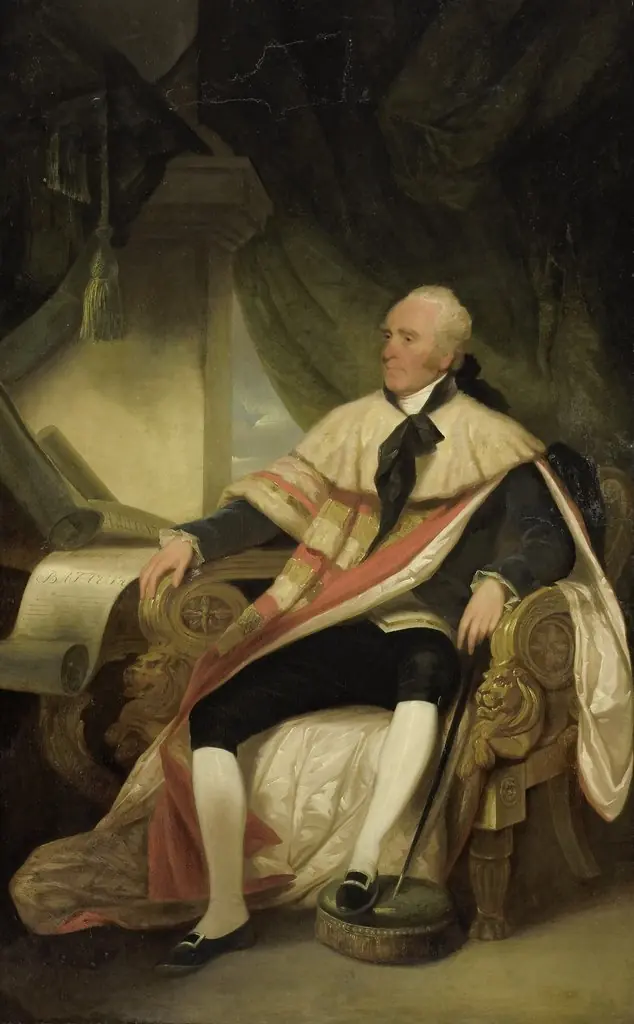
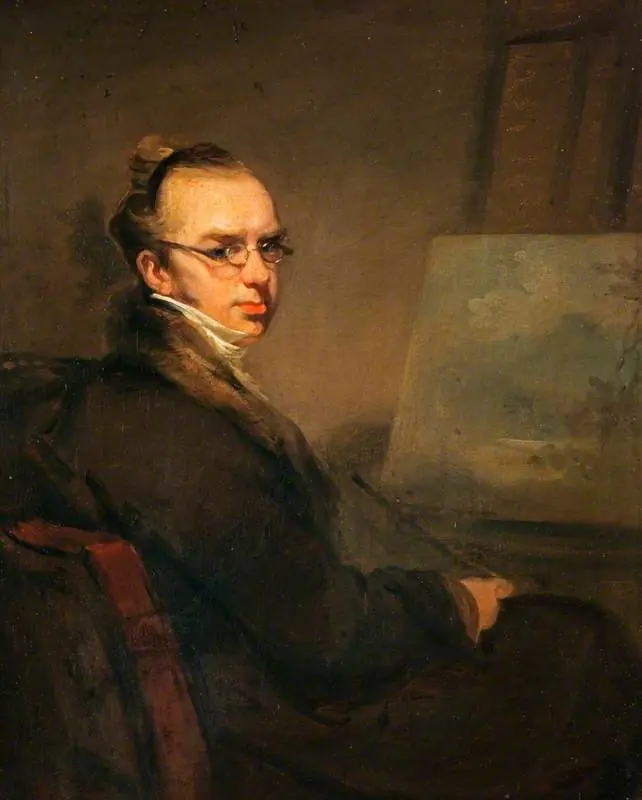
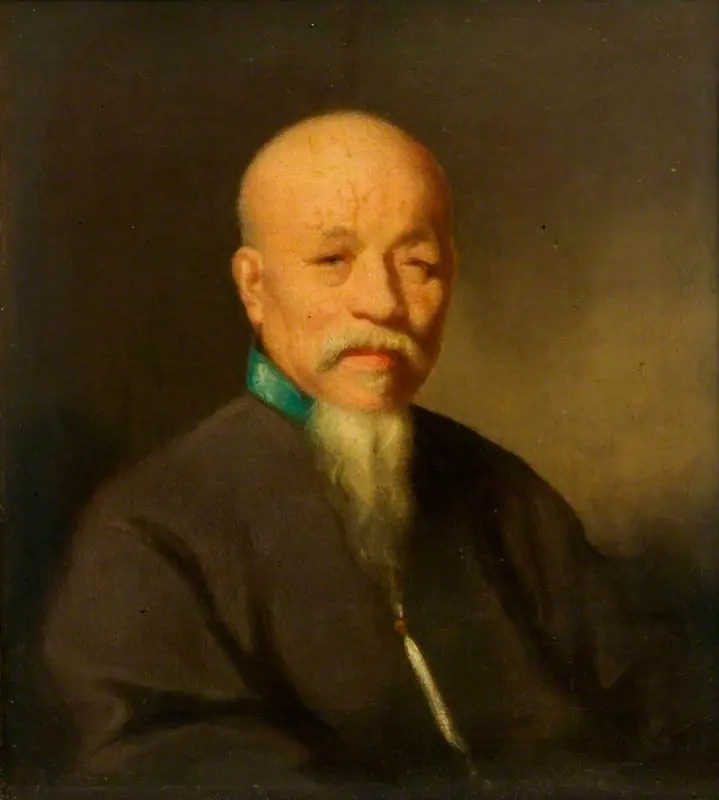
![Shepard Alonzo Mount, Age Twenty-Three [recto], by William Sidney Mount](https://artifactworldgallery.com/img/william-sidney-mount--shepard-alonzo-mount-age-twenty-three-recto--adf0b3e0763f0137-w320.webp)