Artwork
Eastman Johnson Sketching
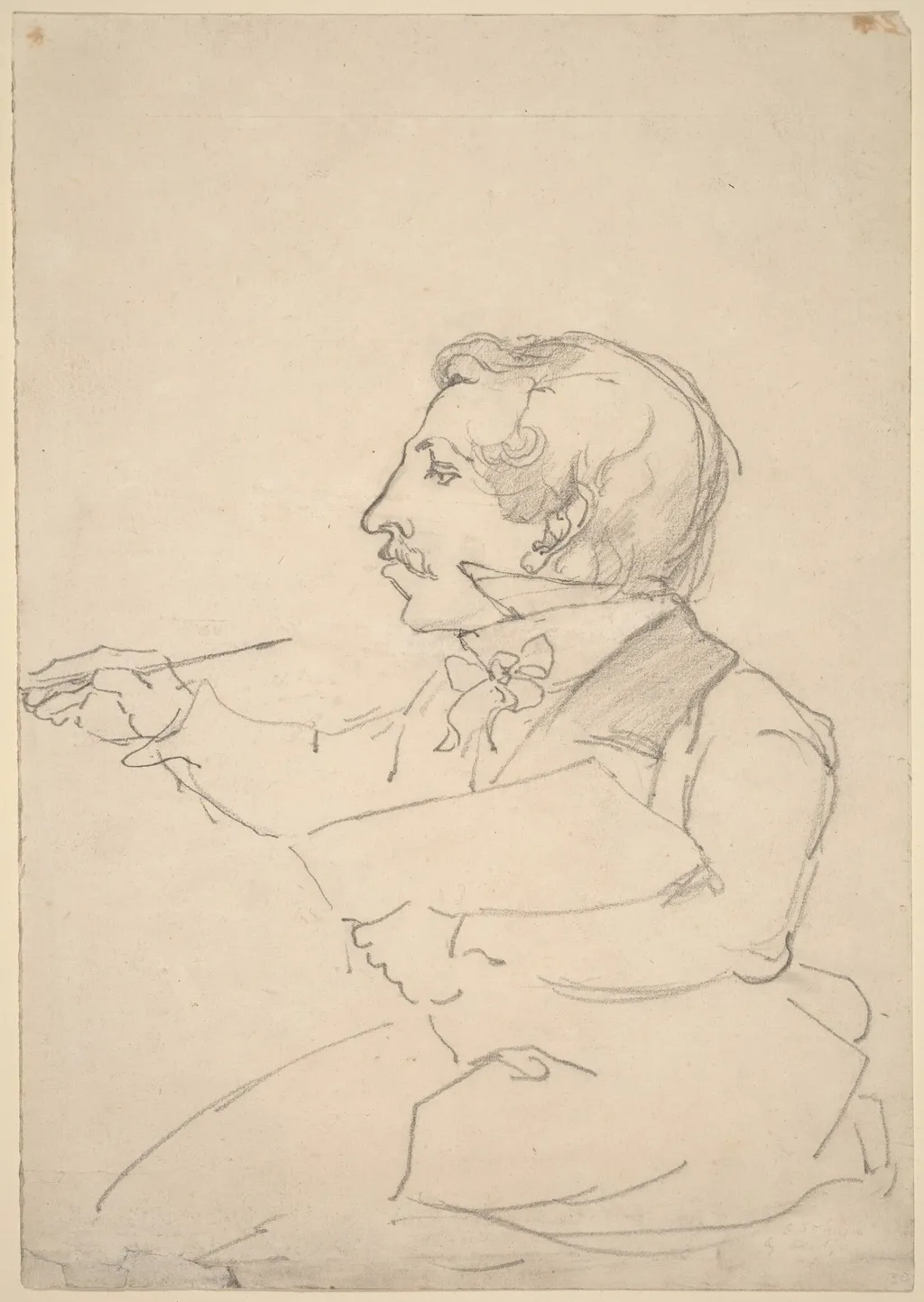
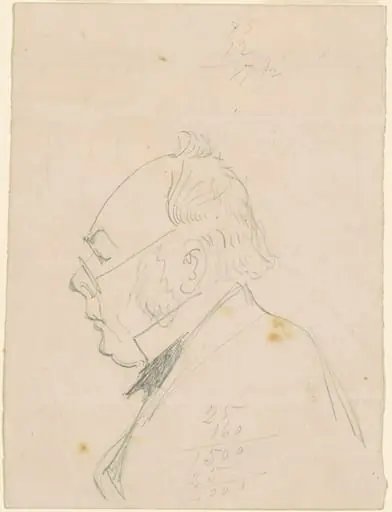
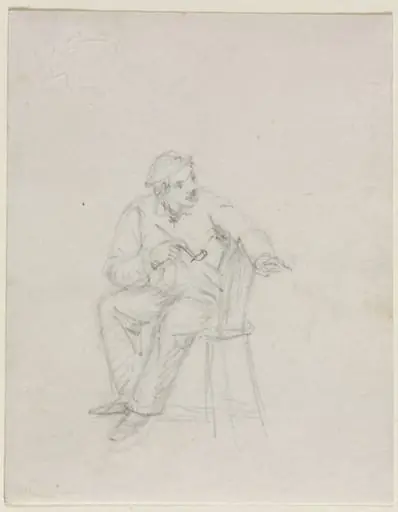
Eastman Johnson Sketching is a graphite drawing by the Romanticist artist Emanuel Leutze. It dates from 1850 and is held in the collection of the National Gallery of Art.
About this work
Overview
Created around 1850, *Eastman Johnson Sketching* is a modestly sized drawing executed in graphite with accents of black chalk on wove paper. The work is attributed to Emanuel Gottlieb Leutze, a German‑born painter who built his career in the United States.
Subject & Meaning
The composition captures a solitary figure—artist Eastman Johnson—caught in the act of drawing. By presenting Johnson in a quiet, observational pose, the piece underscores Leutze’s fascination with portraying individuals engaged in everyday creative activity.
Technique & Style
Leutze employs a restrained graphite line to define form, while selective uses of black chalk deepen shadows and emphasize the hand’s movement. The drawing reflects the Düsseldorf school’s emphasis on precise draftsmanship and a clear, narrative focus.
History & Provenance
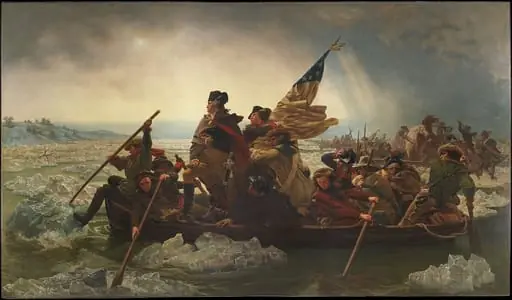
Leutze, best known for his large historical canvas *Washington Crossing the Delaware* (1851), produced this intimate study early in his American period. The work has remained within private collections, documented in catalogues of 19th‑century American drawings.
Artist & collection

Artist
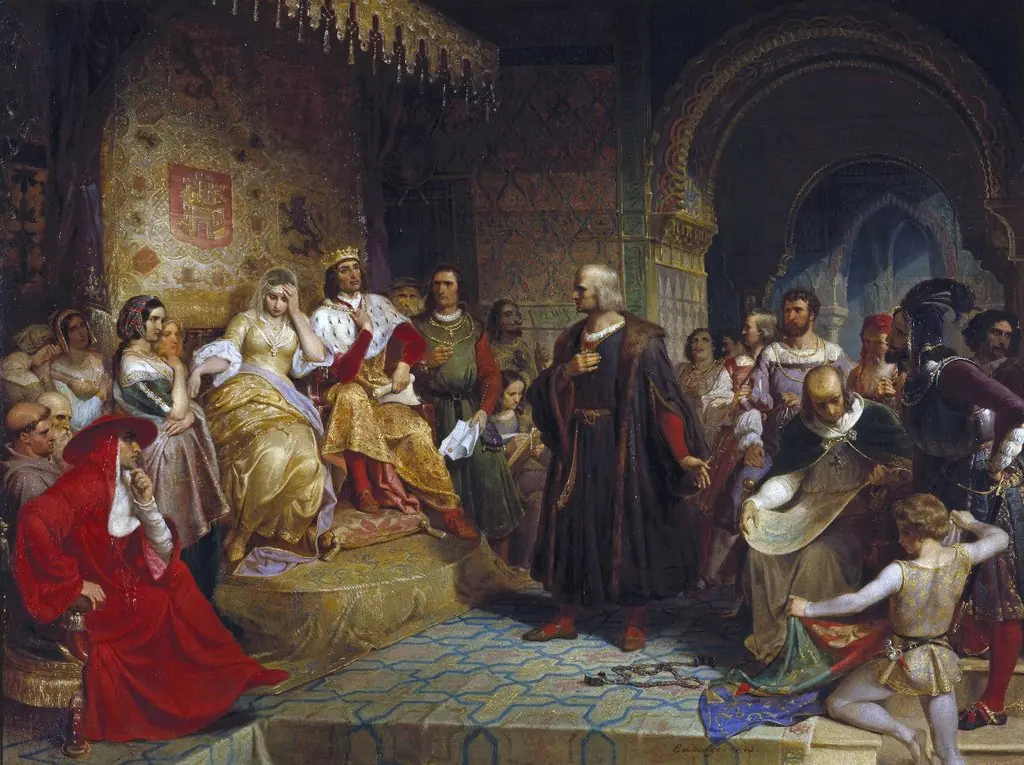
Emanuel Leutze grew up in America but moved to Germany as a teen, where he studied art in Düsseldorf.

![Study of Half-Length Figure with Pole [verso], by Emanuel Leutze](https://artifactworldgallery.com/img/emanuel-leutze--study-of-half-length-figure-with-pole-verso--13a43a492f70c459-w320.webp)
![Shepard Alonzo Mount, Age Twenty-Three [recto], by William Sidney Mount](https://artifactworldgallery.com/img/william-sidney-mount--shepard-alonzo-mount-age-twenty-three-recto--adf0b3e0763f0137-w320.webp)