Artwork
A Tanka boat with a figure seated in the stern
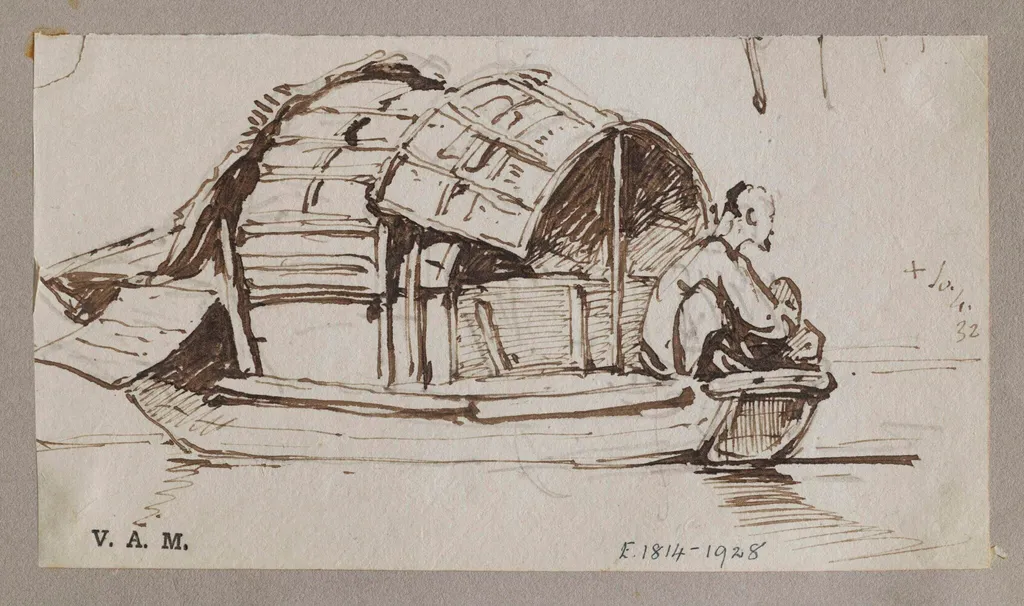
A Tanka boat with a figure seated in the stern is a drawing by the Romanticist artist George Chinnery. It dates from 6 and is held in the collection of the Victoria and Albert Museum.
About this work
This drawing shows a Tanka boat with a person sitting at the back. George Chinnery made it in 1832. It’s a simple scene but full of quiet detail.
The boat has a small awning near the front. The seated figure faces away, keeping the focus on the craft itself. Chinnery used drawing techniques common in his time.
Just down the hall, check out the Victoria and Albert Museum.
Overview
Created in 1832 by George Chinnery, this drawing captures a Tanka boat as it might appear on the waters of southern China. The composition centers on the vessel itself, with a single figure seated at the stern, facing away from the viewer. Minimalist in approach, the work avoids dramatic action, instead emphasizing the quiet presence of the boat and its subtle structural details.
Subject & Meaning
The Tanka boat, traditionally inhabited by a nomadic fishing community, is rendered not as a symbol but as a functional object. The seated figure, anonymous and turned outward, directs attention to the boat’s form rather than personal narrative. The awning at the bow suggests practical shelter, hinting at daily life without embellishment. The image reflects observation over storytelling.
Technique & Style
The technique balances spontaneity with careful observation, characteristic of colonial-era sketching practices.
Chinnery employed pen and ink with light washes, typical of 19th-century British travel sketches. Lines are precise yet loose, capturing the boat’s curvature and fabric folds without heavy shading. The absence of background or context isolates the subject, reinforcing a documentary tone. The technique balances spontaneity with careful observation, characteristic of colonial-era sketching practices.
History & Provenance
The drawing originates from Chinnery’s time in Macau and Guangdong, where he lived for over four decades. It was likely made during one of his frequent river excursions, part of a larger body of work documenting local life. The piece entered the Victoria and Albert Museum’s collection through later acquisitions of his estate materials, preserved as ethnographic records.
Context
In the 1830s, foreign artists in southern China often recorded indigenous vessels and lifestyles as part of broader cultural documentation. Tanka people, marginalized by mainland society, were rarely the focus of art. Chinnery’s drawing, though unremarkable in scale, contributes to a visual archive of communities largely ignored by official records of the period.
Legacy
This work remains a quiet testament to Chinnery’s role as an observer rather than an interpreter. It offers no grand narrative, yet its specificity provides insight into the material culture of coastal China during early colonial contact. Today, it serves as a reference for historians studying vernacular boat design and the visual record of marginalized communities in 19th-century Asia.
Artist & collection
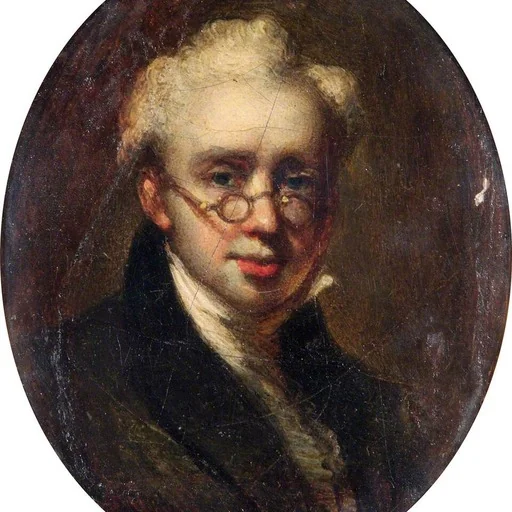
Artist
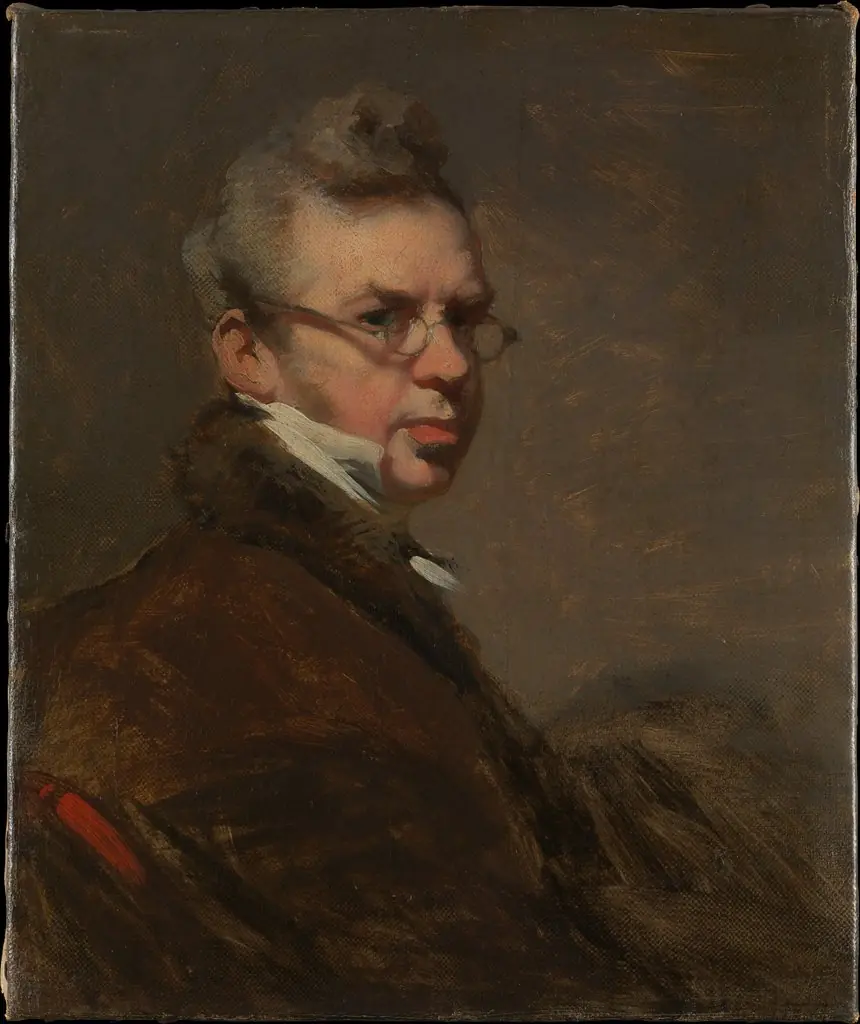
George Chinnery (Chinese: 錢納利; 5 January 1774 – 30 May 1852) was an English painter who spent most of his life in Asia, especially India and southern China.

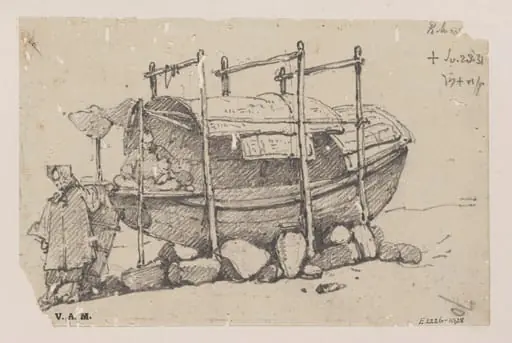 Figures by a beached Tanka boat
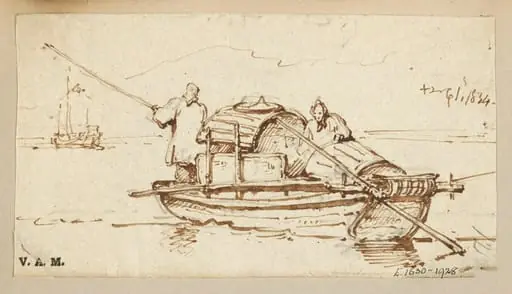 A Tanka boat with two boatwomen
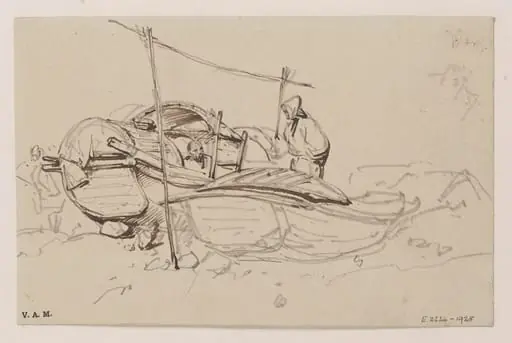 Untitled
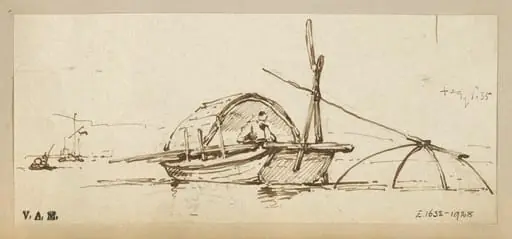 A Tanka boat, Macau, with a lift net lowered into the water
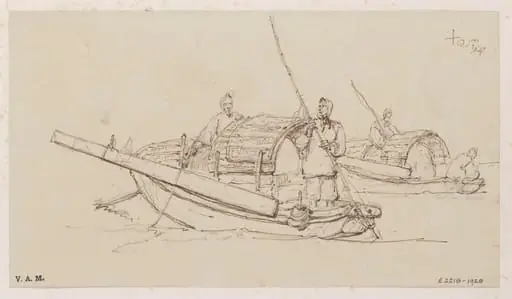 Two Tanka boats
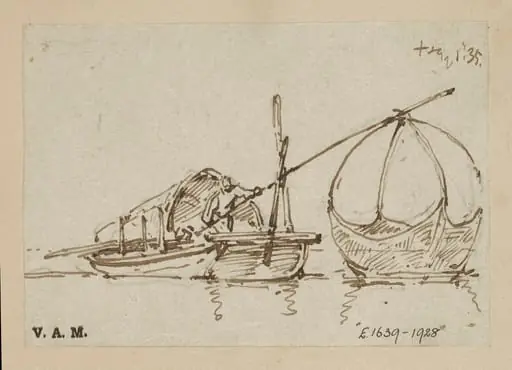 A Tanka boat with a figure operating a lift net
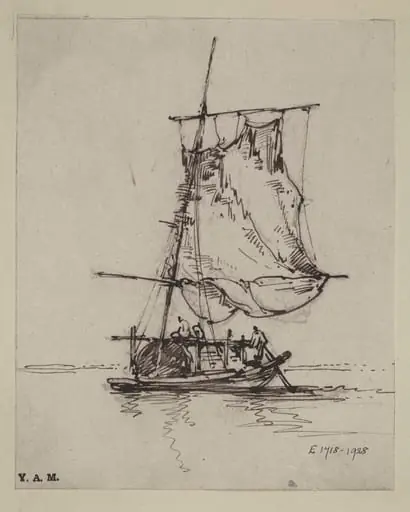 A drawing by George Chinnery of a Tanka boat with a large sail or net raised
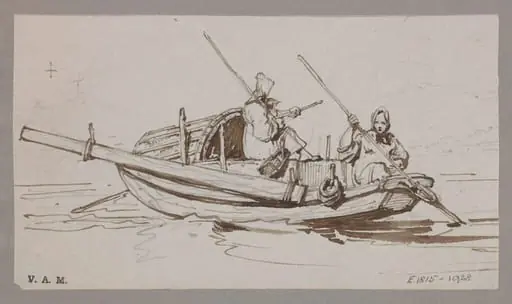 A Tanka boat operated by two boatwomen
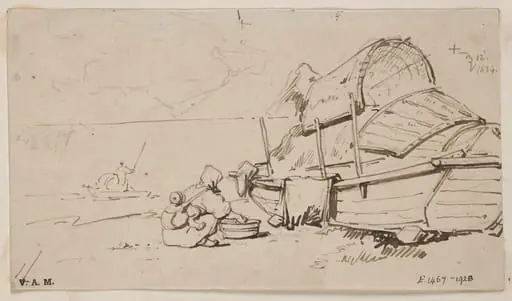 A boatwoman and child beside a beached Tanka boat
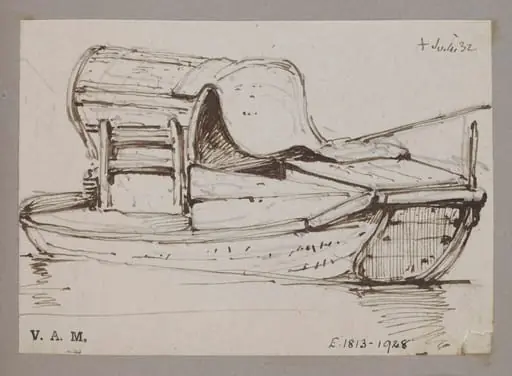 A Tanka boat
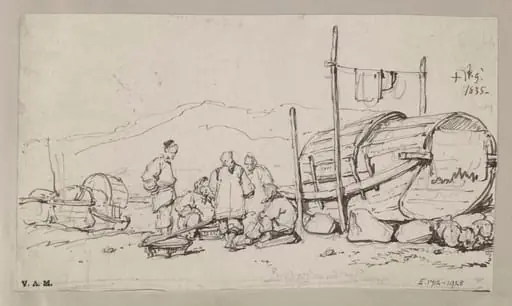 Boatpeople by a Tanka boat raised up on the beach
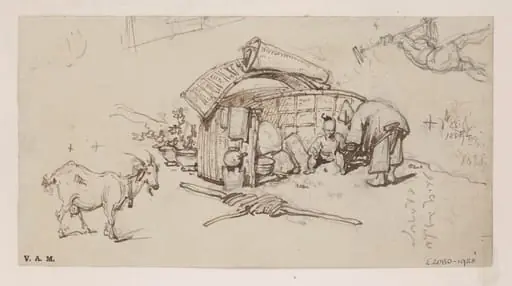 A beached Tanka boat adapted as a dwelling