Artwork
Ruins of the Dutch Factory at Macao
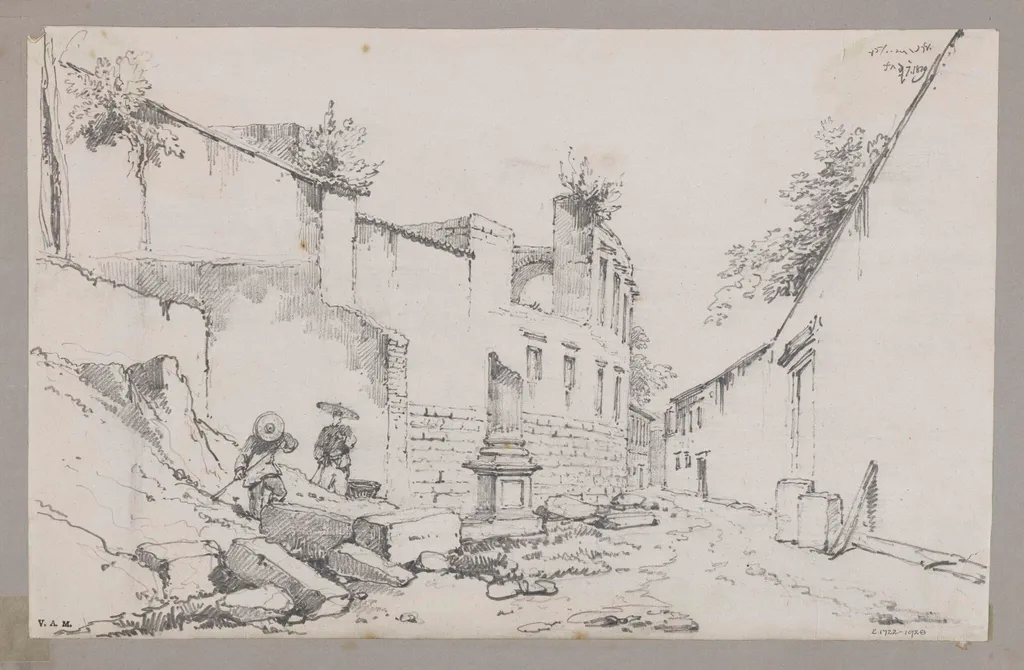
Ruins of the Dutch Factory at Macao is a drawing by the Romanticist artist George Chinnery. It dates from 1829 and is held in the collection of the Victoria and Albert Museum.
About this work
Overview
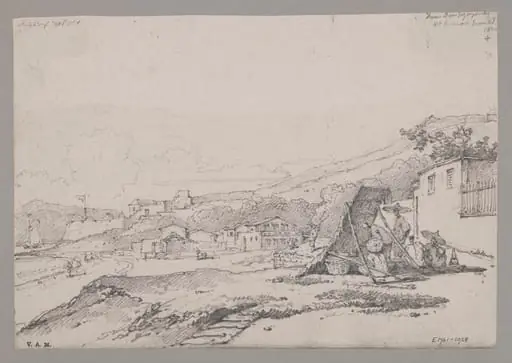
The drawing depicts a narrow, winding street—Rua de Santo Antonio—in Macau, focusing on the dilapidated structure that once housed Dutch traders. A broken classical column fragment stands on the left side of the composition, while two Chinese laborers are shown clearing debris from the collapsed masonry.
Subject & Meaning
The scene captures a moment of transition, juxtaposing the remnants of European commercial architecture with local activity. The presence of Chinese workers amid the ruins suggests the reclamation and repurposing of the former Dutch factory, highlighting the interplay between colonial presence and indigenous agency in the urban landscape.
Technique & Style
Rendered in drawing, the work employs precise line work to convey the texture of crumbling stone and the curvature of the street. The artist balances architectural detail—such as the classical column fragment—with the gestural depiction of figures, creating a narrative depth within a compact, observational format.
History & Provenance
The image records the state of the Dutch factory after its abandonment, offering visual evidence of Macau’s shifting commercial fortunes. While the drawing’s creator and date are not specified, its documentation of the site contributes to the historical record of European trading posts in the region.
Artist & collection
Artist
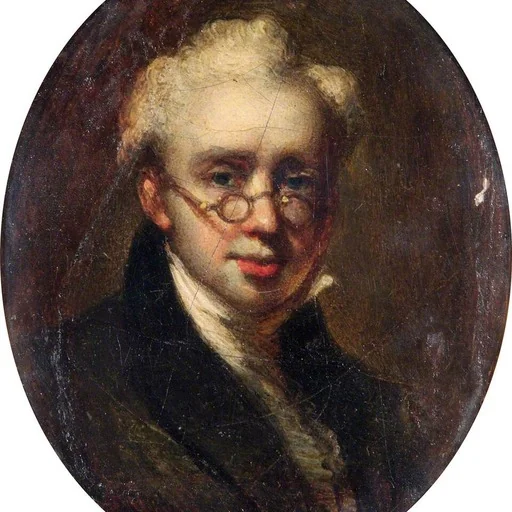
George Chinnery (Chinese: 錢納利; 5 January 1774 – 30 May 1852) was an English painter who spent most of his life in Asia, especially India and southern China.




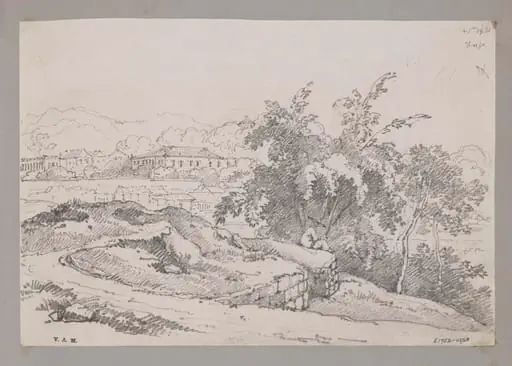 The Casa, Macao, in the gardens of which is Camoens' Cave (the residence of Lady Pereira), Macao
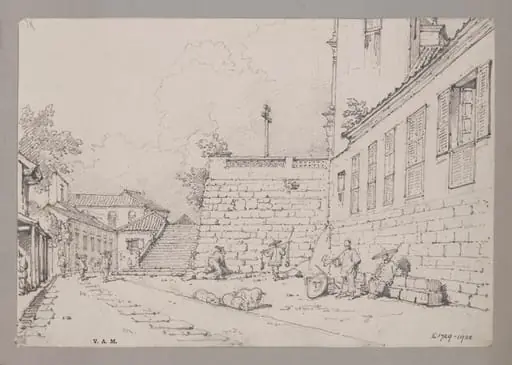 Steps and part of the Church of S. Lorenzo, Macao
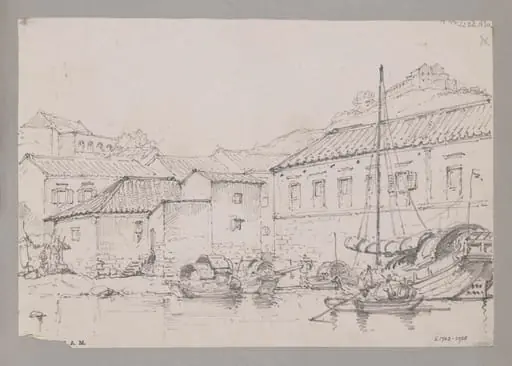 Waterside houses below Penha Hill, Macau
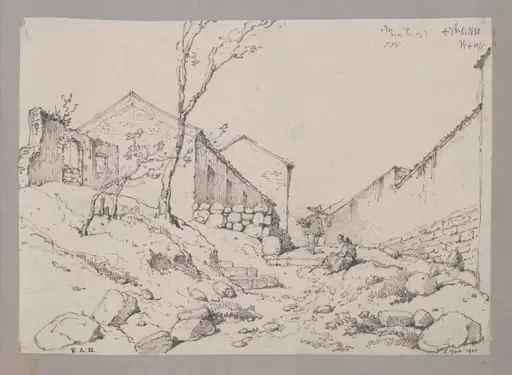 A path leading uphill between houses and a long wall
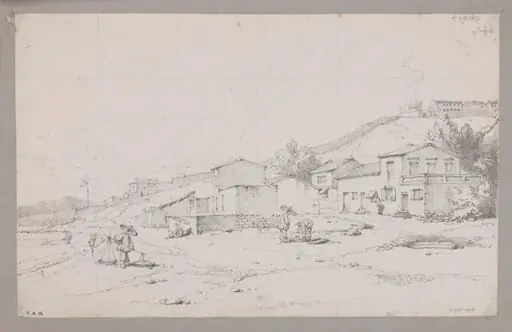 Dr. Colledge's original Hospital at Macao
 Corner of Macao Bay, looking west