Artwork
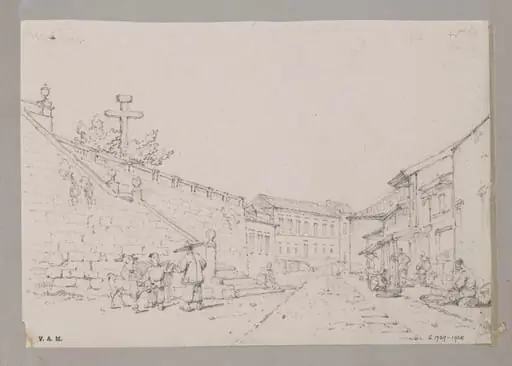
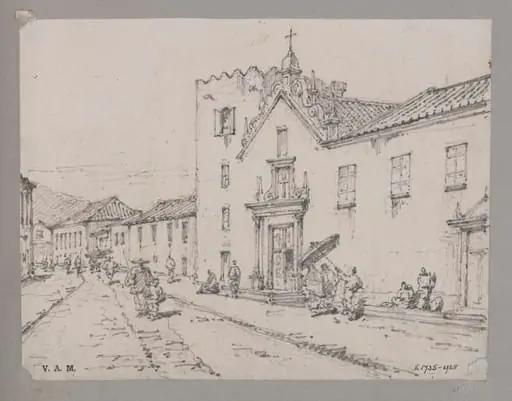
The steps and wall of S. Lourenço Church, Macau
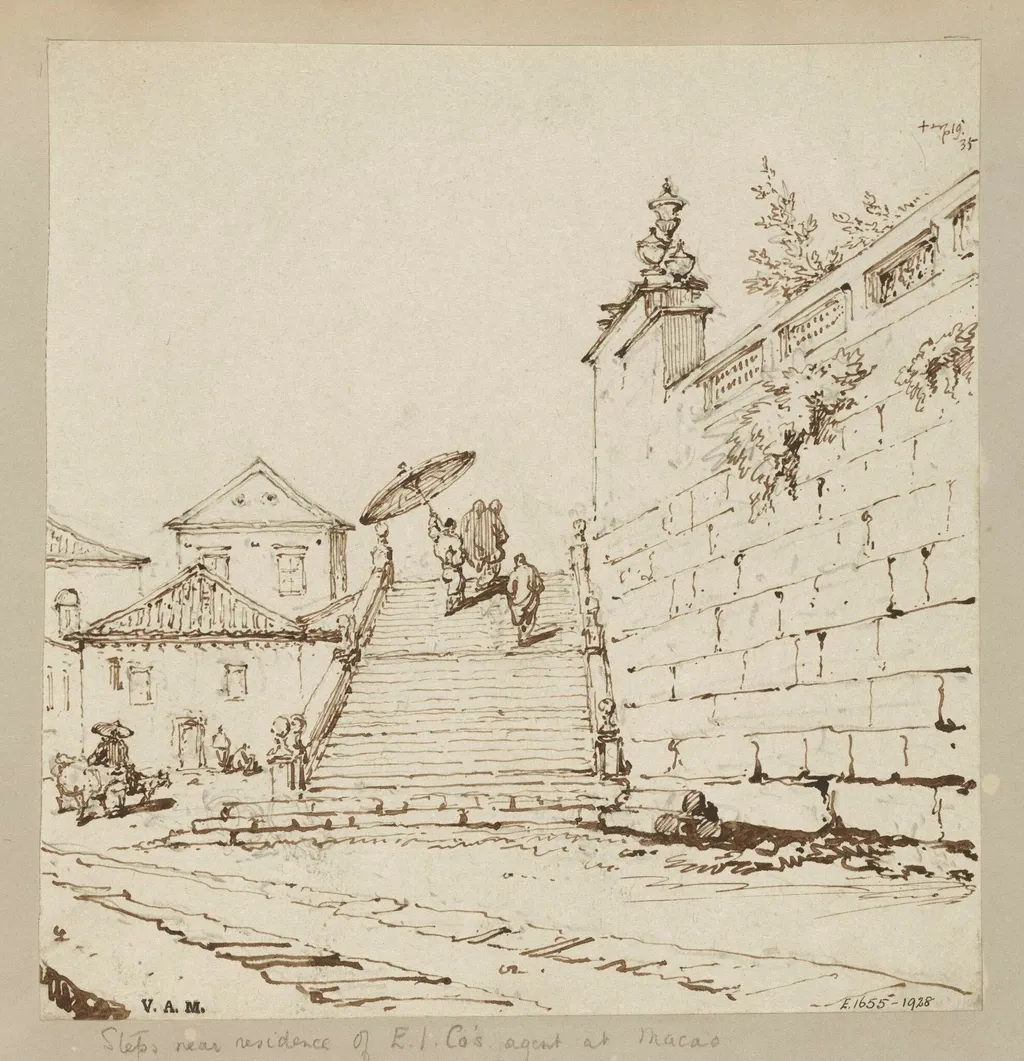
The steps and wall of S. Lourenço Church, Macau is a drawing by the Romanticist artist George Chinnery. It dates from 14 and is held in the collection of the Victoria and Albert Museum. The drawing depicts a serene scene at S.
About this work
This drawing shows a quiet moment at a real church in Macau. George Chinnery used pencil to capture the steps and the people walking up. It’s an old view—1835—so the scene feels timeless.
The artist hid a small detail on the left: the Sixteen-pillared house once held East India Company workers. That link ties art to history.
Look up the Victoria and Albert Museum next.
Overview
The drawing depicts a serene scene at S. Lourenço Church in Macau, capturing the steps and surrounding area.
Subject & Meaning
The artwork shows figures ascending the church steps, with the 'Sixteen-pillared house', formerly occupied by East India Company representatives, partially visible on the left.
Technique & Style
Created using pencil, the drawing showcases George Chinnery's skill in capturing everyday life with subtle detail.
History & Provenance
Dated to 1835, the drawing provides a historical glimpse into Macau's past, linking the art to the city's colonial history.
Artist & collection
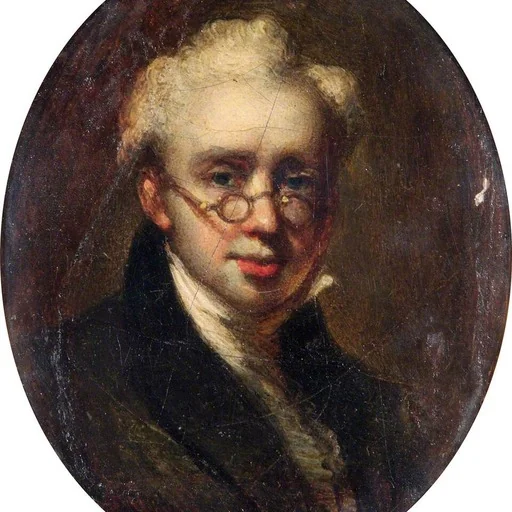
Artist
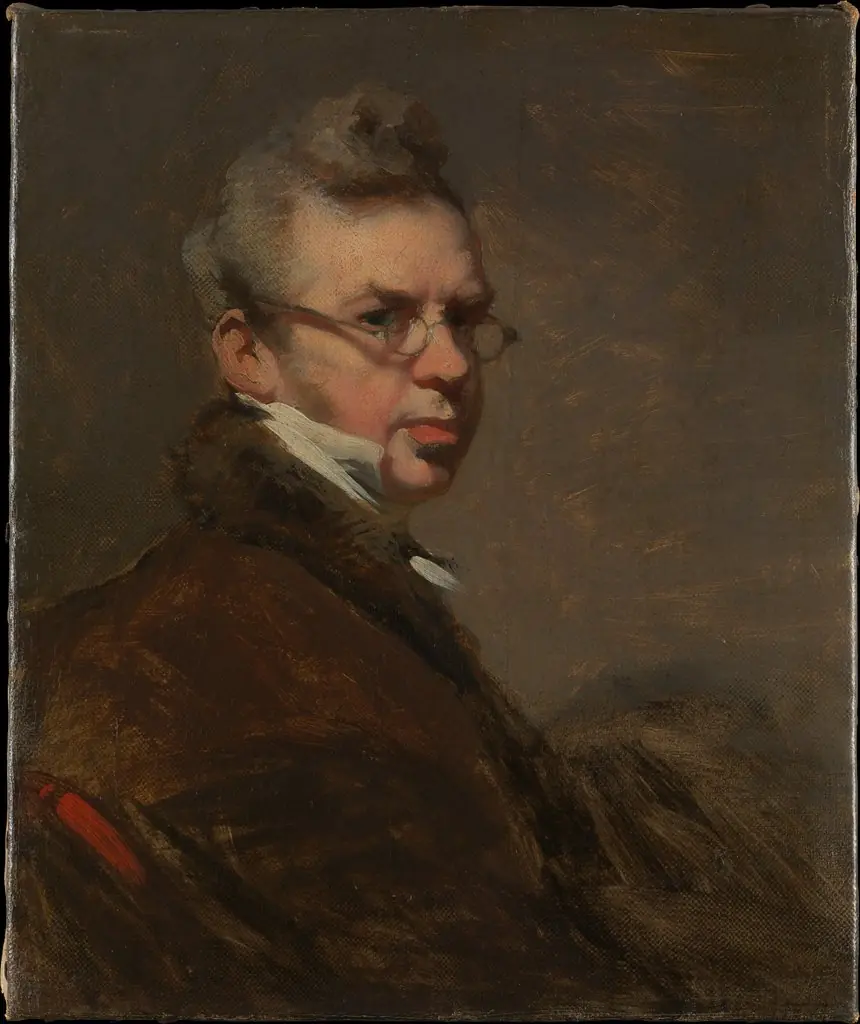
George Chinnery (Chinese: 錢納利; 5 January 1774 – 30 May 1852) was an English painter who spent most of his life in Asia, especially India and southern China.

 Mr. Baretto's House, Macao
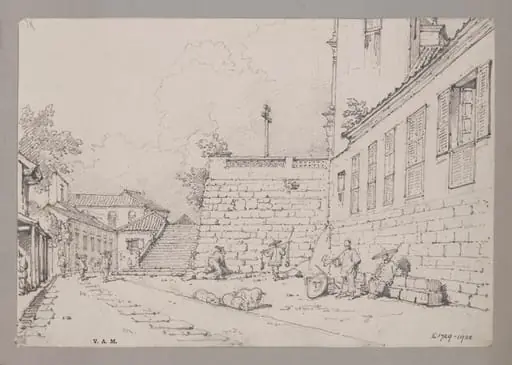 Steps and part of the Church of S. Lorenzo, Macao
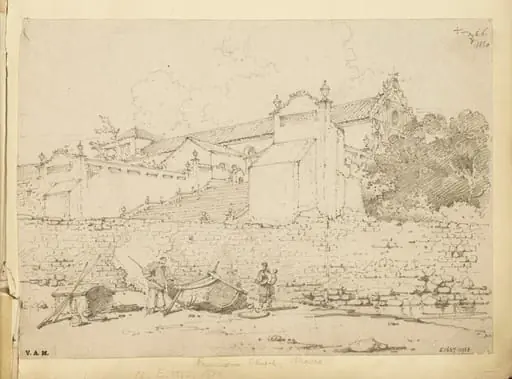 The church of S. Francisco, Macau
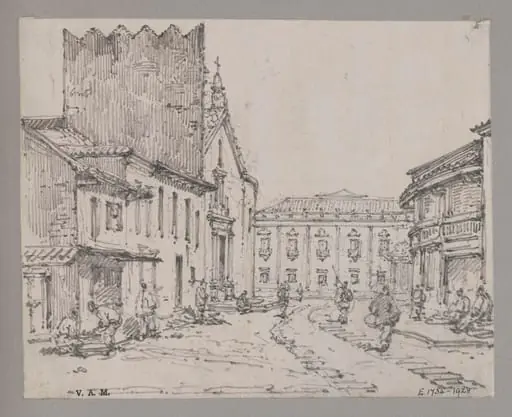 Misericordia Church and Senate House, Macao
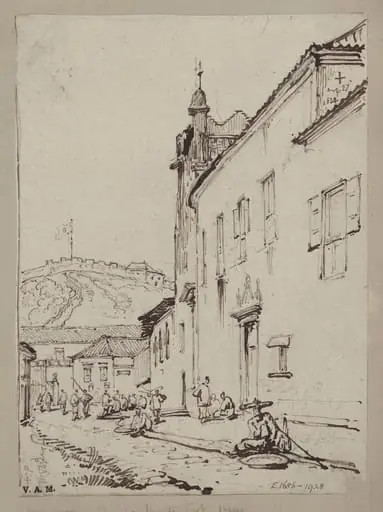 A view past the Misericordia Church towards Fort Monte, Macau
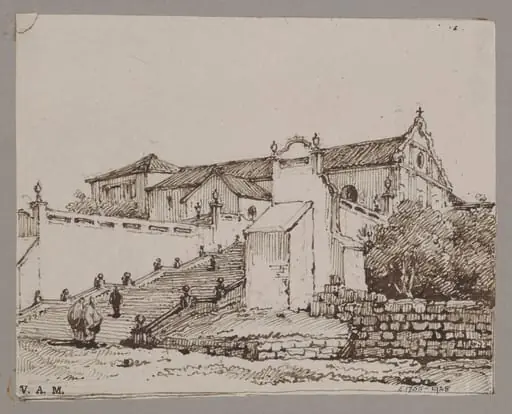 Franciscan Church, Macao
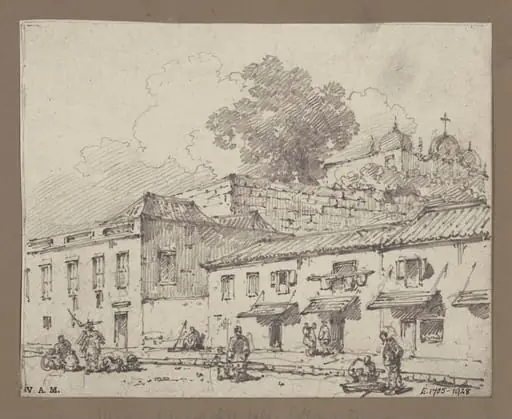 Houses below the church and college of S. José, Macau
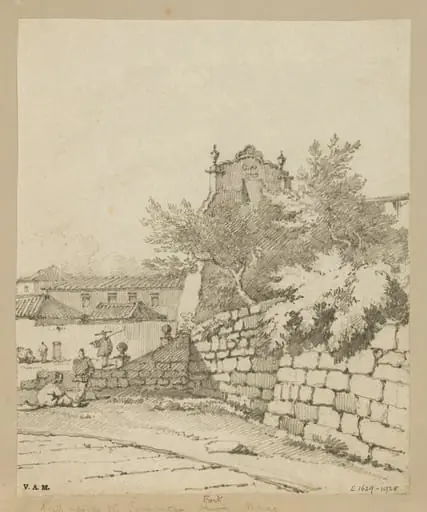 The wall below the church of S. Francisco, Macau
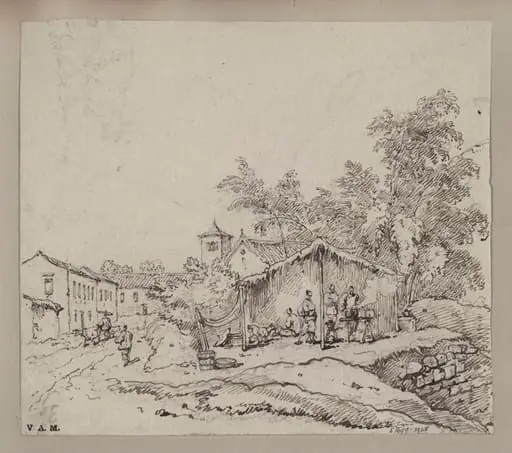 Blacksmiths beneath a thatched shelter, with the church of S. Antonio, Macau
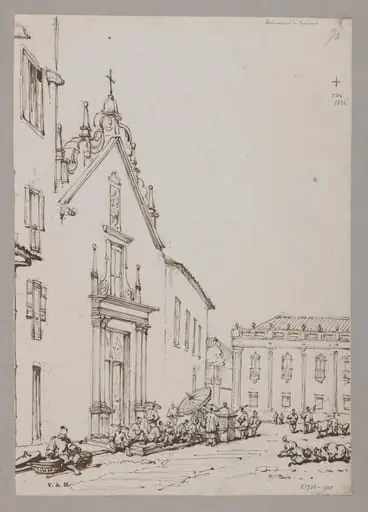 The Misericordia Church and part of the Senate House, Macao
 Front of Misericordia Church, Macao