Artwork
Three studies for a portrait of a Western woman and child
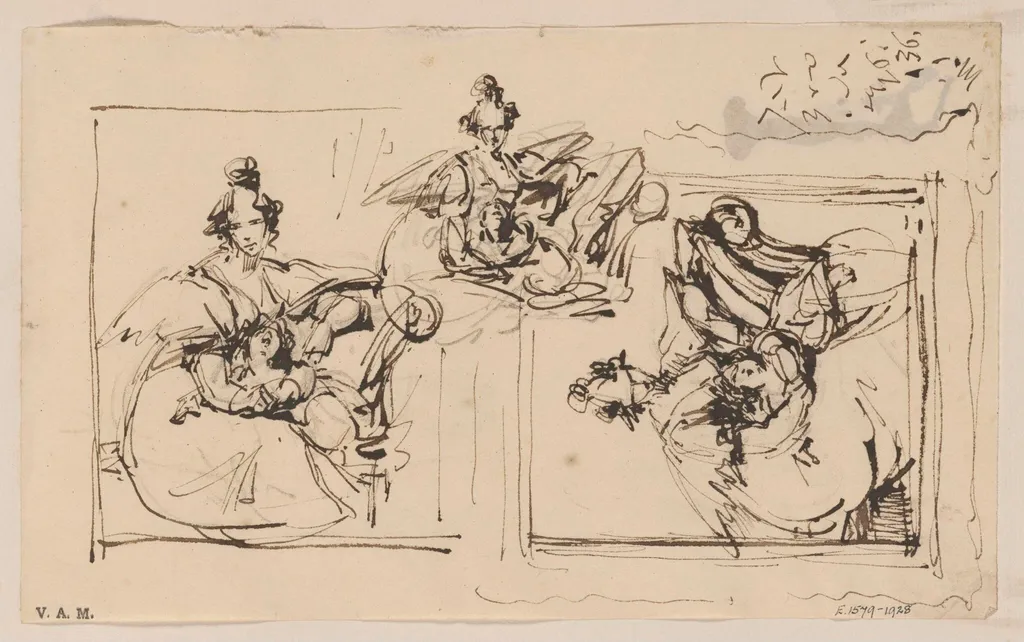
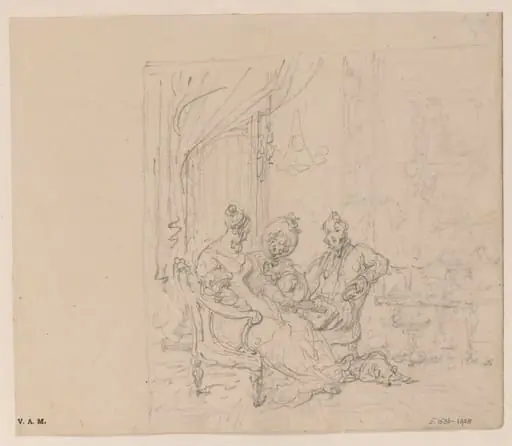
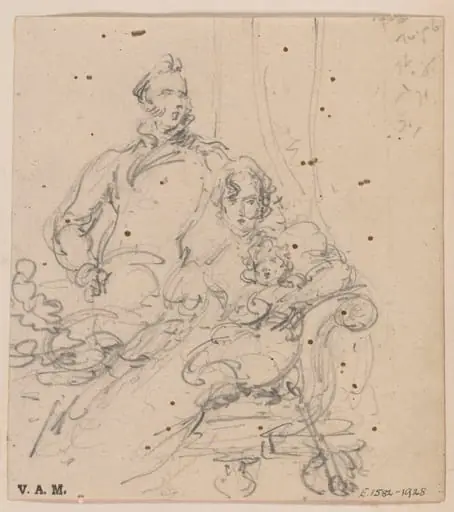
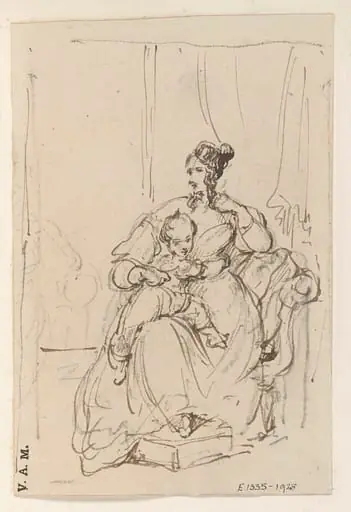
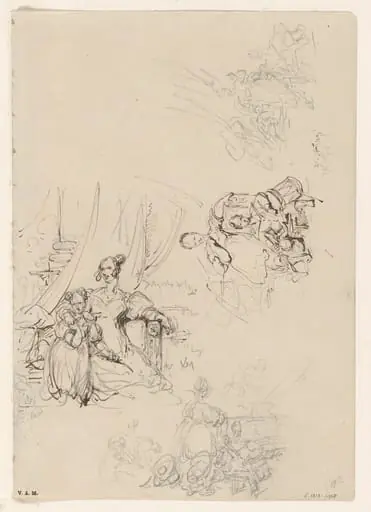
Three studies for a portrait of a Western woman and child is a drawing by the Romanticist artist George Chinnery. It dates from 8 and is held in the collection of the Victoria and Albert Museum. Created in 1836, this drawing consists of three closely spaced studies of a Western woman and child seated on a sofa.
About this work
George Chinnery drew this in 1836. It’s three close-up sketches of a woman in a dress with wide shoulder pieces holding a small child on a sofa. All three drawings look almost the same.
The artist kept changing tiny lines instead of the big shapes. That’s why he made three studies right next to each other.
Look up the Victoria and Albert Museum.
Overview
Created in 1836, this drawing consists of three closely spaced studies of a Western woman and child seated on a sofa.
Created in 1836, this drawing consists of three closely spaced studies of a Western woman and child seated on a sofa. Each panel repeats the same composition with minimal variation, suggesting the artist’s iterative process. The figure’s broad-shouldered dress and the child’s position remain constant, while subtle adjustments in line reveal a focus on refining detail rather than rethinking structure.
Subject & Meaning
The subject is a Western woman, likely a resident or visitor in Asia, depicted with her young child in a domestic setting. The formal posture and elaborate dress suggest social status, while the intimate gesture of holding the child conveys tenderness. The repetition of the image may reflect the artist’s interest in capturing a specific moment or expression rather than narrating a story.
Technique & Style
Chinnery employed fine, controlled pencil lines to render the figures with precision. The three studies are arranged side by side, each differing only in minor adjustments—folds of fabric, the angle of a hand, or the curve of a gaze. This method reveals a deliberate, incremental approach to drawing, prioritizing nuance over dramatic change.
History & Provenance
The drawing was made by George Chinnery during his time in Asia, where he lived and worked for much of his career. It entered the collection of the Victoria and Albert Museum, which holds a significant number of his works. Its survival as a study rather than a finished piece offers insight into his working methods and the informal nature of his sketches.
Context
Chinnery was among the few Western artists active in early 19th-century Asia, documenting local and expatriate life. This drawing reflects his engagement with Western subjects in an Eastern context, blending European portraiture conventions with the immediacy of on-site observation. The repeated studies suggest a practice common among artists refining compositions before final execution.
Legacy
The drawing exemplifies Chinnery’s disciplined approach to portraiture and his interest in the subtleties of gesture and form. Though not widely exhibited, it remains a key example of his sketching process, illustrating how artists of the period used repetition to achieve visual precision. It contributes to broader understanding of cross-cultural artistic practice in colonial-era Asia.
Artist & collection
Artist
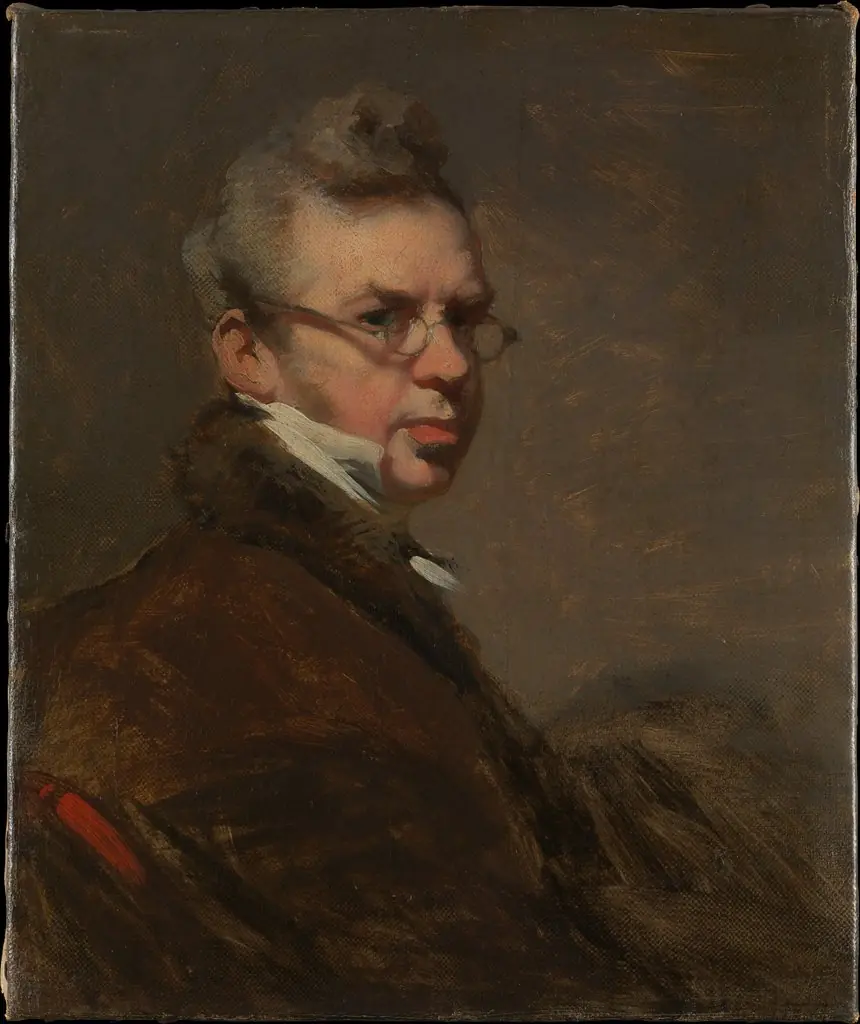
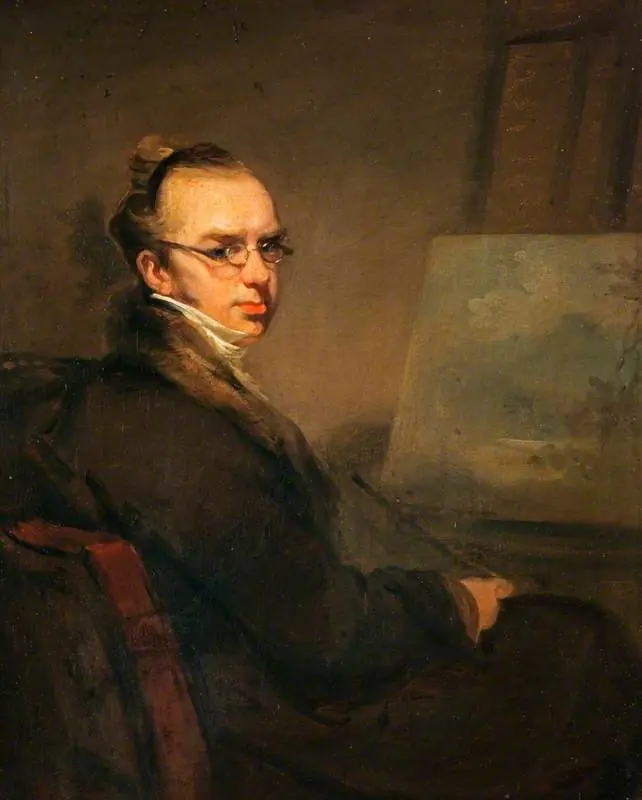
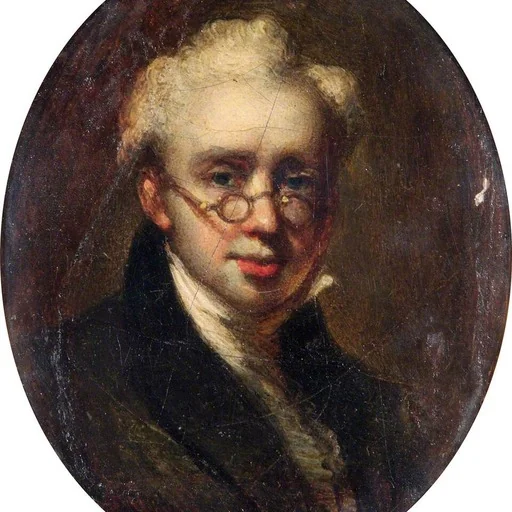
George Chinnery (Chinese: 錢納利; 5 January 1774 – 30 May 1852) was an English painter who spent most of his life in Asia, especially India and southern China.