Artwork
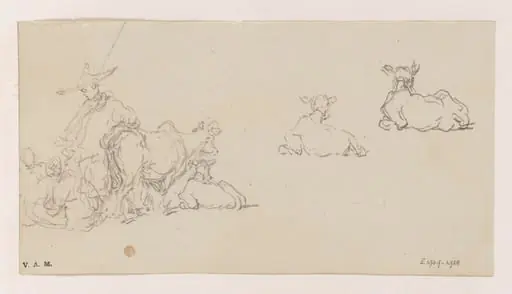
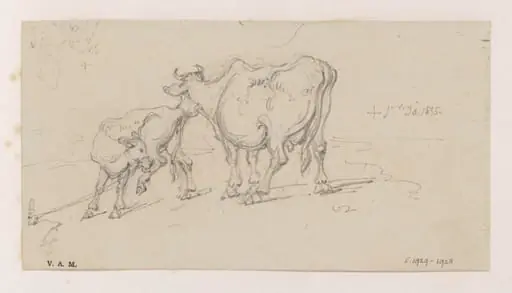
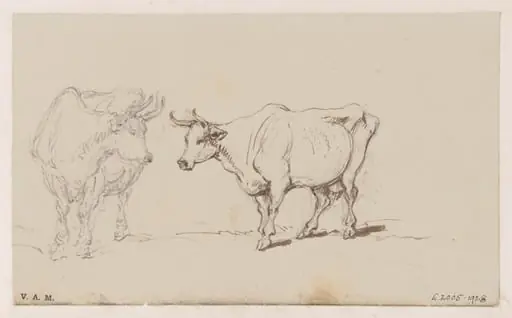
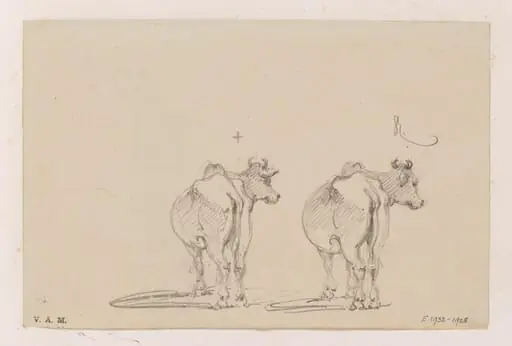
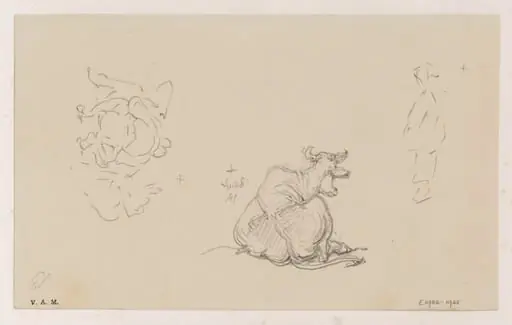
Two figure studies, and a calf
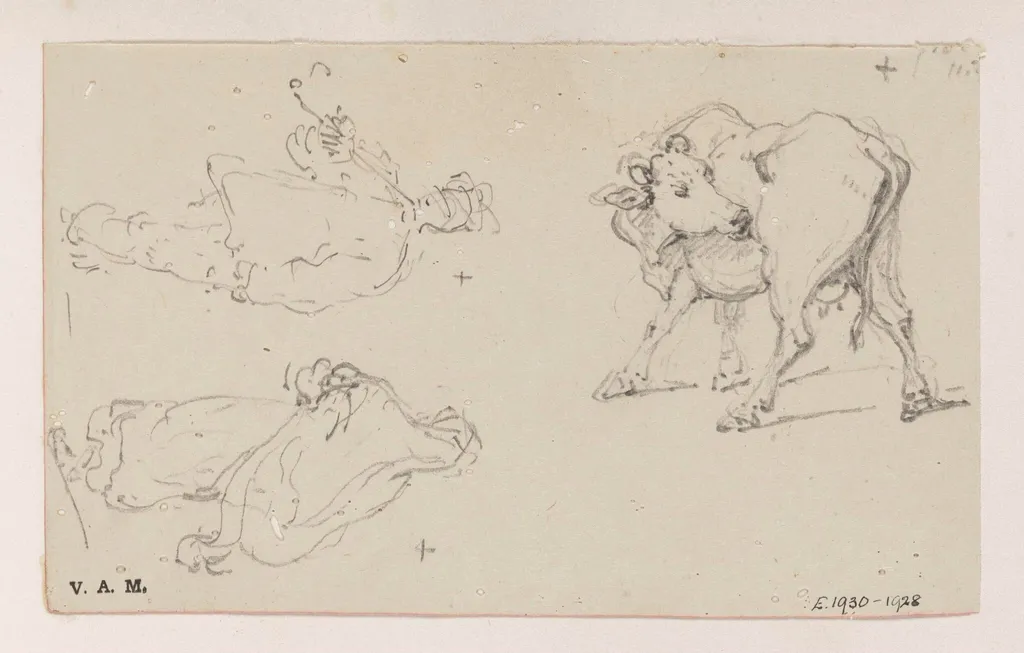
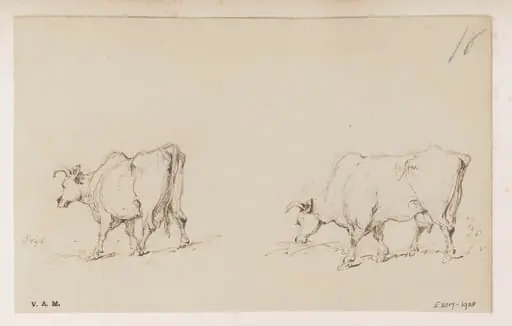
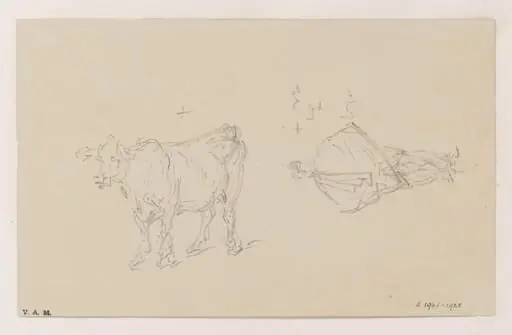
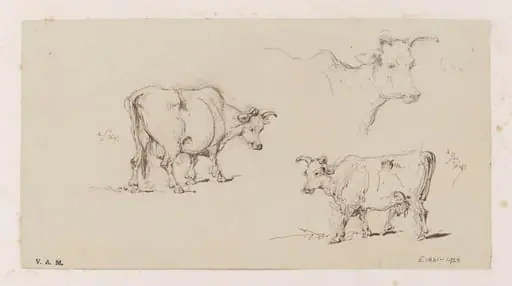
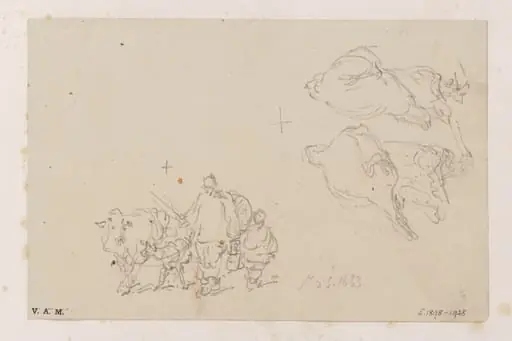
Two figure studies, and a calf is a drawing by the Romanticist artist George Chinnery. It dates from 19 and is held in the collection of the Victoria and Albert Museum.
About this work
George Chinnery made three quick sketches in 1825. They’re simple line drawings on paper. One shows a man smoking a long pipe. Another shows a woman in a shawl covering her head.
Chinnery lived in Macau and drew daily scenes there. The calf sketch twists its neck in an odd way. These aren’t polished works—just fast records of what he saw.
Look up George Chinnery next.
Overview
They reflect the artist’s habit of recording observations from his immediate surroundings, prioritizing immediacy over polish.
Three rapid pencil sketches on paper, executed by George Chinnery in 1825, capture fleeting moments of daily life in Macau. Each drawing is unadorned, rendered in loose, economical lines without shading or finish. They reflect the artist’s habit of recording observations from his immediate surroundings, prioritizing immediacy over polish. The works were never intended as finished pieces but as visual notes from his time in southern China.
Subject & Meaning
The drawings depict a man holding a long tobacco pipe and a Macanese woman wrapped in a head-covering shawl—figures common in Macau’s mixed cultural landscape. The third sketch shows a calf with its neck twisted unnaturally, likely observed in a market or farmyard. These are not symbolic compositions but candid glimpses of ordinary life, revealing Chinnery’s interest in the people and animals around him without romanticization.
Technique & Style
Chinnery employed swift, confident pencil strokes to suggest form and movement with minimal detail. The lines are fluid and uncorrected, capturing posture and gesture rather than anatomical precision. The calf’s contorted neck, for instance, is rendered with a single continuous curve, emphasizing spontaneity. The absence of shading or background reinforces the sketches’ function as quick observational records rather than finished artworks.
History & Provenance
Created during Chinnery’s decades-long residence in Macau, these drawings emerged from his routine practice of sketching local scenes. They were likely kept in his personal collection, possibly among other studies used for later paintings. Their survival suggests they held value as reference material, though they remained private during his lifetime. Their current location traces back to later acquisitions by institutions preserving his documentary work.
Context
In early 19th-century Macau, Chinnery was one of the few Western artists living among a multicultural community of Portuguese, Chinese, and mixed-heritage residents. His sketches offer rare visual documentation of everyday life in a port city rarely depicted by foreign artists. Unlike formal commissions, these drawings reflect personal engagement with the environment, capturing details often overlooked by more conventional portraiture.
Legacy
These sketches contribute to a broader understanding of Chinnery’s role as a visual chronicler of colonial-era Macau. While not widely exhibited during his lifetime, they now serve as primary sources for historians studying cross-cultural interactions in southern China. Their unembellished quality underscores the value of informal drawing as a tool for ethnographic observation, influencing later artists interested in candid realism.
Artist & collection
Artist
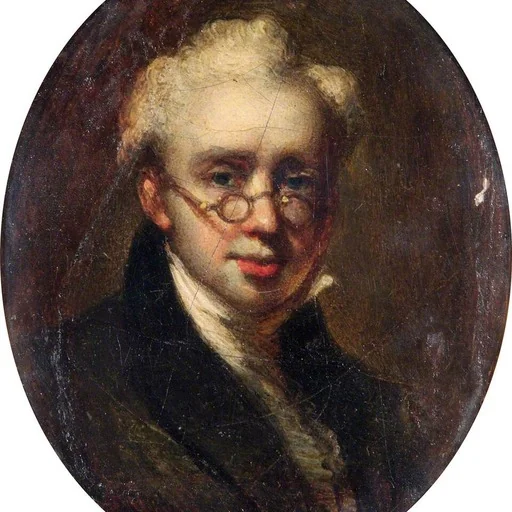
George Chinnery (Chinese: 錢納利; 5 January 1774 – 30 May 1852) was an English painter who spent most of his life in Asia, especially India and southern China.