Artwork
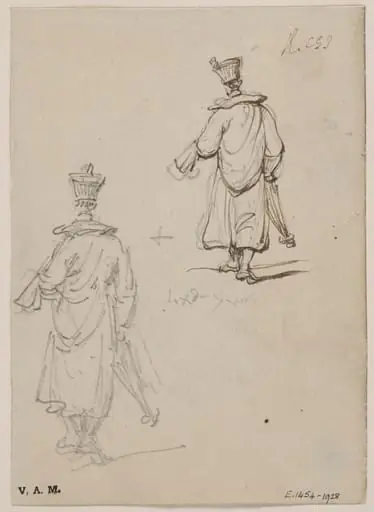
Two studies of a Chinese man holding up a birdcage
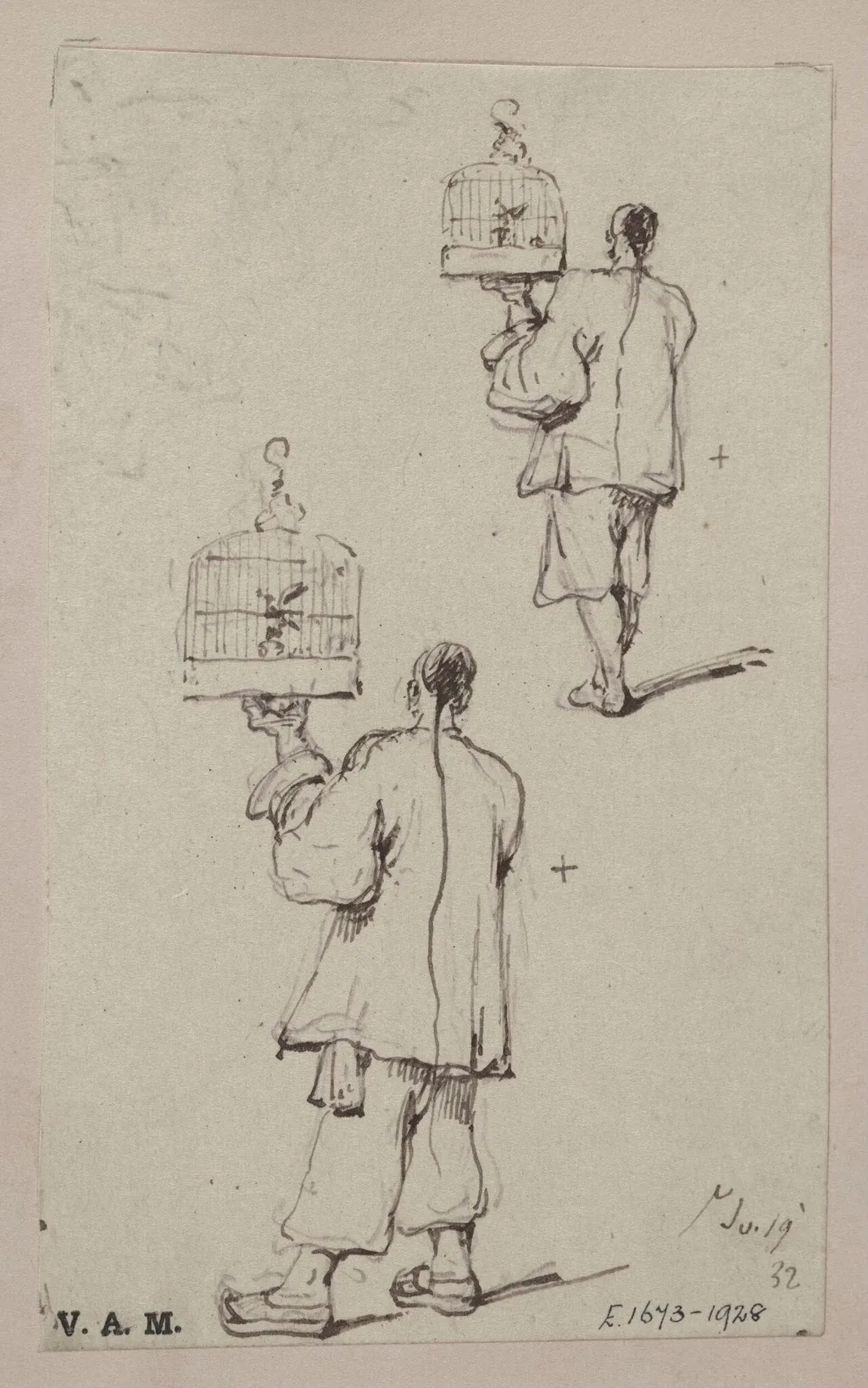
Two studies of a Chinese man holding up a birdcage is a drawing by the Romanticist artist George Chinnery. It dates from 19 and is held in the collection of the Victoria and Albert Museum. Two pencil drawings on a single sheet depict the same figure from behind, each showing a Chinese man holding a birdcage at shoulder height.
About this work
Overview
The absence of facial detail emphasizes posture and gesture over identity, focusing attention on the object held and the quiet stillness of the figure.
Two pencil drawings on a single sheet depict the same figure from behind, each showing a Chinese man holding a birdcage at shoulder height. Executed in minimal, fluid lines, the drawings were made side by side by George Chinnery, likely as observational studies. The absence of facial detail emphasizes posture and gesture over identity, focusing attention on the object held and the quiet stillness of the figure.
Subject & Meaning
The figure, unidentified and faceless, becomes a silent witness to cultural exchange. The birdcage, a common domestic object in 19th-century China, may symbolize containment or care, but its meaning remains ambiguous. By omitting the man’s face, Chinnery shifts focus from individuality to the act itself—holding, presenting, perhaps observing—inviting reflection on visibility and representation in cross-cultural encounters.
Technique & Style
Chinnery employed economical, confident pencil strokes to define form without shading or detail. The lines are light yet deliberate, capturing the curve of the cage and the slope of the shoulders with precision. The absence of background or context isolates the figure, reinforcing the study’s purpose: to record movement, weight, and spatial relationship through minimal means.
History & Provenance
Created during Chinnery’s time in southern China, likely in Macau or Guangzhou in the 1820s–1830s, the drawings reflect his practice of sketching local life. The sheet entered the Victoria and Albert Museum’s collection through later acquisitions of his works, preserved as part of a broader archive documenting British artists’ engagement with Asian subjects during the early colonial period.
Context
Chinnery was among the few Western artists living in China during this era, producing sketches for personal record rather than public display. His drawings of Chinese figures, often seen from behind or in profile, avoided exoticism by focusing on mundane moments. These studies align with a broader tradition of observational drawing among travelers, prioritizing direct experience over idealized representation.
Legacy
The drawings remain significant as unembellished records of daily life in early 19th-century China, viewed through a Western artist’s lens. Their simplicity invites contemporary viewers to consider how cultural subjects were observed, recorded, and sometimes rendered anonymous. They stand as quiet counterpoints to more theatrical depictions of Asia from the same period.
Artist & collection
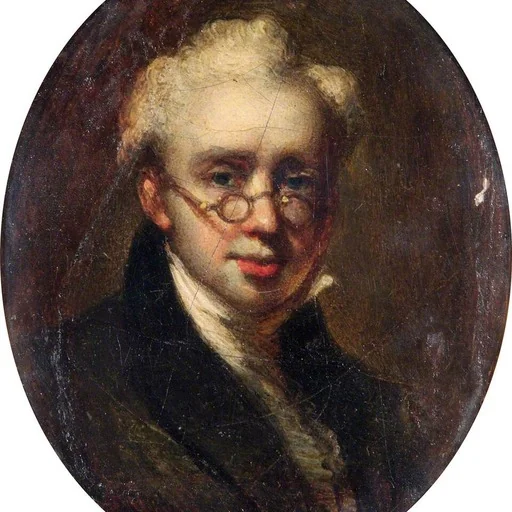
Artist
George Chinnery (Chinese: 錢納利; 5 January 1774 – 30 May 1852) was an English painter who spent most of his life in Asia, especially India and southern China.