Artwork
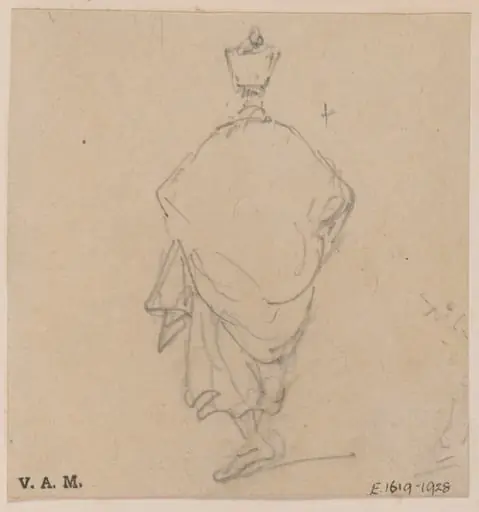
Two drawings of a priest seen from behind
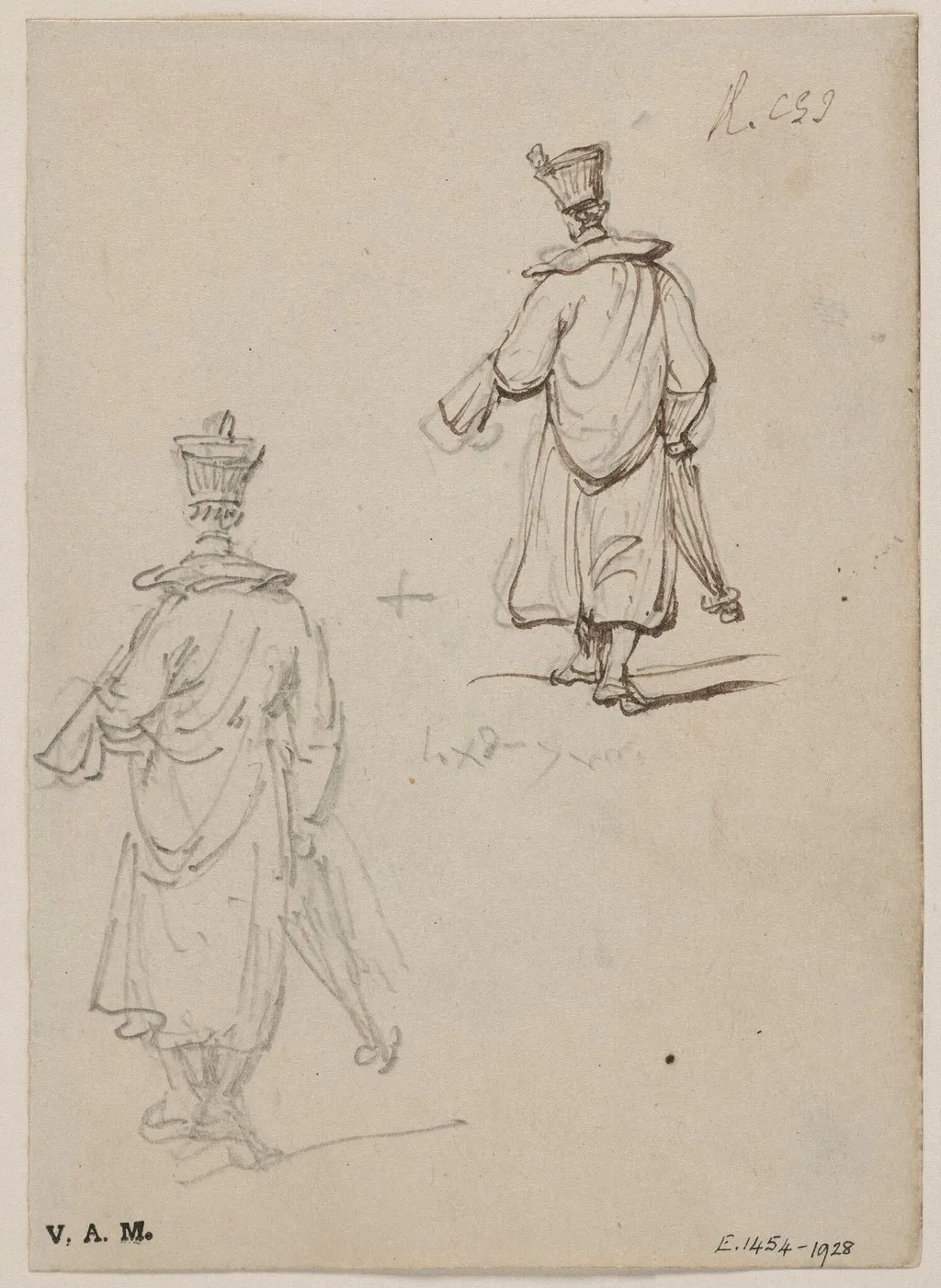
Two drawings of a priest seen from behind is a drawing by the Romanticist artist George Chinnery. It dates from 19 and is held in the collection of the Victoria and Albert Museum.
About this work
Look up the Victorian artist William Mulready to see another Romantic drawing style.
George Chinnery drew two quick pencil sketches of a priest in the 1800s.
One sketch was later traced over with ink, so the lines stand out clearer.
They show the figure from behind, head bowed, robe falling straight down.
These look like practice strokes, not finished portraits. Chinnery saved them anyway.
The date range on the page runs from 1825 to 1852.
Look up the Victorian artist William Mulready to see another Romantic drawing style.
Overview
Two pencil drawings by George Chinnery, one subsequently inked, depict a priest viewed from behind, characterized by a bowed head and straight, flowing robe.
Subject & Meaning
The subject, a priest in a contemplative or subdued posture, suggests a focus on everyday, potentially religious, life. The rear view may imply a sense of anonymity or universality.
Technique & Style
Executed in pencil with one version enhanced with ink, the drawings reflect quick, possibly preparatory, strokes. The style aligns with Romantic-era spontaneity, akin to William Mulready's approach.
History & Provenance
Created between 1825 and 1852, the drawings were retained by Chinnery despite their unfinished, practice-like nature, indicating their personal or compositional value to the artist.
Context
Produced during the Victorian era, these works sit within the broader context of Romantic drawing, emphasizing capturing mood and gesture over formal portraiture.
Artist & collection
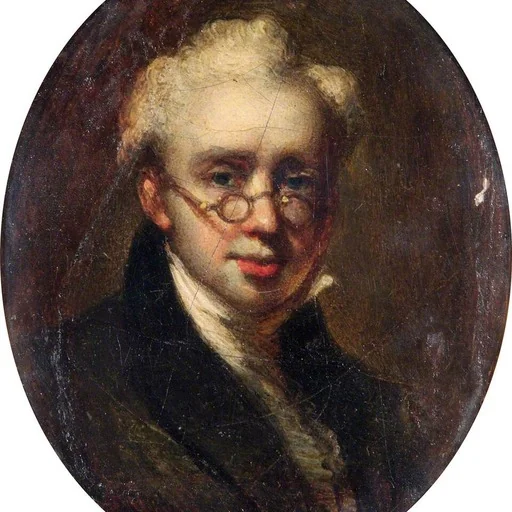
Artist
George Chinnery (Chinese: 錢納利; 5 January 1774 – 30 May 1852) was an English painter who spent most of his life in Asia, especially India and southern China.

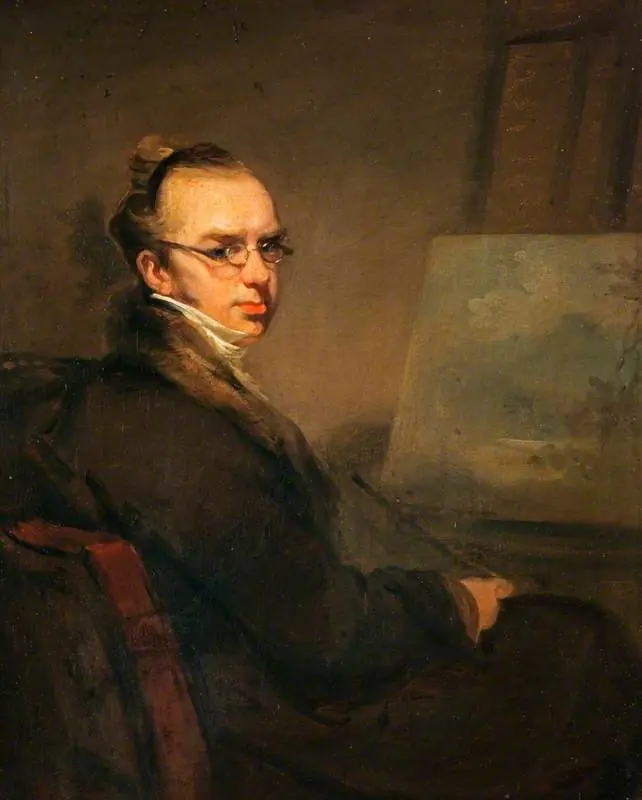
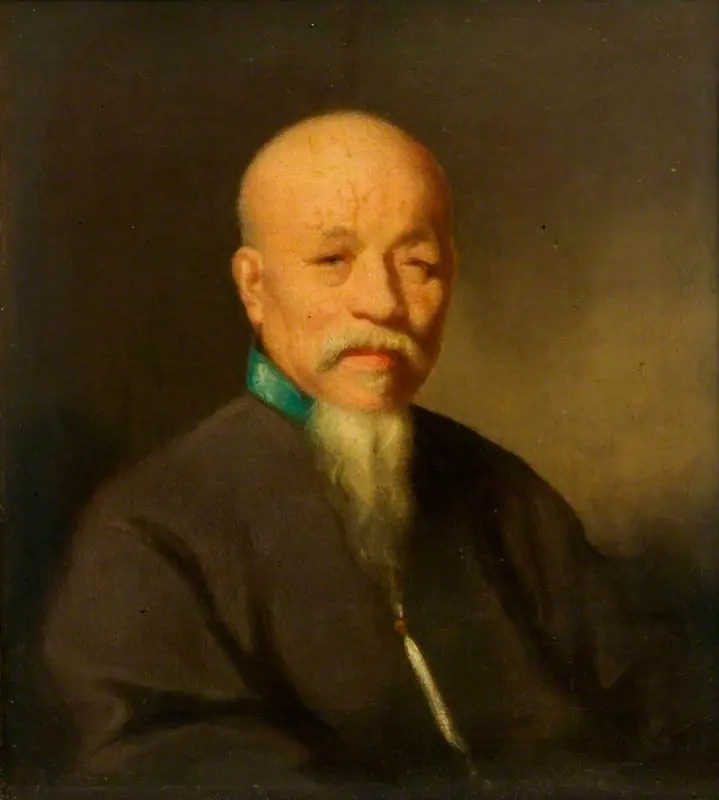
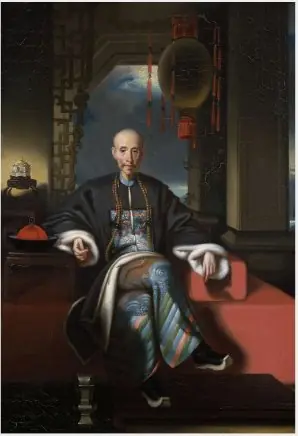
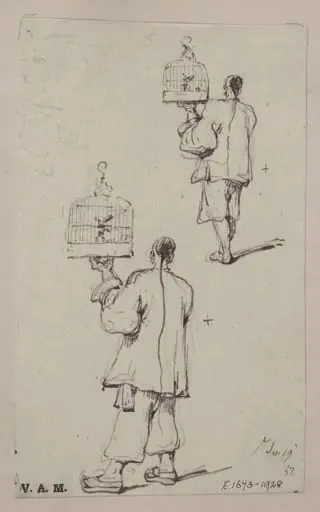 Two studies of a Chinese man holding up a birdcage
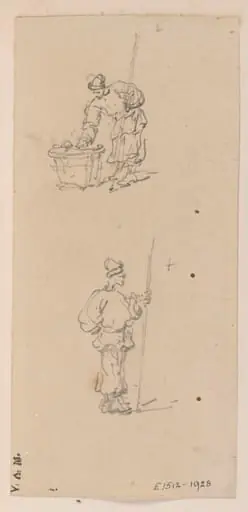 Two drawings of Chinese men
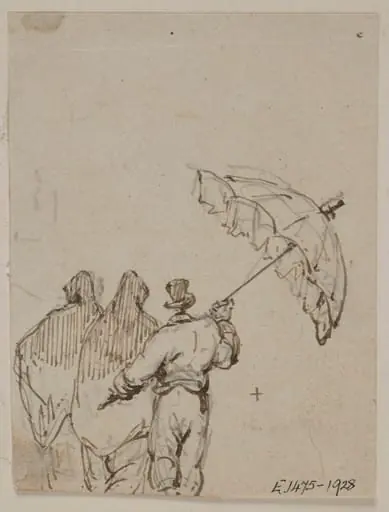 Two Macanese women with a servant holding up a parasol
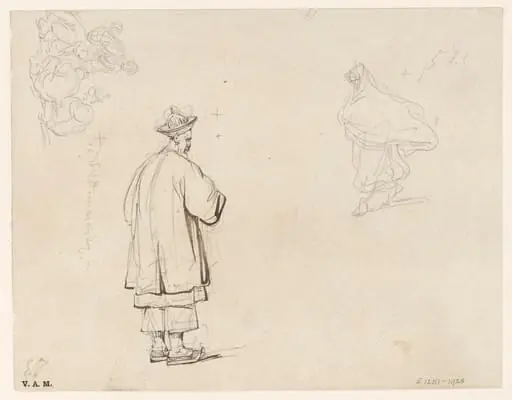 A Chinese official, with two other sketches
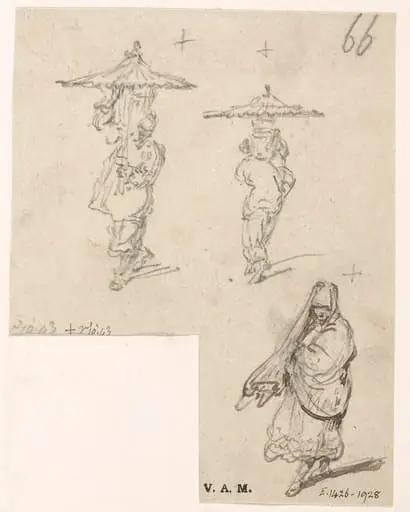 Three figure drawings
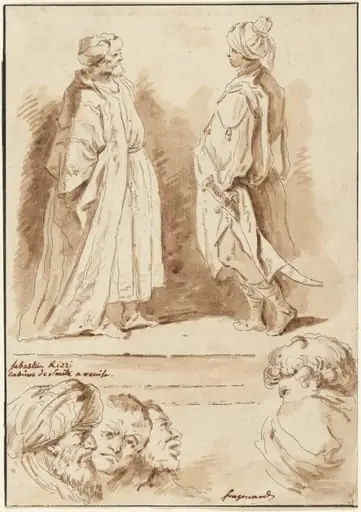 Details from "The Adoration of the Magi" and "The Pool at Bethesda"
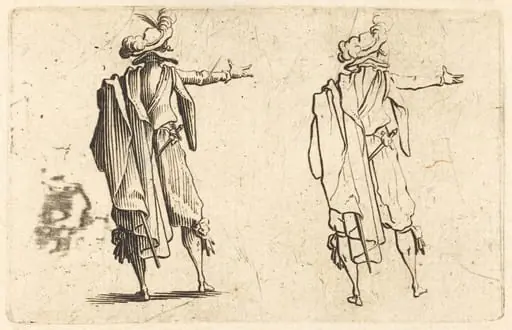 Man seen from Behind with His Right Arm Extended
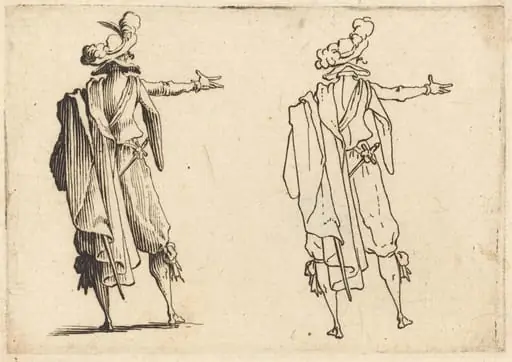 Man seen from Behind with His Right Arm Extended
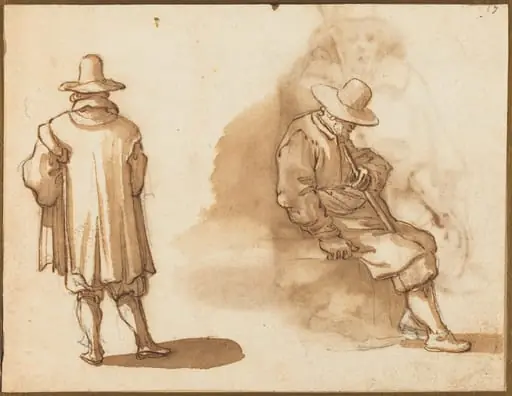 Two Studies of a Man
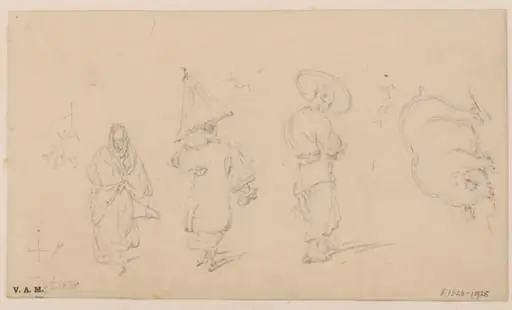 Three figures and a pig
 A priest seen from behind
 Three drawings of a Chinese porter