Artwork
Portrait of Fyodor F. Leviz (1767-1824)
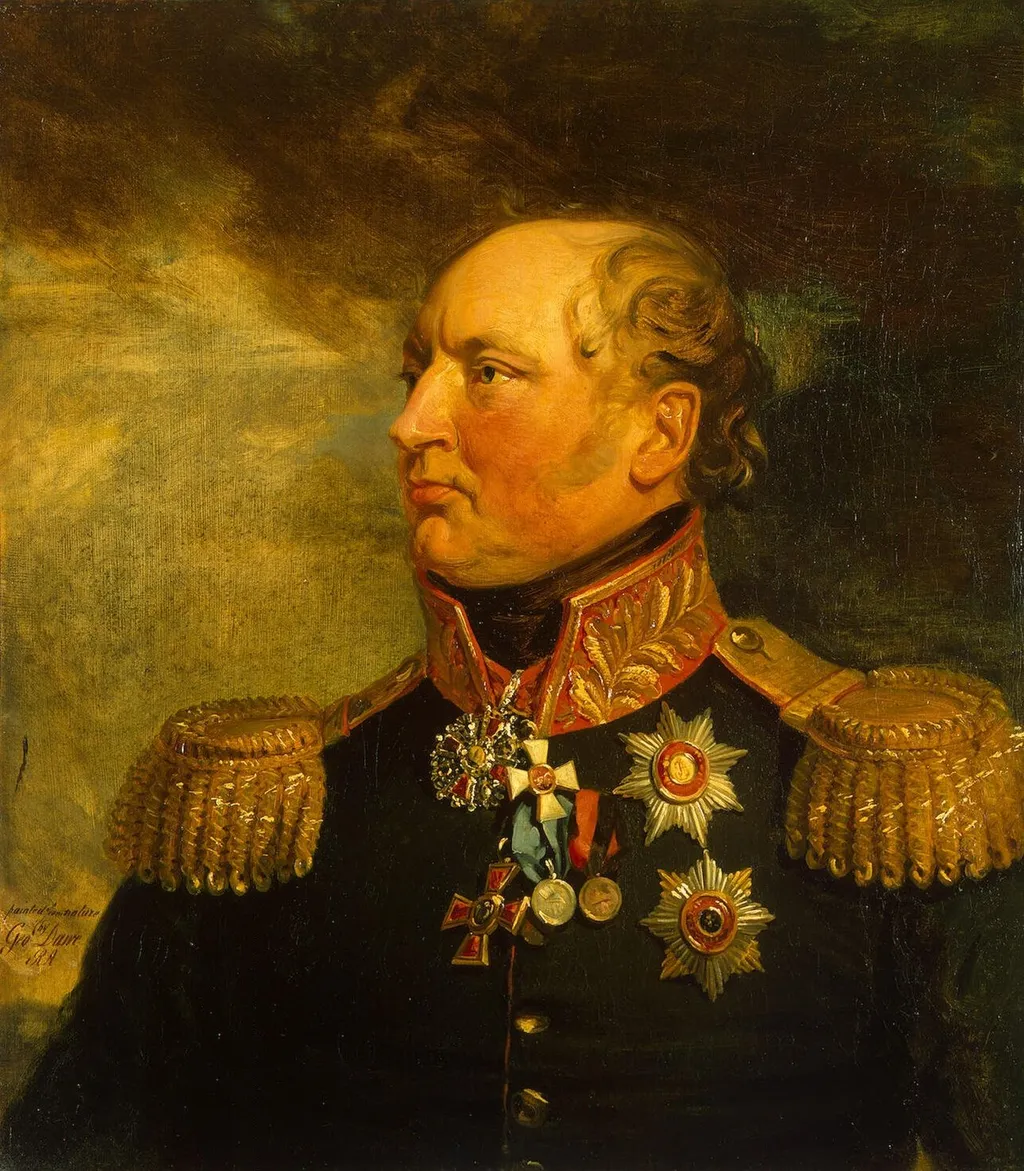
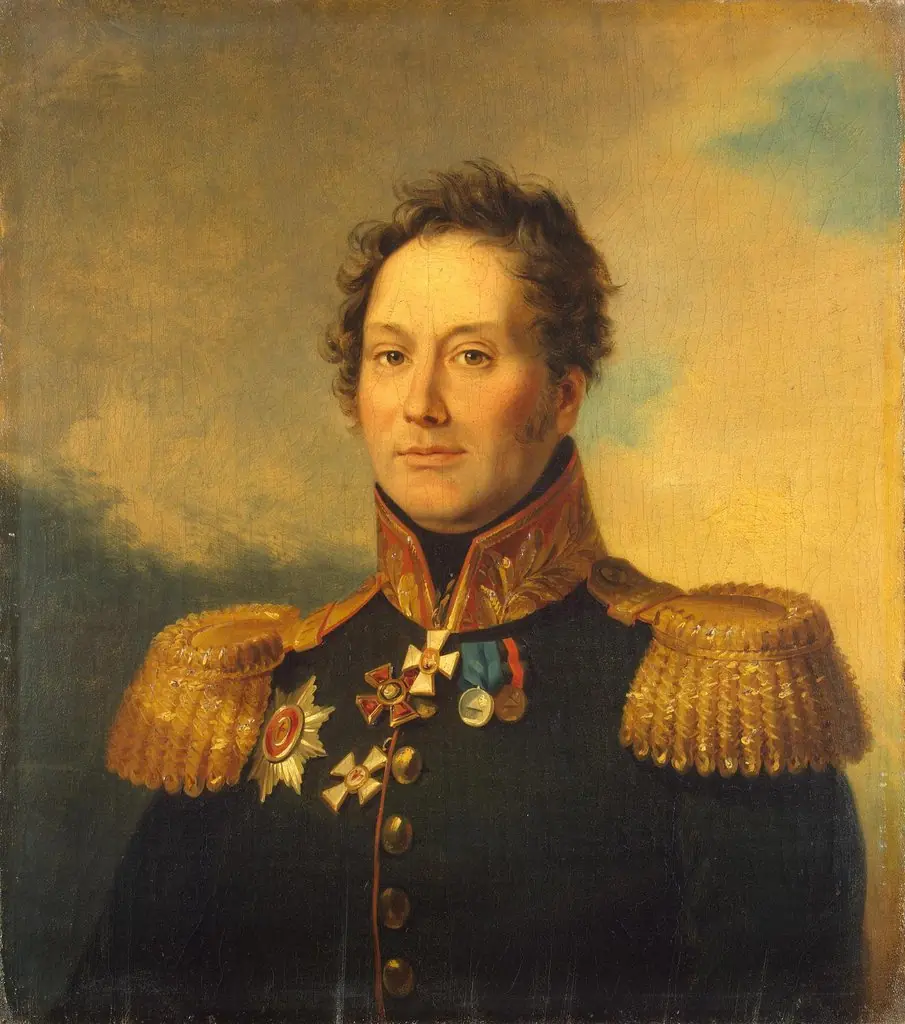
Portrait of Fyodor F. Leviz (1767-1824) is an oil painting by George Dawe. It dates from 1822 and is held in the collection of the Hermitage Museum.
About this work
Overview
Dawe, who moved to Saint Petersburg in 1819, was commissioned to portray members of the Russian imperial elite.
Painted in 1822 by the English artist George Dawe, this oil portrait depicts Fyodor F. Leviz, a Russian military officer of Baltic German descent. Dawe, who moved to Saint Petersburg in 1819, was commissioned to portray members of the Russian imperial elite. The work is part of a larger series documenting military leaders and aristocrats, and it remains in the collection of the State Hermitage Museum, where it has been held since its creation.
Subject & Meaning
The subject, Fyodor F. Leviz, is portrayed in full military regalia, adorned with multiple orders and decorations that signify distinguished service. His expression is composed, conveying authority and experience. The absence of contextual elements emphasizes his status as a figure of institutional importance. The portrait functions less as a personal likeness and more as a formal record of rank and achievement within the Russian military hierarchy.
Technique & Style
Dawe employed a restrained, precise technique typical of early 19th-century academic portraiture. The dark, neutral background isolates the figure, while careful modeling of light defines the contours of the face and the metallic sheen of medals. Wrinkles and subtle textures in the skin suggest age and character without sentimentality. The gold trim of the uniform is rendered with delicate brushwork, contrasting with the matte fabric of the coat and cravat.
History & Provenance
Commissioned during Dawe’s tenure in Russia, the portrait was likely created for official or aristocratic circulation. It entered the State Hermitage Museum’s collection shortly after completion, possibly through imperial acquisition. Dawe’s role as a foreign artist favored by the Russian court ensured his works were preserved within state collections, securing their institutional longevity.
Context
In the early 1820s, Russia was consolidating its imperial identity following the Napoleonic Wars. Portraits of military leaders like Leviz served to reinforce state narratives of valor and loyalty. Dawe, one of several foreign artists employed by the Russian court, contributed to a visual culture that elevated the military aristocracy. His output during this period formed a systematic visual archive of the empire’s elite.
Legacy
The portrait remains a representative example of Dawe’s Russian period, reflecting the conventions of state portraiture in post-Napoleonic Europe. While not widely exhibited outside the Hermitage, it contributes to scholarly understanding of how foreign artists shaped Russian visual culture. Its preservation underscores the institutional value placed on documenting military leadership during a period of national consolidation.
Artist & collection
Artist
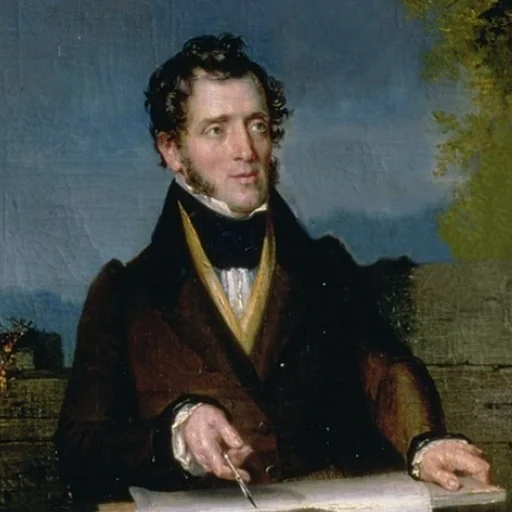
George Dawe (6 February 1781 – 15 October 1829) was an English portraitist who painted 329 portraits of Russian generals active during Napoleon's invasion of Russia for the Military Gallery of the Winter Palace.

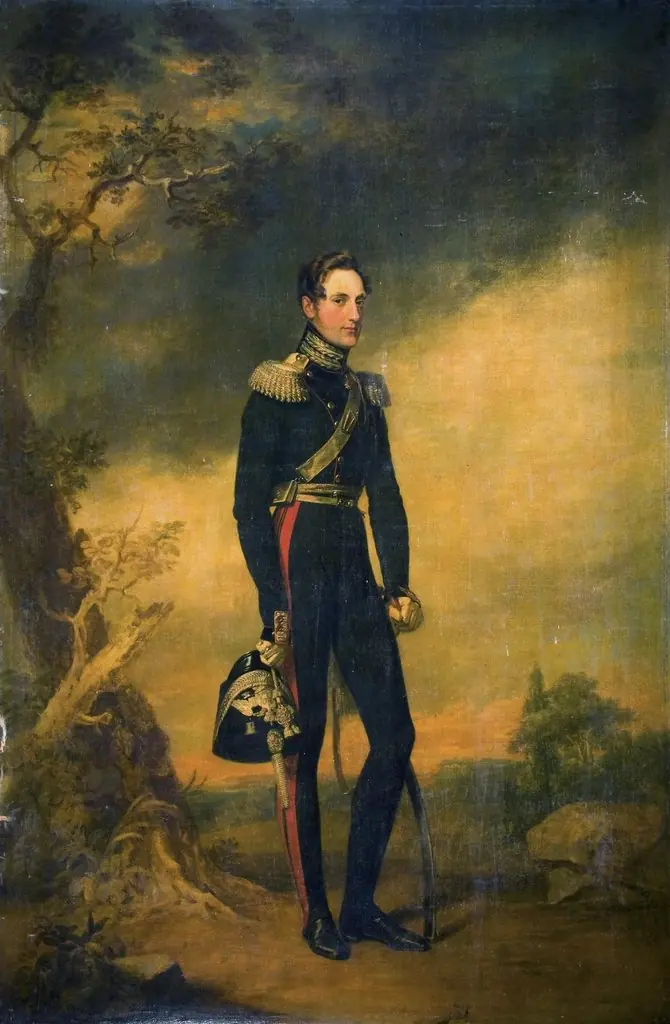 Portrait of Grand Duke Nikolai Pavlovich
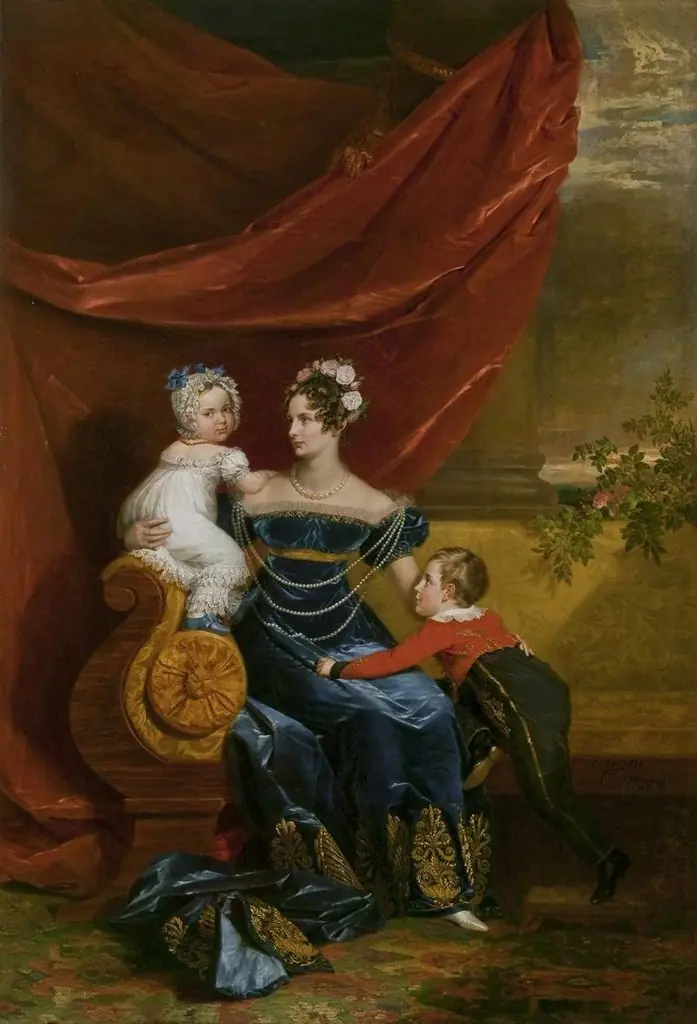 Portrait of Grand Duchess Alexandra Fiodorovna with Children
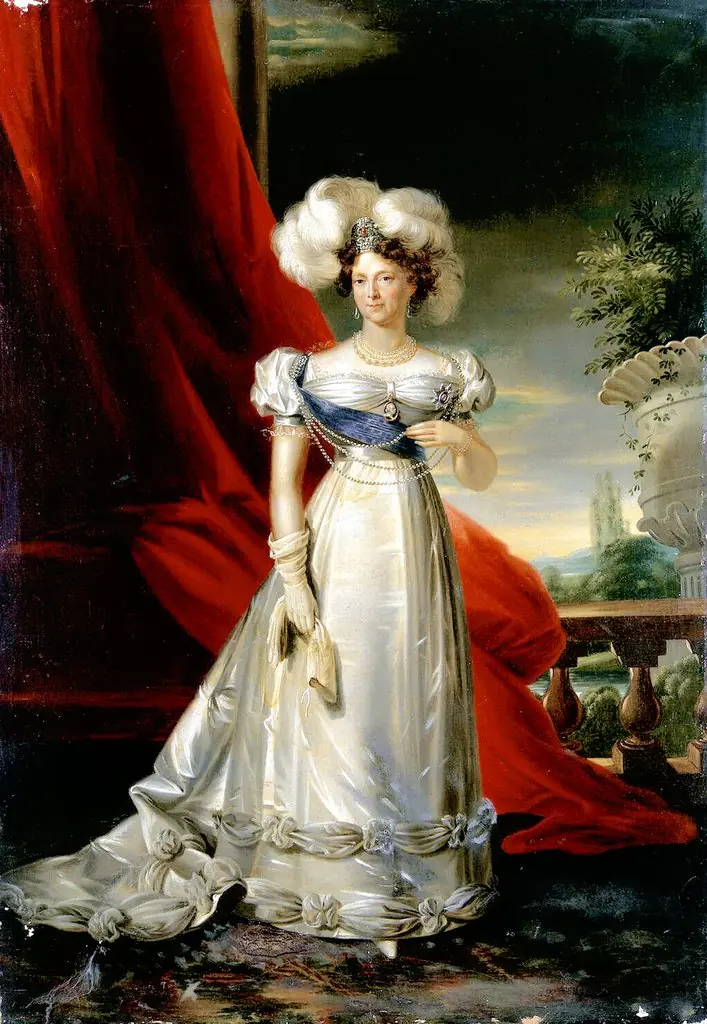 Portrait of the Empress Dowager Maria Feodorovna
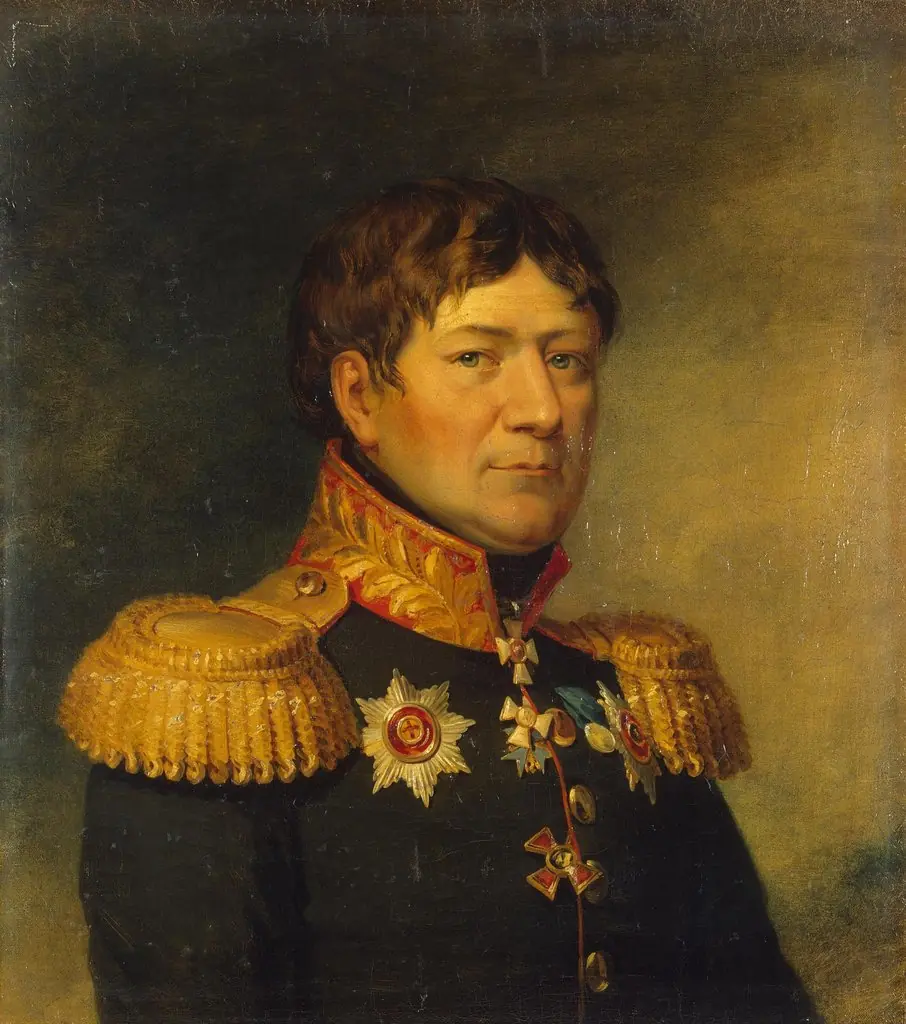 Portrait of Yegor M. Pillar (1767-1830)
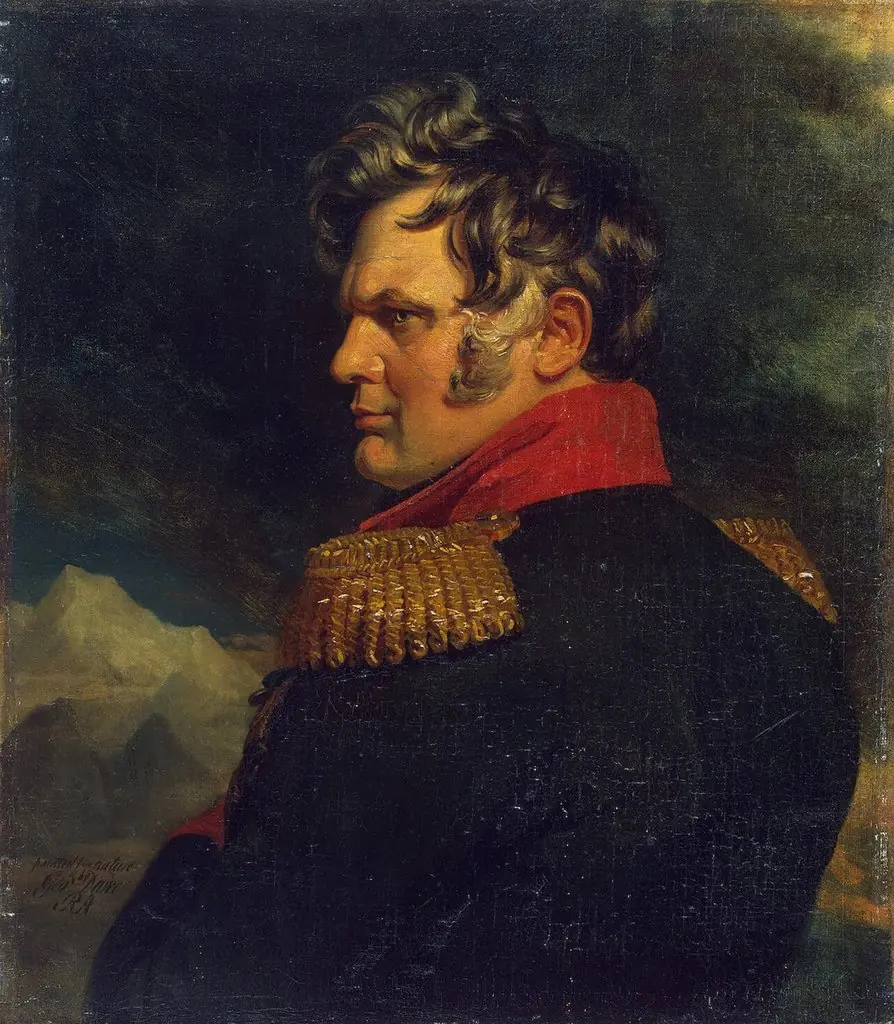 Portrait of Alexei P. Yermolov (1772/77-1861)
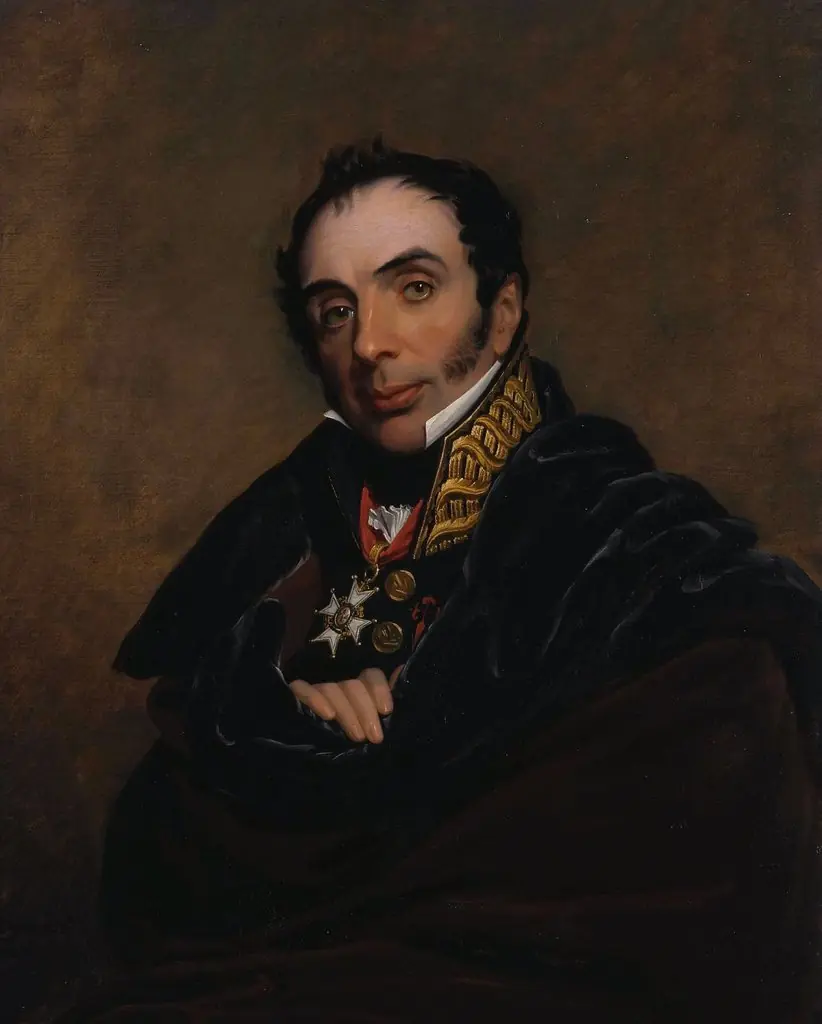 Portrait of Miguel Ricardo de Alava
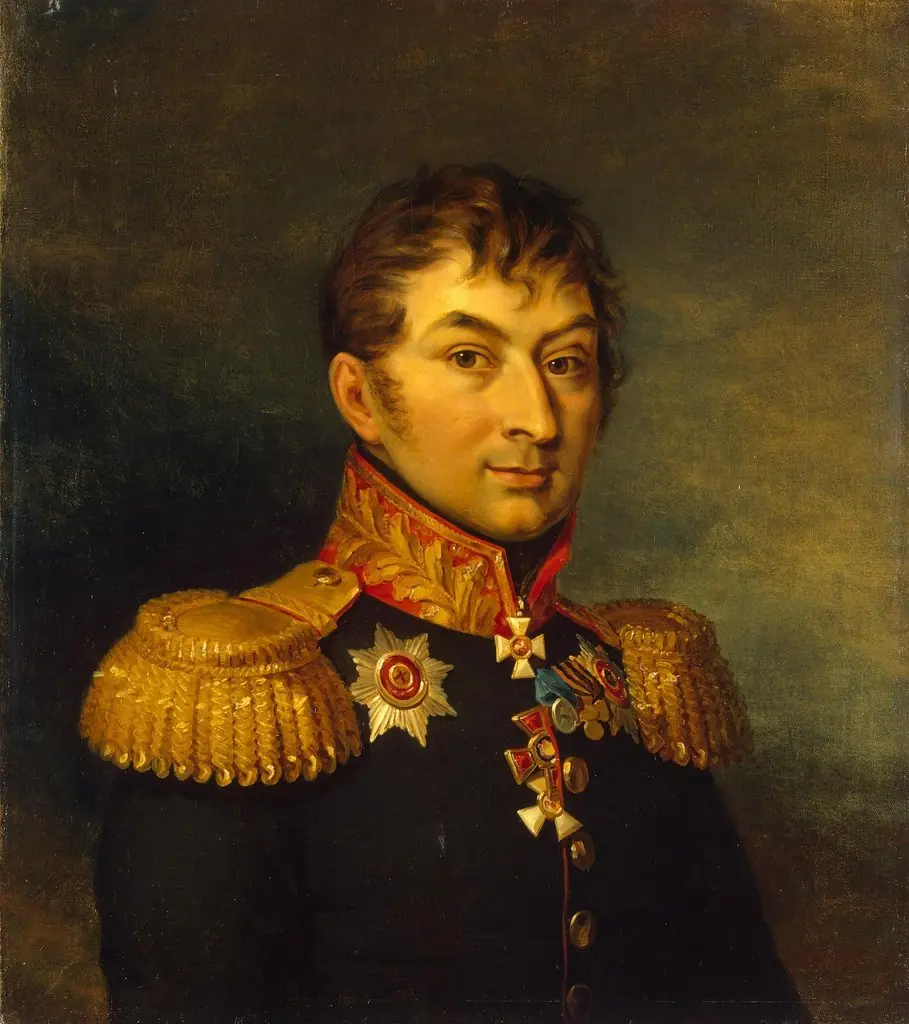 Portrait of Ivan D. Panchulidzev (1759-1815) (1st)
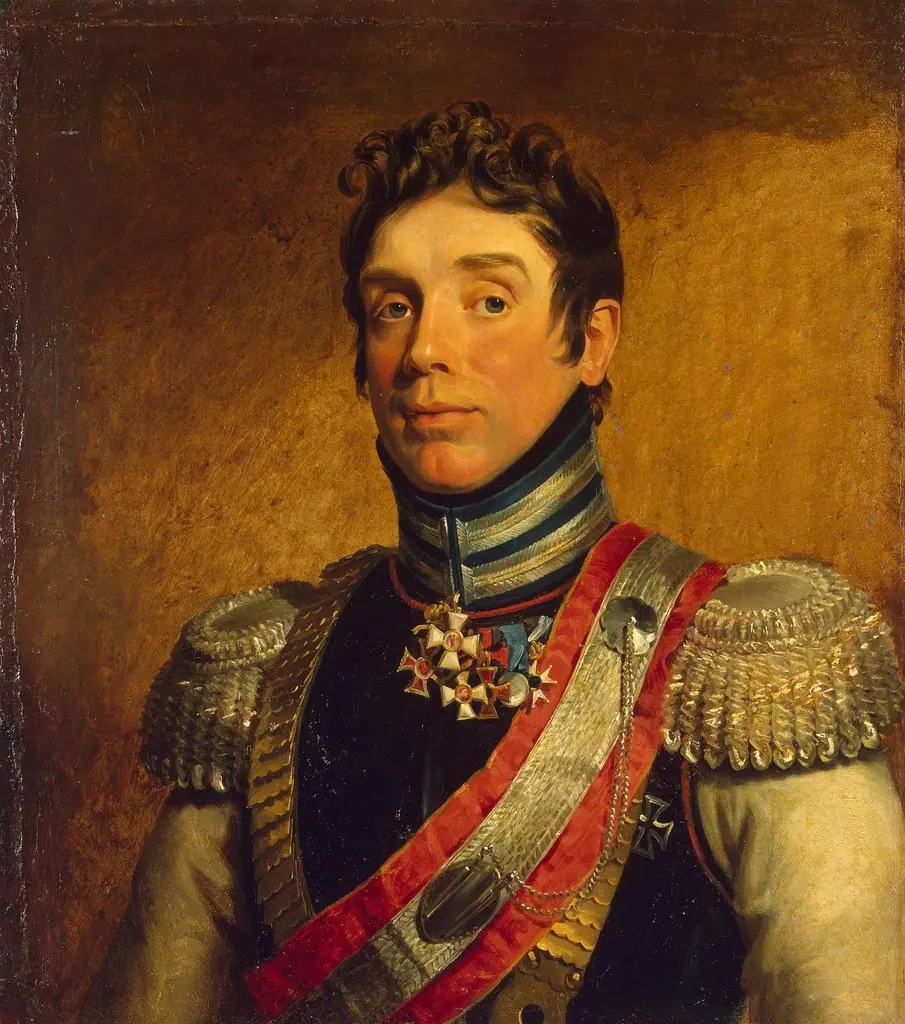 Portrait of Karl V. Budberg (1774-1829)
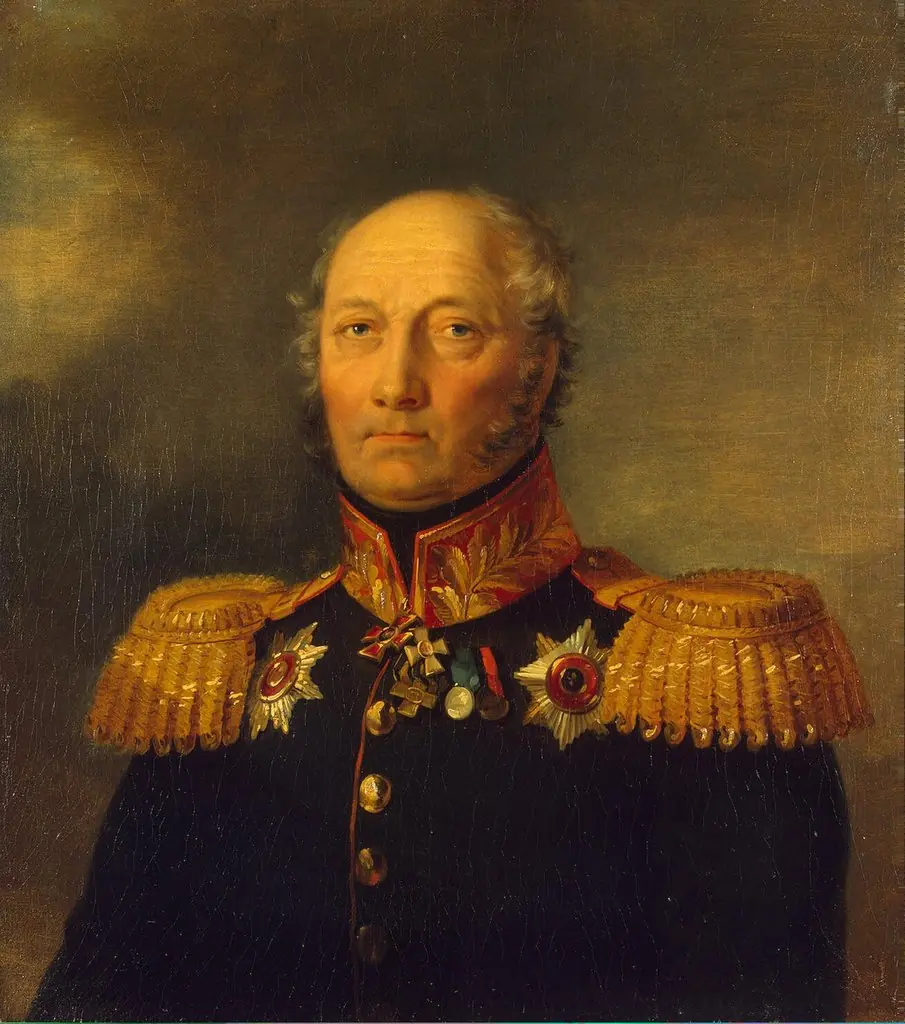 Portrait of Andrey S. Umanets (1762 - after 1828)
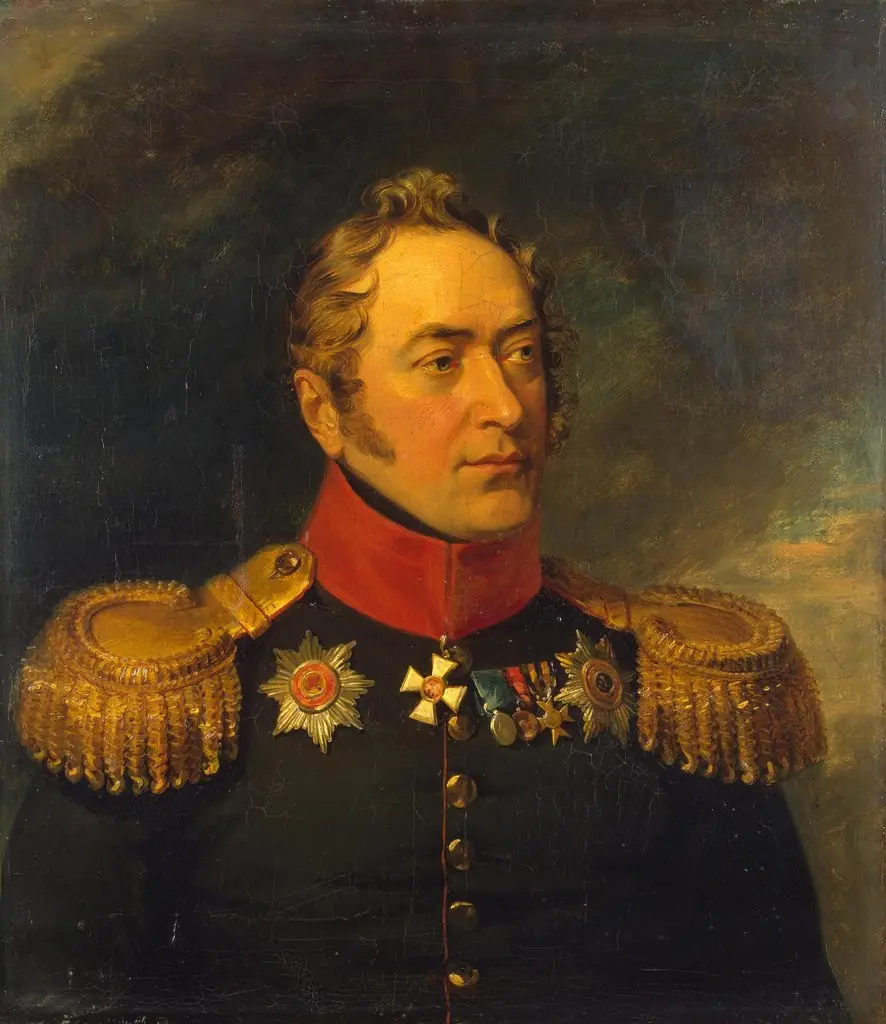 Portrait of Nikolai N. Khovansky (1777-1837)
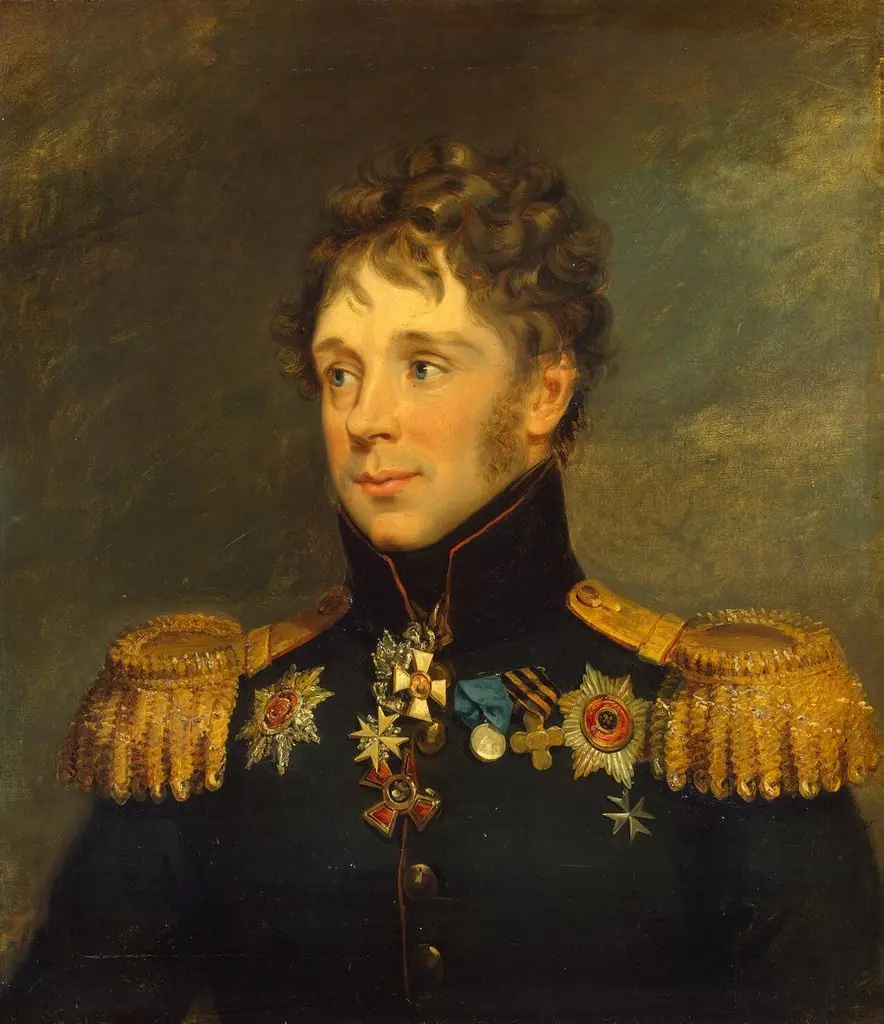 Portrait of Dmitry P. Rezvy (1762-1823)
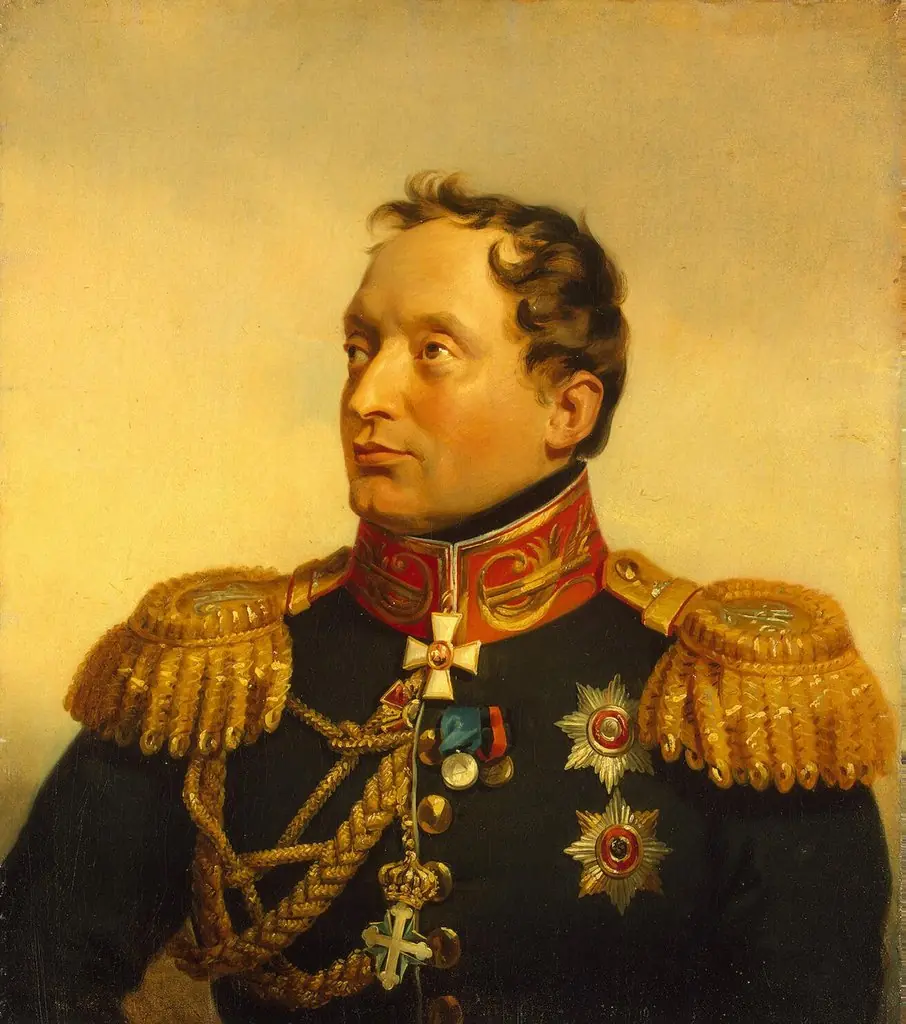 Portrait of Filippo (Filipp Osipovich) Paulucci (1779-1849)
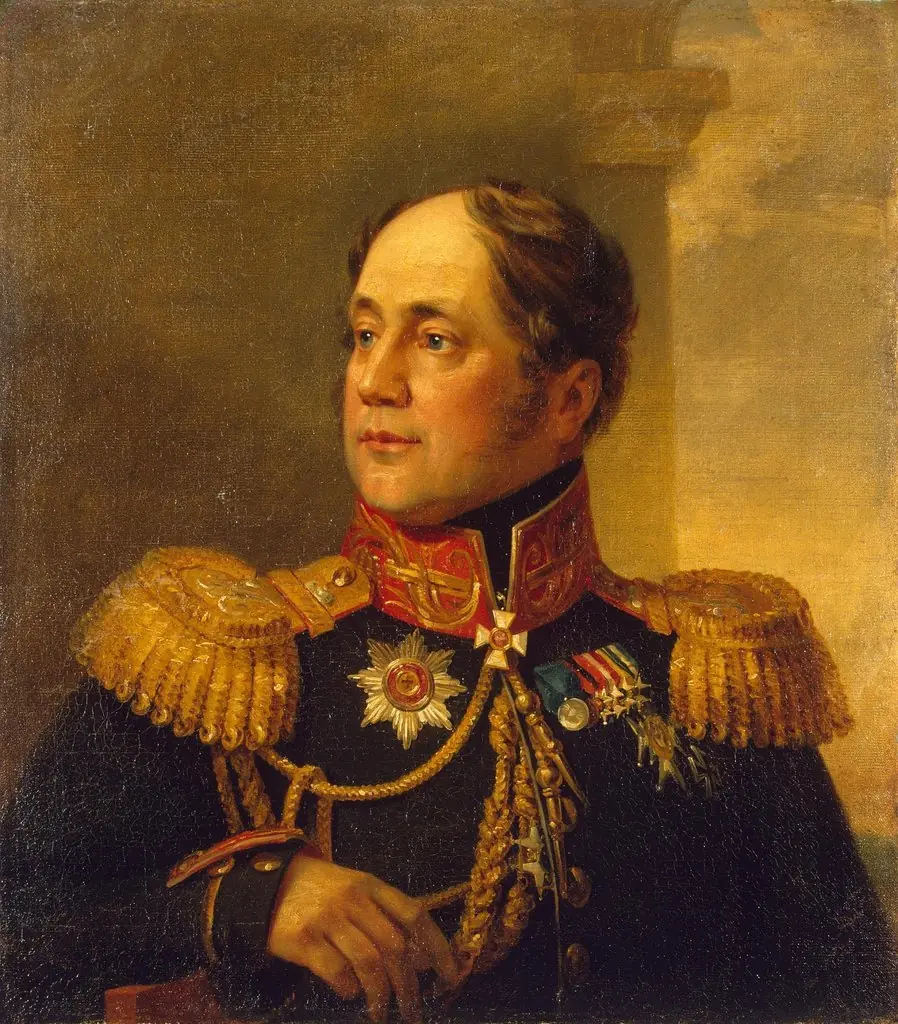 Portrait of Nikolai M. Sipyagin (1785-1828)
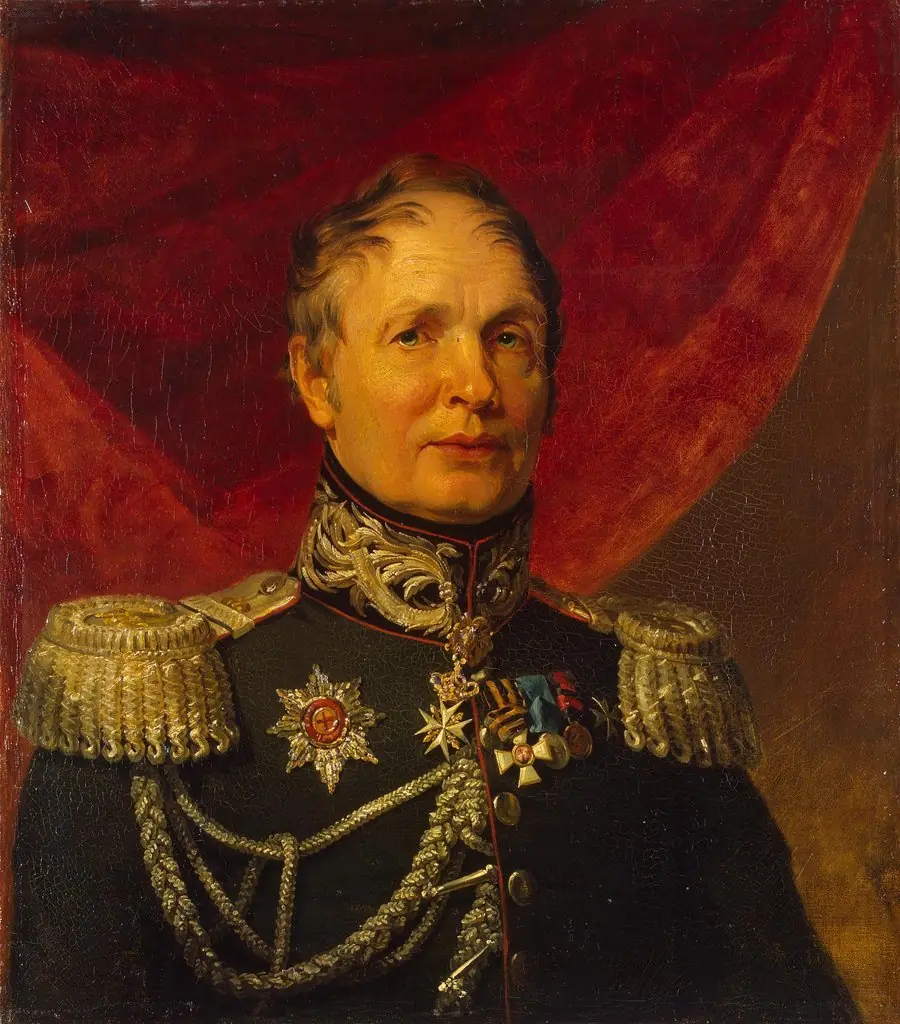 Portrait of Mikhail S. Vistitsky (1768-1832)
 Portrait of Moisey I. Karpenko (1775-1854)