Artwork
Portrait of Grand Duchess Maria Pavlovna
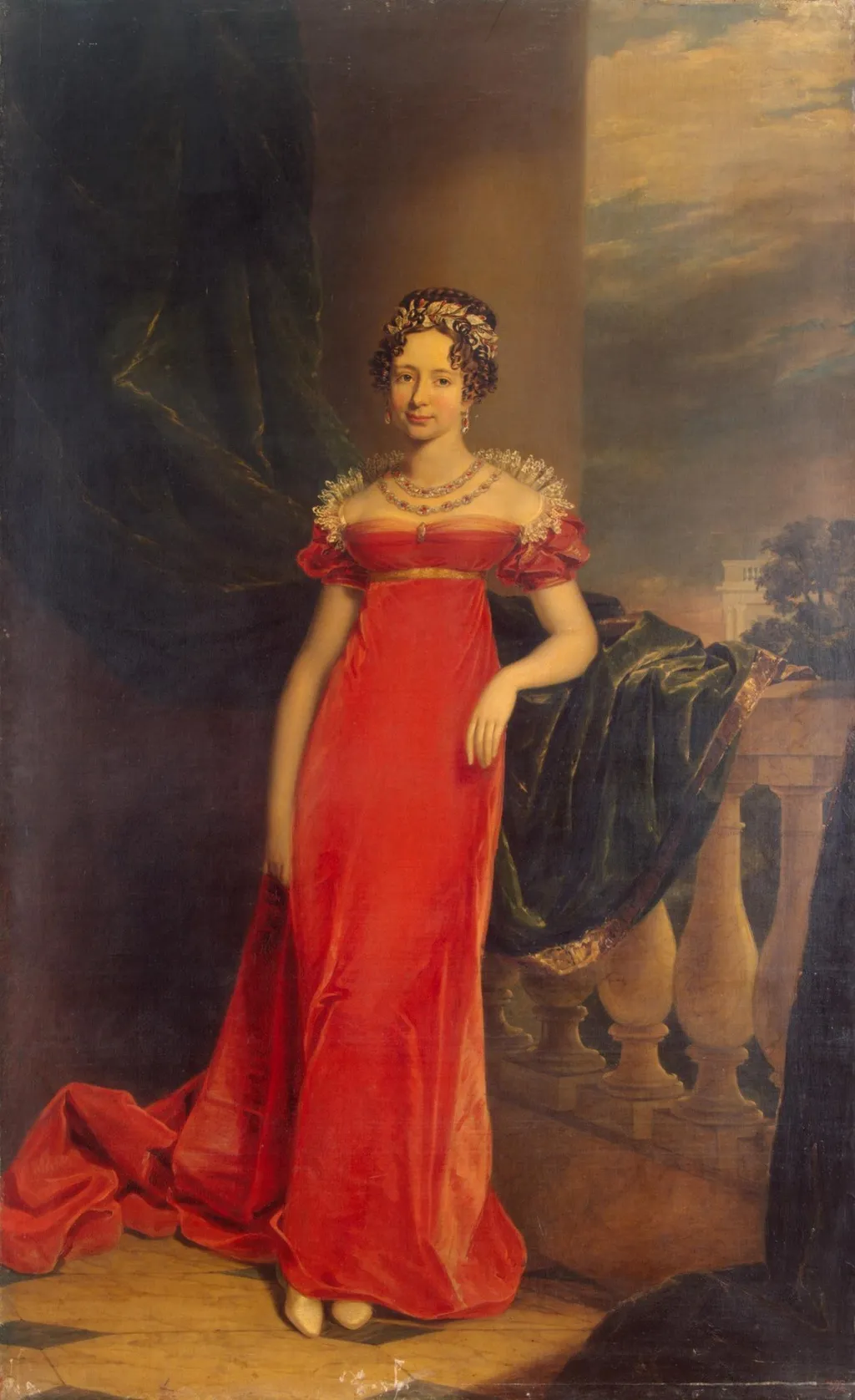
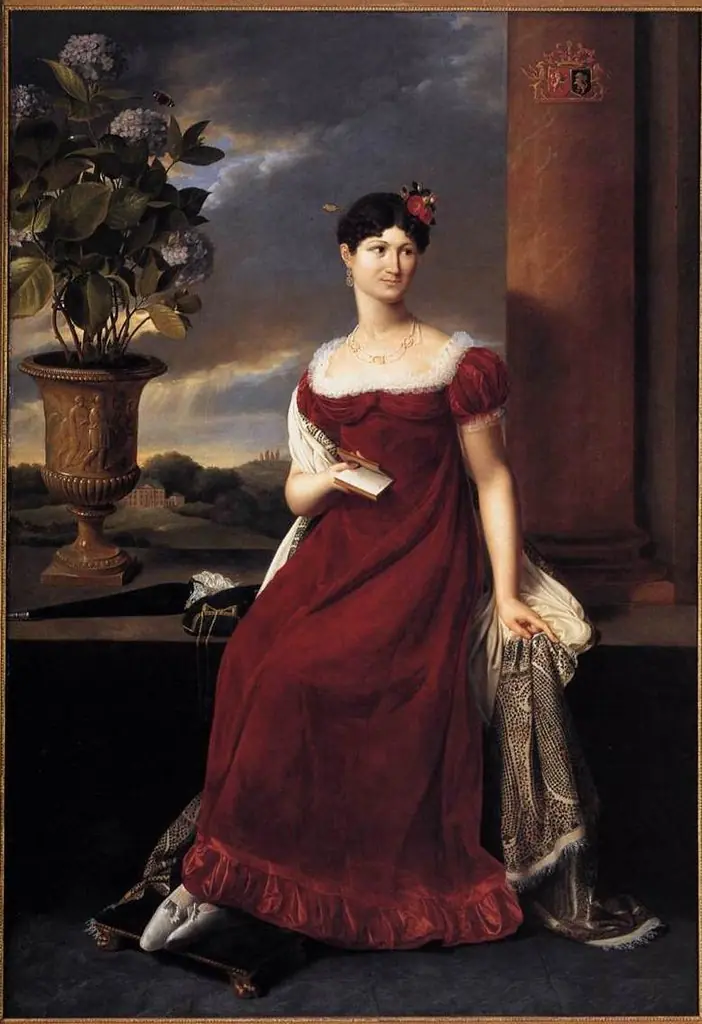
Portrait of Grand Duchess Maria Pavlovna is an oil painting by George Dawe. It dates from 1822 and is held in the collection of the Hermitage Museum.
About this work
Overview
Dawe, who relocated to Russia in 1819, was commissioned by the imperial court to document members of the Romanov family.
Painted in 1822 by the English artist George Dawe, this oil-on-canvas portrait captures Grand Duchess Maria Pavlovna of Russia during his tenure in Saint Petersburg. Dawe, who relocated to Russia in 1819, was commissioned by the imperial court to document members of the Romanov family. The work is part of a larger series of portraits he produced for the Hermitage, reflecting his integration into Russian aristocratic circles and his technical precision in capturing noble subjects.
Subject & Meaning
Grand Duchess Maria Pavlovna, sister of Tsar Alexander I, is portrayed with composed dignity, her posture and attire signaling her status. The laurel wreath in her hair alludes to classical ideals of honor and achievement, common in imperial iconography. The rich red dress, high waist, and ornate jewelry reflect contemporary fashion among Russian nobility, while the subtle garden backdrop suggests both private leisure and the cultivated elegance expected of her rank.
Technique & Style
Dawe employed smooth brushwork and careful tonal gradations to render the texture of silk, the sheen of metal jewelry, and the depth of the dark curtain. The composition balances the figure against a softly suggested landscape, using contrast to draw focus to the subject. His approach blends British portraiture traditions with Russian courtly expectations, emphasizing realism without excessive ornamentation, resulting in a restrained yet authoritative presence.
History & Provenance
Commissioned during Dawe’s residency in Saint Petersburg, the portrait entered the State Hermitage Museum’s collection shortly after its completion. Dawe’s position as a favored portraitist of the imperial family ensured his works were systematically acquired by the state. The painting has remained in the Hermitage’s holdings since the early 19th century, preserved as part of the museum’s documentation of Romanov visual culture.
Context
In the early 1820s, Russian aristocracy increasingly embraced European artistic norms, particularly British and French portraiture. Dawe’s arrival coincided with a period of cultural alignment between Russia and Western Europe. His portraits, including this one, served both as personal likenesses and political statements, reinforcing the legitimacy and refinement of the imperial family amid shifting post-Napoleonic European dynamics.
Legacy
Dawe’s series of Russian imperial portraits, including this one, established a visual archive of the Romanov dynasty during a critical era of modernization. While less celebrated today than some of his contemporaries, his work remains a key resource for understanding aristocratic identity and artistic patronage in early 19th-century Russia. The portrait continues to inform scholarly study of courtly representation and cross-cultural artistic exchange.
Artist & collection
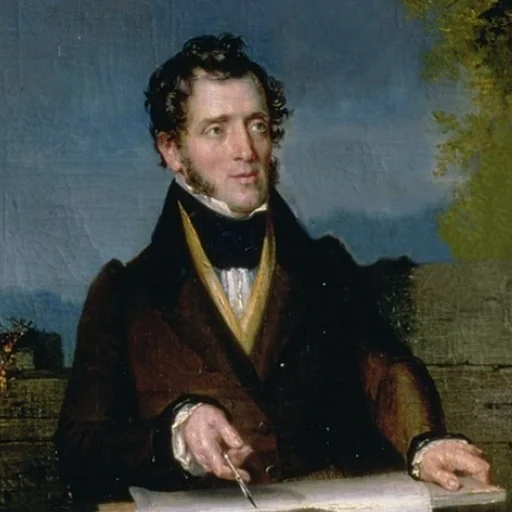
Artist
George Dawe (6 February 1781 – 15 October 1829) was an English portraitist who painted 329 portraits of Russian generals active during Napoleon's invasion of Russia for the Military Gallery of the Winter Palace.

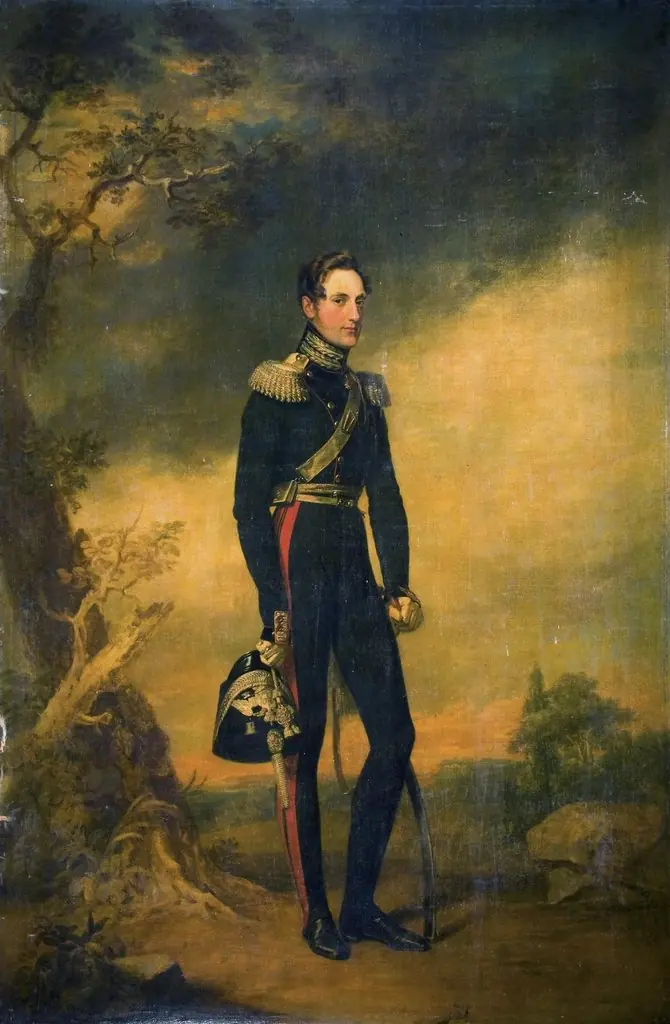 Portrait of Grand Duke Nikolai Pavlovich
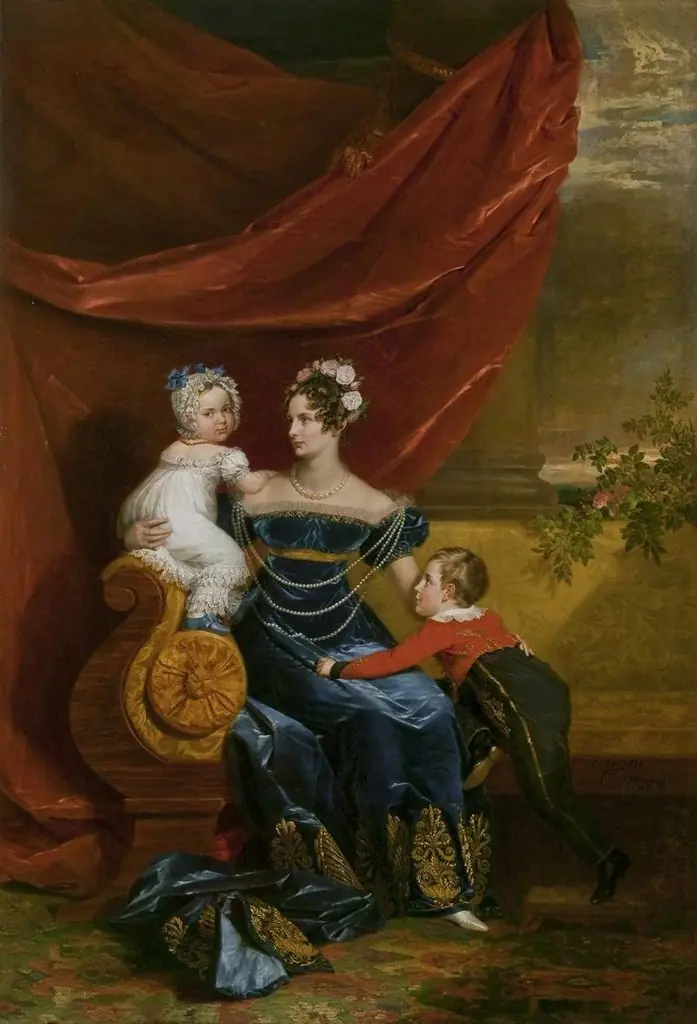 Portrait of Grand Duchess Alexandra Fiodorovna with Children
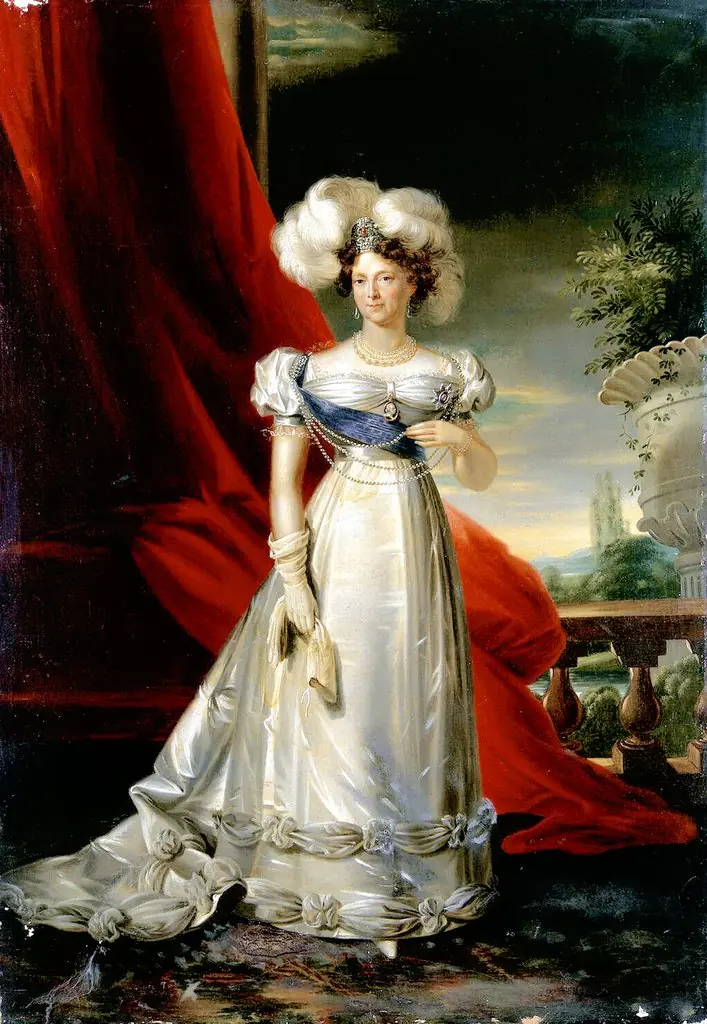 Portrait of the Empress Dowager Maria Feodorovna
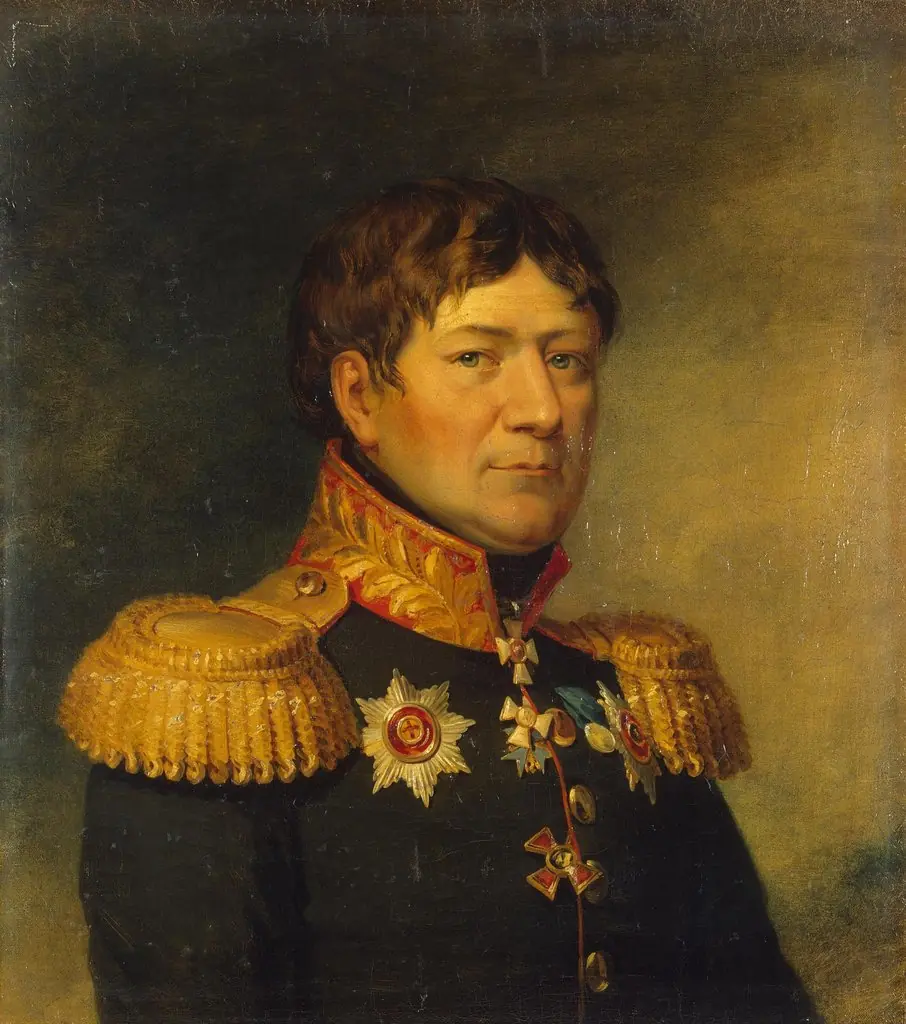 Portrait of Yegor M. Pillar (1767-1830)
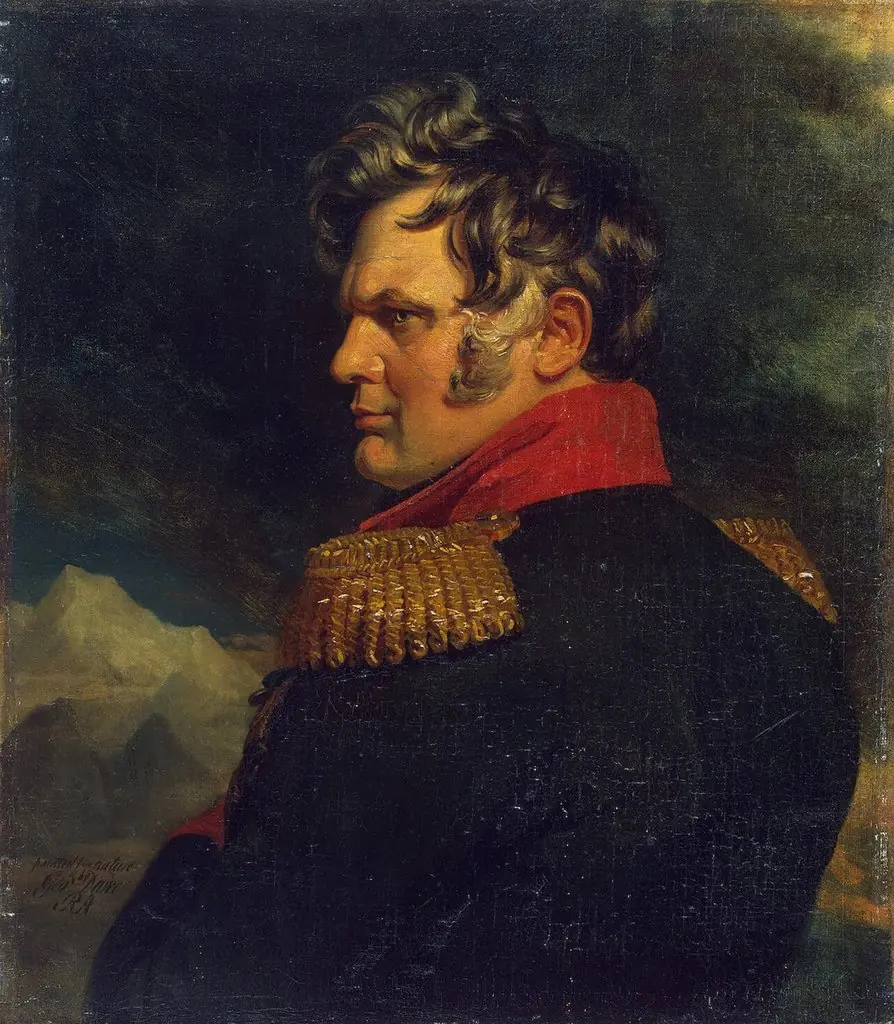 Portrait of Alexei P. Yermolov (1772/77-1861)
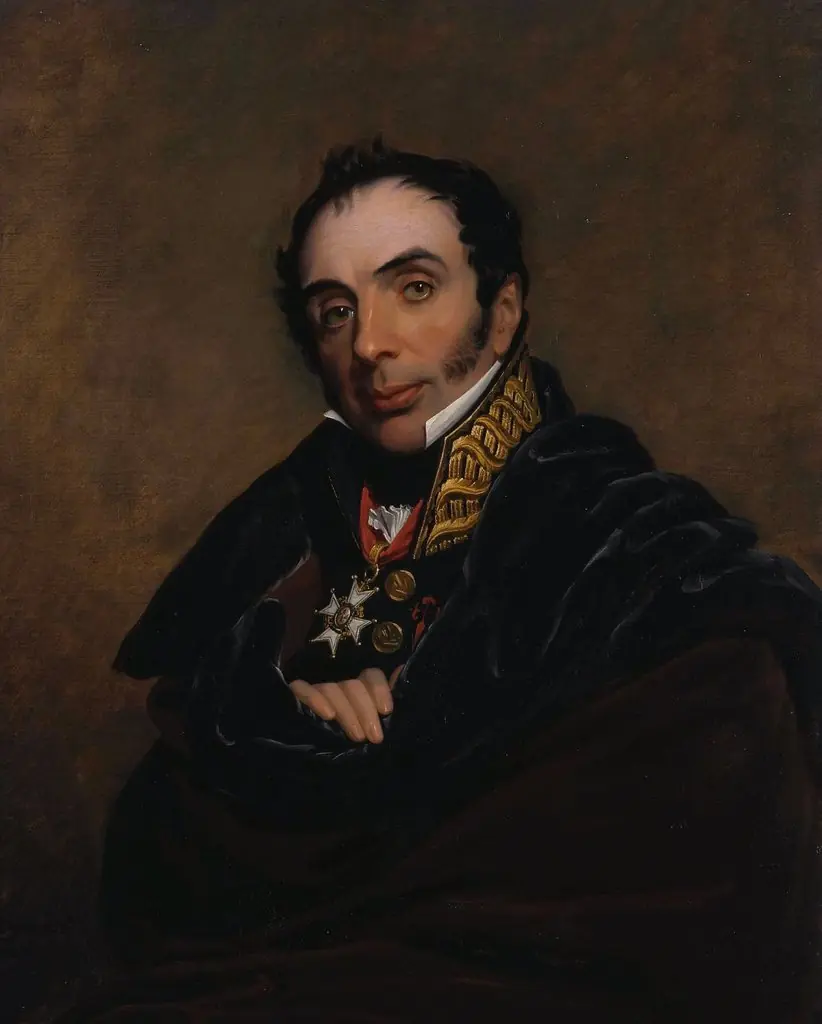 Portrait of Miguel Ricardo de Alava
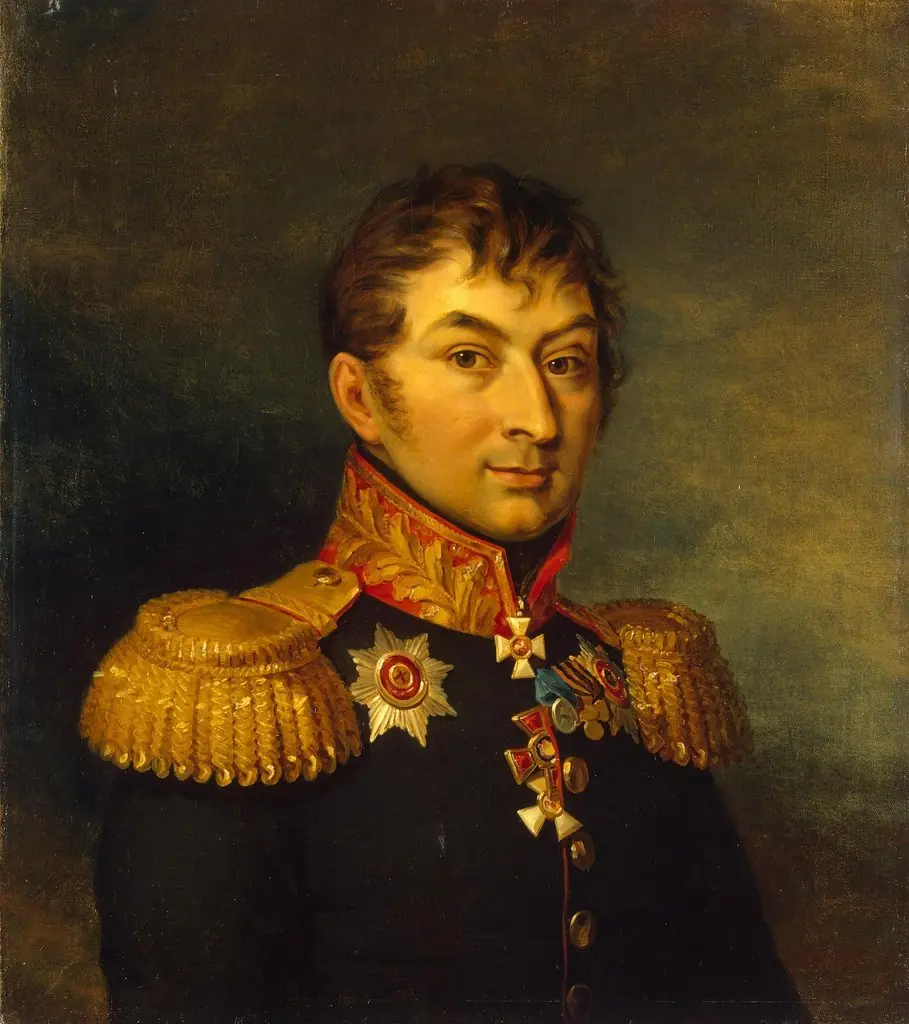 Portrait of Ivan D. Panchulidzev (1759-1815) (1st)
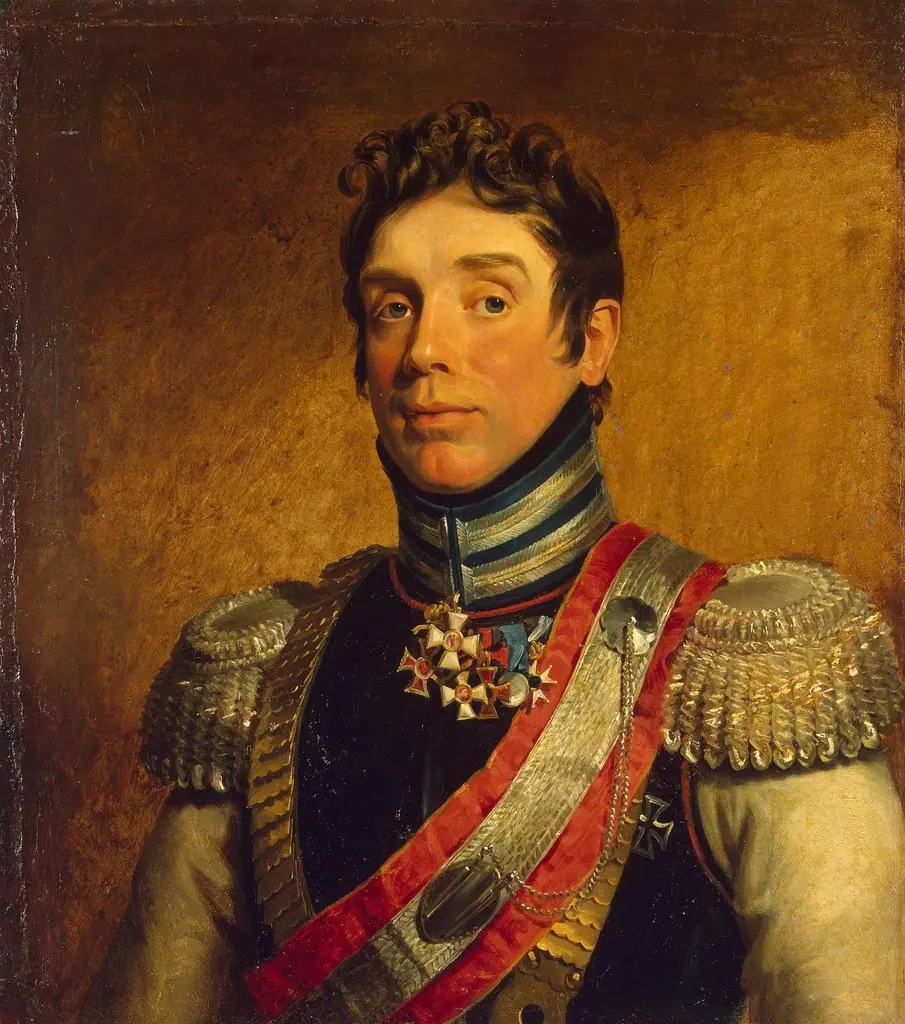 Portrait of Karl V. Budberg (1774-1829)
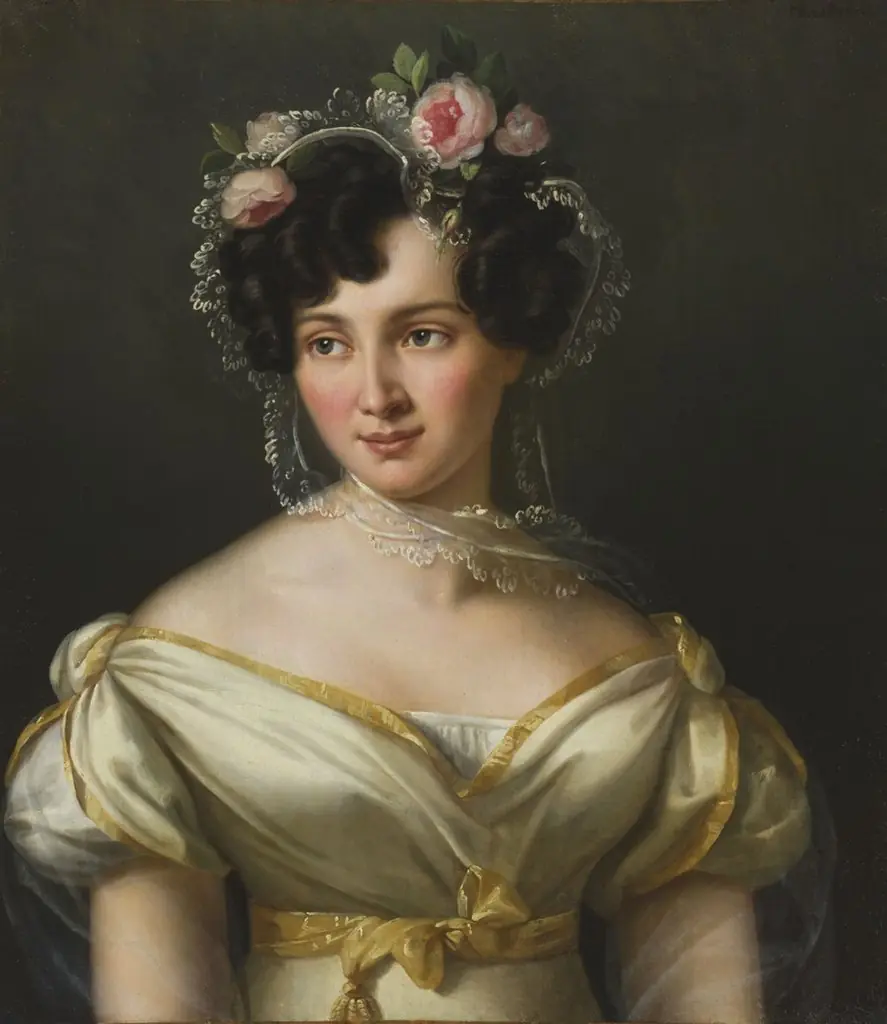 Portrait of Princess Anna Nikolayevna
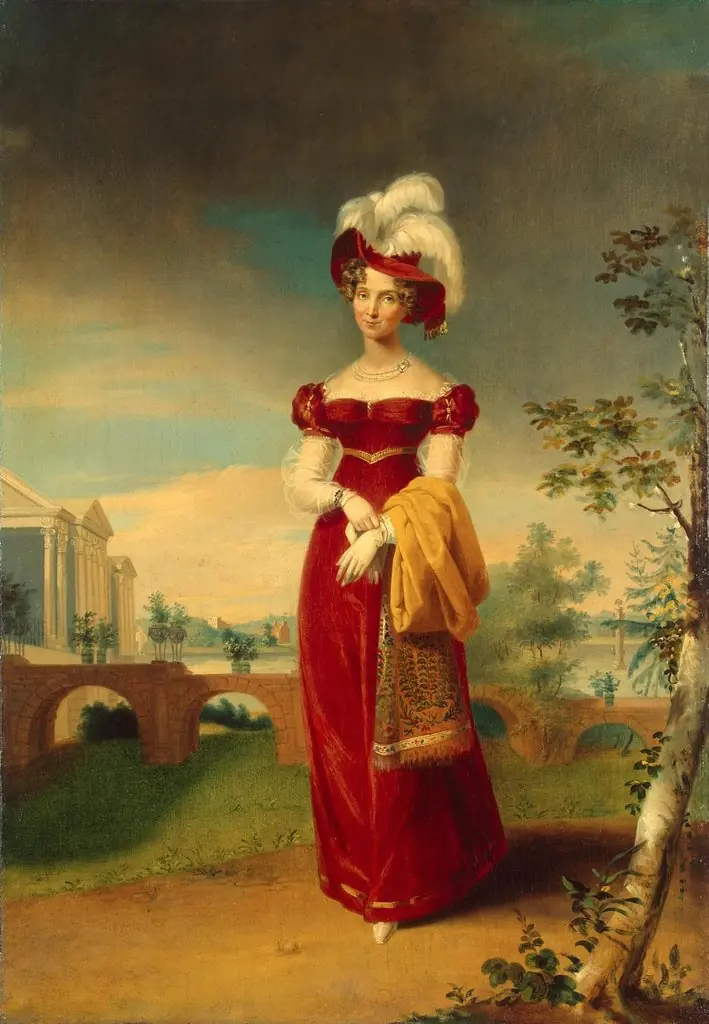 "Portrait of Empress Elizabeth Alexeyevna in a Park in Tsarskoye Selo" (copy)
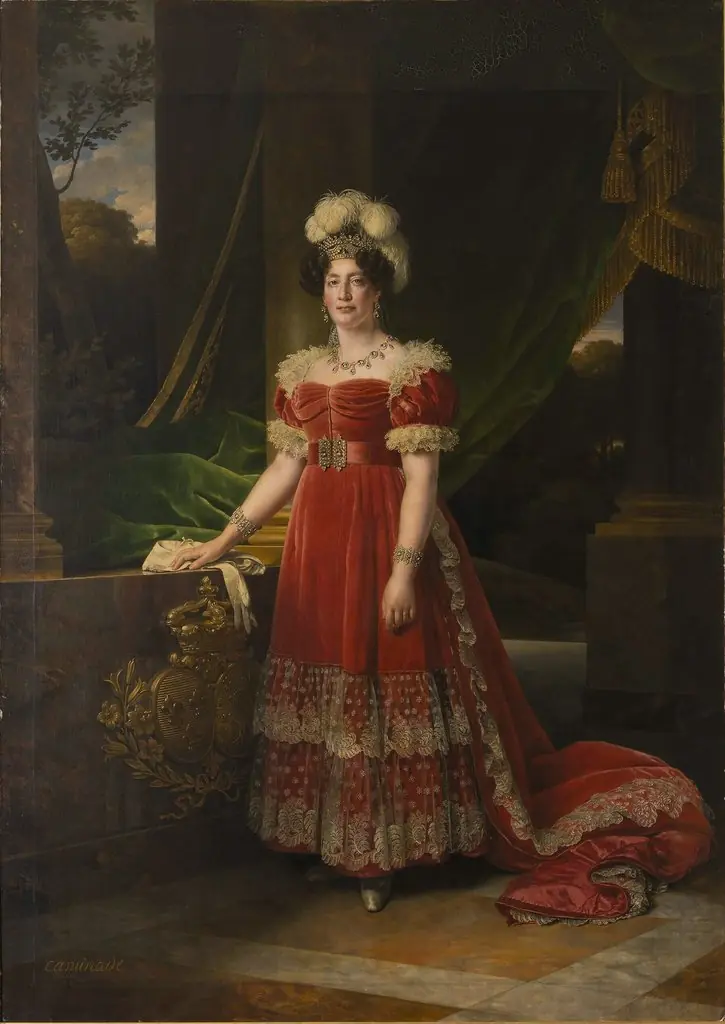 Portrait of Marie Thérèse of France, Duchess of Angoulême (1778-1851)
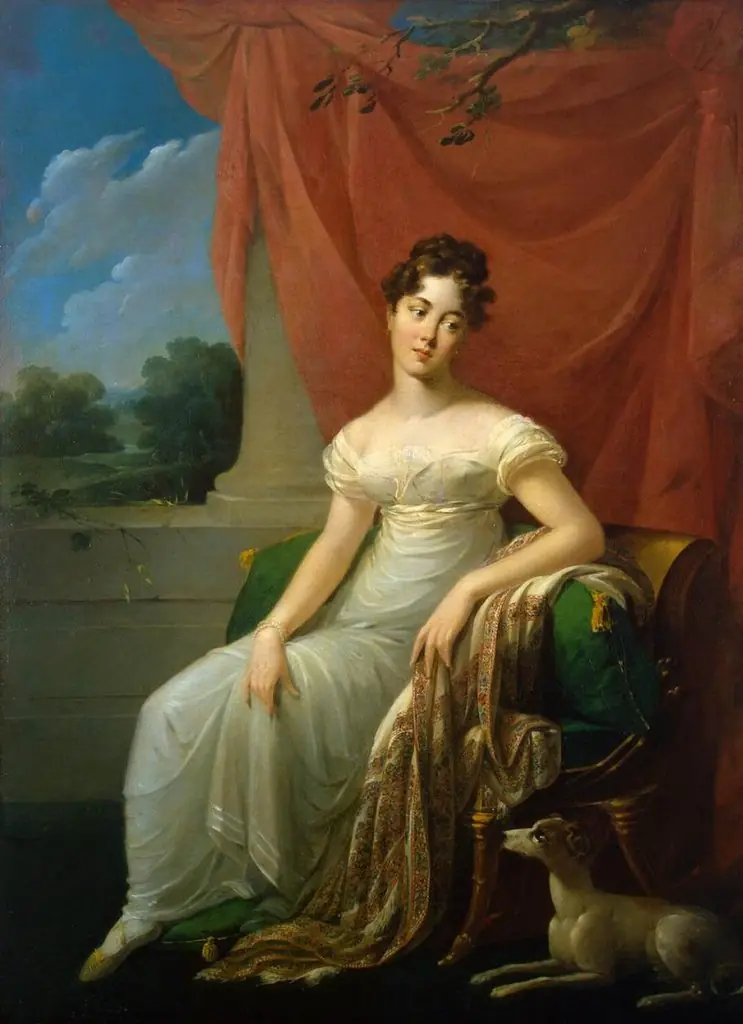 Portrait of Sofia Apraxina
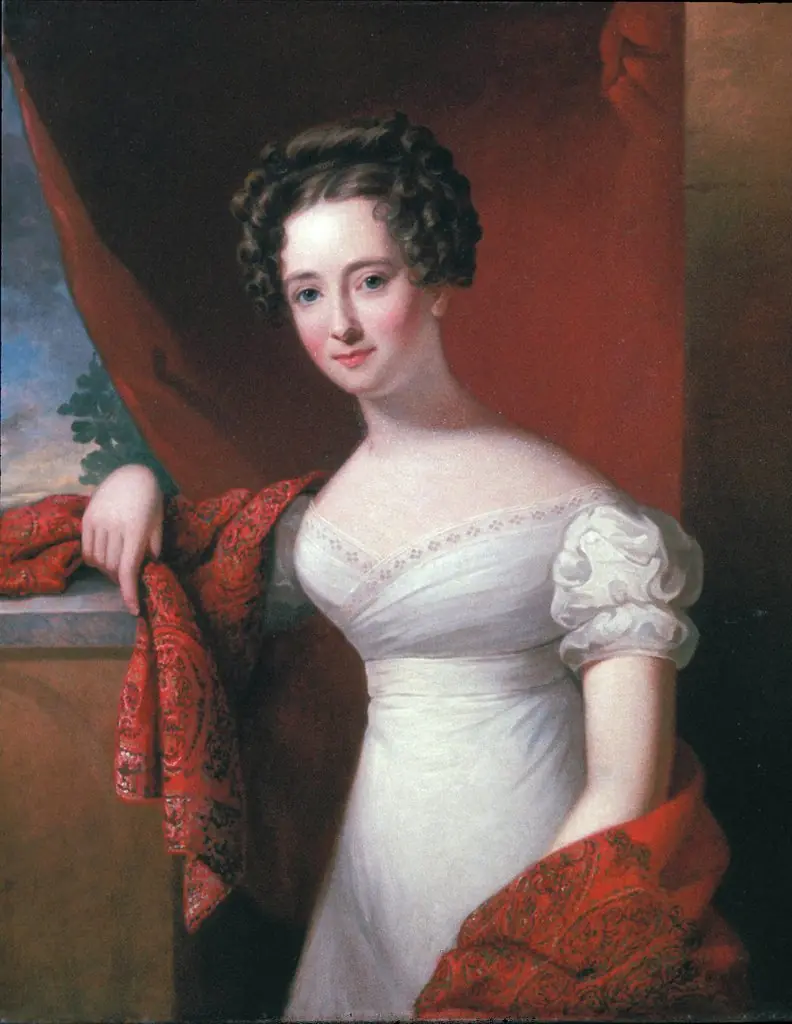 Isabella Hodgkiss Norvell
 Carolina Augusta, soția împăratului austriac Franz I
 Mary Lodge, Bride of Baron Charles-Louis de Keverberg de Kessel