Artwork
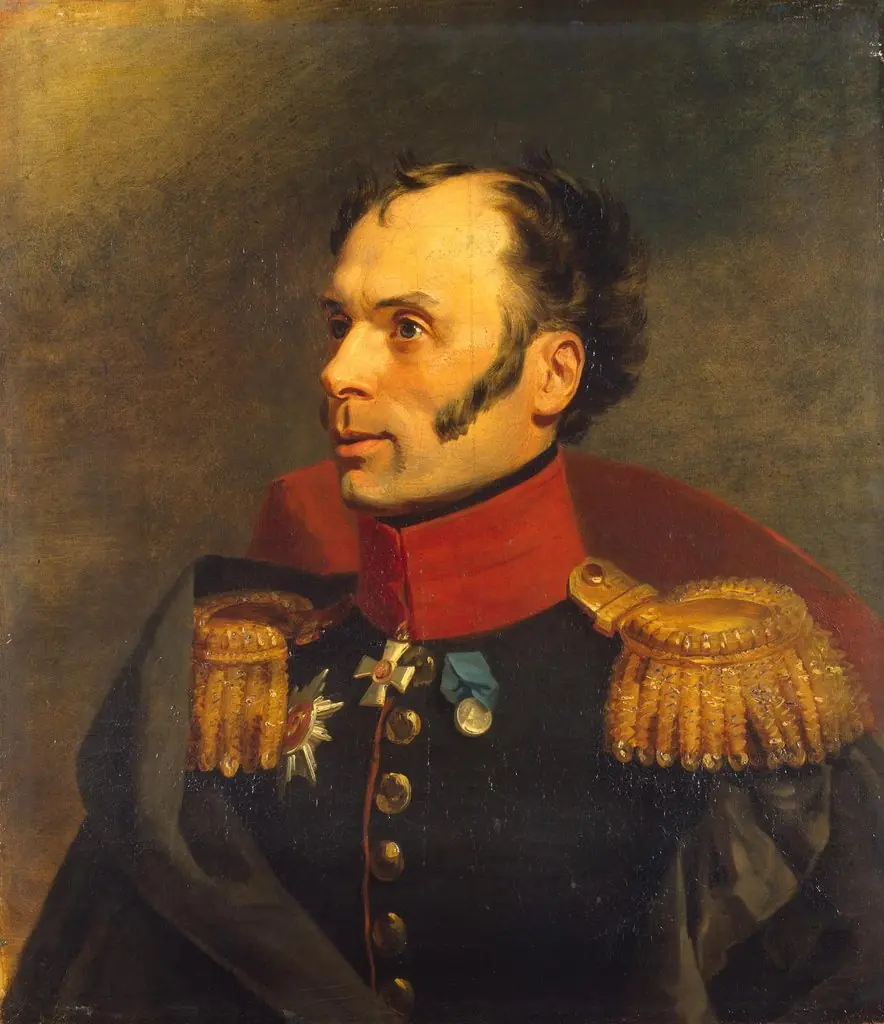
Portrait of Karl I. Bistrom (1770-1838) (1st)
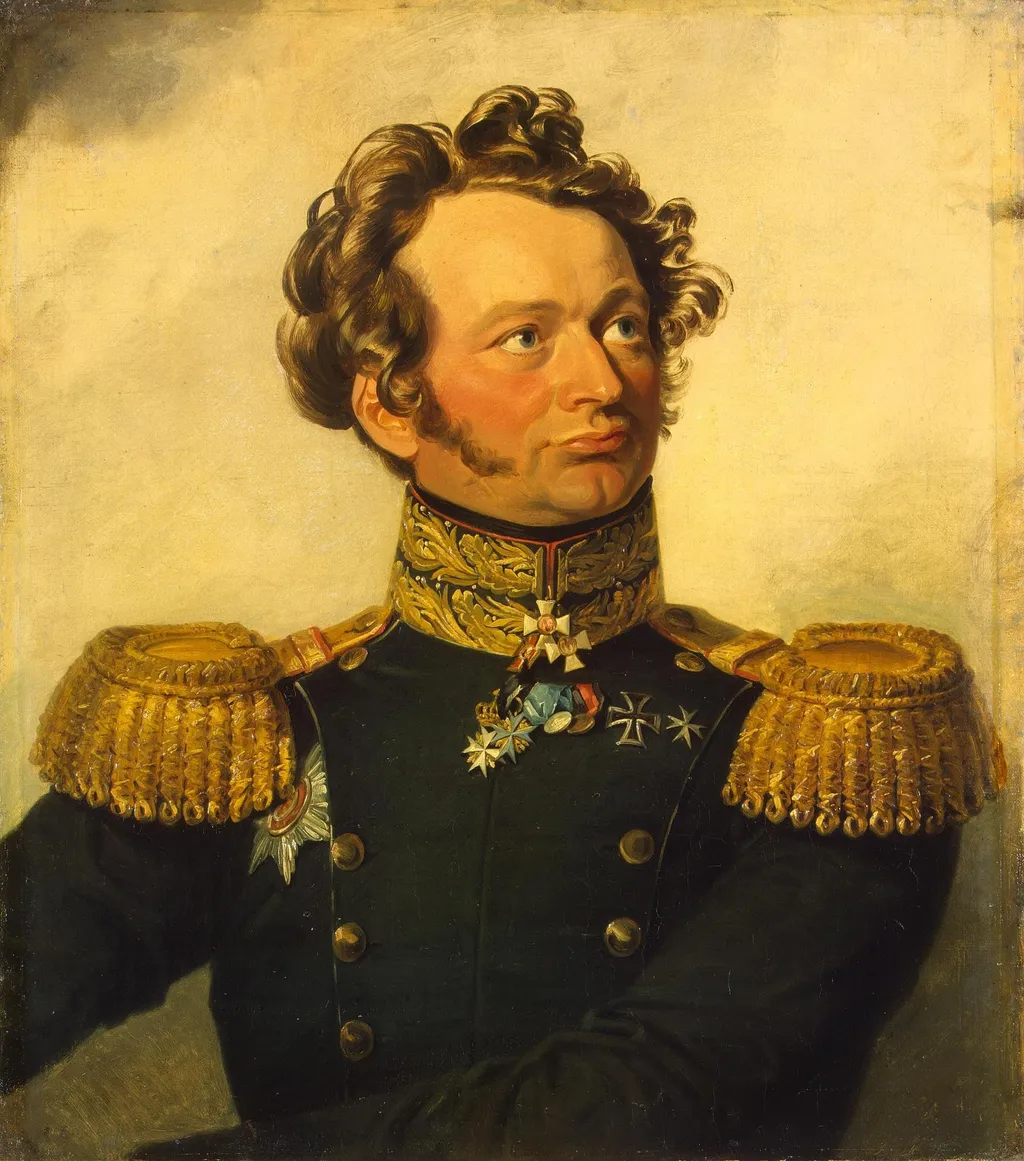
Portrait of Karl I. Bistrom (1770-1838) (1st) is an oil painting by George Dawe. It dates from 1822 and is held in the collection of the Hermitage Museum.
About this work
Overview
George Dawe, an English portrait painter active in the early nineteenth century, executed this oil portrait in 1822. The work depicts Karl I. Bistrom, a military figure of the period, and is now held by the State Hermitage Museum in Saint Petersburg.
Subject & Meaning
The sitter, Karl von Bistram, is shown in full military dress, his curly brown hair framing a composed gaze turned to the right. Gold‑trimmed epaulettes, a high‑collared green jacket, and several medals emphasize his rank and service, while the plain beige backdrop keeps attention on his expression and attire.
Technique & Style
Dawe employs a realistic, highly detailed approach, rendering the textures of fabric, metal, and skin with careful brushwork. The painting’s smooth finish and subtle modeling of light create a three‑dimensional presence, characteristic of portraiture intended to convey both likeness and status.
History & Provenance
After moving to Saint Petersburg in 1819, Dawe produced numerous portraits for Russian patrons. This particular canvas entered the Hermitage’s collection, where it remains part of the museum’s holdings of early‑nineteenth‑century European portraiture.
Context
Dawe came from an artistic family; his father, Philip Dawe, was a noted mezzotint engraver, and his brother Henry Edward Dawe also pursued portrait painting. The portrait reflects the cross‑cultural artistic exchange between Britain and Russia during the post‑Napoleonic era, when many foreign artists were commissioned by the Russian elite.
Own this work as a print
Artist & collection
Artist
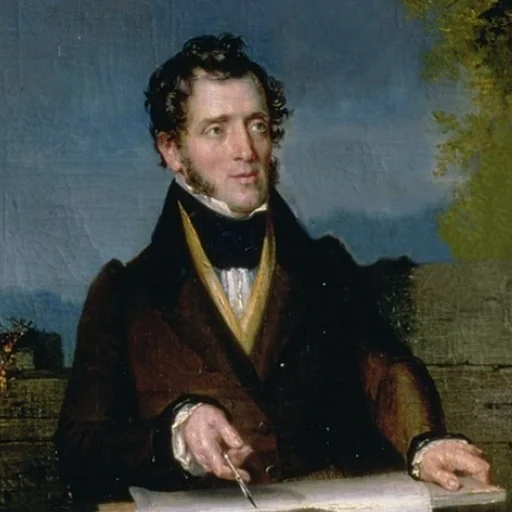
George Dawe (6 February 1781 – 15 October 1829) was an English portraitist who painted 329 portraits of Russian generals active during Napoleon's invasion of Russia for the Military Gallery of the Winter Palace.

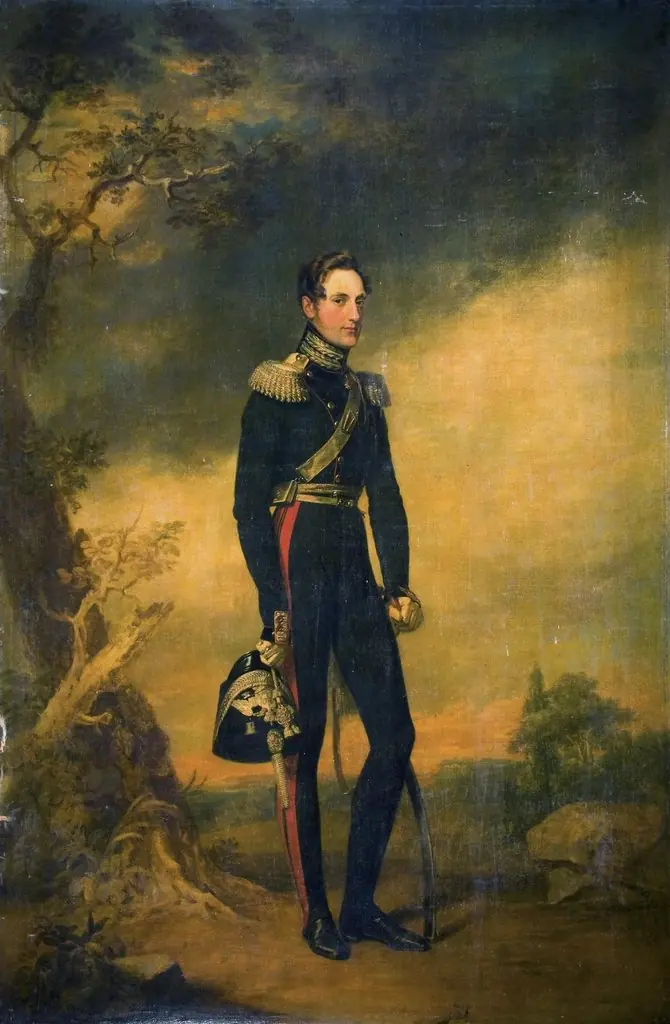 Portrait of Grand Duke Nikolai Pavlovich
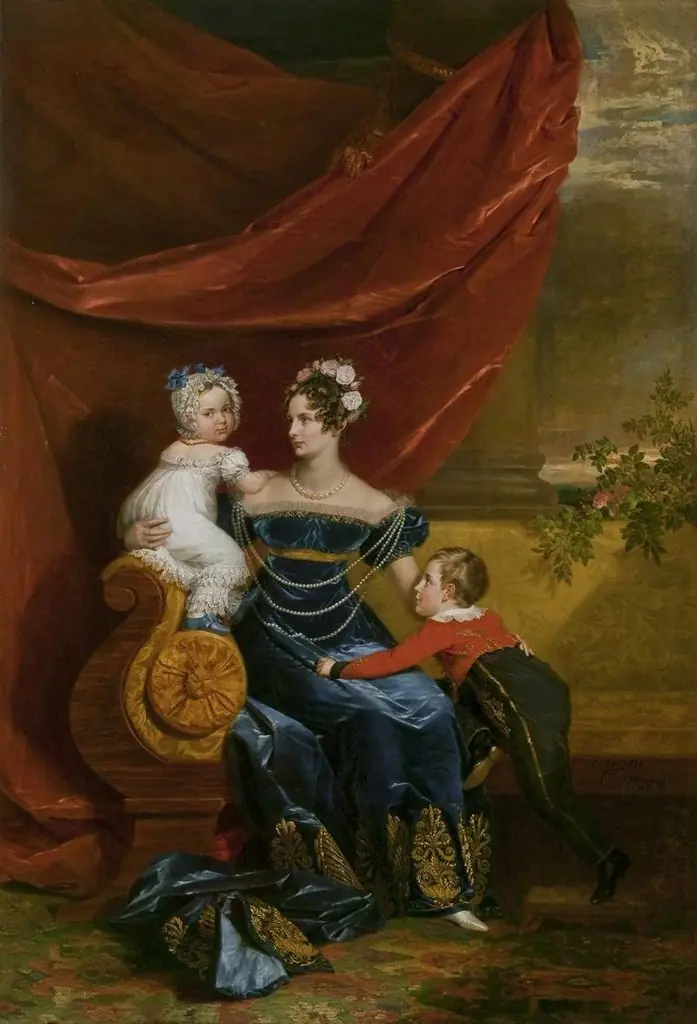 Portrait of Grand Duchess Alexandra Fiodorovna with Children
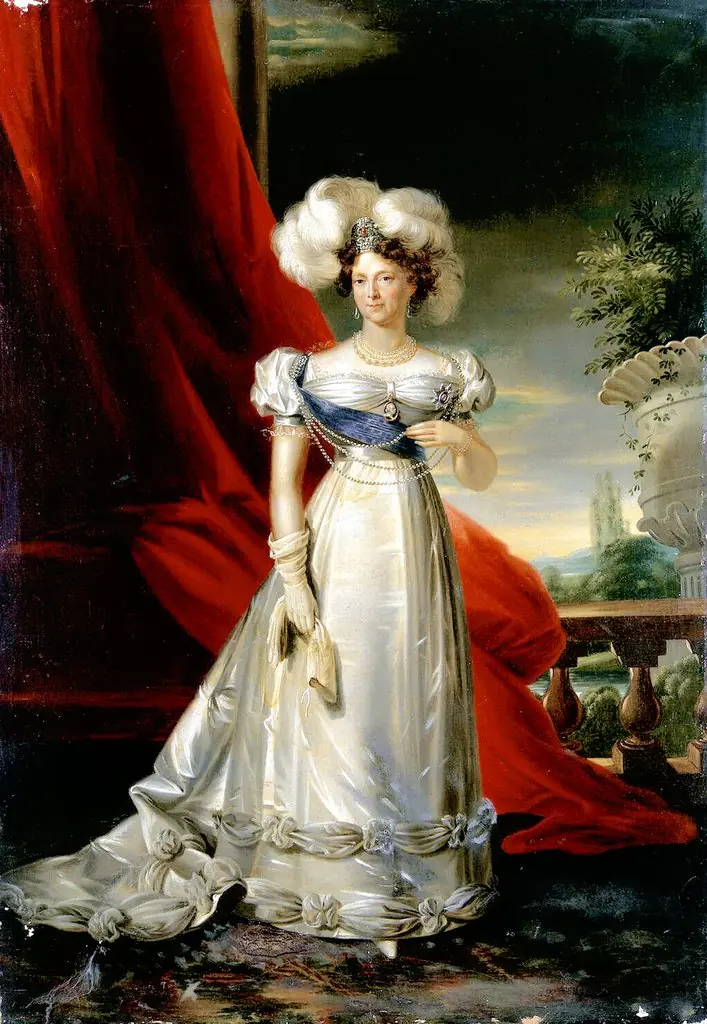 Portrait of the Empress Dowager Maria Feodorovna
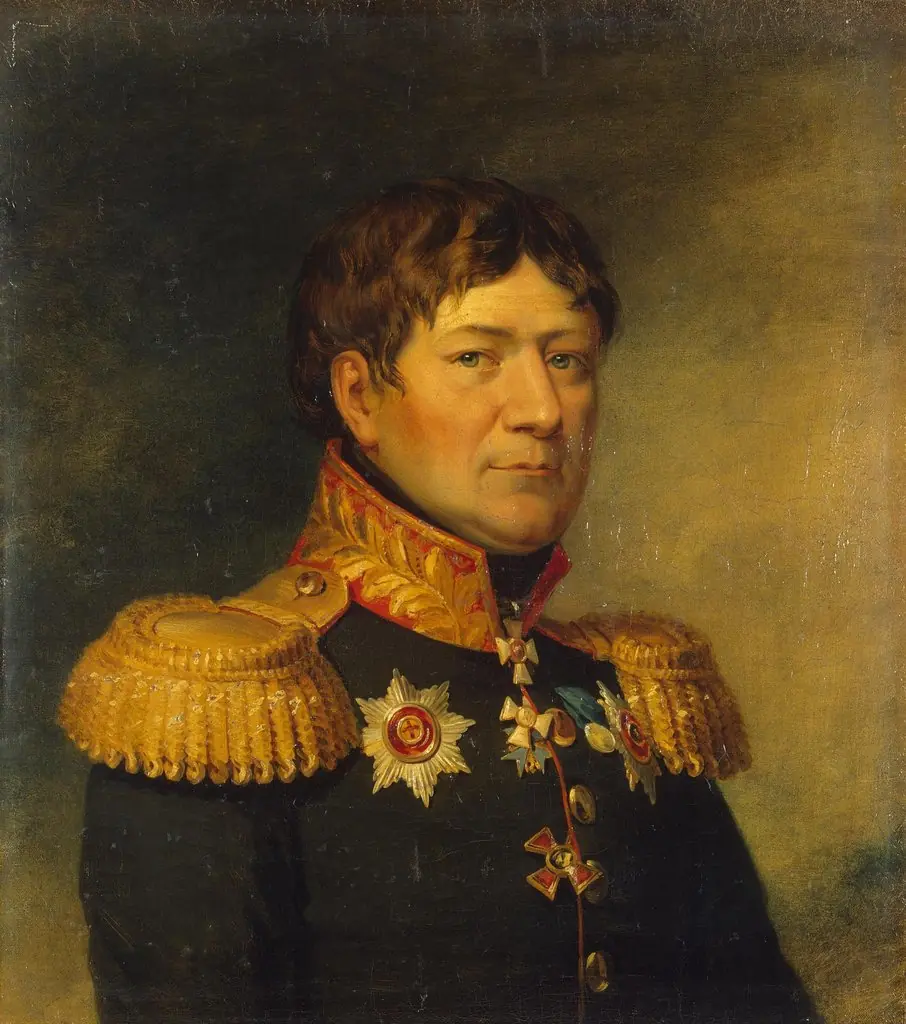 Portrait of Yegor M. Pillar (1767-1830)
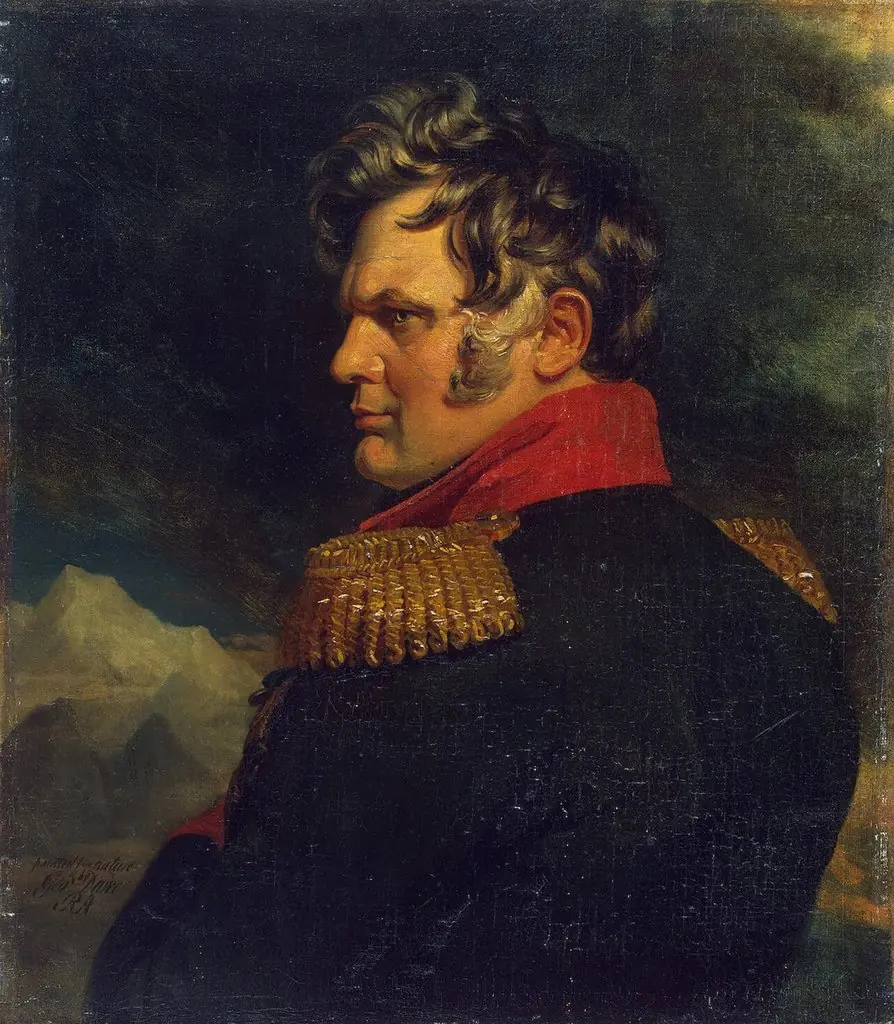 Portrait of Alexei P. Yermolov (1772/77-1861)
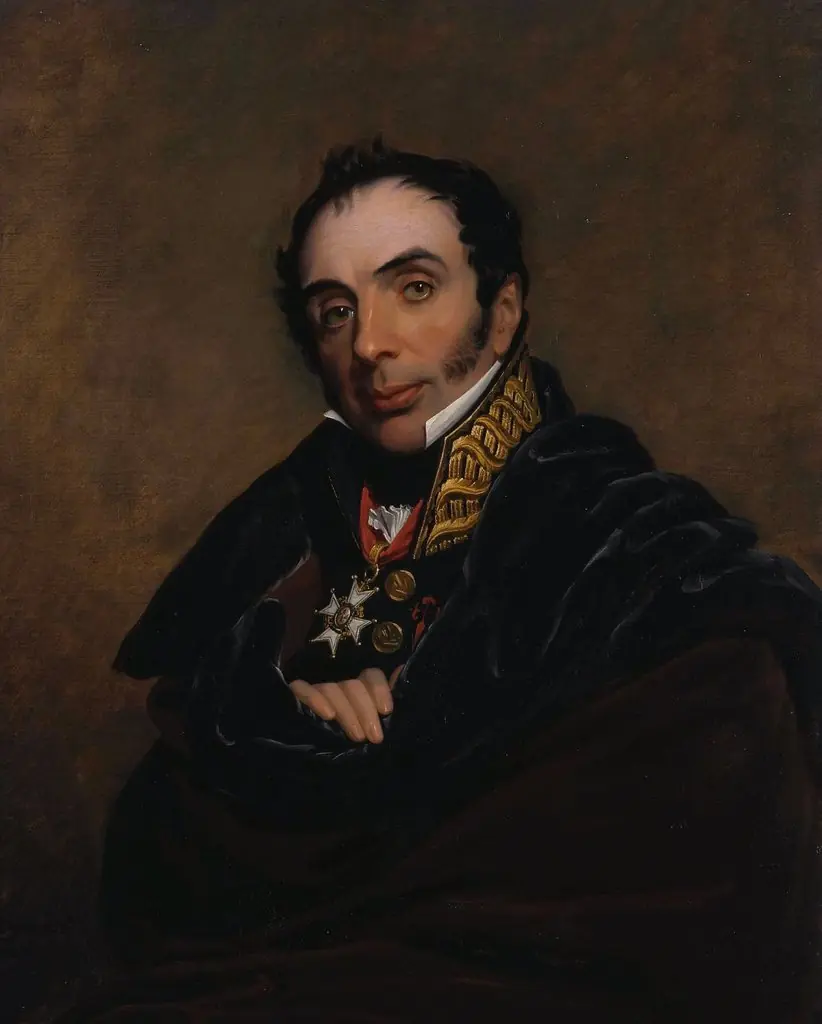 Portrait of Miguel Ricardo de Alava
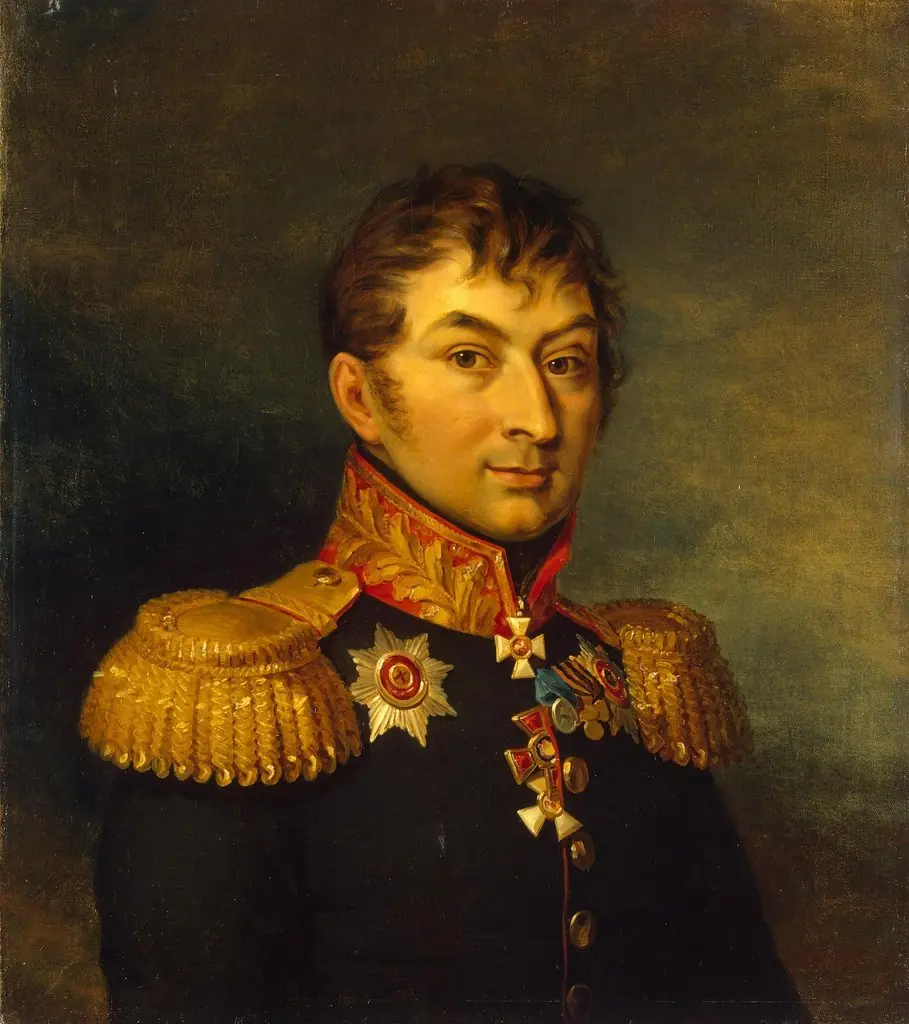 Portrait of Ivan D. Panchulidzev (1759-1815) (1st)
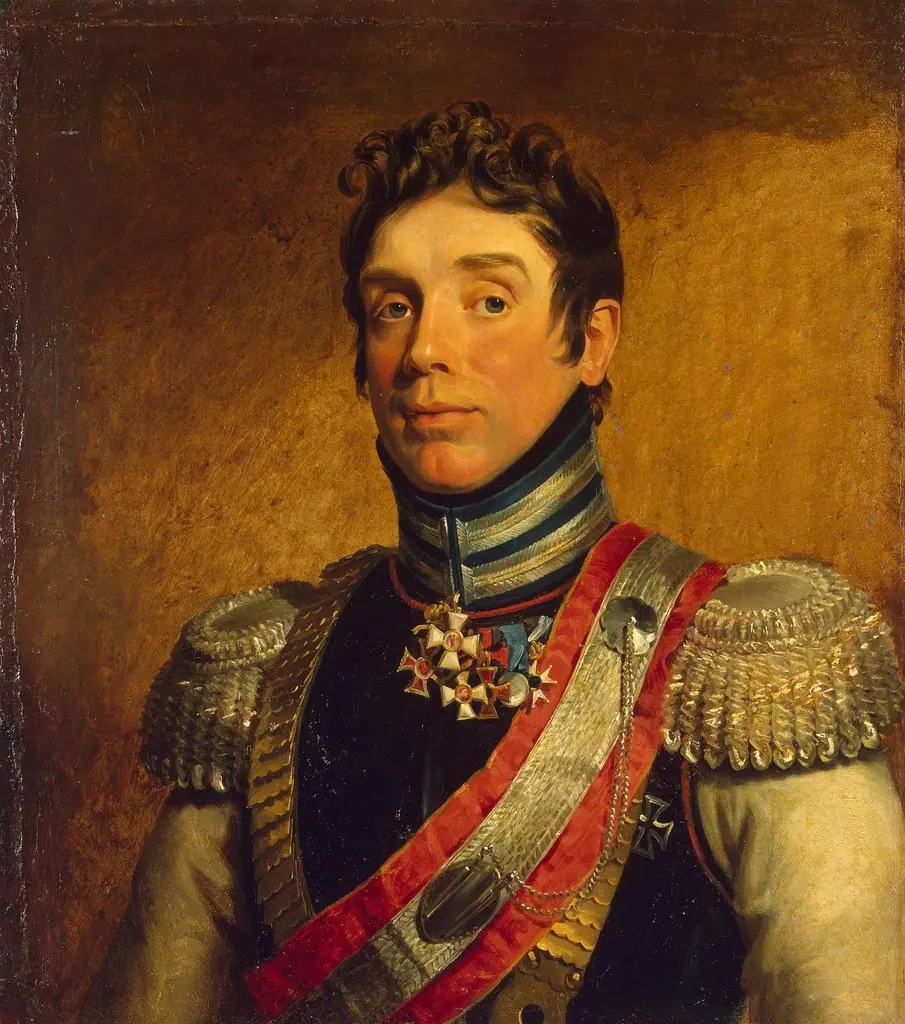 Portrait of Karl V. Budberg (1774-1829)
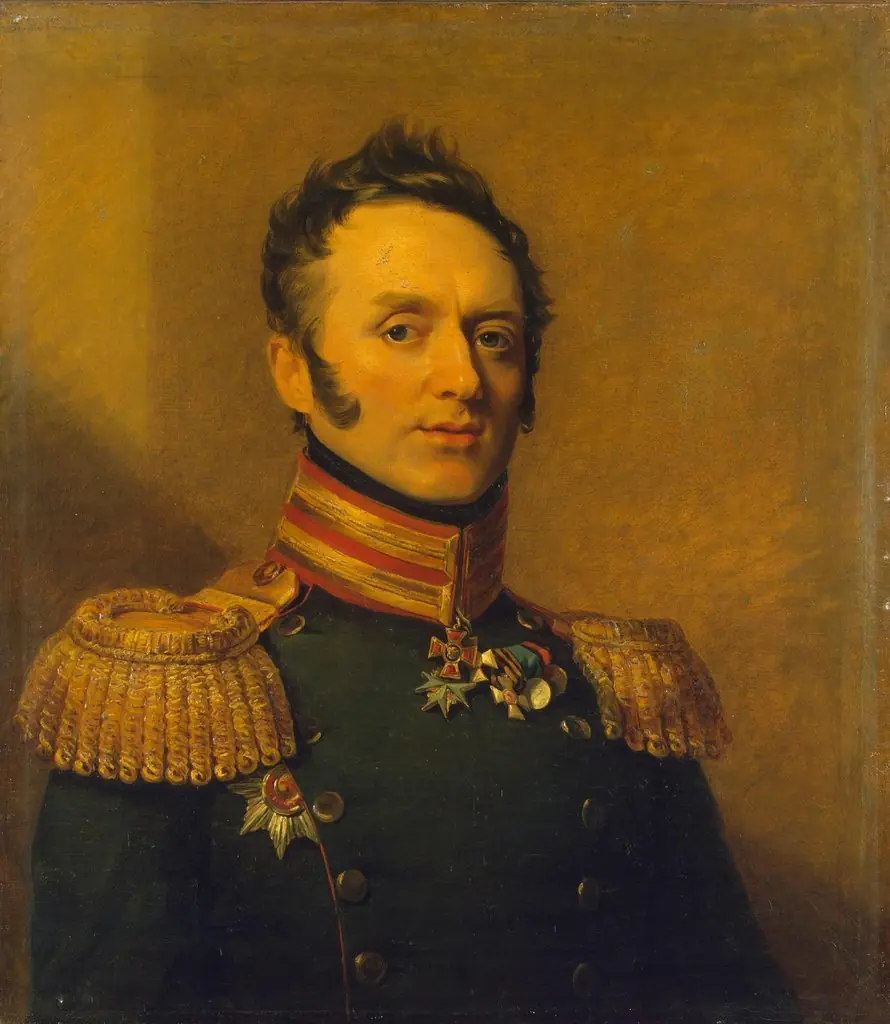 Portrait of Ivan F. Udom (1769-1821) (1st)
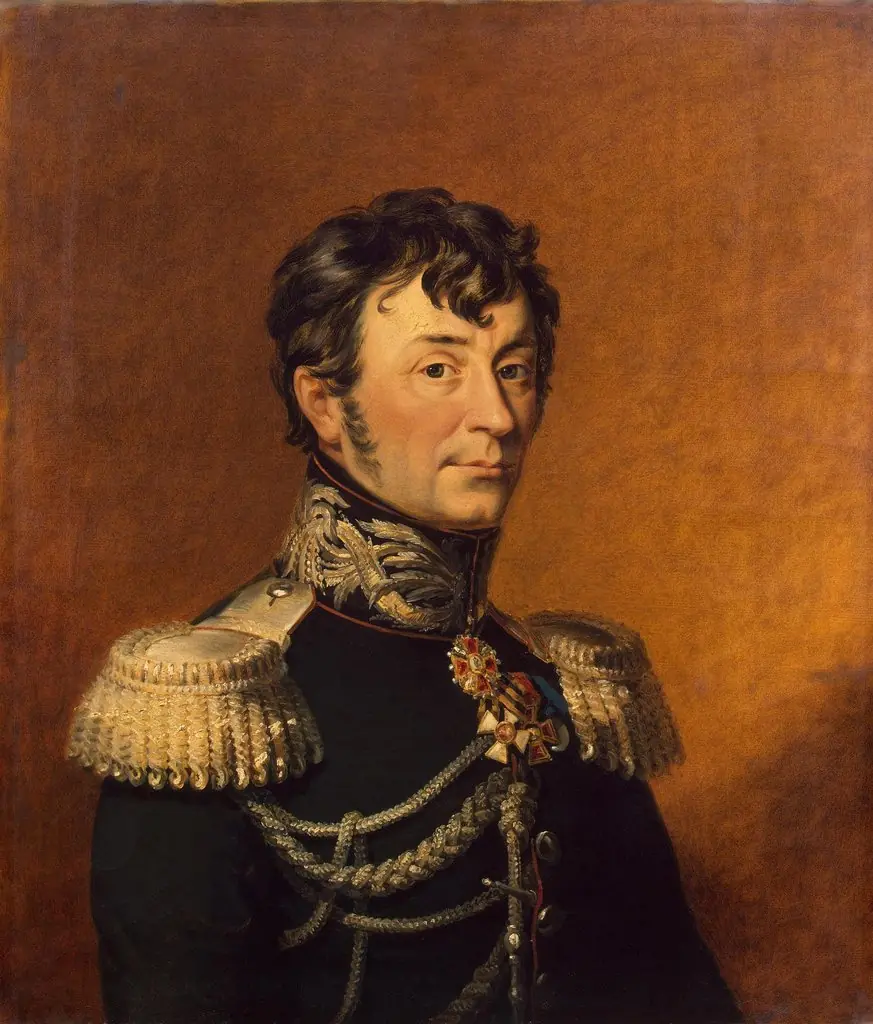 Portrait of Karl Klodt von Jurgensburg (1765-1822)
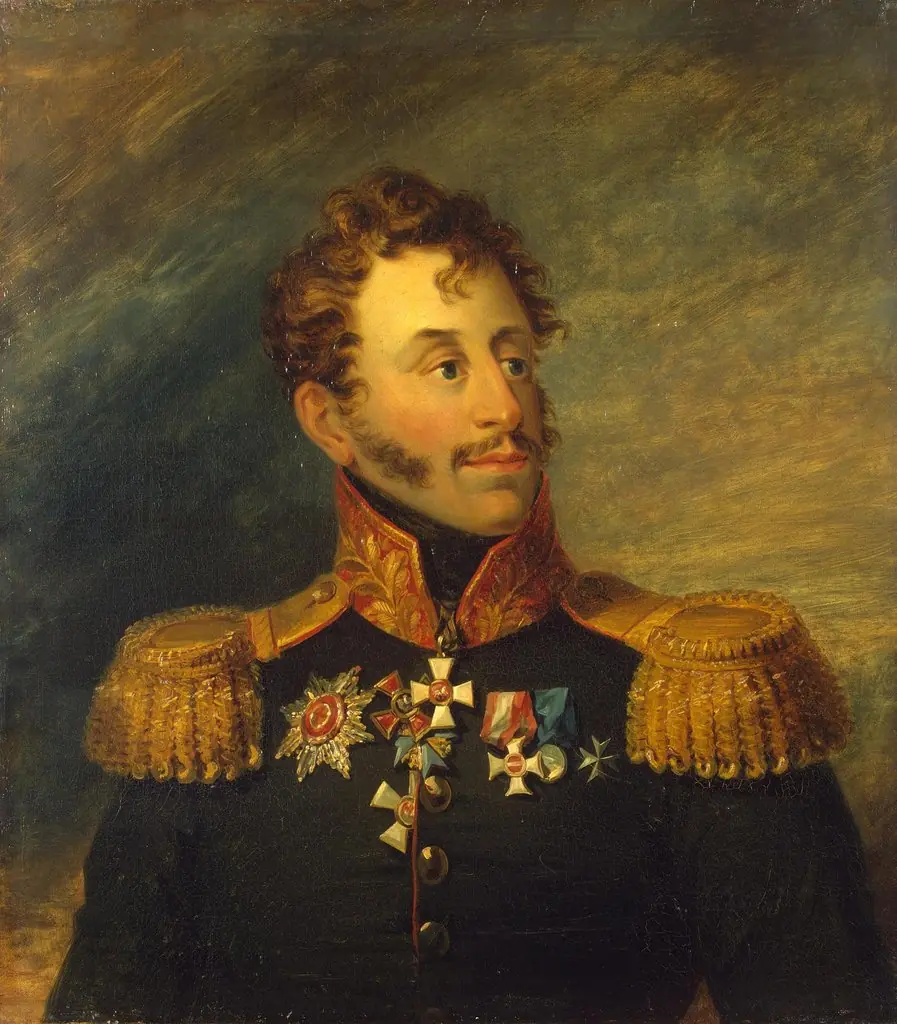 Portrait of Karl B. von Knorring (1774-1817) (3rd)
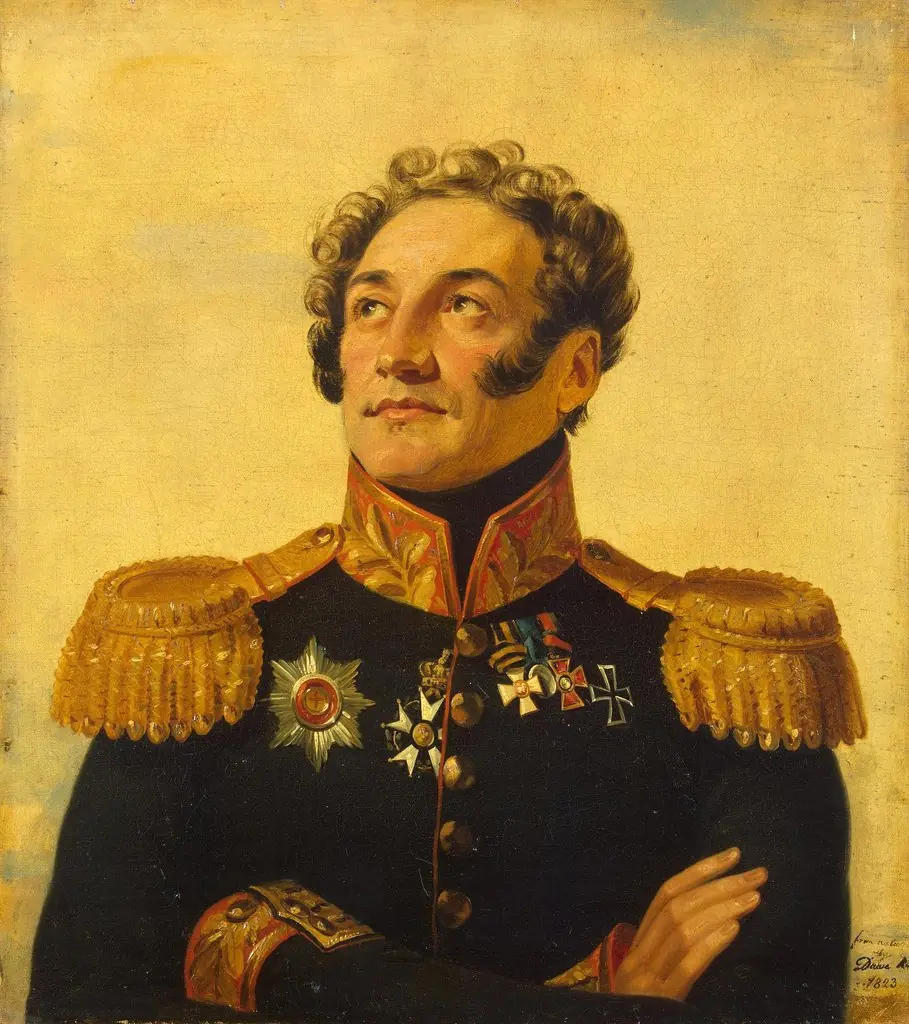 Portrait of Platon I. Kablukov (1781-1835) (1st)
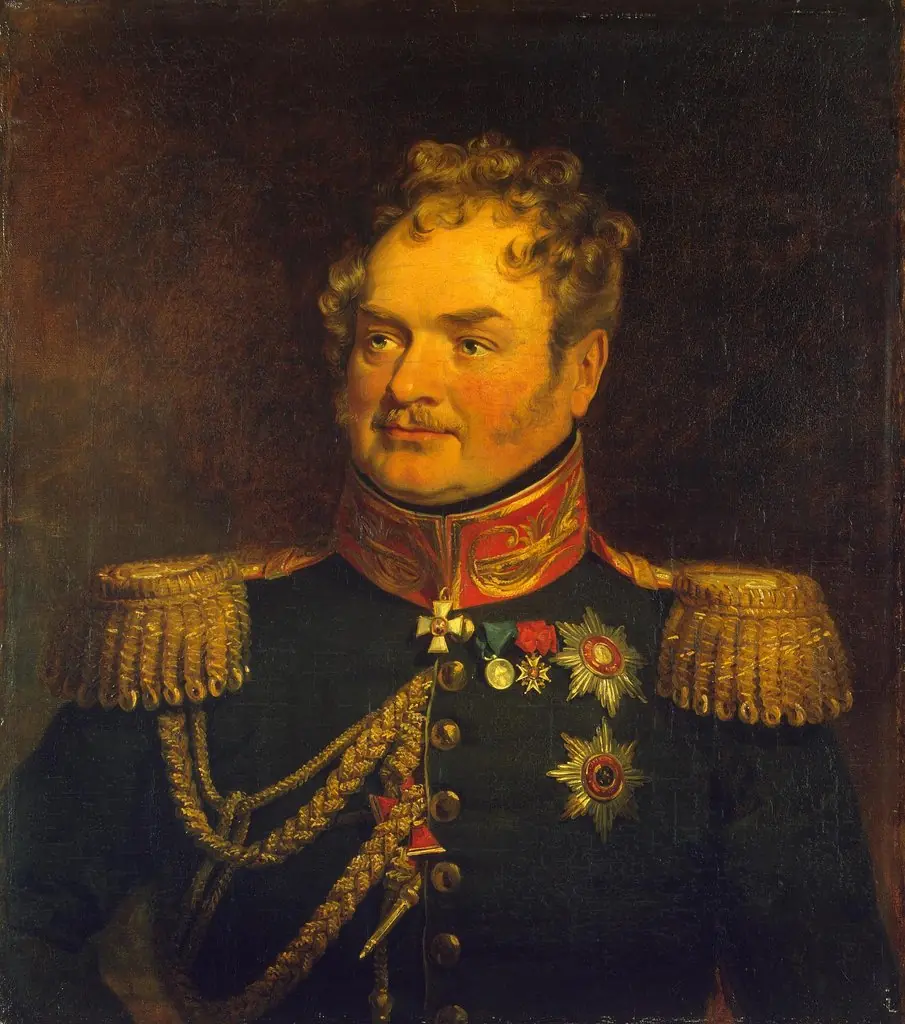 Portrait of Karl O. (Charles de) Lambert (1772-1843)
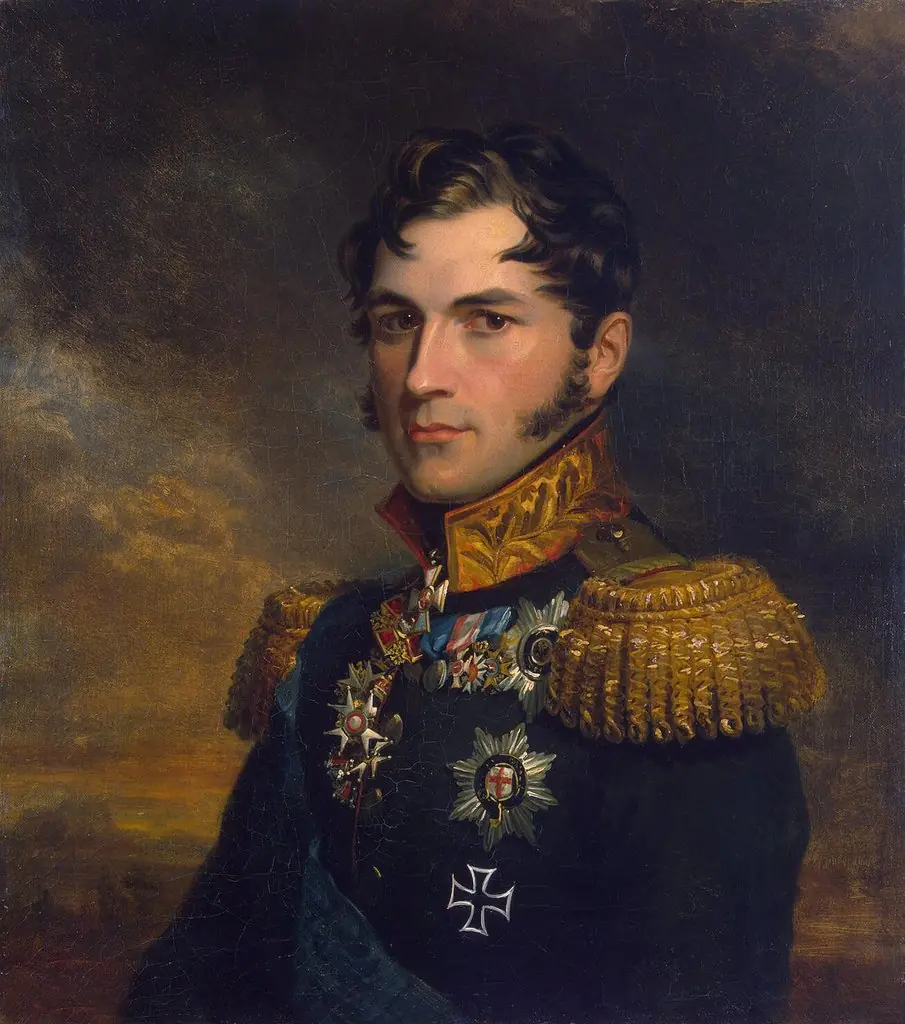 Portrait of Leopold, Prince of Saxe-Coburg (1790-1865)
 Portrait of Pavel I. Neudhardt (1779-1850)