Artwork
Portrait of Nikolai A. Tuchkov (1765-1812) (1st)
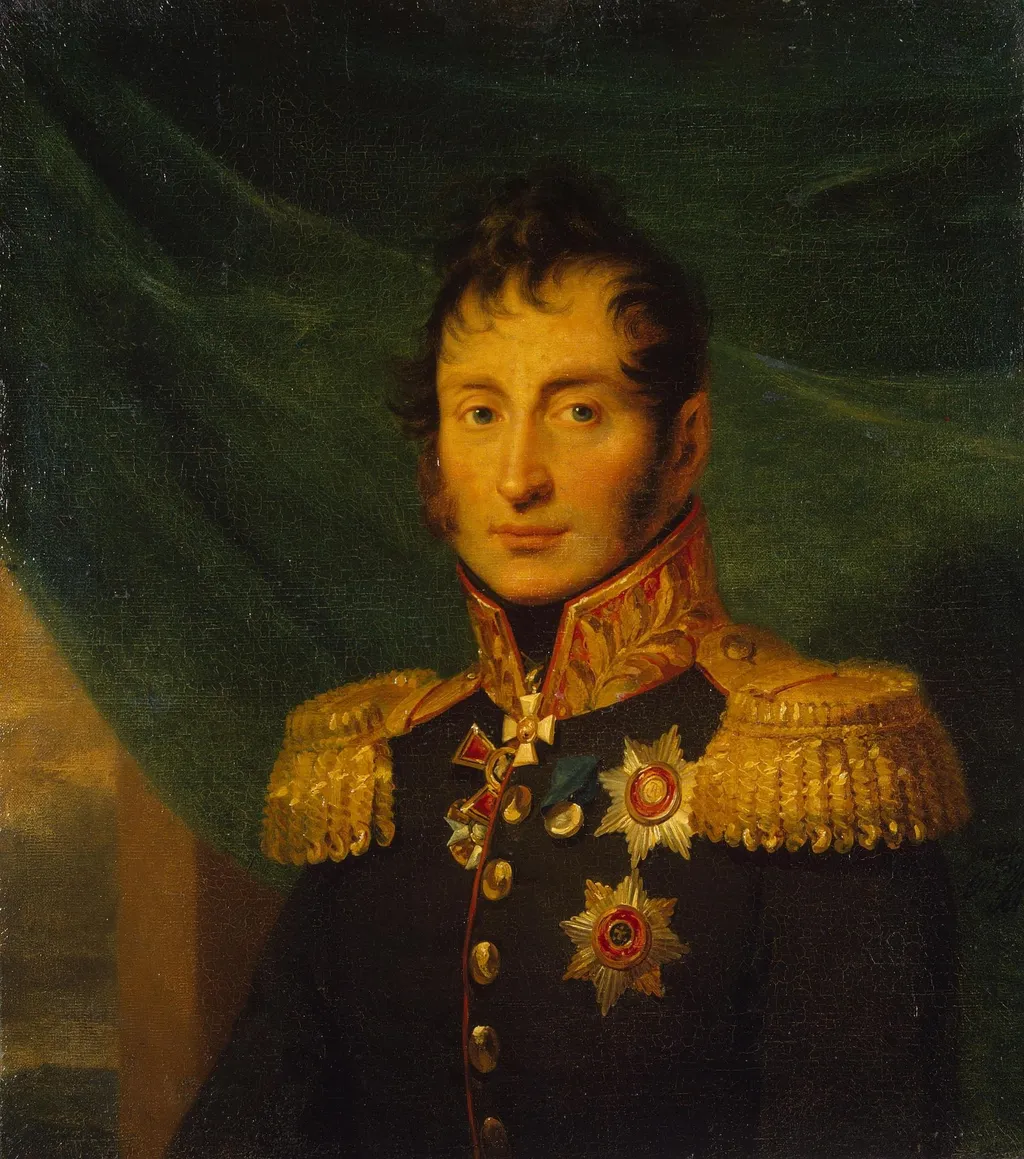
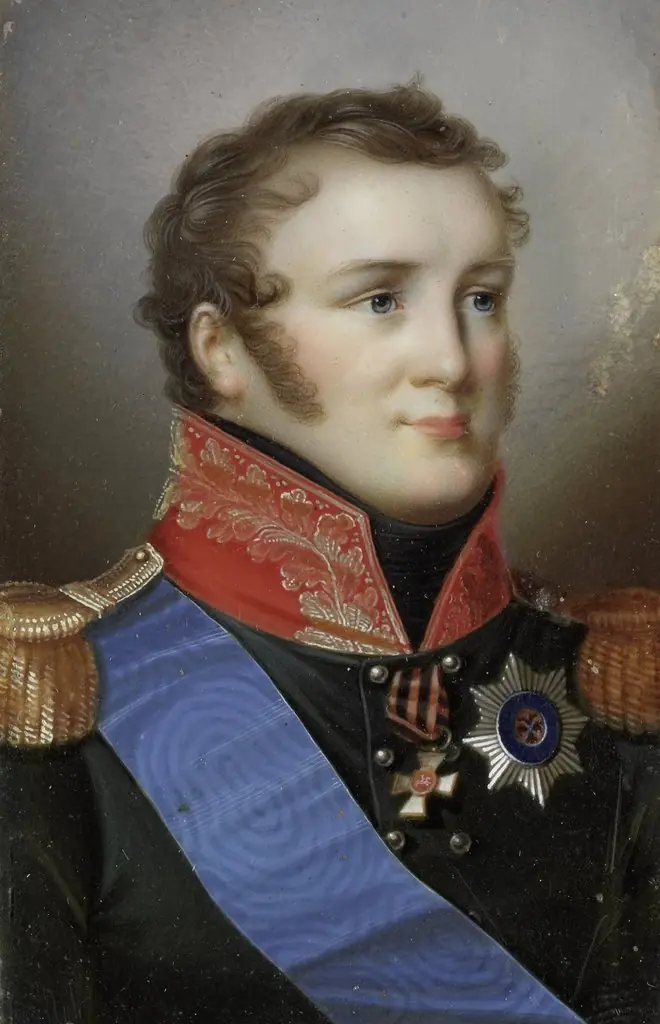
Portrait of Nikolai A. Tuchkov (1765-1812) (1st) is an oil painting by George Dawe. It dates from 1822 and is held in the collection of the Hermitage Museum.
About this work
Overview
Dawe, who relocated to Saint Petersburg in 1819, was commissioned to document military figures of the Napoleonic Wars.
Painted in 1822 by the English artist George Dawe, this portrait captures Russian general Nikolai A. Tuchkov during his later years. Dawe, who relocated to Saint Petersburg in 1819, was commissioned to document military figures of the Napoleonic Wars. The work belongs to a series of portraits commissioned for the Military Gallery of the Winter Palace, now part of the State Hermitage Museum’s permanent collection.
Subject & Meaning
Nikolai Tuchkov was a decorated officer who commanded troops during Russia’s defense against Napoleon’s 1812 invasion. The portrait emphasizes his rank and service through precise rendering of military regalia, including gold-embroidered uniform and multiple medals. His composed expression and direct gaze convey authority and solemn duty, reflecting the cultural ideal of the disciplined Russian officer in the post-war era.
Technique & Style
Dawe employed a restrained, neoclassical approach with soft chiaroscuro to model Tuchkov’s face, avoiding dramatic contrasts in favor of quiet realism. The dark, unadorned background isolates the figure, directing attention to the intricate details of his uniform and insignia. Brushwork is precise yet unobtrusive, prioritizing clarity and dignity over ornamental flourish, consistent with official portraiture of the period.
History & Provenance
Commissioned by Tsar Alexander I, the portrait was one of over 300 works created by Dawe for the Military Gallery, intended to honor Russian commanders of the Napoleonic campaigns. It entered the Hermitage’s collection upon completion and has remained there since. Dawe’s role as a foreign artist entrusted with this national project underscores the Tsar’s openness to international talent in service of imperial memory.
Context
In the 1820s, Russia sought to consolidate its identity following the Napoleonic Wars through visual commemoration. Dawe’s portraits, including this one, formed part of a state-sponsored effort to immortalize military leadership. The emphasis on uniform and medalry aligned with broader European trends in official portraiture, where attire functioned as a visual language of rank and service.
Legacy
Dawe’s series remains one of the most comprehensive visual records of Russian military leadership from the early 19th century. While his style was later viewed as conventional, the portraits serve as vital historical documents. Tuchkov’s likeness, preserved in the Hermitage, continues to inform scholarly understanding of Russian military culture and the role of art in state commemoration.
Own this work as a print
Artist & collection
Artist
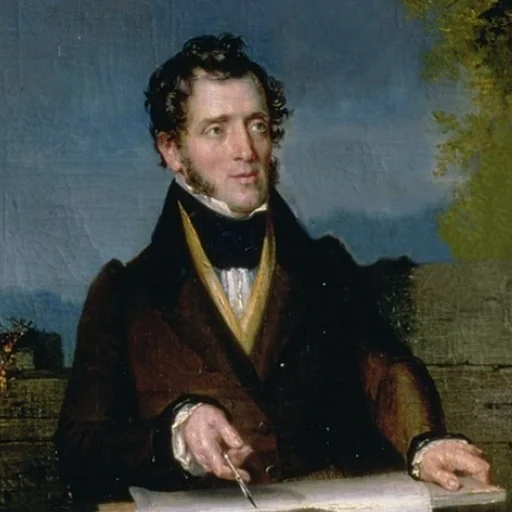
George Dawe (6 February 1781 – 15 October 1829) was an English portraitist who painted 329 portraits of Russian generals active during Napoleon's invasion of Russia for the Military Gallery of the Winter Palace.

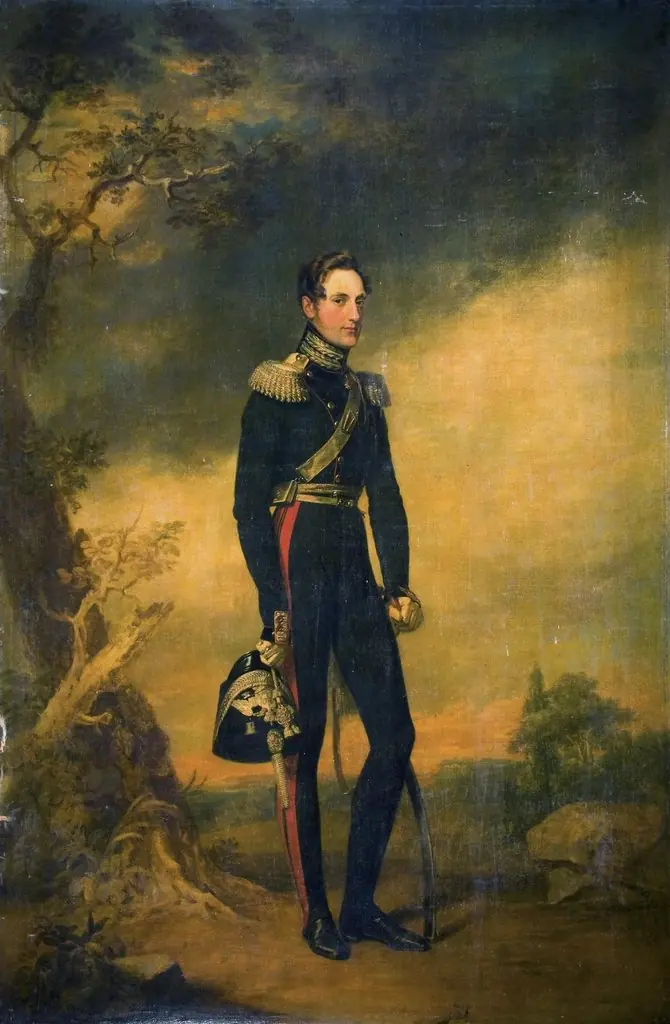 Portrait of Grand Duke Nikolai Pavlovich
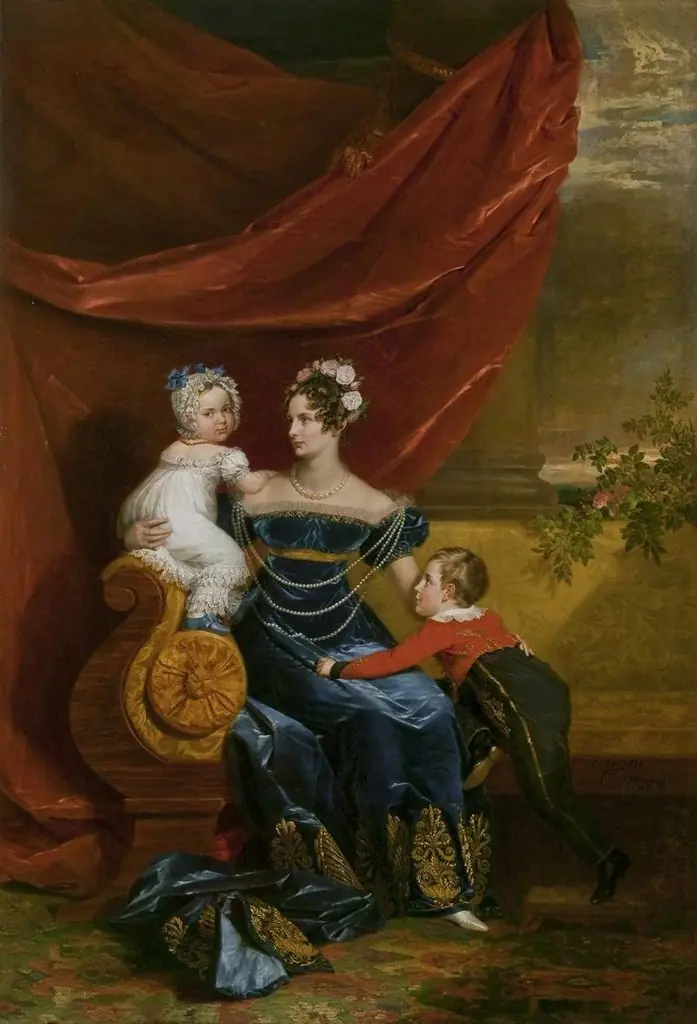 Portrait of Grand Duchess Alexandra Fiodorovna with Children
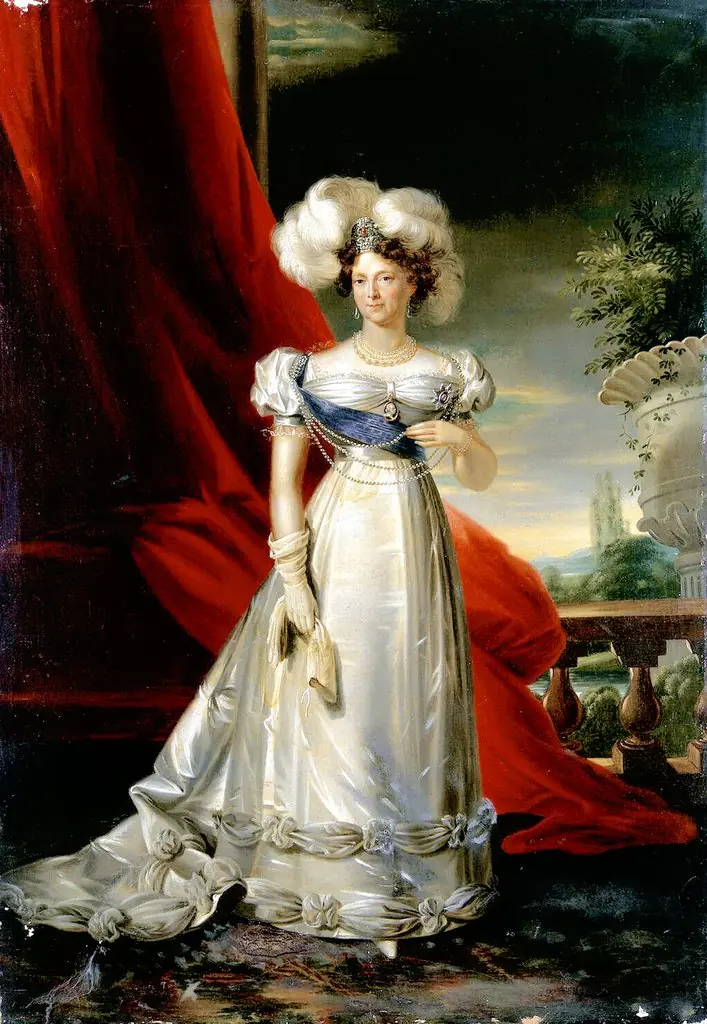 Portrait of the Empress Dowager Maria Feodorovna
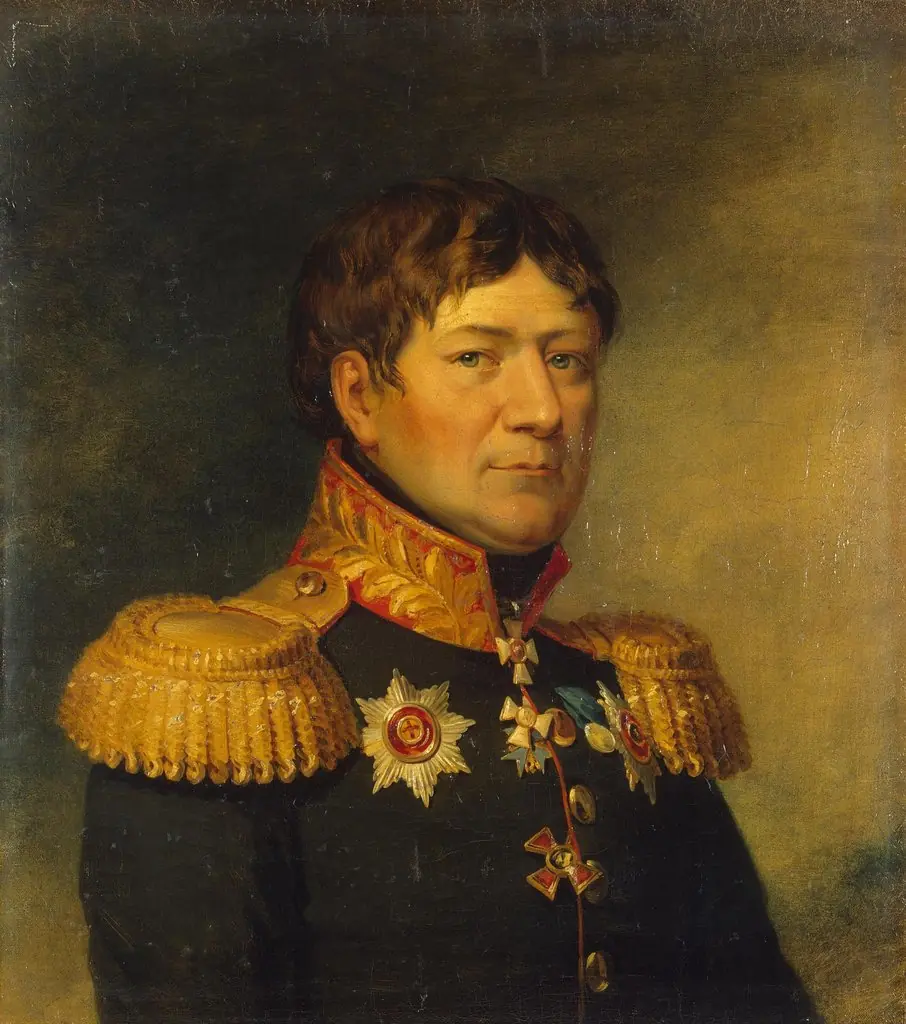 Portrait of Yegor M. Pillar (1767-1830)
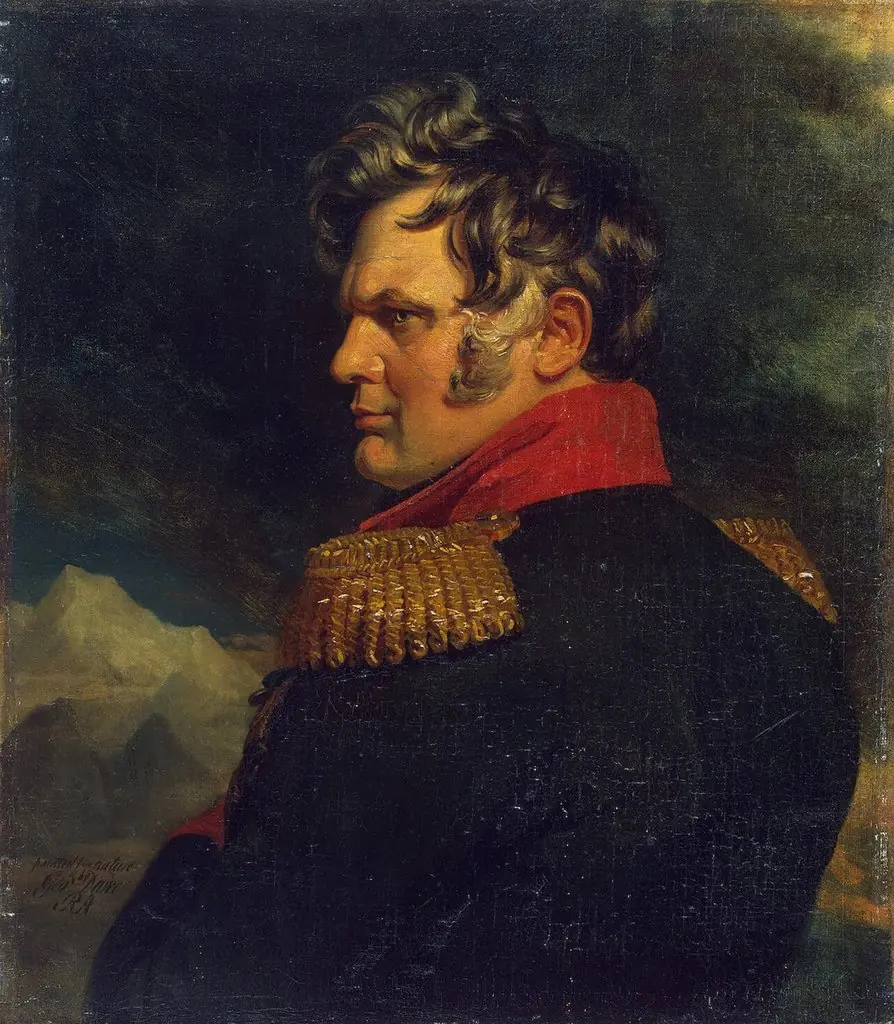 Portrait of Alexei P. Yermolov (1772/77-1861)
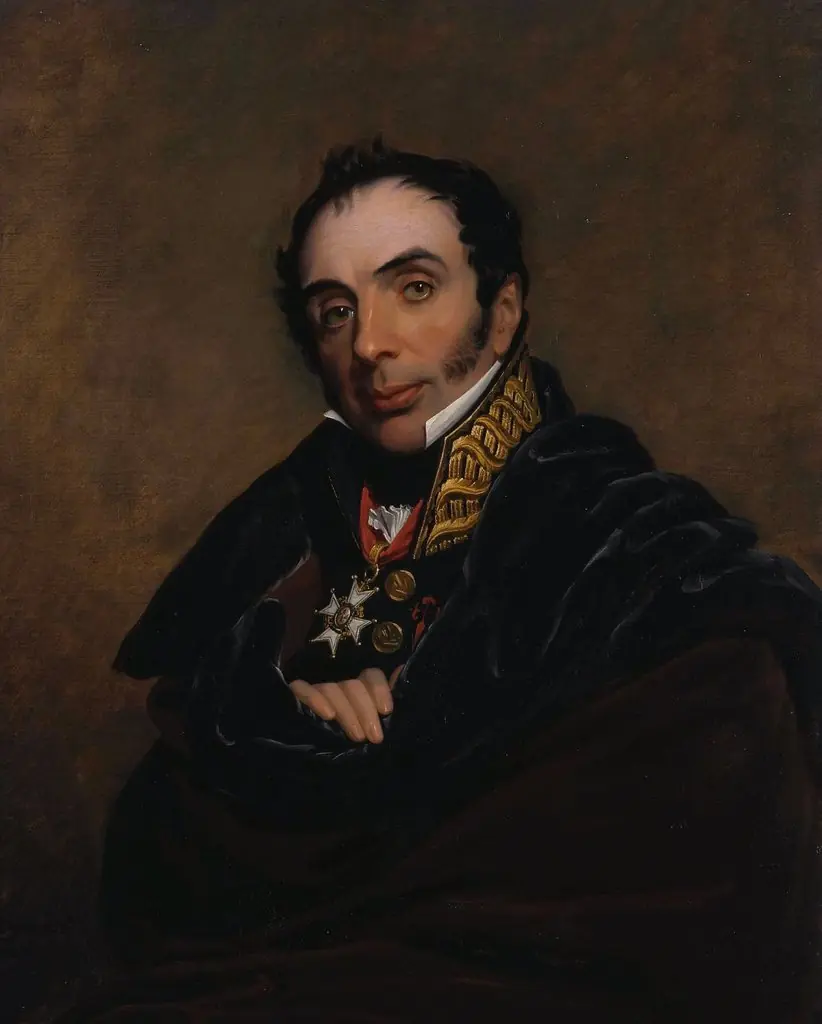 Portrait of Miguel Ricardo de Alava
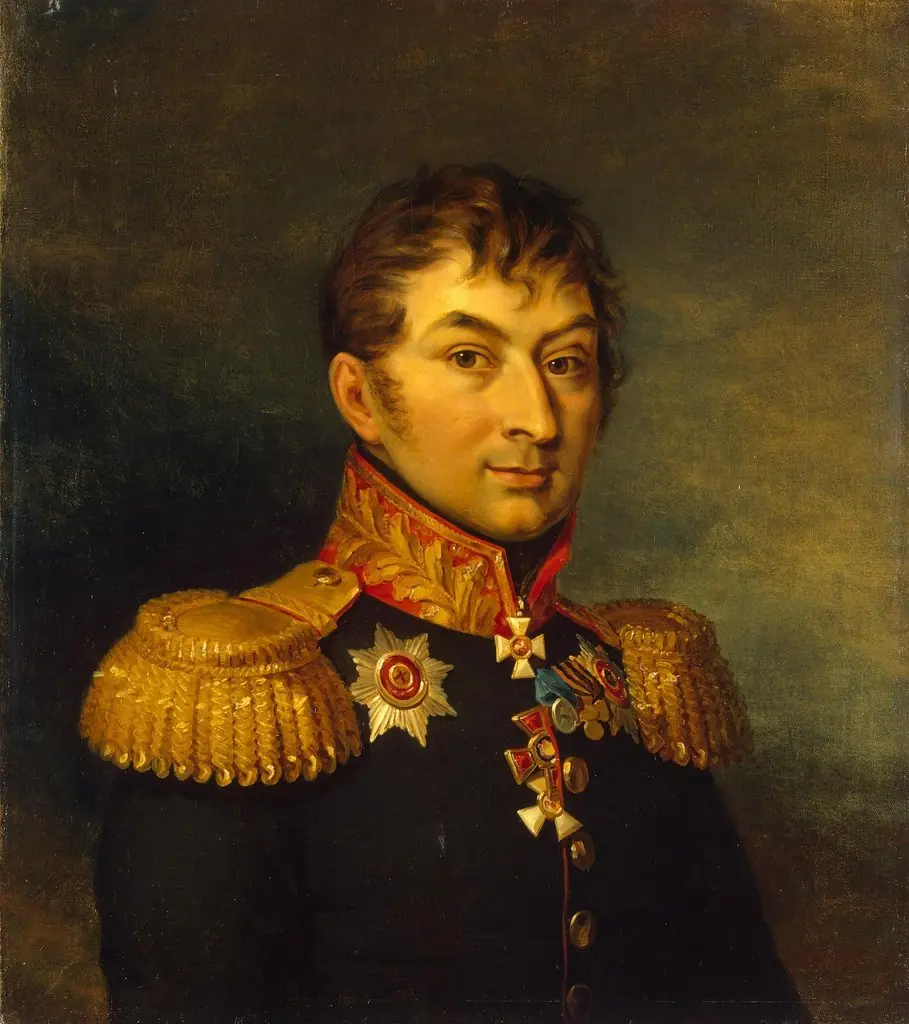 Portrait of Ivan D. Panchulidzev (1759-1815) (1st)
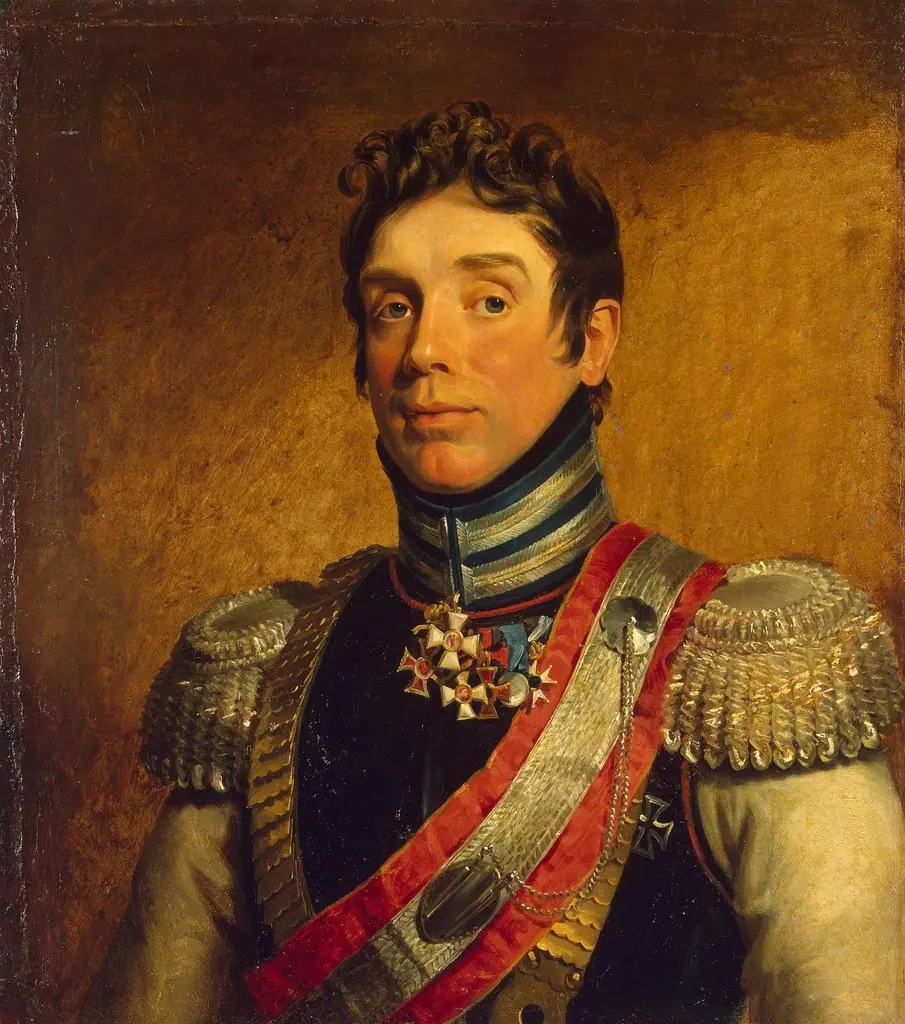 Portrait of Karl V. Budberg (1774-1829)
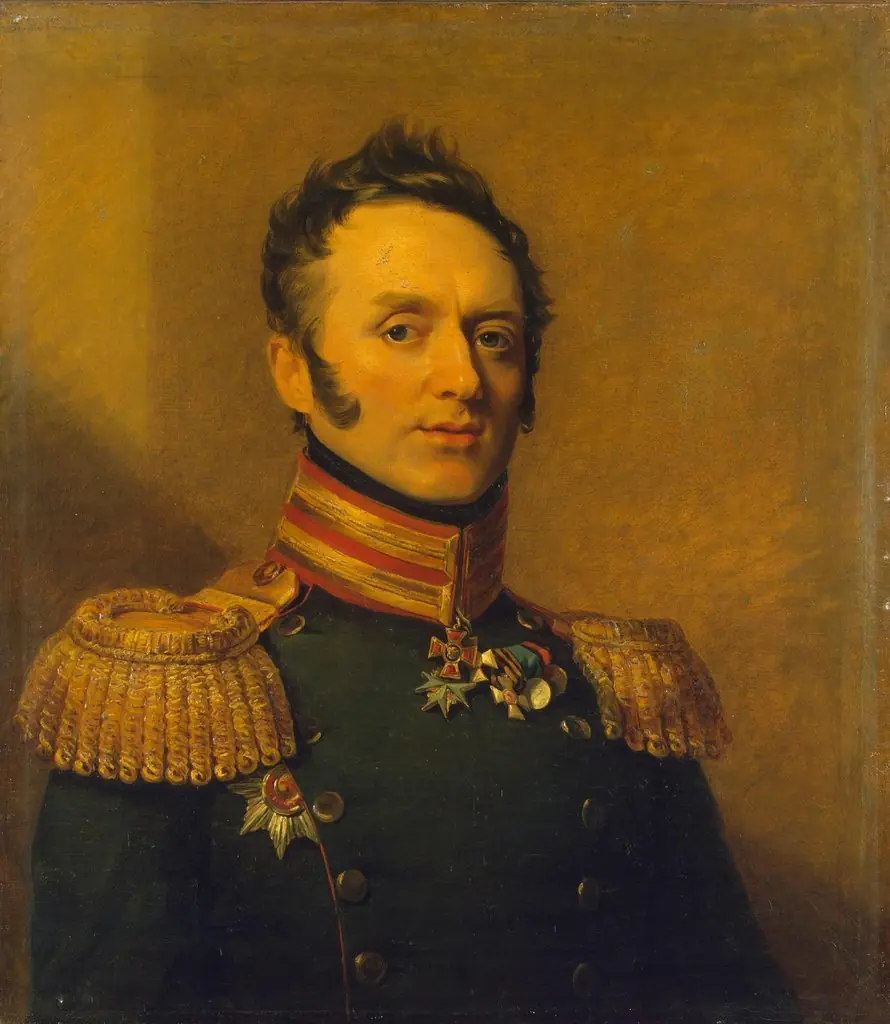 Portrait of Ivan F. Udom (1769-1821) (1st)
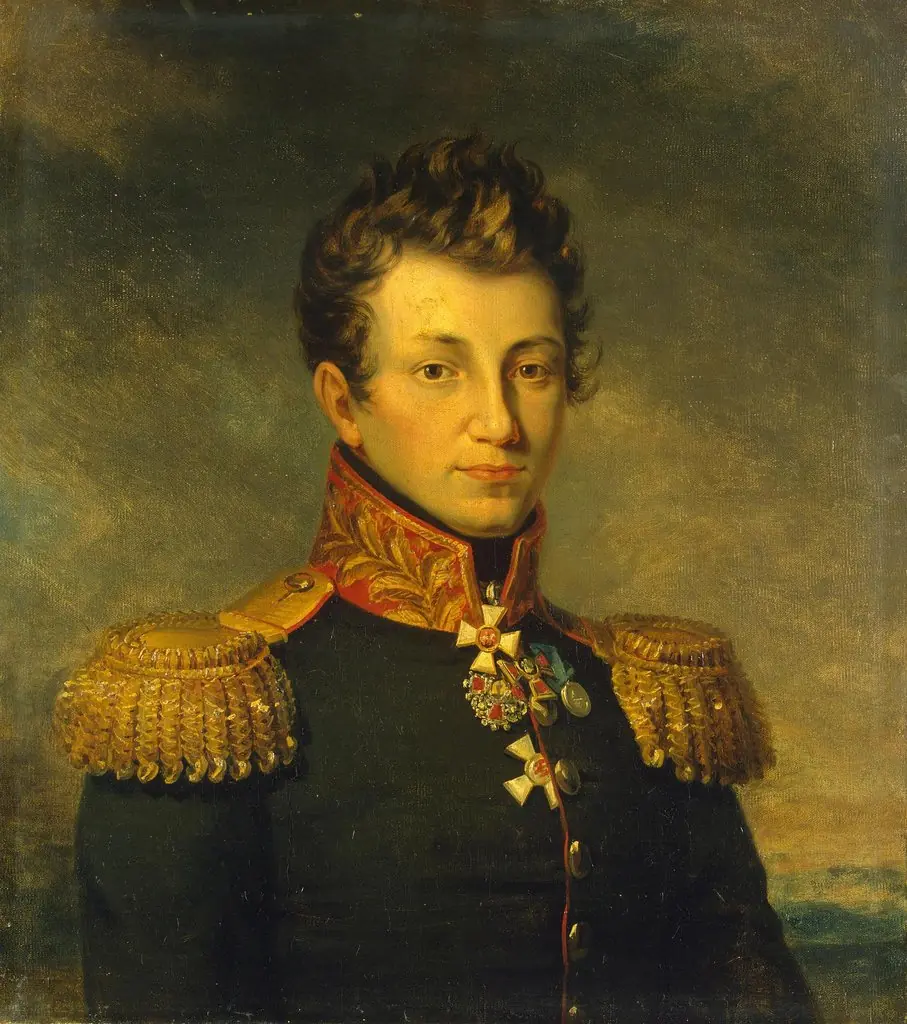 Portrait of Nikolai D. Myakinin (1787-1814)
 Portrait of Alexander A. Tuchkov (1777/78-1812) (4th)
 Portrait of Mikhail A. Miloradovich (1771-1825)
 Portrait of Ivan Ye. Shevich (1754-1813)
 Portrait of Pyotr G. Likhachov (1758-1813)
 Portrait of Alexander I Romanov (1777-1825)