Artwork
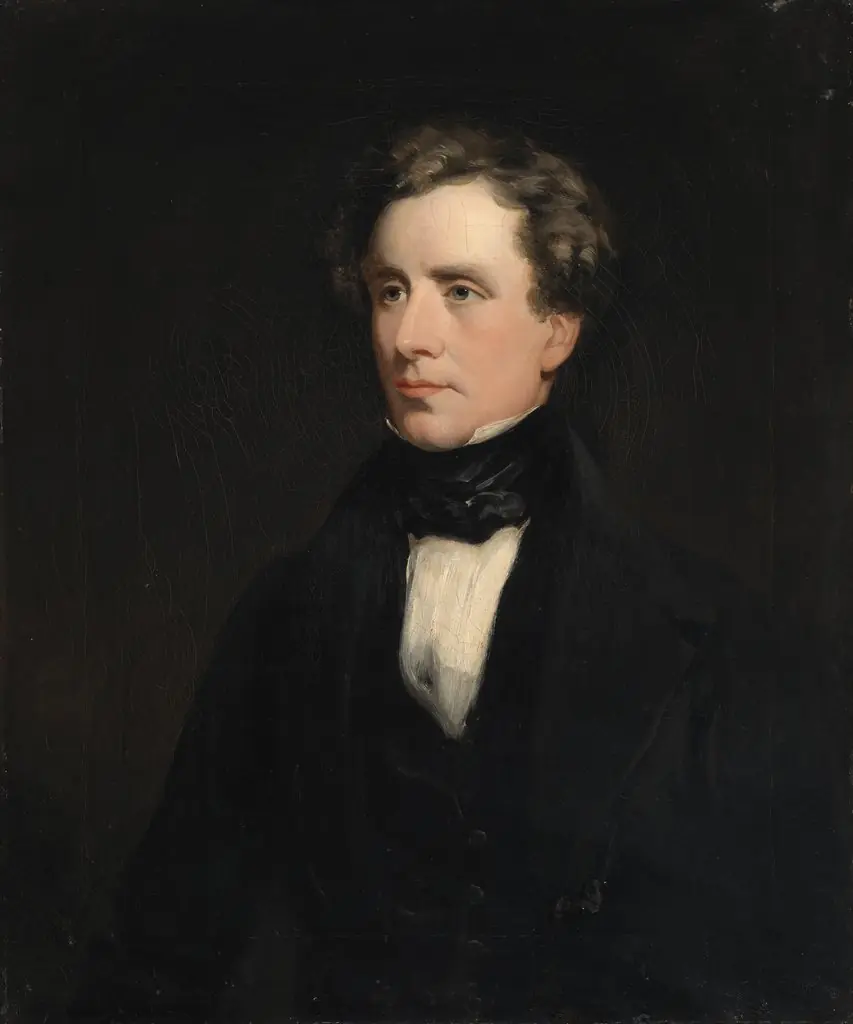
Portrait of John Banim (1798-1842), Novelist and Poet
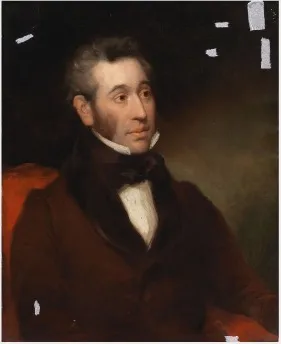
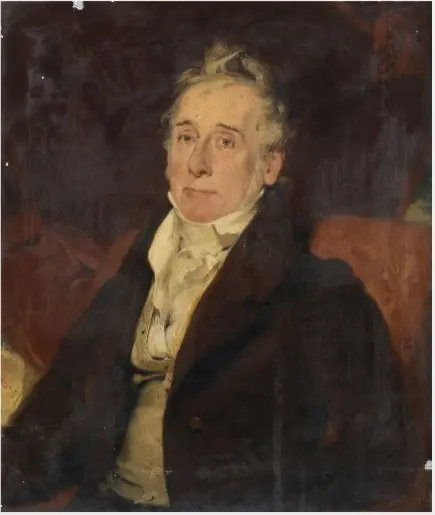
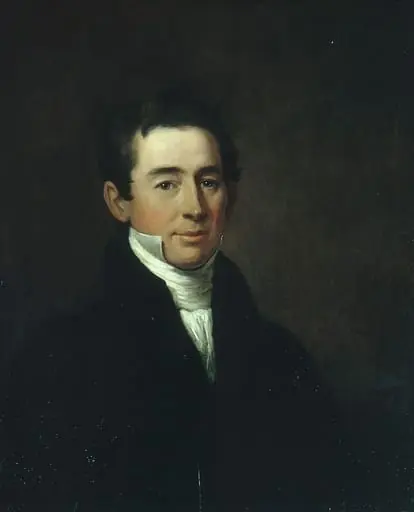
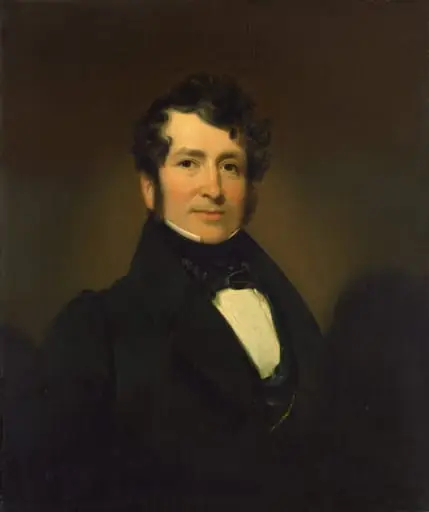
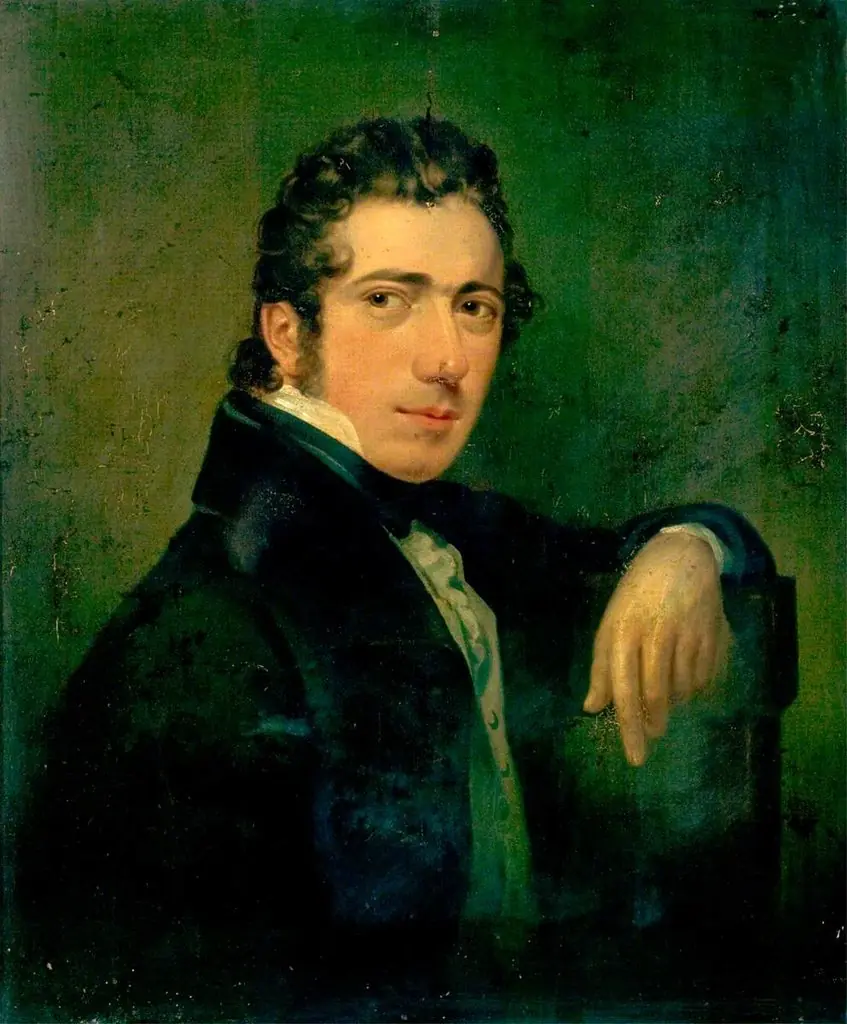
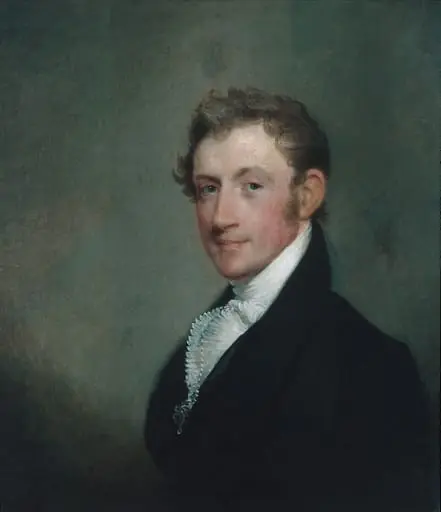
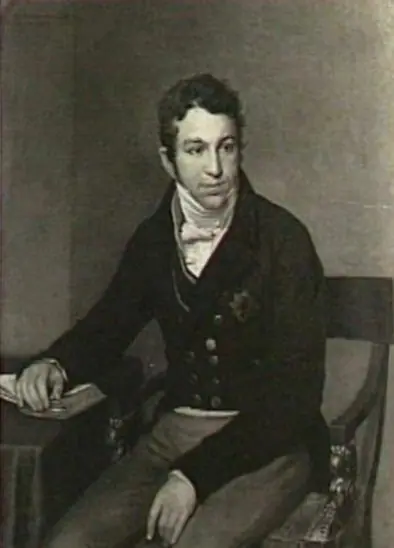
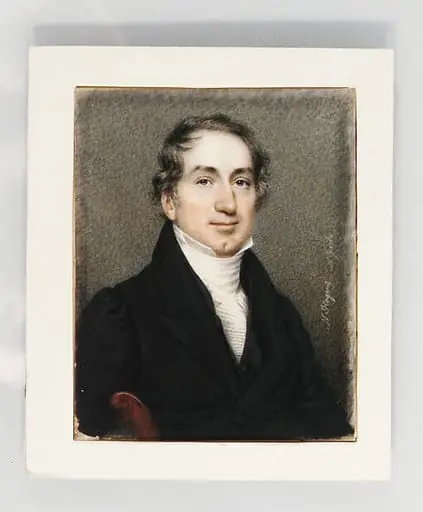
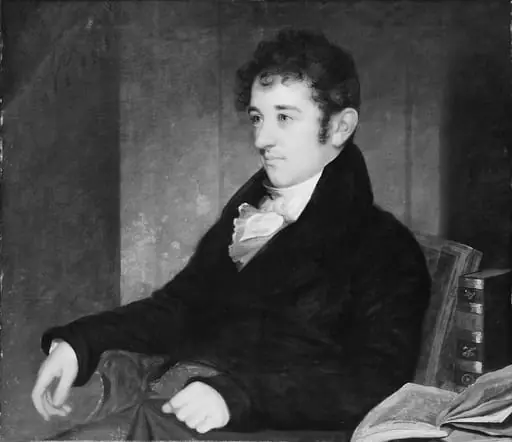
Portrait of John Banim (1798-1842), Novelist and Poet is an oil painting by George Francis Mulvany. It dates from 1849 and is held in the collection of the National Gallery of Ireland. This oil painting, dated around 1849, portrays the Irish writer John Banim, known for his novels and poetry.
About this work
Overview
This oil painting, dated around 1849, portrays the Irish writer John Banim, known for his novels and poetry. Executed by George Francis Mulvany, it is part of the National Gallery of Ireland’s collection. The composition focuses tightly on the sitter, isolating him against a deep, unbroken background to emphasize his presence and inner character rather than his surroundings.
Subject & Meaning
John Banim, a key figure in 19th-century Irish literature, is depicted with quiet intensity.
John Banim, a key figure in 19th-century Irish literature, is depicted with quiet intensity. His dark beard and high-collared shirt suggest a reserved, intellectual demeanor. The portrait does not reference his literary achievements directly but conveys a sense of solemnity and introspection, aligning with the era’s preference for portraying writers as thoughtful, private individuals rather than public figures.
Technique & Style
Mulvany employs chiaroscuro to model the sitter’s face and upper torso, using sharp contrasts between light and shadow to define form. The dark background enhances the three-dimensionality of the figure, drawing attention to the texture of fabric and the contours of the face. The brushwork is restrained, avoiding ornamentation in favor of a sober, almost sculptural rendering consistent with academic portraiture of the period.
History & Provenance
The painting was completed shortly before Banim’s death in 1842, though dated c. 1849, suggesting possible posthumous completion or later revision. It entered the National Gallery of Ireland’s holdings in the 19th century, likely through acquisition or donation by family or literary associates. Its preservation reflects early institutional interest in documenting Ireland’s cultural figures.
Context
Created during a period of rising national consciousness in Ireland, the portrait reflects a broader effort to visually record the nation’s literary voices. Mulvany, himself a painter and art historian, was part of a generation seeking to establish a distinct Irish artistic identity. This work stands as a quiet contribution to that movement, valuing intellectual presence over theatricality.
Legacy
The portrait remains one of the few surviving visual records of John Banim, offering insight into how Irish writers were perceived in their time. While not widely exhibited, it holds scholarly value as an example of Mulvany’s portraiture and as a tangible link to the literary circles of pre-Famine Ireland. Its understated style continues to inform interpretations of 19th-century Irish cultural identity.
Artist & collection

 Self-Portrait
 Portrait of Daniel O'Connell (1775-1847), Statesman
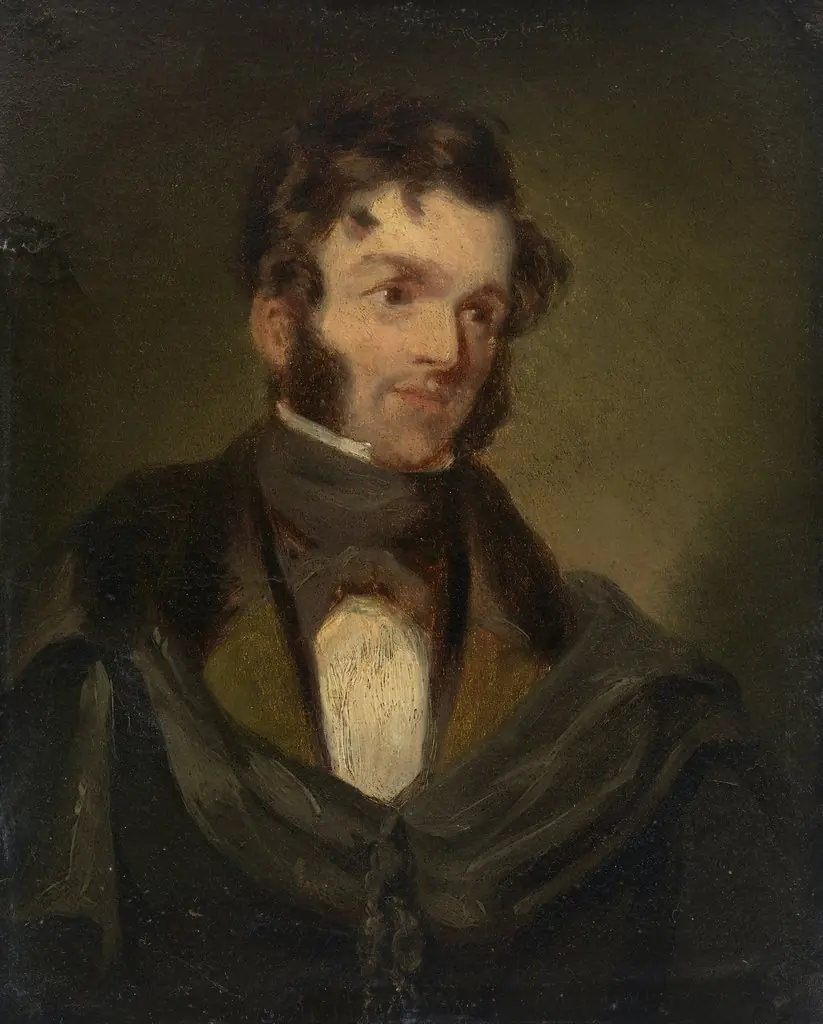 Portrait of William Smith O'Brien (1803-1864), Young Irelander
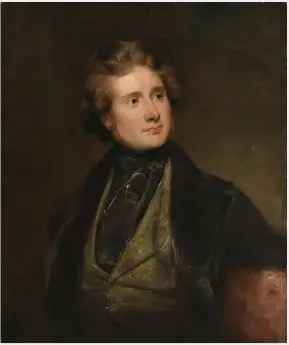 Portrait of Sir Frederic William Burton (1816-1900), Artist and Director, National Gallery, London
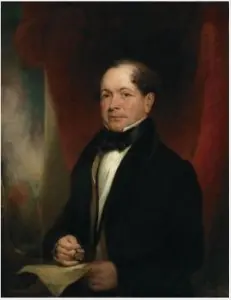 Portrait of Thomas Moore (1779-1852), Poet
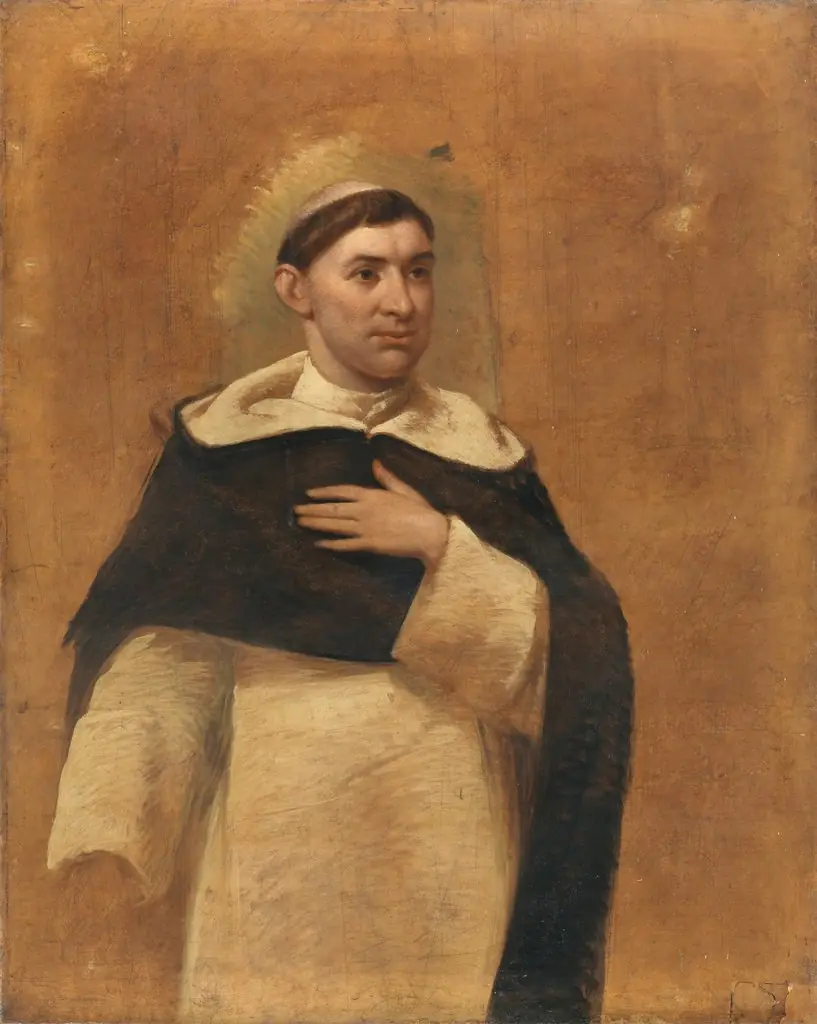 Portrait of Reverend Thomas Burke (1830-1883)
 Portrait of Thomas Francis Meagher, 'Meagher of the Sword' (1823-1867), Young Irelander
 Portrait of Thomas James Mulvany (1821-1892)