Artwork
Portrait of Thomas James Mulvany (1821-1892)
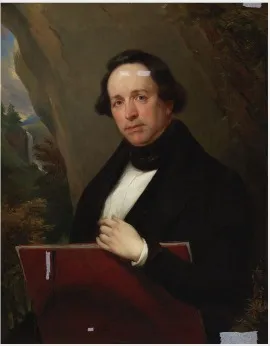
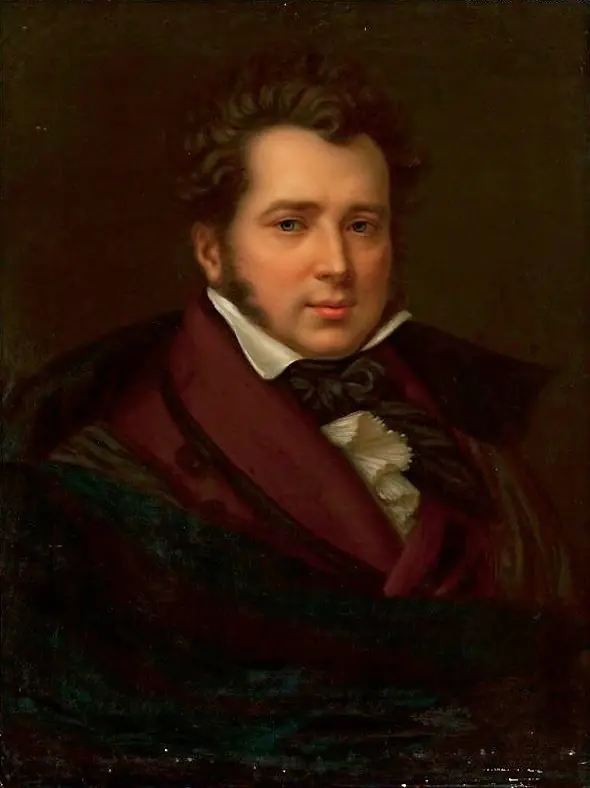
Portrait of Thomas James Mulvany (1821-1892) is an oil painting by George Francis Mulvany. It dates from 1852 and is held in the collection of the National Gallery of Ireland.
About this work
The artist's use of oil paint and attention to detail in the subject's clothing and accessories are notable.
The painting depicts a man with dark hair, dressed in a black coat over a white shirt and black bow tie. He holds a red object, possibly a portfolio or book, in front of him. The background features a landscape with trees and a body of water.
The man's attire and hairstyle suggest a formal portrait from the mid-19th century. The artist's use of oil paint and attention to detail in the subject's clothing and accessories are notable.
To learn more about the artist behind this portrait, explore the works of George Francis Mulvany.
Overview
This oil painting, created in 1852 by George Francis Mulvany, portrays Thomas James Mulvany (1821-1892). The work is part of the National Gallery of Ireland's collection.
Subject & Meaning
The subject, Thomas James Mulvany, is depicted in formal attire of the mid-19th century: a black coat, white shirt, and black bow tie. He holds a red object, likely a portfolio or book, suggesting a profession or interest. The contrast between his formal pose and the serene landscape background may imply a balance between personal and professional life.
Technique & Style
Executed in oil paint, the portrait showcases the artist's attention to detail, particularly in the rendering of the subject's clothing and accessories. The use of a landscape background adds depth to the traditional formal portrait format.
History & Provenance
Created in 1852, the portrait has been acquired by the National Gallery of Ireland, where it remains on display as part of the national art collection.
Context
The painting reflects the artistic conventions of mid-19th-century portraiture, with its formal pose and detailed realism, set against the backdrop of a natural landscape, a common technique to provide contextual depth to the subject.
Legacy
As a portrait by George Francis Mulvany, it contributes to the understanding of the artist's oeuvre and the broader landscape of Irish portraiture during the 19th century.
Artist & collection

 Self-Portrait
 Portrait of Daniel O'Connell (1775-1847), Statesman
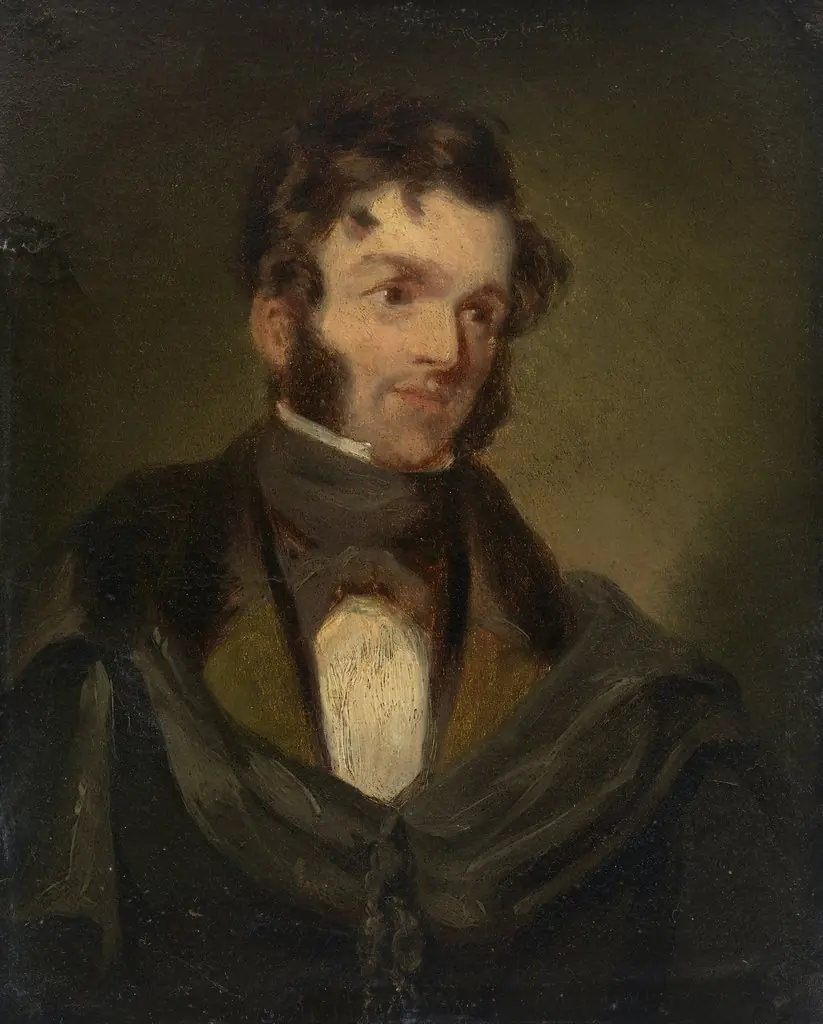 Portrait of William Smith O'Brien (1803-1864), Young Irelander
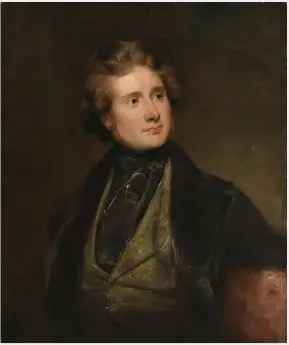 Portrait of Sir Frederic William Burton (1816-1900), Artist and Director, National Gallery, London
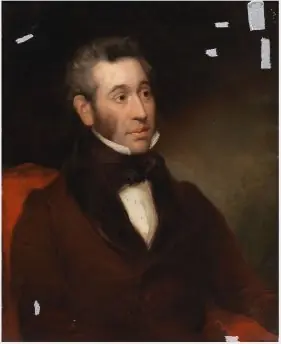 Portrait of John Banim (1798-1842), Novelist and Poet
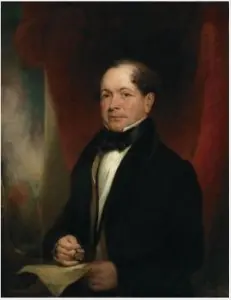 Portrait of Thomas Moore (1779-1852), Poet
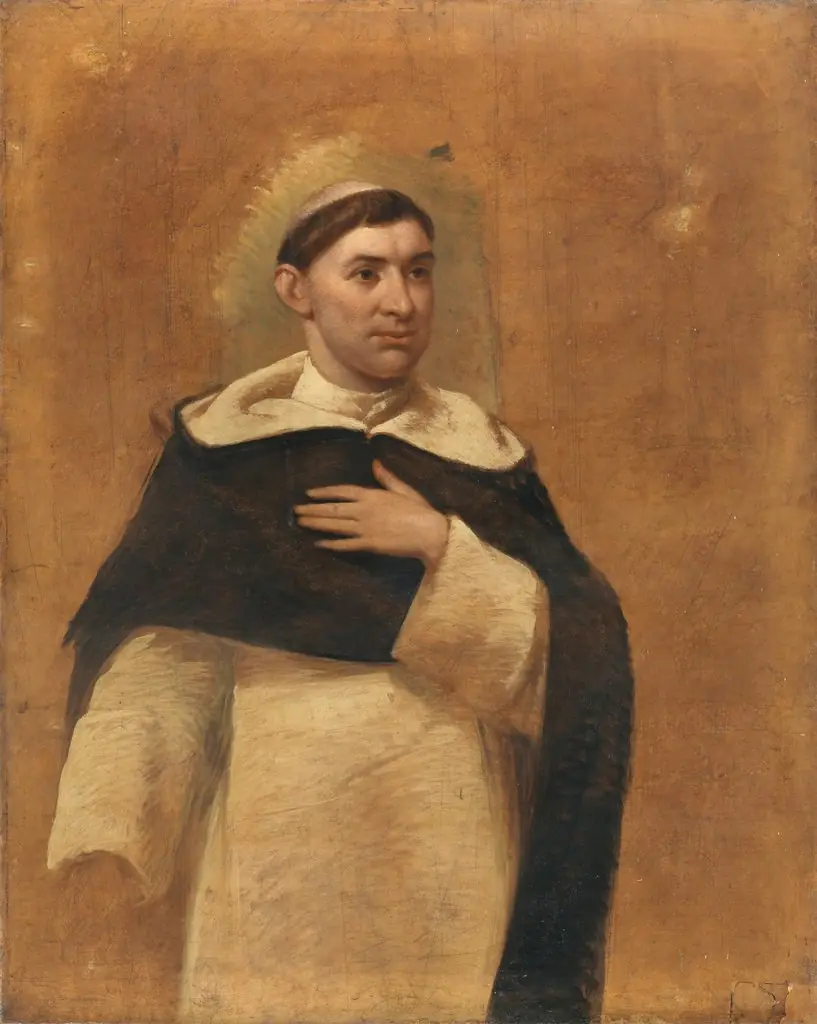 Portrait of Reverend Thomas Burke (1830-1883)
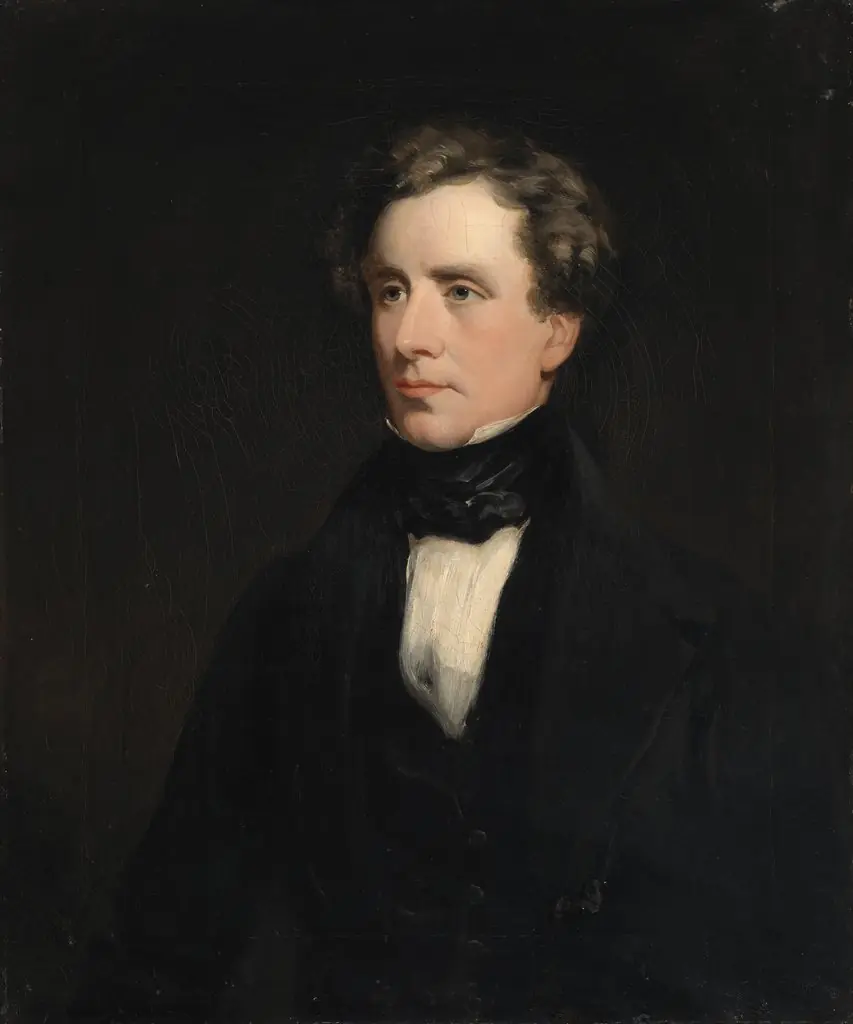 Portrait of Thomas Francis Meagher, 'Meagher of the Sword' (1823-1867), Young Irelander
 Portrait of Samuel Lover (1797-1868), Author and Artist
 Portrait of Thomas Moore (1779-1852), Poet
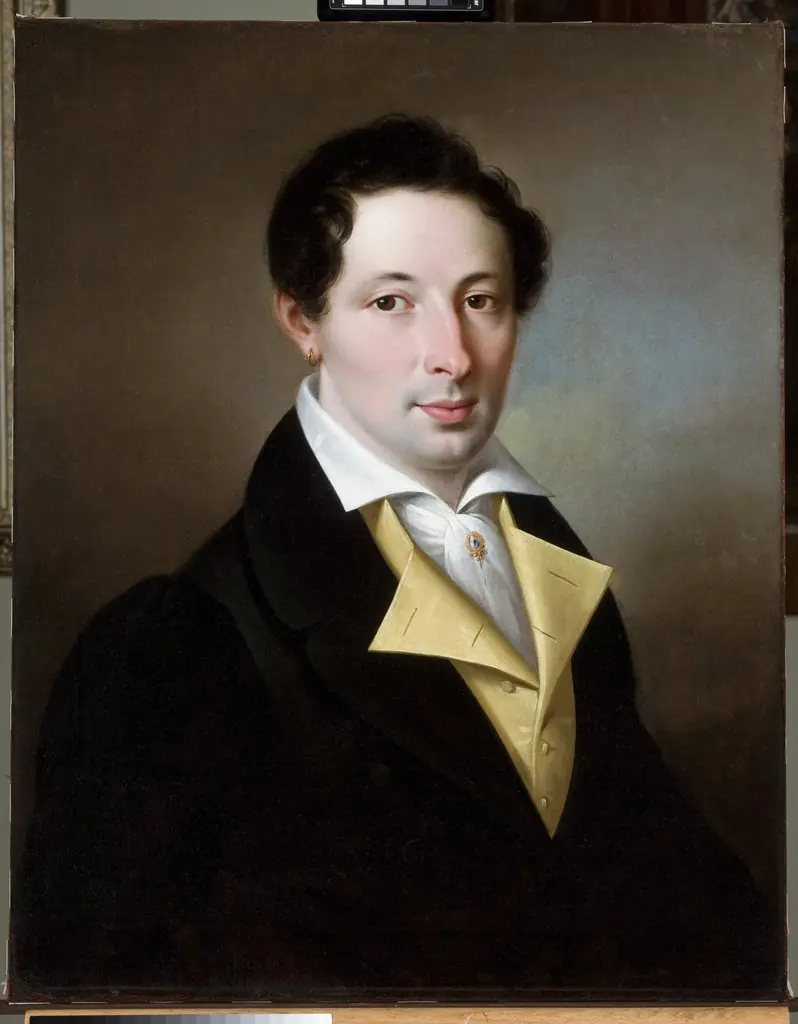 Portrait of Karol Kollarzowski
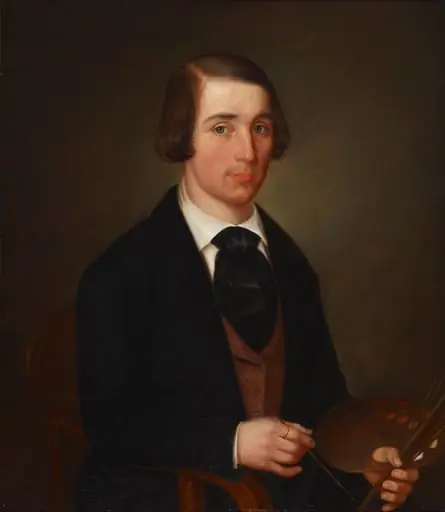 Omakuva
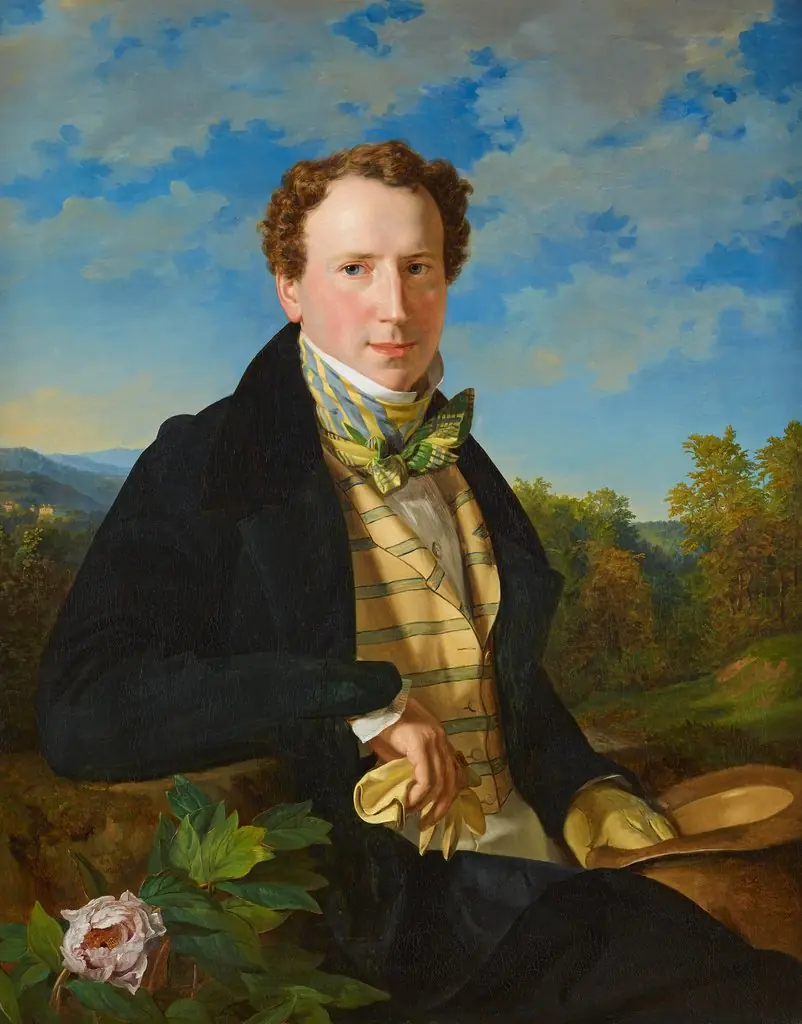 Self-portrait
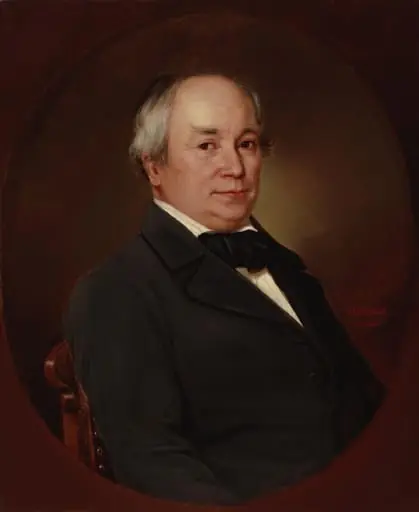 Ivan Sinebrychoff
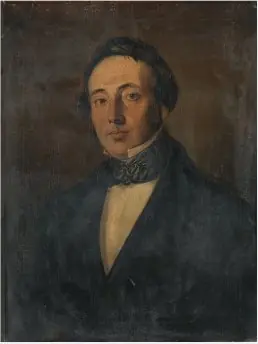 Portrait of Richard Robert Madden (1798-1886), Author
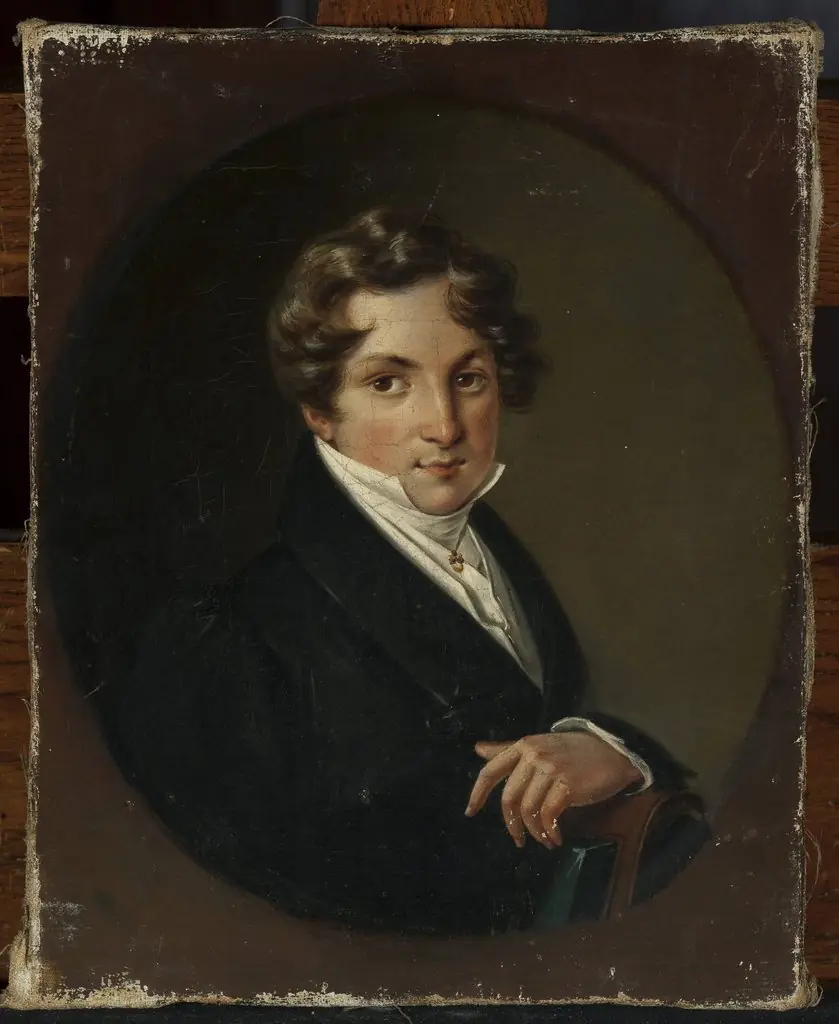 Portrait of Władysław Brunwej
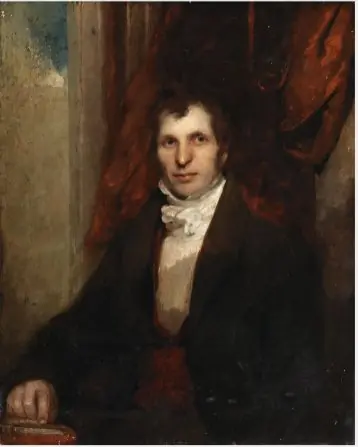 Portrait of a Gentleman
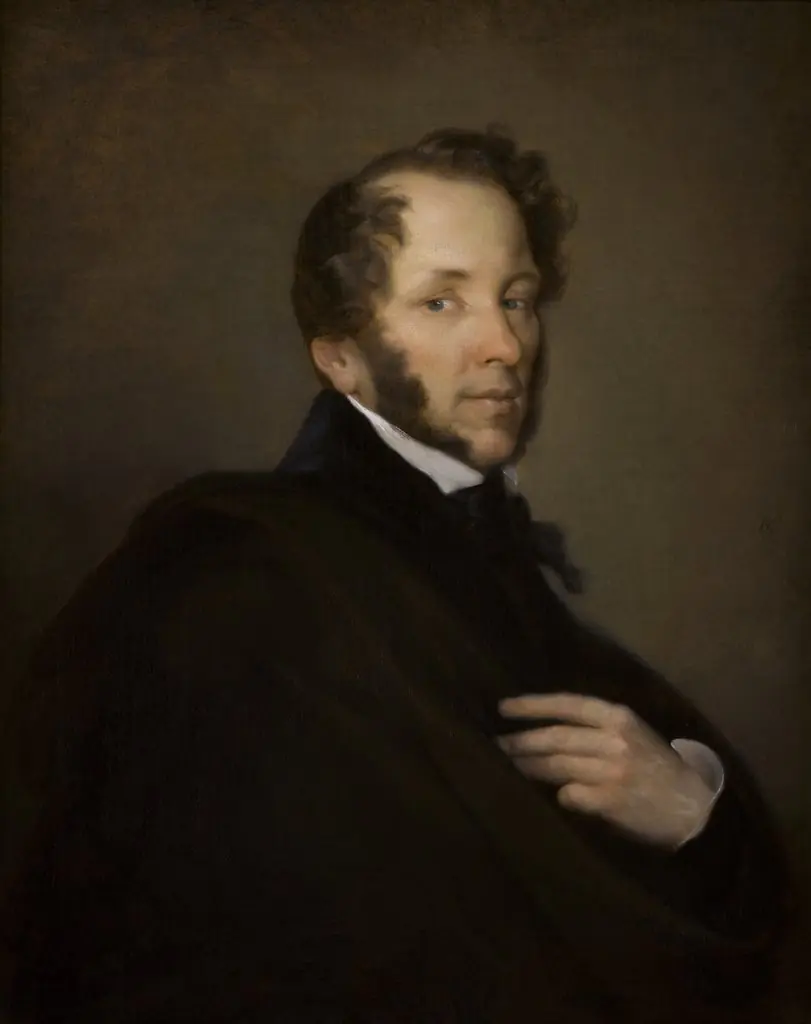 Portrait of Antoni Wentzel
 Portrait of Artur Potocki (1788–1832)