Artwork
A Lamplight Study: Herr Joachim
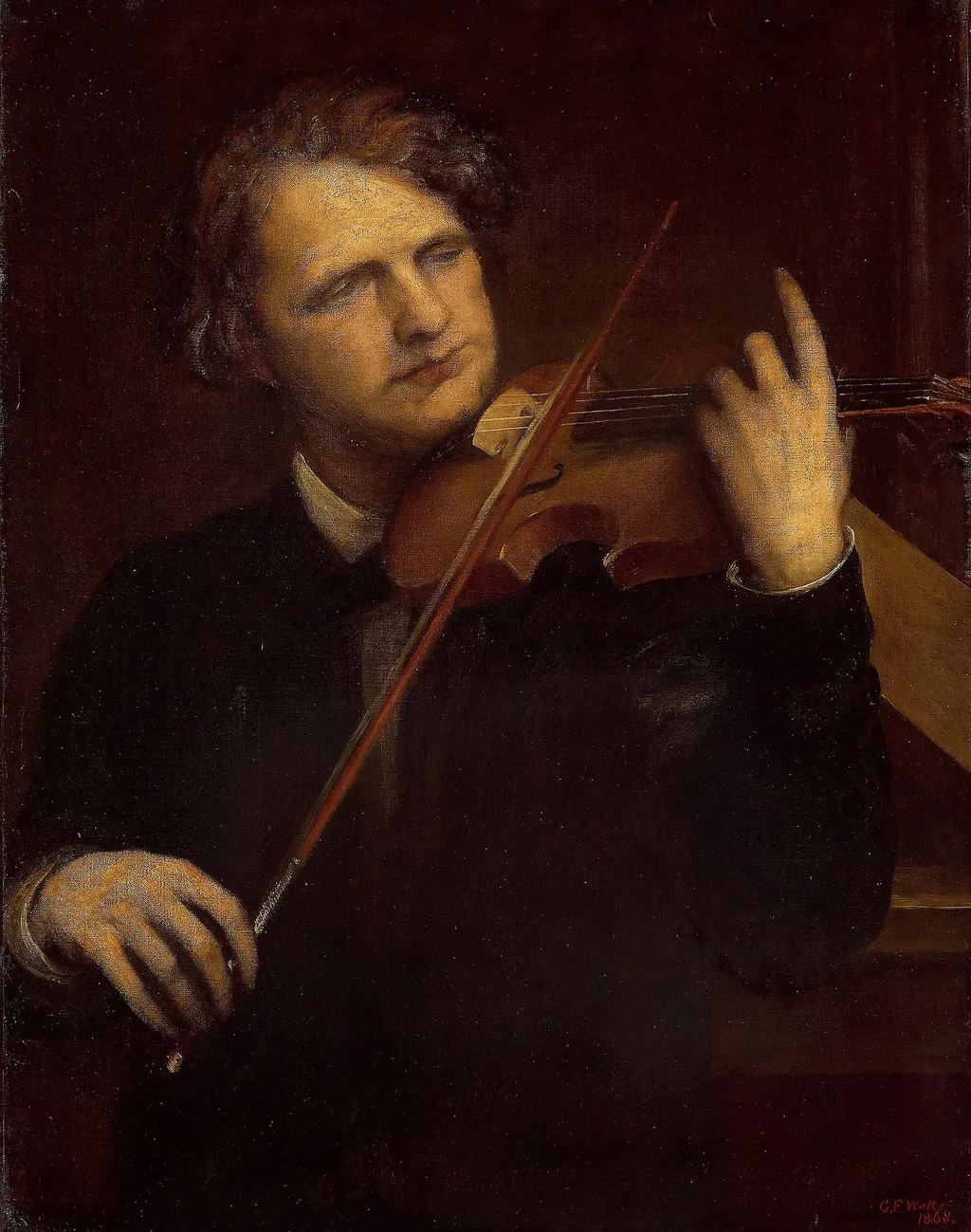
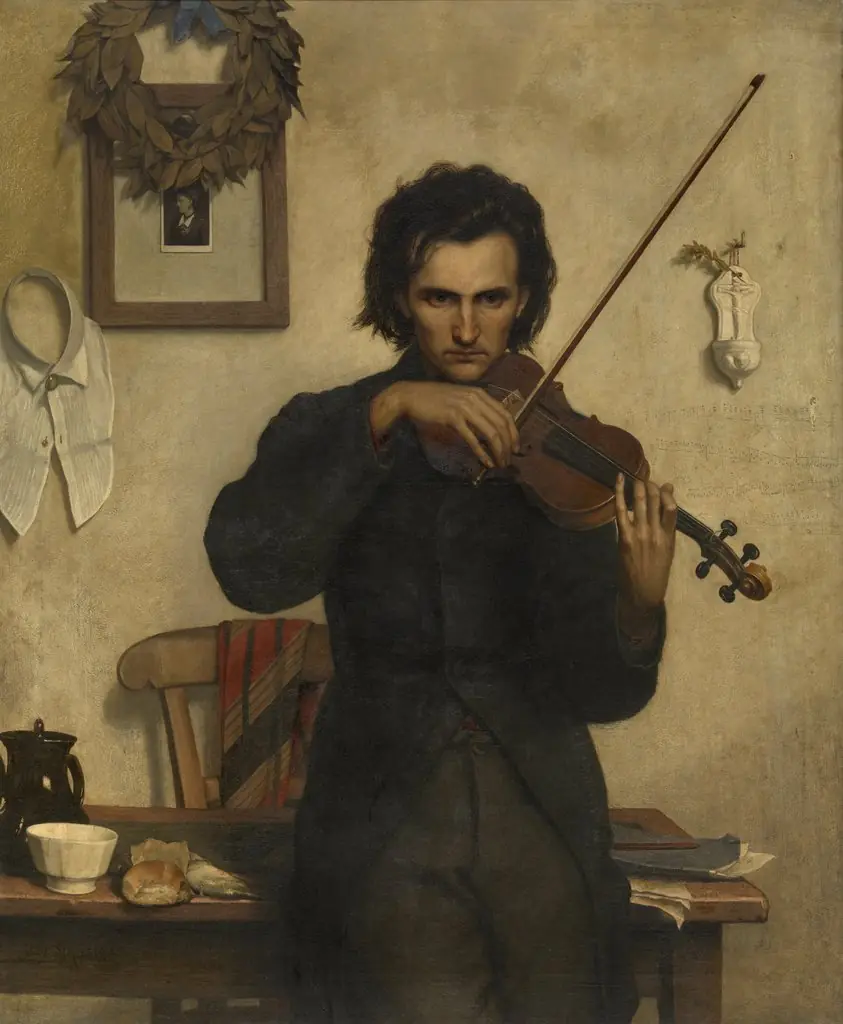
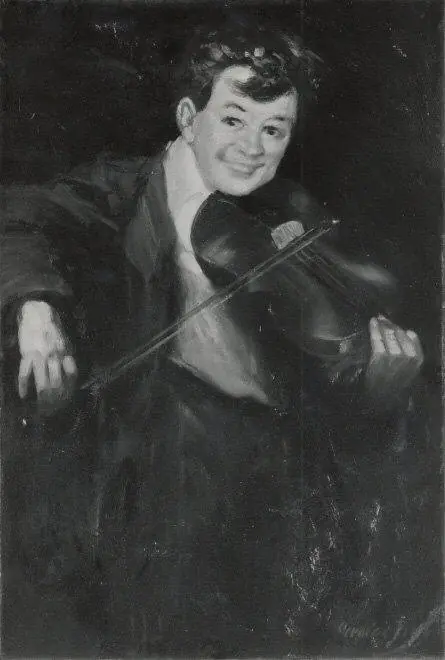
A Lamplight Study: Herr Joachim is an oil painting by the Realist artist George Frederic Watts. It dates from 1868 and is held in the collection of the Art Institute of Chicago.
About this work
Overview
Though Watts is better known for allegorical themes, this piece departs from grand symbolism, focusing instead on a quiet, intimate portrait.
Painted in 1868 by George Frederic Watts, this oil-on-canvas work captures a solitary figure in a moment of stillness. Though Watts is better known for allegorical themes, this piece departs from grand symbolism, focusing instead on a quiet, intimate portrait. It is part of the Art Institute of Chicago’s collection and reflects his engagement with observational realism during a period when he was also developing larger symbolic projects.
Subject & Meaning
The subject is Herr Joachim, a violinist whose identity suggests a connection to musical culture. His lowered gaze and poised bow imply a pause between notes, evoking introspection rather than performance. The absence of context or narrative detail shifts focus to the man’s inner state, suggesting a meditation on artistry, solitude, or the quiet discipline of practice. The painting resists overt symbolism, favoring psychological presence over allegory.
Technique & Style
Watts employs a restrained palette dominated by deep browns and blacks, with light concentrated on the face and hands. The brushwork is precise yet unobtrusive, emphasizing texture in skin and fabric without ornamentation. The dark, indistinct background isolates the figure, enhancing the sense of intimacy. This approach aligns with Realist principles, prioritizing observed detail and atmospheric mood over theatrical composition.
History & Provenance
Created during Watts’s mid-career, the painting emerged as he balanced public commissions for allegorical works with private studies of individuals. It remained in private hands until entering the Art Institute of Chicago’s collection, where it has been held since the early 20th century. Its modest scale and subject suggest it was not intended for public exhibition but rather as a personal exploration of form and expression.
Context
In the late 1860s, British art was navigating the tension between academic tradition and emerging realism. Watts, though associated with Symbolism, was deeply influenced by the quiet intensity of Dutch and French genre painting. This work reflects his interest in capturing human presence without narrative, paralleling contemporaries like Whistler in their focus on mood and tonal harmony over storytelling.
Legacy
Though less discussed than Watts’s allegorical cycles, this study reveals his sensitivity to individual character and light. It stands as a quiet counterpoint to his monumental works, demonstrating his capacity for restraint and psychological depth. The painting contributes to broader understandings of 19th-century British portraiture, where realism and introspection coexisted alongside symbolic ambition.
Own this work as a print
Artist & collection
Artist
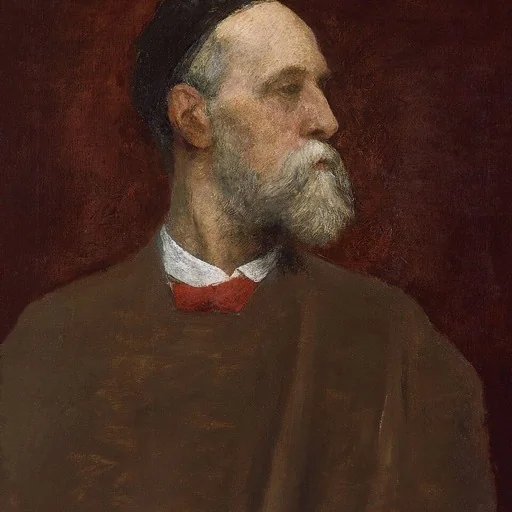
George Frederic Watts (23 February 1817 – 1 July 1904) was a British painter and sculptor associated with the Symbolist movement.

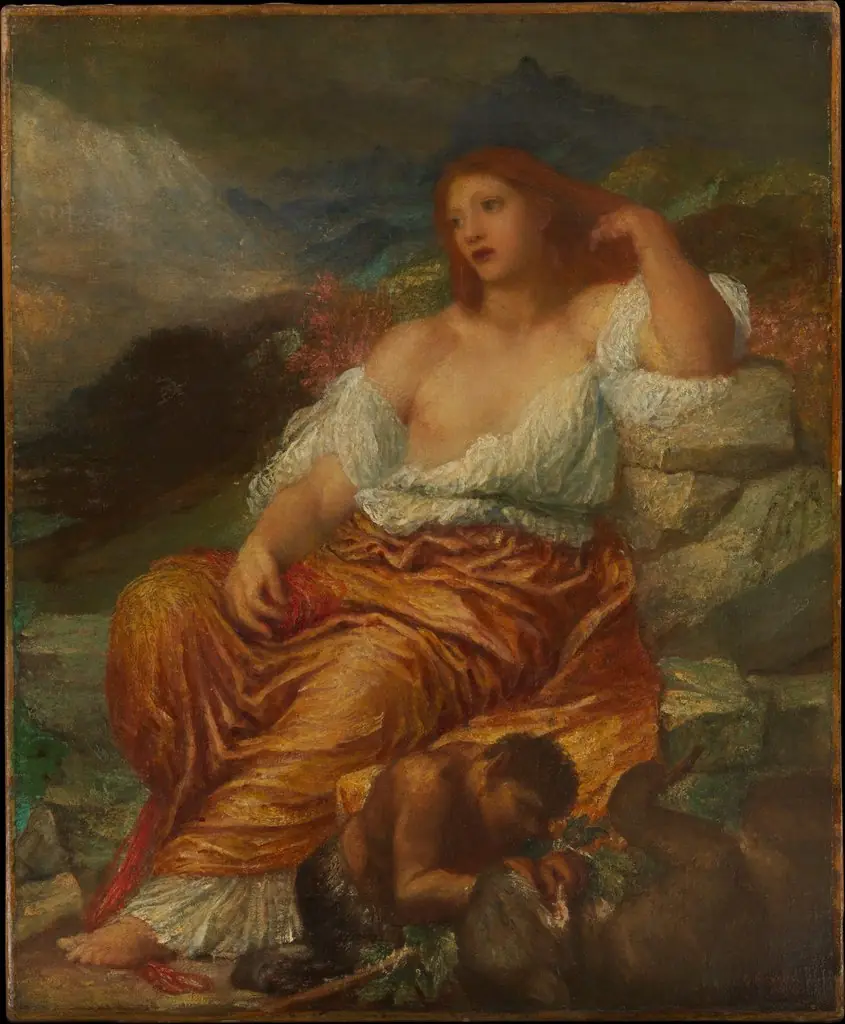 Ariadne
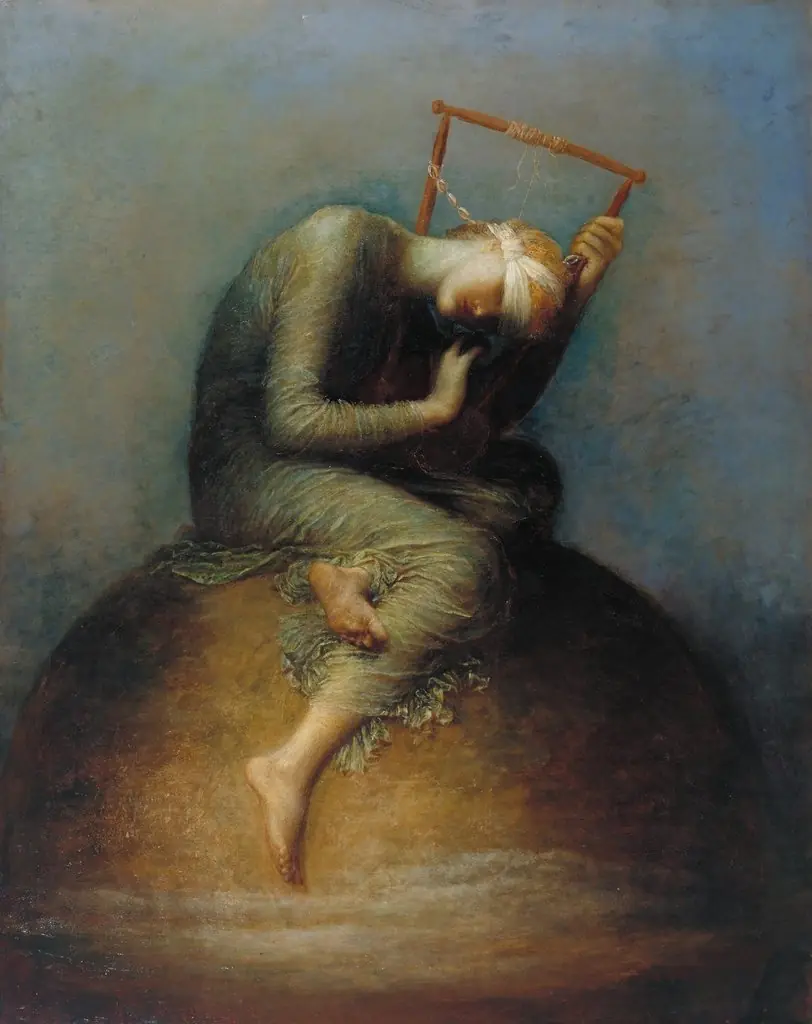 Hope
Hope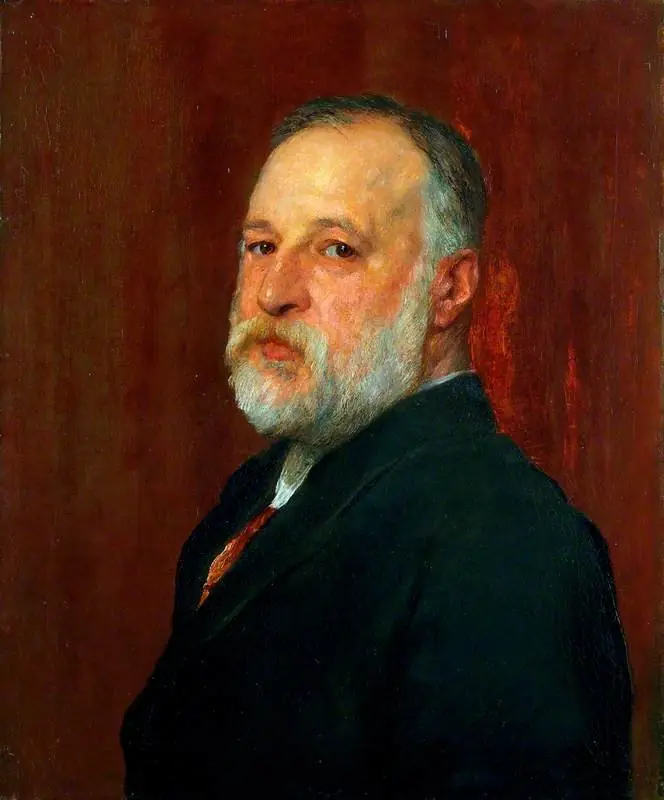 Constantine Alexander Ionides (1833–1900)
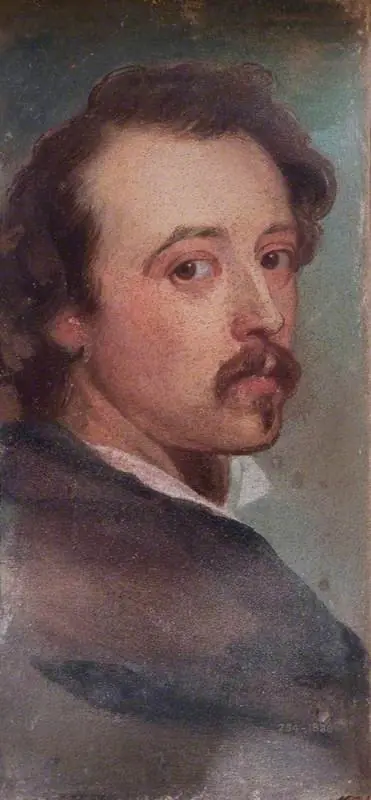 Portrait of a Man (sketch for a mural in the Villa Carreggi)
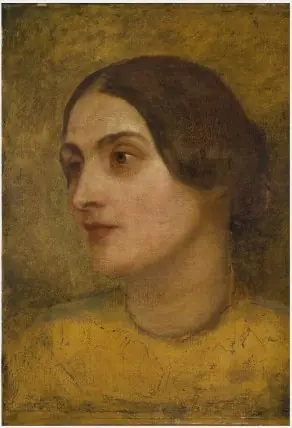 Portrait of Mrs Caroline Norton (née Sheridan), (1808-1877), Poet
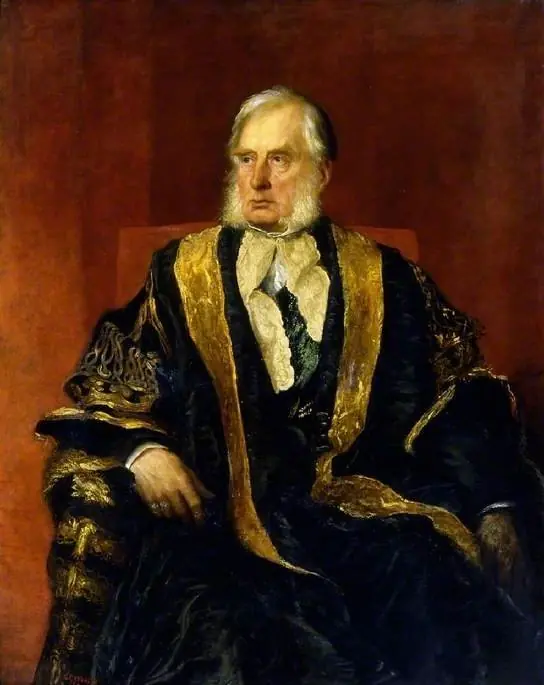 William Cavendish, 7th Duke of Devonshire
 Time, Death and Judgment
 An Old Man Restrained by Two Youths (sketch for a mural in the Villa Carreggi)