Artwork
William Cavendish, 7th Duke of Devonshire
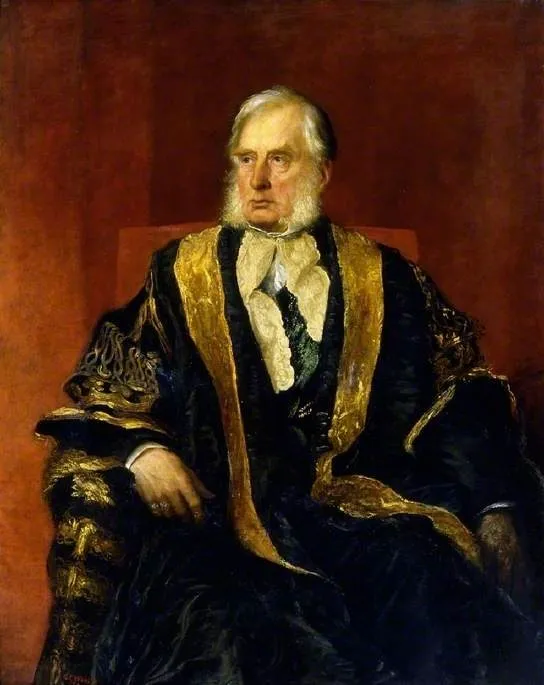
William Cavendish, 7th Duke of Devonshire is an oil painting by the Impressionist artist George Frederic Watts. It dates from 1892 and is held in the collection of the Fitzwilliam Museum.
About this work
Overview
The work is part of the Fitzwilliam Museum’s collection and reflects a formal, restrained approach to likeness, distinct from Watts’s more mythological themes.
Painted in 1892 by George Frederic Watts, this oil portrait depicts William Cavendish, the 7th Duke of Devonshire. Watts, primarily known for symbolic and allegorical subjects, turned to portraiture to capture prominent figures of his time. The work is part of the Fitzwilliam Museum’s collection and reflects a formal, restrained approach to likeness, distinct from Watts’s more mythological themes.
Subject & Meaning
The subject, William Cavendish, was a British aristocrat and politician, not a clergyman as his attire might suggest. His black robe with gold trim and white collar signifies ceremonial dress, likely that of a high-ranking peer or officeholder. Watts emphasizes dignity and gravitas, portraying the Duke as a figure of quiet authority rather than personal emotion, aligning with Victorian ideals of nobility.
Technique & Style
Watts employed a muted palette and deliberate brushwork to convey stillness and substance. The solid brown background isolates the figure, focusing attention on texture and form. Details in the robe’s embroidery and the Duke’s beard are rendered with precision, yet the overall handling avoids excessive polish, suggesting a balance between realism and a contemplative, almost sculptural presence.
History & Provenance
Commissioned during the final years of the Duke’s life, the portrait was completed in 1892 and entered the Fitzwilliam Museum’s collection shortly thereafter. It was not part of Watts’s symbolic 'House of Life' series but reflects his broader practice of documenting influential contemporaries. The painting’s provenance remains unbroken since its acquisition by the museum.
Context
Though Watts is often linked to Symbolism, this portrait belongs to a tradition of British academic portraiture that valued moral gravity over flamboyance. In the late 19th century, such images served to reinforce social hierarchy and public identity. The work stands apart from Impressionist trends, instead drawing on earlier conventions of formal portraiture rooted in the 18th century.
Legacy
The portrait remains a representative example of Watts’s non-allegorical output, illustrating his ability to convey character through restraint. While less celebrated than his symbolic works, it contributes to understanding how Victorian artists engaged with elite subjects. Its preservation in a major public collection ensures continued study of portraiture’s role in shaping historical perception.
Artist & collection
Artist
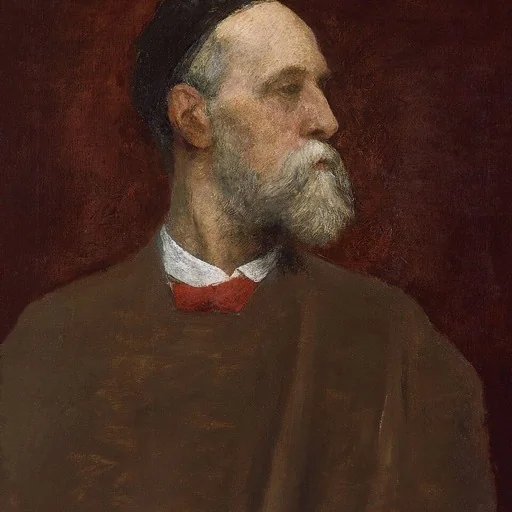
George Frederic Watts (23 February 1817 – 1 July 1904) was a British painter and sculptor associated with the Symbolist movement.

 Ariadne
 Hope
Hope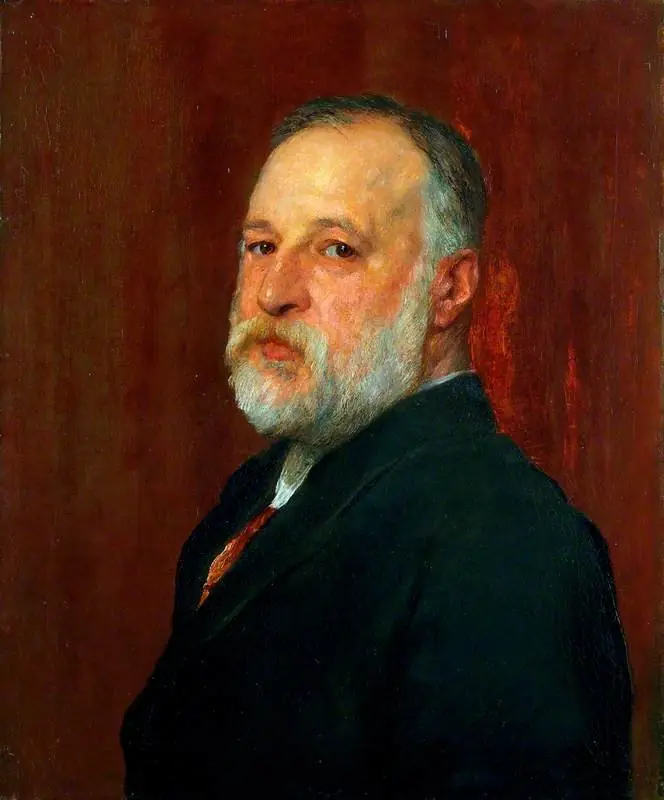 Constantine Alexander Ionides (1833–1900)
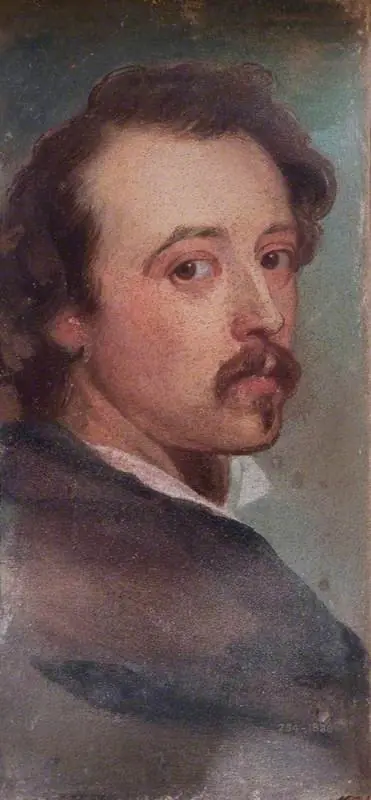 Portrait of a Man (sketch for a mural in the Villa Carreggi)
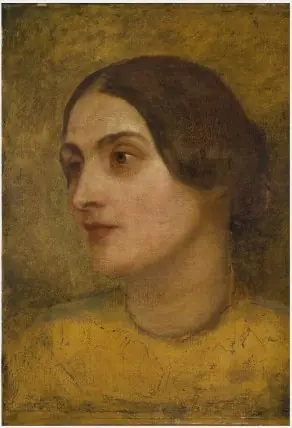 Portrait of Mrs Caroline Norton (née Sheridan), (1808-1877), Poet
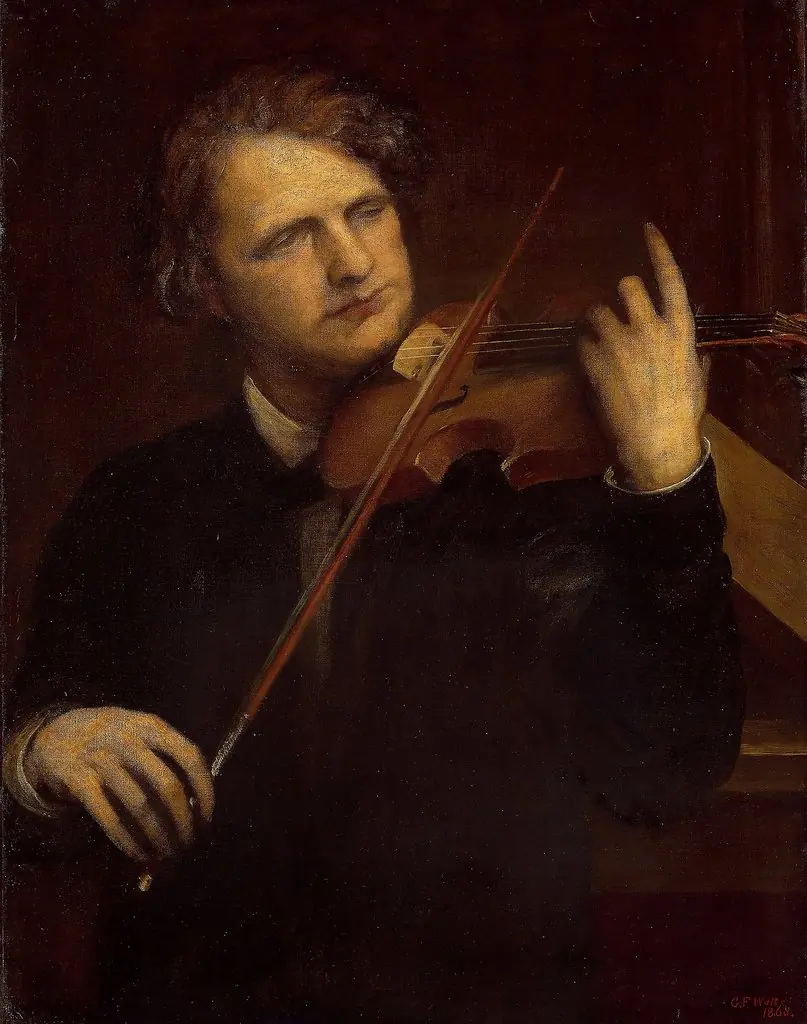 A Lamplight Study: Herr Joachim
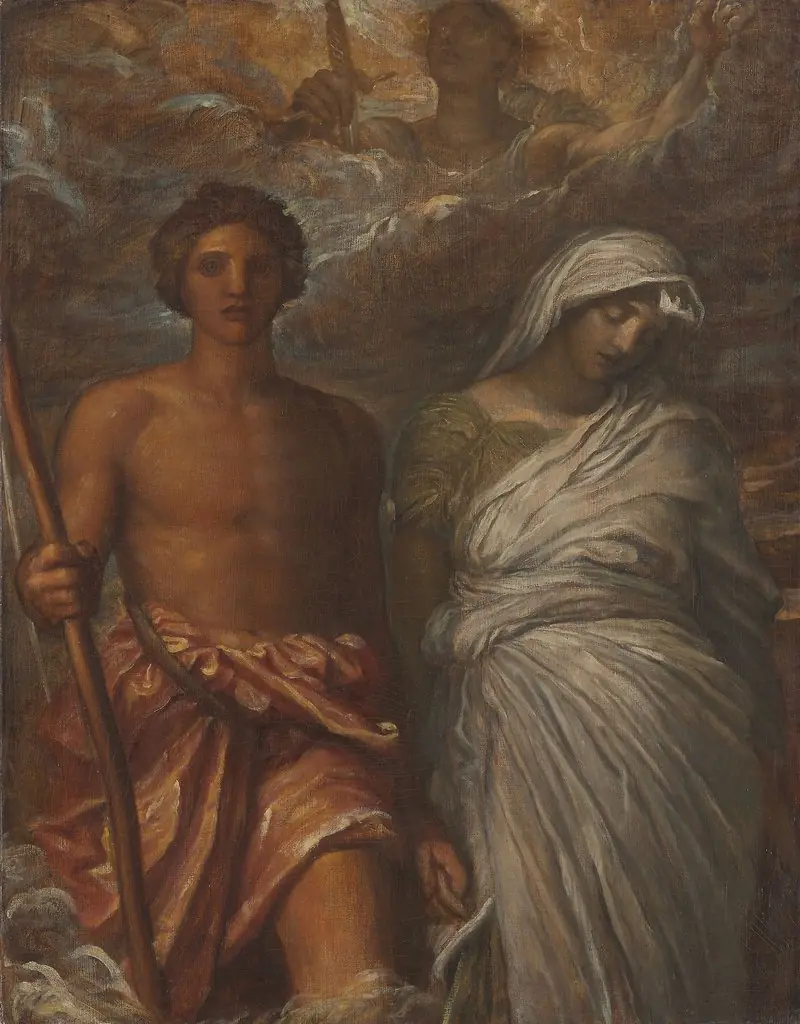 Time, Death and Judgment
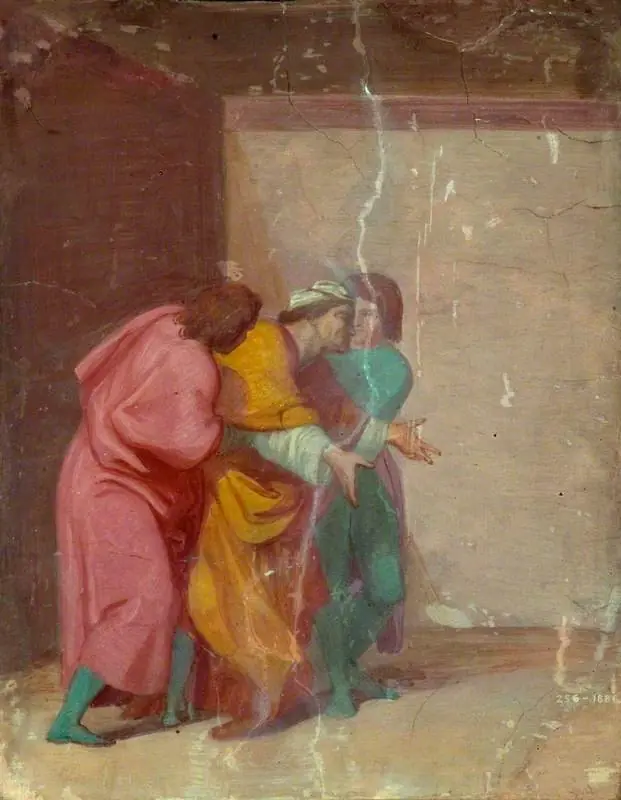 An Old Man Restrained by Two Youths (sketch for a mural in the Villa Carreggi)
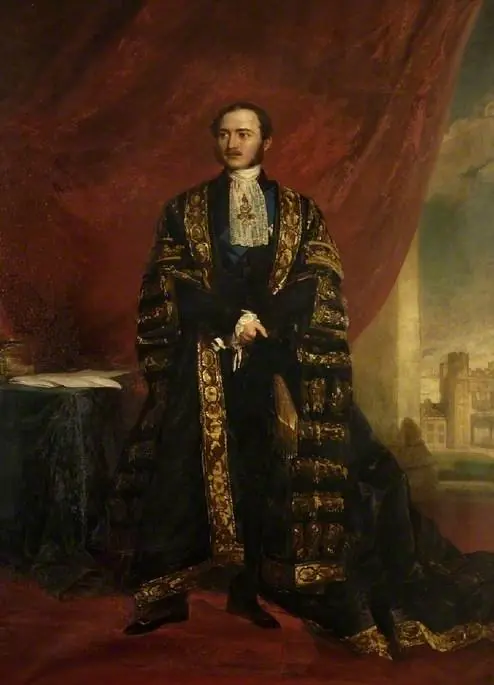 Albert Francis Charles Augustus Emmanuel of Saxe-Coburg-Gotha, Prince Consort of England
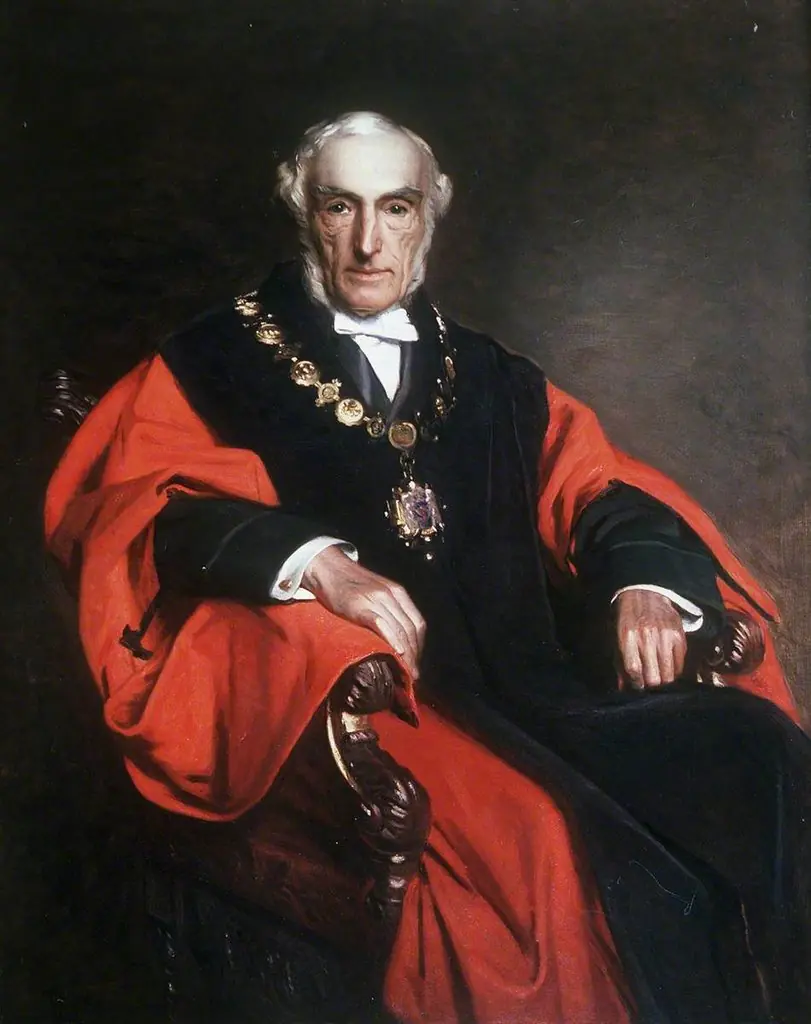 Alderman John Gwynne James
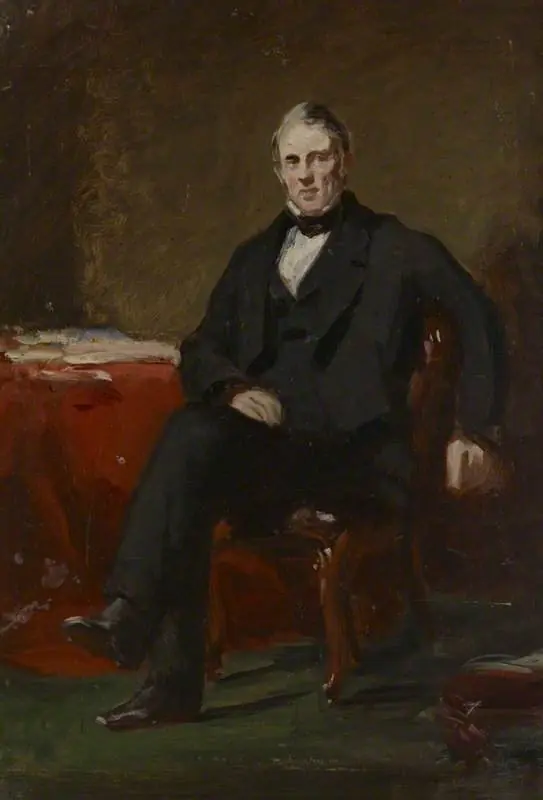 A Portrait Study of a Gentleman Seated in an Interior
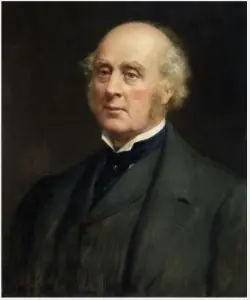 Portrait of James Talbot, 4th Baron Talbot de Malahide (1805-1883)
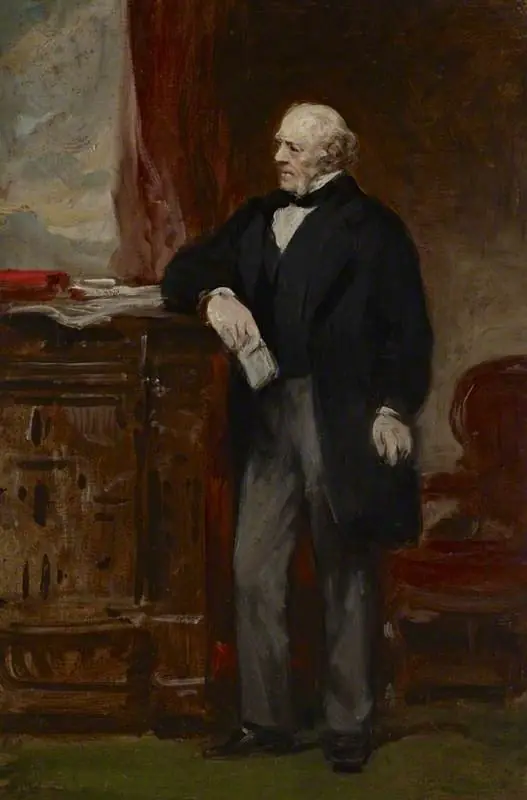 A Portrait Study of a Gentleman Standing in an Interior
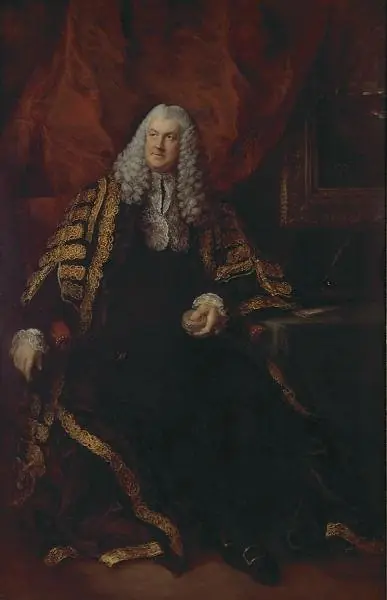 The Rt Hon. Charles Wolfran Cornewall
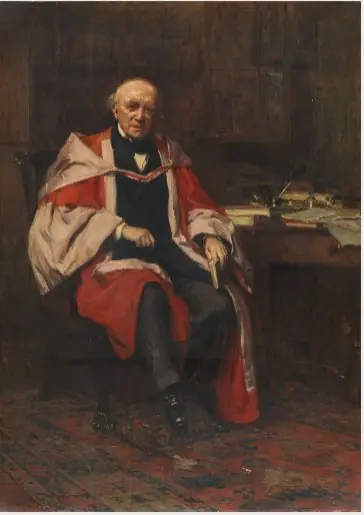 Portrait of Thomas W. Moffett, President, Queen's College, Galway (d.1906)
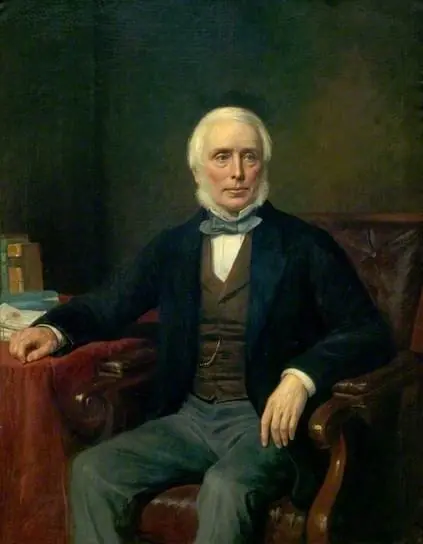 Portrait of Michael Thomas Bass (1799–1884)
 Portrait of Chief Justice Charles Kendal Bushe (1767-1843), in his Robes
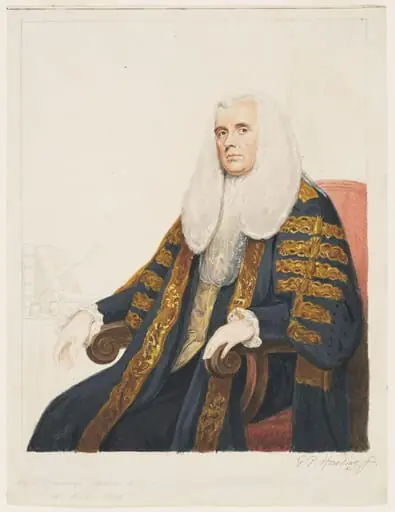 Portrait of Richard Pepper Ardene, Lord Alvanley, Master of the Rolls
 Portrait of John Fitzgibbon, Earl of Clare (1749-1802)
 Sir William Fitzherbert